
Sign up to save your podcasts
Or


Text Dr. Lenz any feedback or questions
In this enlightening video, we explore the concept of "tension myositis syndrome," a condition where the brain generates chronic pain, challenging traditional biomedical views. We examine Dr. Sarno's groundbreaking work and how he explained the "mindbody syndrome" through a neurodevelopmental lens. Learn how understanding the intricate connection between the brain and pain and the role of emotions and pain can help manage conditions like nociplastic pain, offering strategies for healing and regulation.
Imagine Sarah, living with chronic widespread pain for over a decade, her muscles and joints constantly aching, waking up exhausted. This video introduces the concept of "tension myositis syndrome" (TMS), explaining it as a condition where the brain generates pain, challenging traditional biomedical approaches. We explore Dr. John Sarno's work and suggest a "nociplastic pain" lens, including strategies for managing "sensory overload" and regulating "neurodiversity" systems, offering new perspectives on "chronic pain" within the framework of "mindbody syndrome."
Imagine Sarah, living with chronic widespread pain for over a decade, her muscles and joints constantly aching, waking up exhausted. This video introduces the concept of "tension myositis syndrome" (TMS), explaining it as a condition where the brain generates pain, challenging traditional biomedical approaches. We explore Dr. John Sarno's work and suggest a "nociplastic pain" lens, including strategies for managing "sensory overload" and regulating "neurodiversity" systems, offering new perspectives on "chronic pain" within the framework of "mindbody syndrome."
Click here for the YouTube Channel
Support the show
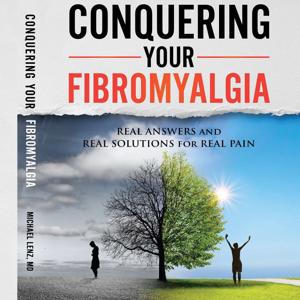
When I started this podcast and YouTube Channel—and the book that came before it—I had my patients in mind. Office visits are short, but understanding complex, often misunderstood conditions like fibromyalgia takes time. That’s why I created this space: to offer education, validation, and hope. If you’ve been told fibromyalgia “isn’t real” or that it’s “all in your head,” know this—I see you. I believe you. This podcast aims to affirm your experience and explain the science behind it. Whether you live with fibromyalgia, care for someone who does, or are a healthcare professional looking to better support patients, you’ll find trusted, evidence-based insights here, drawn from my 29+ years as an MD.
Please remember to talk with your doctor about your symptoms and care. This content doesn’t replace per...
 View all episodes
 By Dr. Michael Lenz MD

4.8
6868 ratings
Text Dr. Lenz any feedback or questions
In this enlightening video, we explore the concept of "tension myositis syndrome," a condition where the brain generates chronic pain, challenging traditional biomedical views. We examine Dr. Sarno's groundbreaking work and how he explained the "mindbody syndrome" through a neurodevelopmental lens. Learn how understanding the intricate connection between the brain and pain and the role of emotions and pain can help manage conditions like nociplastic pain, offering strategies for healing and regulation.
Imagine Sarah, living with chronic widespread pain for over a decade, her muscles and joints constantly aching, waking up exhausted. This video introduces the concept of "tension myositis syndrome" (TMS), explaining it as a condition where the brain generates pain, challenging traditional biomedical approaches. We explore Dr. John Sarno's work and suggest a "nociplastic pain" lens, including strategies for managing "sensory overload" and regulating "neurodiversity" systems, offering new perspectives on "chronic pain" within the framework of "mindbody syndrome."
Imagine Sarah, living with chronic widespread pain for over a decade, her muscles and joints constantly aching, waking up exhausted. This video introduces the concept of "tension myositis syndrome" (TMS), explaining it as a condition where the brain generates pain, challenging traditional biomedical approaches. We explore Dr. John Sarno's work and suggest a "nociplastic pain" lens, including strategies for managing "sensory overload" and regulating "neurodiversity" systems, offering new perspectives on "chronic pain" within the framework of "mindbody syndrome."
Click here for the YouTube Channel
Support the show
When I started this podcast and YouTube Channel—and the book that came before it—I had my patients in mind. Office visits are short, but understanding complex, often misunderstood conditions like fibromyalgia takes time. That’s why I created this space: to offer education, validation, and hope. If you’ve been told fibromyalgia “isn’t real” or that it’s “all in your head,” know this—I see you. I believe you. This podcast aims to affirm your experience and explain the science behind it. Whether you live with fibromyalgia, care for someone who does, or are a healthcare professional looking to better support patients, you’ll find trusted, evidence-based insights here, drawn from my 29+ years as an MD.
Please remember to talk with your doctor about your symptoms and care. This content doesn’t replace per...

922 Listeners

12,775 Listeners

14,970 Listeners
3,408 Listeners

3,815 Listeners

69,471 Listeners

48 Listeners

136 Listeners
722 Listeners

13,105 Listeners
369 Listeners

19,783 Listeners

11,435 Listeners
110 Listeners