
Sign up to save your podcasts
Or



Based on Podcast App listening data
Text Dr. Lenz any feedback or questions
When Fibromyalgia Masks Autism and ADHD: Diagnostic Overshadowing and Neuroplastic Pain
The script argues that fibromyalgia’s pain, fatigue, and brain fog can act as “diagnostic overshadowing,” masking underlying undiagnosed autism and/or ADHD. Referencing Dr. Megan Anna Neff’s video on how autism can hide ADHD, the narrator (a physician) connects neurodivergent traits to central sensitization and nociplastic pain, suggesting a nervous system “born” with high sensory volume that overheats from lifelong adaptation to a neurotypical world. Examples include autistic rigidity and routines masking ADHD while fueling hypervigilance; combined ADHD task paralysis and autistic inertia contributing to “fibro fog”; special interests functioning as regulating deep focus but driving boom-bust cycles and stress on reentry; and layered masking that ends in collapse framed as flares. The script concludes that recognizing autism/ADHD improves self-understanding and guides lifestyle changes to reduce symptoms.
00:00 Fibro as Medical Mystery
00:35 Diagnostic Overshadowing
01:08 Neurodivergence Behind Pain
01:44 Autism Hiding ADHD
02:30 Central Sensitization Link
03:05 Rigidity Mask Explained
04:45 Hypervigilance and Stress
05:15 Task Paralysis and Inertia
07:06 Special Interests Solar System
08:39 Defensive Deep Focus Cycle
10:08 The Grand Masking Trap
11:50 Self Understanding as Treatment
12:23 Closing and Next Steps
Click here for the YouTube Channel
Support the show
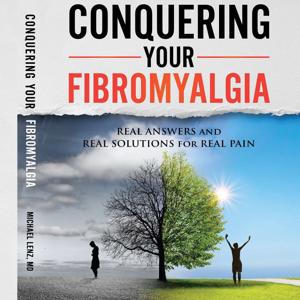
When I started this podcast and YouTube Channel—and the book that came before it—I had my patients in mind. Office visits are short, but understanding complex, often misunderstood conditions like fibromyalgia takes time. That’s why I created this space: to offer education, validation, and hope. If you’ve been told fibromyalgia “isn’t real” or that it’s “all in your head,” know this—I see you. I believe you. This podcast aims to affirm your experience and explain the science behind it. Whether you live with fibromyalgia, care for someone who does, or are a healthcare professional looking to better support patients, you’ll find trusted, evidence-based insights here, drawn from my 29+ years as an MD.
Please remember to talk with your doctor about your symptoms and care. This content doesn’t replace per...
Text Dr. Lenz any feedback or questions
2025 Pediatric Cyclic Vomiting Syndrome (CVS) Guidelines: A Brain–Gut, Migraine-Based Action Plan
The script explains updated 2025 guidelines for pediatric cyclic vomiting syndrome (CVS), framing CVS as a disorder of gut–brain interaction and a “migraine equivalent,” with up to 82% of affected children having personal or family migraine history, shifting treatment focus to the central nervous system. It highlights links to nociplastic pain/central sensitization and higher rates of neurodivergence (ADHD, autism), supporting a holistic biopsychosocial approach and trigger management, especially consistent sleep. Key terminology (abortive vs prophylactic therapy, strong vs conditional recommendations) is clarified. The only strong recommendation is early abortive anti-migraine therapy (triptans like sumatriptan or high-dose NSAIDs like ibuprofen) during prodrome; conditional options include aprepitant, ondansetron, and early IV rehydration. Prevention starts with lifestyle and supplements (riboflavin, CoQ10), then escalates to propranolol, cyproheptadine, or amitriptyline; topiramate is generally avoided unless others fail. The guidelines address catamenial and “calendar time” CVS, distinguish CVS from cannabinoid hyperemesis syndrome via six months of cannabis cessation, and emphasize creating a written green/yellow/red CVS action plan for home, school, and emergency care.
00:00 Lost in the Fog
01:56 CVS as Brain Gut Disorder
04:19 Migraine Link Explained
06:13 Nociplastic Pain and Sensitization
08:48 Neurodivergence Connection
10:50 Guideline Terms Decoded
13:26 Abortive Rescue Plan
17:18 Preventing Future Episodes
22:05 Special Subtypes and CHS
24:08 Action Plan Zones
26:04 Holistic Approach and Wrap Up
Click here for the YouTube Channel
Click here for the YouTube channel
Support the show
When I started this podcast and YouTube Channel—and the book that came before it—I had my patients in mind. Office visits are short, but understanding complex, often misunderstood conditions like fibromyalgia takes time. That’s why I created this space: to offer education, validation, and hope. If you’ve been told fibromyalgia “isn’t real” or that it’s “all in your head,” know this—I see you. I believe you. This podcast aims to affirm your experience and explain the science behind it. Whether you live with fibromyalgia, care for someone who does, or are a healthcare professional looking to better support patients, you’ll find trusted, evidence-based insights here, drawn from my 29+ years as an MD.
Please remember to talk with your doctor about your symptoms and care. This content doesn’t replace per...
Text Dr. Lenz any feedback or questions
Dr. Megan Anna Neff on Late-Identified Autism, Autistic Burnout, and Self-Care
Clinical psychologist Dr. Megan Anna Neff discusses how discovering her child was autistic near the end of her doctorate led her to research autism in girls, recognize her own autism, and create Neurodivergent Insights to translate peer-reviewed research into visuals. She and the host describe gaps in clinical training, frequent missed or misdiagnosed autism and ADHD in adults, limited access to adult assessment, and the value and risks of formal diagnosis. Neff explains autistic burnout as nervous-system burnout marked by chronic exhaustion, increased sensory sensitivity and meltdowns, and loss of skills, and notes masking, life transitions, and alexithymia as contributors while cautioning to rule out medical causes. They address overlaps with chronic pain, suicidality risk, and poor response to CBT when neurotype is unsupported. Neff outlines her book "Self-Care for Autistic People" (sensory, physical, emotional, mental, social, and professional self-care) and shares where to find her work and community.
00:00 Meet Dr Megan Neff
01:32 The Zigzag Into Autism
04:16 Health Psychology Roots
05:14 Training Gaps In Adults
08:32 Self Diagnosis And Screening
13:01 What Is Autistic Burnout
17:07 Misdiagnosis And Function
21:38 Burnout Versus Medical Causes
24:30 Triggers And Risk Factors
27:21 Why Burnout Builds
28:57 Sensory Safety First
31:37 Quick Fix Coping Traps
34:15 Screening and Misdiagnosis
38:03 Liberation Then Grief
40:39 Autistic Self Care Basics
44:20 Book Chapters and Tips
48:47 Advice for Three Groups
52:59 Resources and Farewell
Click here for the YouTube Channel
Click here for the YouTube channel
International Conference on ADHD in November 2025 where Dr. Lenz will be one of the speakers.
Joy Lenz
Fibromyalgia 101. A list of fibromyalgia podcast episodes that are great if you are new and don't know where to start.
Support the show
When I started this podcast and YouTube Channel—and the book that came before it—I had my patients in mind. Office visits are short, but understanding complex, often misunderstood conditions like fibromyalgia takes time. That’s why I created this space: to offer education, validation, and hope. If you’ve been told fibromyalgia “isn’t real” or that it’s “all in your head,” know this—I see you. I believe you. This podcast aims to affirm your experience and explain the science behind it. Whether you live with fibromyalgia, care for someone who does, or are a healthcare professional looking to better support patients, you’ll find trusted, evidence-based insights here, drawn from my 29+ years as an MD.
Please remember to talk with your doctor about your symptoms and care. This content doesn’t replace per...
Text Dr. Lenz any feedback or questions
Autism Acceptance Month Series: Beyond Awareness to Sensory Truth, Masking, and Invisible Illness
The script introduces an April autism acceptance month video series aimed at moving beyond awareness to genuine acceptance by explaining the lived experience of autism, especially profound sensory differences, masking, routines as safety, and meltdowns as overwhelm rather than tantrums. It frames autism as a different way of being human in a world built for one “type of brain,” and highlights links between autism, ADHD, and chronic invisible illnesses. The series features guides including Dr. Megan Anna Neff (burnout, unmasking, self-care), Dr. Barry Prizant (autistic behaviors as coping strategies), Dr. Jennifer Frazier (bullying’s brain impacts and healing), and memoirist Leland Vitter (resilience and family support). Weekly topics include neurodiversity, harms of functioning labels, late diagnosis, masking, burnout, sensory self-care, bullying and gaslighting, advocacy, and revisiting the highly sensitive person concept with 2026 understanding.
00:00 Sensory Overload Walkthrough
00:23 Autism Acceptance Mission
00:48 Beyond Social Struggles
01:25 Masking Routines Meltdowns
01:59 Meet the Expert Guides
02:27 Dr Prizant Uniquely Human
02:53 Bullying Brain Science
03:17 Leland Vitter Story
03:39 Week by Week Roadmap
03:54 Late Diagnosis Unmasking
04:07 Self Care and Sensory Tools
04:16 Systems Solutions Advocacy
04:35 HSP and High Masking
04:56 More Than a Series
05:11 Join the Comments
05:20 Changing the Lens
05:59 Closing and Next Episode
Click here for the YouTube Channel
Support the show
When I started this podcast and YouTube Channel—and the book that came before it—I had my patients in mind. Office visits are short, but understanding complex, often misunderstood conditions like fibromyalgia takes time. That’s why I created this space: to offer education, validation, and hope. If you’ve been told fibromyalgia “isn’t real” or that it’s “all in your head,” know this—I see you. I believe you. This podcast aims to affirm your experience and explain the science behind it. Whether you live with fibromyalgia, care for someone who does, or are a healthcare professional looking to better support patients, you’ll find trusted, evidence-based insights here, drawn from my 29+ years as an MD.
Please remember to talk with your doctor about your symptoms and care. This content doesn’t replace per...
Text Dr. Lenz any feedback or questions
2026 POTS Guidelines: What They Update—and the Biggest Blind Spots (Hypermobility, Neurodivergence, and Root Causes)
The script reviews the new 2026 POTS Guidelines, noting improvements such as formalized diagnostic criteria, recognition of symptoms beyond tachycardia (GI issues, chronic pain, cognitive dysfunction), and first-line nonpharmacological strategies (fluids/sodium, compression) with a tiered medication approach before graded exercise. It argues the guidelines still miss key drivers for many patients by treating POTS too much as a standalone cardiac issue and failing to emphasize hypermobility/EDS as a common underlying structural cause, including not mandating routine hypermobility screening. It also highlights a major omission: the well-documented triad linking POTS, hypermobility, and neurodivergence (ADHD/autism), arguing that screening and support for neurodivergence can improve brain fog, stress/burnout, and even pain, and that ignoring this skews treatment toward cardiac drugs. The video further situates POTS within overlapping syndromes like fibromyalgia and ME/CFS and cites a 2026 case-control study connecting chronic pain/fatigue with higher odds of likely autism/ADHD, mediated by joint hypermobility, urging a more holistic diagnostic and treatment approach.
00:00 Why Guidelines Miss You
01:09 What 2026 Adds
02:23 The Missing Why
02:53 Hypermobility Blind Spot
05:03 Neurodivergence Omission
07:25 Treatment Algorithm Flaws
09:42 Bigger Syndrome Constellation
11:50 Key Takeaways Recap
12:53 Advocate and Share
13:36 Final Thoughts
Click here for the YouTube Channel
Support the show
When I started this podcast and YouTube Channel—and the book that came before it—I had my patients in mind. Office visits are short, but understanding complex, often misunderstood conditions like fibromyalgia takes time. That’s why I created this space: to offer education, validation, and hope. If you’ve been told fibromyalgia “isn’t real” or that it’s “all in your head,” know this—I see you. I believe you. This podcast aims to affirm your experience and explain the science behind it. Whether you live with fibromyalgia, care for someone who does, or are a healthcare professional looking to better support patients, you’ll find trusted, evidence-based insights here, drawn from my 29+ years as an MD.
Please remember to talk with your doctor about your symptoms and care. This content doesn’t replace per...
Text Dr. Lenz any feedback or questions
The 2026 Cholesterol Revolution: PREVENT Scores, Hidden Risk Markers, and CAC Scans
The script explains how 2026 ACC/AHA guideline changes aim to make heart attacks more preventable by shifting from short-term “10-year risk” thinking to “lower for longer,” precision prevention, and primordial prevention starting earlier in life. It critiques the older Pooled Cohort Equations for underestimating risk in younger people and introduces the PREVENT equation, which adds 30-year risk plus kidney, metabolic, and social factors. It highlights lipoprotein(a) as a largely genetic once-in-a-lifetime test and hs-CRP as an inflammation marker, and emphasizes coronary artery calcium (CAC) scoring as a tiebreaker for statin decisions (0, 1–99, ≥100). Cases illustrate these tools, including tighter LDL goals (<70 for high risk, <55 for very high risk/secondary prevention) and expanded therapies (statins, ezetimibe, PCSK9 inhibitors, bempedoic acid) alongside whole-food plant-based diet, exercise, and smoking cessation, with a 30-day action plan.
00:00 Heart Disease Wake Up
01:24 Why Old Risk Scores Failed
02:18 A Personal Time Bomb
03:29 Three Big Guideline Shifts
05:53 Prevent Score Explained
07:56 Hidden Risks Lp(a) hsCRP
10:52 Calcium Score Reality Check
13:52 Real Patient Stories
17:06 Modern Meds And Myths
19:58 Chronic Pain Connection
21:45 Doctor Checklist And Challenge
24:25 Choose Your Future
Click here for the YouTube Channel
Click here for the YouTube channel
Support the show
When I started this podcast and YouTube Channel—and the book that came before it—I had my patients in mind. Office visits are short, but understanding complex, often misunderstood conditions like fibromyalgia takes time. That’s why I created this space: to offer education, validation, and hope. If you’ve been told fibromyalgia “isn’t real” or that it’s “all in your head,” know this—I see you. I believe you. This podcast aims to affirm your experience and explain the science behind it. Whether you live with fibromyalgia, care for someone who does, or are a healthcare professional looking to better support patients, you’ll find trusted, evidence-based insights here, drawn from my 29+ years as an MD.
Please remember to talk with your doctor about your symptoms and care. This content doesn’t replace per...
Text Dr. Lenz any feedback or questions
In this enlightening video, we explore the concept of "tension myositis syndrome," a condition where the brain generates chronic pain, challenging traditional biomedical views. We examine Dr. Sarno's groundbreaking work and how he explained the "mindbody syndrome" through a neurodevelopmental lens. Learn how understanding the intricate connection between the brain and pain and the role of emotions and pain can help manage conditions like nociplastic pain, offering strategies for healing and regulation.
Imagine Sarah, living with chronic widespread pain for over a decade, her muscles and joints constantly aching, waking up exhausted. This video introduces the concept of "tension myositis syndrome" (TMS), explaining it as a condition where the brain generates pain, challenging traditional biomedical approaches. We explore Dr. John Sarno's work and suggest a "nociplastic pain" lens, including strategies for managing "sensory overload" and regulating "neurodiversity" systems, offering new perspectives on "chronic pain" within the framework of "mindbody syndrome."
Imagine Sarah, living with chronic widespread pain for over a decade, her muscles and joints constantly aching, waking up exhausted. This video introduces the concept of "tension myositis syndrome" (TMS), explaining it as a condition where the brain generates pain, challenging traditional biomedical approaches. We explore Dr. John Sarno's work and suggest a "nociplastic pain" lens, including strategies for managing "sensory overload" and regulating "neurodiversity" systems, offering new perspectives on "chronic pain" within the framework of "mindbody syndrome."
Click here for the YouTube Channel
Support the show
When I started this podcast and YouTube Channel—and the book that came before it—I had my patients in mind. Office visits are short, but understanding complex, often misunderstood conditions like fibromyalgia takes time. That’s why I created this space: to offer education, validation, and hope. If you’ve been told fibromyalgia “isn’t real” or that it’s “all in your head,” know this—I see you. I believe you. This podcast aims to affirm your experience and explain the science behind it. Whether you live with fibromyalgia, care for someone who does, or are a healthcare professional looking to better support patients, you’ll find trusted, evidence-based insights here, drawn from my 29+ years as an MD.
Please remember to talk with your doctor about your symptoms and care. This content doesn’t replace per...
Text Dr. Lenz any feedback or questions
Navigating ADHD and Chronic Pain: Dr. Kerry Shea's Journey from OB GYN to ADHD Coach
In this episode, we welcome Dr. Kerry Shea, an OB GYN who transitioned to working as an ADHD coach. Dr. Shea shares her personal experience living with ADHD and chronic pain, including a diagnosis of trigeminal neuralgia, and her struggles with various other invisible illnesses like endometriosis. Carrie explains how these challenges impacted her career in medicine and her eventual shift to coaching. She also touches upon the importance of understanding neurodivergence, the impact of chronic pain, and the necessity of a holistic approach to health and wellness. By sharing her story, Dr. Shea aims to validate the experiences of many who face similar issues and provide insight into coping strategies and the importance of seeking support.
00:00 Introduction to Dr. Kerry Shea
01:23 Carrie's Background and ADHD Diagnosis
02:51 Medical Career and Chronic Pain Journey
03:36 Struggles with Trigeminal Neuralgia and Work Environment
05:40 Navigating the Medical System as a Patient
07:16 Transition to ADHD Coaching
07:45 Early Life and ADHD Awareness
11:21 Chronic Pain and Neurodivergence
16:57 Impact of ADHD on Medical Career
28:34 Decision to Go on Disability
37:11 The Challenges of Medical Specialties
37:45 Physical Demands of OB-GYN
38:12 Advice for Pre-Med and Med Students
38:45 Chronic Pain and Early Symptoms
39:38 Restless Leg Syndrome and ADHD
42:41 Managing Restless Leg Syndrome
48:05 Neurodivergence and Chronic Pain
50:42 The Importance of Good Sleep
58:55 Physician Burnout and Neurodivergence
01:07:49 ADHD Coaching and Support
01:11:08 Conclusion and Final Thoughts
Click here for the YouTube Channel
Click here for the YouTube channel
International Conference on ADHD in November 2025 where Dr. Lenz will be one of the speakers.
Joy Lenz
Fibromyalgia 101. A list of fibromyalgia podcast episodes that are great if you are new and don't know where to start.
Support the show
When I started this podcast and YouTube Channel—and the book that came before it—I had my patients in mind. Office visits are short, but understanding complex, often misunderstood conditions like fibromyalgia takes time. That’s why I created this space: to offer education, validation, and hope. If you’ve been told fibromyalgia “isn’t real” or that it’s “all in your head,” know this—I see you. I believe you. This podcast aims to affirm your experience and explain the science behind it. Whether you live with fibromyalgia, care for someone who does, or are a healthcare professional looking to better support patients, you’ll find trusted, evidence-based insights here, drawn from my 29+ years as an MD.
Please remember to talk with your doctor about your symptoms and care. This content doesn’t replace per...
Text Dr. Lenz any feedback or questions
00:00 A Mysterious Case
00:59 Years of Unexplained Pain
02:19 The Hidden Connection
03:08 The Breakthrough Diagnosis
04:03 Understanding the Science
04:52 Sensory Processing Differences
06:13 ADHD and Pain Regulation
07:24 Amplifying Factors
08:36 Diagnostic Overshadowing
09:52 The Treatment Breakthrough
10:40 Miraculous Results
11:40 Multidisciplinary Approaches
12:07 Community and Support
12:43 Important Disclaimer
13:07 Final Thoughts
Click here for the YouTube Channel
Support the show
When I started this podcast and YouTube Channel—and the book that came before it—I had my patients in mind. Office visits are short, but understanding complex, often misunderstood conditions like fibromyalgia takes time. That’s why I created this space: to offer education, validation, and hope. If you’ve been told fibromyalgia “isn’t real” or that it’s “all in your head,” know this—I see you. I believe you. This podcast aims to affirm your experience and explain the science behind it. Whether you live with fibromyalgia, care for someone who does, or are a healthcare professional looking to better support patients, you’ll find trusted, evidence-based insights here, drawn from my 29+ years as an MD.
Please remember to talk with your doctor about your symptoms and care. This content doesn’t replace per...
Text Dr. Lenz any feedback or questions
Beyond the Pain Scale: Using WPI/SSS and FIQR to Measure Fibromyalgia Severity and Treatment Progress
The script explains that fibromyalgia care often relies too heavily on a 1–10 pain scale, overlooking fatigue, unrefreshed sleep, brain fog, and daily function, which leaves patients feeling unheard and clinicians without clear data. It describes how the American College of Rheumatology shifted from the 1990 tender point exam to revised criteria (2010, refined in 2011 and 2016) using two quick questionnaires: the Fibromyalgia Survey Criteria—Widespread Pain Index (19 pain regions) plus Symptom Severity Score (fatigue, unrefreshed sleep, cognitive symptoms, plus headaches/abdominal pain/depression), combined as the PSD—and the Revised Fibromyalgia Impact Questionnaire (FIQR), a 21-item measure of function, overall impact, and symptoms scored 0–100. Examples show how these tools provide baselines, track change, guide treatment adjustments, and capture clinically meaningful improvement beyond pain alone.
00:00 Beyond the Pain Scale
01:04 Why Fibro Gets Missed
03:36 Old Criteria to New Tools
04:30 Two Key Questionnaires
05:45 Widespread Pain Index
07:49 Symptom Severity Score
09:35 Diagnosis and Tracking Baseline
10:50 Advocating at Appointments
11:22 FIQR Daily Function
12:59 FIQR Impact and Symptoms
15:51 Meaningful Improvement Benchmarks
16:16 Using Both Tools Together
19:05 Tracking Life Factors Over Time
20:35 Wrap Up and Next Steps
Click here for the YouTube Channel
Support the show
When I started this podcast and YouTube Channel—and the book that came before it—I had my patients in mind. Office visits are short, but understanding complex, often misunderstood conditions like fibromyalgia takes time. That’s why I created this space: to offer education, validation, and hope. If you’ve been told fibromyalgia “isn’t real” or that it’s “all in your head,” know this—I see you. I believe you. This podcast aims to affirm your experience and explain the science behind it. Whether you live with fibromyalgia, care for someone who does, or are a healthcare professional looking to better support patients, you’ll find trusted, evidence-based insights here, drawn from my 29+ years as an MD.
Please remember to talk with your doctor about your symptoms and care. This content doesn’t replace per...
From the publisher's feed
When I started this podcast—and the book that came before it—I had my patients in mind. In the exam room, time is limited. But the need for understanding complex, often misunderstood conditions…
If you’ve been told that fibromyalgia "isn’t real'" or that it’s "all in your head," I want you to know: I see you. I believe you. And you're not alone. This podcast is here to affirm what you’ve lived through and to explain the science behind what you’re experiencing.
Whether you're living with fibromyalgia, supporting someone who is, or a healthcare professional seeking to better serve your patients, I hope you’ll find trusted, evidence-based insight drawn from my 28+ years as a medical doctor, pediatrician, internist, lifestyle medicine physician, and clinical lipidologist.
Together, let’s bring compassion and clarity to a condition that’s too often misunderstood—and help make the invisible, visible. You can learn more at www.conqueringyourfibromyalgia.com.
Ranked by our users in the last 21 days

915 Listeners
12,690 Listeners

14,927 Listeners
3,395 Listeners

3,620 Listeners

69,503 Listeners
33 Listeners
134 Listeners
711 Listeners

13,049 Listeners
364 Listeners

19,071 Listeners

10,497 Listeners
112 Listeners