
Sign up to save your podcasts
Or

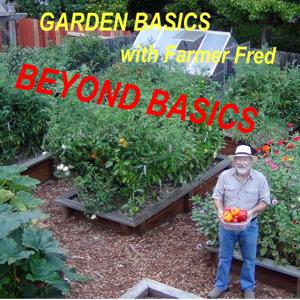

Some passersby or visitors might think you have a yard full of shiny coffins in your front or backyard.
OK, using large steel cattle watering troughs as gardening containers might not appeal to those who heed form and design before function. But that staple of rural areas for supplying water to horses, cattle, and sheep is also damn practical for the gardener looking to remain more upright while working with food and flower crops.
Opting for watering troughs as large garden containers also helps avoid vexing in-ground soil issues such as perpetually soggy clay soil, rocks, thin soil, as well as soil that might be rife with pests (hello, gophers!) and soil-borne diseases such as verticillium wilt, nematodes, fusarium and more. Besides, you can mute the “coffin comments” by prettying them up…with the right paint.
In today’s newsletter podcast, we talk with Sacramento County Master Gardener Gail Pothour about using steel watering troughs as large containers for food and flowers. Not only does she have them in her own yard, she and her fellow Master Gardeners at the vegetable section of the Fair Oaks Horticulture Center in Sacramento County, California are showing visitors their value for growing vegetables, annuals, and perennials.
Beyond the paywall in both the podcast and newsletter today, we discuss the benefits and drawbacks of using regular steel and galvanized steel as containers for edible crops. One of the big drawbacks to galvanized steel: the chances of zinc leaching into the soil and into the roots of your plants…and then into you. We will look at the available scientific literature (and there’s not much, really) that discusses the dangers of using a container made from galvanized steel.
Also, we will delve into the important topic of how to have easier drainage from containers to avoid standing water. And, from “The Road to Hell is Paved with Good Intentions” Department: what some gardeners do, thinking they are helping the water draining situation, when in reality, they may be creating more problems, causing water to collect in the containers, leading to possible root rot.
And, of course, paid subscribers get a transcript of the podcast, corrected by an actual human!
Paid subscribers are about to find out if their galvanized stock tanks serving as raised vegetable garden beds are slowly killing them. Don’t be left out!
 View all episodes
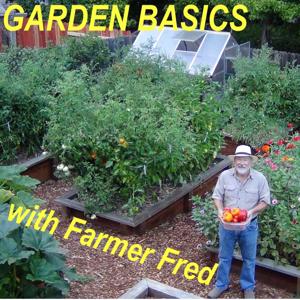
 By Farmer Fred
5
88 ratings
Some passersby or visitors might think you have a yard full of shiny coffins in your front or backyard.
OK, using large steel cattle watering troughs as gardening containers might not appeal to those who heed form and design before function. But that staple of rural areas for supplying water to horses, cattle, and sheep is also damn practical for the gardener looking to remain more upright while working with food and flower crops.
Opting for watering troughs as large garden containers also helps avoid vexing in-ground soil issues such as perpetually soggy clay soil, rocks, thin soil, as well as soil that might be rife with pests (hello, gophers!) and soil-borne diseases such as verticillium wilt, nematodes, fusarium and more. Besides, you can mute the “coffin comments” by prettying them up…with the right paint.
In today’s newsletter podcast, we talk with Sacramento County Master Gardener Gail Pothour about using steel watering troughs as large containers for food and flowers. Not only does she have them in her own yard, she and her fellow Master Gardeners at the vegetable section of the Fair Oaks Horticulture Center in Sacramento County, California are showing visitors their value for growing vegetables, annuals, and perennials.
Beyond the paywall in both the podcast and newsletter today, we discuss the benefits and drawbacks of using regular steel and galvanized steel as containers for edible crops. One of the big drawbacks to galvanized steel: the chances of zinc leaching into the soil and into the roots of your plants…and then into you. We will look at the available scientific literature (and there’s not much, really) that discusses the dangers of using a container made from galvanized steel.
Also, we will delve into the important topic of how to have easier drainage from containers to avoid standing water. And, from “The Road to Hell is Paved with Good Intentions” Department: what some gardeners do, thinking they are helping the water draining situation, when in reality, they may be creating more problems, causing water to collect in the containers, leading to possible root rot.
And, of course, paid subscribers get a transcript of the podcast, corrected by an actual human!
Paid subscribers are about to find out if their galvanized stock tanks serving as raised vegetable garden beds are slowly killing them. Don’t be left out!

43,528 Listeners

1,255 Listeners

104 Listeners

974 Listeners
267 Listeners
700 Listeners

3,014 Listeners
805 Listeners

1,578 Listeners

1,861 Listeners

401 Listeners
262 Listeners
302 Listeners

203 Listeners

634 Listeners