
Sign up to save your podcasts
Or

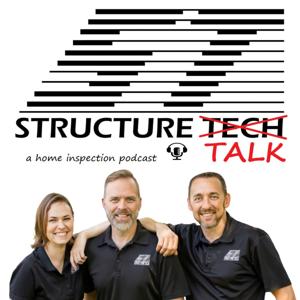


In this episode of the Structure Talk podcast, Reuben Saltzman and Tessa Murry welcome Michael Simpson, a geotechnical engineer, who shares insights into forensic engineering, the impact of water management on foundations, and the differences between serviceability and safety in structural integrity. The conversation emphasizes the need for proper assessment and management of foundation problems, particularly in residential settings. Michael discusses the complexities of foundation settlement and movement, highlighting the importance of understanding soil types and their impact on construction. He explains the phases of movement after construction, the significance of monitoring foundation issues over time, and the various tools and techniques used for assessment. They also cover common repair solutions, the need for tailored approaches in foundation repair, and the potential impact of neighboring construction on a home's foundation.
You can contact Michael through [email protected].
Takeaways
Tessa shares her hybrid living situation between Florida and Minnesota.
Reuben discusses the challenges of recording podcasts while traveling.
Michael explains the role of geotechnical engineers in assessing foundation issues.
Forensic engineering focuses on existing structures with damage to determine causes.
Water management is crucial in preventing foundation problems.
Trees can affect soil moisture and contribute to foundation issues.
Settlement is a normal process in homes, but monitoring is essential.
Homeowners should document cracks to assess movement over time.
Serviceability issues often arise from cosmetic cracks rather than structural failures.
Proper assessment can prevent unnecessary repairs and costs. Soil type significantly affects foundation settlement.
Settlement can occur immediately or over several years.
Monitoring foundation movement is crucial for accurate assessment.
Multiple readings over time provide better insights into movement.
Common repairs include piers, compaction grouting, and stem wall repairs.
Tailored solutions are necessary for effective foundation repair.
Neighboring construction can impact foundation stability.
Understanding soil maps can aid in assessing risks.
Regular maintenance can prevent costly repairs.
Communication with homeowners is key to managing concerns.
Chapters
00:00 Welcome Back and Life Updates
02:55 Introduction to Geotechnical Engineering
05:53 Understanding Forensic Engineering
08:55 Foundation Types and Issues
11:48 The Role of Water Management
15:06 Identifying Foundation Problems
17:50 Serviceability vs. Safety in Foundations
28:16 Understanding Soil Settlement and Movement
30:52 Identifying Extreme Foundation Issues
32:57 Monitoring Foundation Movement Over Time
34:18 Evaluating Foundation Damage and Repair Options
37:48 Tools and Techniques for Foundation Assessment
39:50 Common Foundation Repair Solutions
44:48 The Importance of Tailored Solutions in Foundation Repair
50:11 Addressing Neighboring Construction Concerns
Click this link to learn more about the Business Mastery Class for Solo Inspectors:
https://events.iebcoaching.com/BusinessMasteryforSoloInspectors25
In this episode, Reuben Saltzman and Tessa Murry welcome Philippe Heller, a seasoned San Diego home inspector. Philippe shares his journey from corporate life to running a successful home inspection business, emphasizing fire safety in California. They discuss new regulations on defensible space, fire-hardening features, retrofitting older homes, and the role of specialized fire protection companies. The conversation covers air quality concerns, evolving building codes, and fire-resistant materials. Philippe also highlights advanced fire protection systems, personal fire defense strategies, and opportunities for home inspectors to adapt and innovate.
Here’s the link to check Inspector Empire Builder: https://www.iebcoaching.com.
You can find Philippe at https://sdinspect.com.
Takeaways
Philippe Heller transitioned from a corporate job to home inspections.
The importance of fire safety regulations in California.
Defensible space is crucial for homes in fire-prone areas.
Home inspectors can provide valuable insights into fire safety.
Philippe's company became the largest home inspection firm in San Diego.
Insurance companies are starting to consider fire safety policies.
New building codes require fire-hardening features in homes.
Home inspectors need to adapt to changing regulations.
Philippe's journey reflects the entrepreneurial spirit.
The podcast emphasizes the importance of community and support in business.
Home fire hardening features are essential for safety.
Retrofitting older homes can significantly reduce fire risk.
Specialized companies offer valuable services for home protection.
Air quality is a major concern, especially during wildfire seasons.
Building codes have evolved in response to past fire disasters.
Fire-resistant materials are crucial for modern home construction.
Advanced fire protection systems can enhance home safety.
Personal fire defense strategies can be lifesaving during emergencies.
Home inspection services vary greatly by region and need.
There are numerous opportunities for home inspectors to innovate and expand
their services.
Chapters
02:05 Special Guest Introduction: Philippe Heller
04:40 Philippe's Journey into Home Inspections
12:50 Tanya's Role and Company Growth
14:40 Defensible Home Services and Fire Safety
19:10 California's Fire Safety Regulations
22:59 Fire Hardening Features in High-Risk Areas
25:06 Home Fire Hardening Features
26:12 Retrofitting Older Homes for Fire Safety
27:43 Specialized Companies for Home Protection
28:50 Air Quality and Ventilation Concerns
30:30 California's Strict Air Quality Regulations
31:52 Building Code Changes Post-Fires
32:59 Fire-Resistant Building Materials
34:36 Advanced Fire Protection Systems
36:55 Personal Fire Defense Strategies
39:25 Home Inspection Services and Pricing
41:54 Regional Differences in Home Inspections
43:49 Opportunities for Home Inspectors
Click this link to learn more about the Business Mastery Class for Solo Inspectors:
https://events.iebcoaching.com/BusinessMasteryforSoloInspectors25
In this episode, Reuben Saltzman and Tessa Murry discuss the challenges and experiences of home inspection with Miki Mertz, a pioneer female home inspector. They explore the unique advantages and challenges faced by women in the industry, the importance of communication skills, and the transition from teaching to home inspection. Miki shares her accidental journey into the profession, her business in Kansas City, and the lack of regulations in the home inspection industry. The conversation also touches on the significance of inspecting new constructions and the evolving standards set by insurance companies. They also discuss the intricacies of home inspections, focusing on the importance of understanding building codes, the challenges of new construction quality, and the implications of mold and indoor air quality on health. They emphasize the need for home inspectors to educate clients about potential issues and the importance of viewing a house as a system. The discussion also touches on the competitive housing market and the challenges faced by first-time home buyers, as well as advice for aspiring home inspectors.
Here’s the link to check Inspector Empire Builder: https://www.iebcoaching.com.
You can find Miki at https://www.completehomeinspectionkc.com.
Takeaways
Miki Mertz has been a home inspector for over 30 years.
Women in home inspection still represent a small percentage of the industry.
Communication skills are crucial for home inspectors to convey information effectively.
Miki transitioned from being a high school band director to a home inspector.
Miki's entry into home inspection was largely accidental.
Complete Home Inspection is Miki's business, which is located in Kansas City.
There are no regulations for home inspectors in Missouri or Kansas.
New constructions should still be inspected despite city regulations.
Miki enjoys inspecting mid-century homes due to their unique characteristics. Home inspectors should educate clients on the condition of their homes.
Understanding building codes is crucial for effective inspections.
Mold issues often stem from underlying water problems.
Indoor air quality is a significant concern for homeowners.
Crawl spaces can greatly impact a home's overall health.
New construction quality can vary significantly between builders.
Home inspectors must navigate the competitive housing market carefully.
First-time home buyers often face unexpected repair costs.
Continuous education is vital for home inspectors.
Viewing a house as a system is essential for effective inspections.
Chapters
01:01 Introduction to Home Inspection and Guest
02:25 Miki Mertz: A Pioneer in Home Inspection
03:52 Challenges and Advantages of Being a Female Inspector
06:49 The Importance of Communication in Home Inspections
09:39 Transition from Teaching to Home Inspection
12:57 Accidental Career Path into Home Inspection
14:41 Miki's Business and Location
15:40 Regulations and Challenges in Home Inspection
19:01 The Importance of Inspecting New Construction
24:06 Insurance Requirements and Home Inspection Standards
27:03 Understanding Home Inspections and Insurance
28:42 The Importance of Building Codes
30:09 Discrepancies in New Construction Quality
32:10 Mold and Indoor Air Quality Concerns
39:21 Health Impacts of Home Environment
43:05 Crawl Spaces and Building Science
51:01 Navigating the Competitive Housing Market
52:30 Advice for Future Home Inspector
In this episode of the Structure Talk podcast, hosts Reuben Saltzman and Tessa Murray interview Mark Cramer, a seasoned home inspector from Florida. They discuss Mark's journey into home inspections, the evolution of training in the field, and the challenges modern inspectors face. They also cover regional differences in home construction, particularly in Tampa, and the impact of insurance inspections on the home inspection process. This conversation delves into the complexities and challenges of home inspections, discussing the ethical dilemmas faced by inspectors, the future of the industry, and common issues found in various types of homes. They emphasize the importance of thorough inspections, the impact of construction defects, and the significance of air quality and HVAC systems in maintaining a healthy living environment. They also share insights on client interactions and the necessity for home buyers to be informed and savvy in their choices. They also discuss various challenges related to insulation, humidity control, and air conditioning systems in modern homes. They delve into the issues with mini-split systems, the management of moisture in concrete block homes, and the implications of the ASHI standards on the home inspection industry. They highlight the importance of understanding building science to address these challenges effectively.
Check this link to learn more about Inspector Empire Builder:
https://www.iebcoaching.com.
You can find Mark at https://besttampainspector.com.
Takeaways
Mark Cramer began his career in home inspections in the late 80s after working in renovations.
The evolution of home inspection training has significantly changed with technology.
Modern home inspectors face challenges due to the vast amount of information they need to know.
Regional differences in home construction can greatly affect inspection practices.
Insurance inspections can complicate the inspectors' home-buying process.
Learning is a continuous process for home inspectors to stay relevant.
The type of housing stock in Tampa includes a variety of construction styles and materials.
Stucco on wood frame homes often leads to water intrusion issues.
Mark emphasizes the importance of understanding the history of homes to predict potential problems.
The insurance landscape has changed, impacting the types of homes and materials seen in inspections. There is a significant amount of fraud in home inspections.
Many inspectors provide clean reports without thorough checks.
Good real estate agents will always refer to ethical inspectors.
Older homes often have more structural issues and mold problems.
Crawl spaces are a common source of indoor air quality issues.
Improperly installed HVAC systems can lead to serious air quality problems.
Home buyers need to be educated about potential issues in homes.
Mold is prevalent in humid climates, especially in crawl spaces.
Inspectors often face challenges with clients who are not handy.
The construction industry is slowly improving its practices. Insulation thickness is often inadequate in many homes.
Humidity control is crucial to prevent mold growth.
Air conditioning systems can effectively manage humidity if sized correctly.
Mini-split systems can be oversized, leading to humidity issues.
Concrete block homes require careful moisture management to avoid mold.
The ASHI standards are under scrutiny for clarity and relevance.
Home inspectors must focus on significant defects rather than checklists.
Building science knowledge is essential for effective home inspections.
Energy efficiency in homes can complicate humidity control.
Proper installation of insulation is vital for performance.
In this episode of the Structure Talk podcast, Reuben Saltzman and Tessa Murry welcome Charles Buell, a veteran in the home inspection community. They discuss Charles's journey into home inspection, the importance of accurate information in the industry, and the unique challenges posed by the marine climate in Seattle. The conversation delves into the impact of night sky radiation on homes, common issues found in attics, and the evolution of HVAC systems. Charles shares his insights on building science and the necessity for home inspectors to stay informed and educated. In this conversation, He shares his extensive experience building energy-efficient homes, discussing the evolution of construction techniques over the decades. He emphasizes the importance of using common materials to create affordable, energy-efficient homes and reflects on his innovative building methods from the 1970s. The discussion also covers the significance of proper ventilation systems, the impact of regional climates on building practices, and the challenges faced in modern construction, particularly regarding installation errors and the need for skilled labor.
Check this link to learn more about Inspector Empire Builder: https://www.iebcoaching.com.
You can find Charles at www.buellinspections.com, and he can be contacted through [email protected].
Takeaways
Charles Buell has been a significant figure in the home inspection community for nearly 20 years.
Accurate information is crucial in the home inspection industry to combat misinformation.
The marine climate presents unique challenges for home inspectors, particularly regarding humidity and condensation.
Night sky radiation can significantly affect roof temperatures and lead to condensation issues in attics.
Home inspectors must understand the science behind air leakage and its effects on homes.
Ventilation alone is not a solution for moisture issues in attics; the source of moisture must be addressed.
Super-insulated homes can benefit from mini-split systems, but older homes may struggle with efficiency.
Ductwork should ideally be located within the conditioned space to improve heating efficiency.
Home inspectors need to be proactive in educating themselves and others about building science.
The importance of community and collaboration among home inspectors is vital for professional growth. Charles Buell has been building energy-efficient homes since the 1970s.
He emphasizes the use of common materials for affordability.
Buell's homes featured advanced insulation techniques for their time.
Proper ventilation is crucial in energy-efficient homes.
Regional climate significantly influences building practices.
Many modern construction issues stem from improper installation.
Buell advocates for controlling indoor air quality and ventilation.
He believes houses should not require air conditioning if built correctly.
The importance of skilled labor in construction cannot be overstated.
Buell's innovative techniques have stood the test of time.
Chapters
00:00 Introduction and Guest Introduction
08:01 Charles Buell's Journey to Home Inspection
12:18 The Importance of Accurate Information in Home Inspection
14:56 Understanding Marine Climate and Its Challenges
27:30 Night Sky Radiation and Its Impact on Homes
30:02 Common Issues in Attics and HVAC Systems
34:21 The Evolution of Energy-Efficient Homes
43:20 Building Techniques and Innovations
55:34 Ventilation and Indoor Air Quality
57:11 Regional Differences in Building Practices
In this episode, Reuben Saltzman and Tessa Murry welcome Bryan Standley from Inspect KC to discuss the unique challenges of home inspections in Kansas City. They explore Bryan's journey into the field, the lack of state licensing and building codes, and the implications for home inspectors and buyers. The conversation delves into typical housing stock, moisture management, and the importance of understanding building science in a mixed humid climate. They also touch on heating and cooling systems, indoor air quality concerns, and the significance of radon testing in the area. They discuss various aspects of home inspections, including licensing requirements, the prevalence of mold and sewer inspections, the impact of climate change on home inspection practices, and the evolving demands from insurance companies. They also explore the importance of social media in growing a home inspection business, the tools used for inspections, and the quality of new constructions. The discussion highlights the need for home inspectors to adapt to changing market conditions and client expectations.
You can find Bryan at https://inspectkc.com/ and https://www.instagram.com/bryanstandley/
Takeaways
Bryan's journey into home inspections began with a background in construction.
Kansas City has no state contractor licensing or building codes, leading to varied practices.
Home inspectors must focus on building performance rather than code compliance.
Understanding building science is crucial for effective home inspections.
Moisture management is a significant concern in Kansas City's mixed humid climate.
Most homes in Kansas City have basements, with wood framing being common.
Indoor air quality issues, including mold and radon, are prevalent in the area.
Home inspectors often subcontract radon testing to specialists.
The lack of consistent building practices makes inspections challenging.
Homeowners should prioritize hiring knowledgeable home inspectors. Licensing for radon testing varies by state.
Mold inspections are not commonly requested by clients.
Sewer scopes are highly adopted in home inspections.
Homeowners are responsible for sewer lines to the tap.
Insurance companies are increasingly requiring home inspections.
Kansas City is a prime location for real estate investment.
Pricing for investor inspections is typically lower than standard inspections.
Social media presence can significantly boost business.
Infrared cameras are essential tools for inspections.
Quality control in new constructions is often lacking.
Chapters
00:00 Introduction and Guest Introduction
03:03 Bryan's Journey into Home Inspections
06:11 The Unique Challenges of Kansas City Inspections
09:00 Understanding Local Building Codes and Regulations
12:00 Typical Housing Stock and Construction Practices
15:02 Moisture Management and Building Science
18:00 Heating, Cooling, and Indoor Air Quality Concerns
30:11 Licensing and Regulations in Home Inspections
31:12 Mold and Sewer Inspections: Trends and Insights
33:01 Impact of Climate Change on Home Inspections
35:38 Navigating Insurance Requirements for Home Inspections
36:47 Investor Inspections: Understanding the Market
40:07 Pricing Strategies in Home Inspections
41:12 Leveraging Social Media for Business Growth
48:36 Tools and Techniques for Effective Inspections
52:03 Quality Control in New Constructions
54:14 Final Thoughts and Resources
In this episode of the Structure Talk podcast, hosts Reuben Saltzman and Tessa Murry welcome Will Misegades from Redfish Inspections in Houston, Texas. They discuss the unique challenges of home inspections in hot and humid climates, the merger of Redfish Inspections with Magnolia Home Inspections, and the importance of a strong leadership structure in running a successful inspection business. Will shares insights from his diverse background in construction management and the evolution of his company, including the impact of local housing stock and insurance challenges on home inspections. They highlight the prevalence of asphalt shingles in Houston, the issues with stucco, and the implications of HVAC systems in attics. The conversation emphasizes the importance of understanding moisture dynamics in different climates and how it affects building durability. In this conversation, Will Misegades also explains the unique foundation care required in Texas due to clay soil and the common plumbing materials used in the area. The conversation emphasizes the critical role of home inspections in identifying potential issues before they escalate.
Takeaways
The importance of networking in the home inspection industry.
A scarcity mindset can hinder growth and collaboration.
Merging businesses can lead to new opportunities and growth.
Leadership teams can effectively run a business without owner involvement.
Understanding local housing stock is crucial for effective inspections.
Insurance challenges are becoming more prevalent in older homes.
The quality of building materials significantly affects longevity.
Hot and humid climates present unique challenges for home inspectors.
Collaboration and open communication are key in business partnerships.
The inspection industry can benefit from a board of directors model. 90-95% of residential roofs in Houston are asphalt shingles.
Insurance policies often undervalue roof replacements.
The housing industry lacks incentives for quality materials.
Stucco is problematic in humid climates like Houston.
Crawl spaces are less common; slab foundations are prevalent.
HVAC systems are primarily located in attics in Houston.
Moisture management is crucial in southern climates.
Mold can develop quickly if moisture issues are not addressed.
Open-cell spray foam is preferred for insulation in humid areas.
Home inspectors should always check for hidden leaks in closets. Mold issues are prevalent in new neighborhoods due to HVAC inadequacies.
Texas homes often require unique foundation care due to clay soil.
Homeowners should water their foundations during dry seasons.
Proper air exchange systems are becoming necessary for new construction.
HVAC systems must be sized correctly to manage humidity levels.
Plumbing issues with PEX are not common in Texas.
Home inspections are crucial for identifying potential problems early.
Insurance companies are starting to reject older roofs.
Energy efficiency improvements can lead to new HVAC challenges.
Understanding the age and type of roofing can impact insurance coverage.
Chapters
00:00 Introduction and Holiday Reflections
02:04 Meet Will Misegades: Background and Journey
07:16 The Merger of Redfish Inspections and Magnolia Home Inspections
10:24 Business Operations and Leadership Structure
12:12 Typical Housing Stock in Houston
17:51 Insurance Challenges and Building Quality
19:47 Roofing Materials and Their Lifespan
22:43 Siding Choices and Their Implications
25:05 Crawl Spaces vs. Slab Foundations
27:16 Attic Conditions and HVAC Systems
32:32 Moisture Management in Construction
38:31 The HVAC Dilemma: Mold and Air Quality Issues
47:21 Foundation Challenges in Texas Homes
50:30 Plumbing Concerns: PEX and Other Issues
51:29 HVAC Systems: Heating and Cooling Solutions
54:23 The Importance of Home Inspections
In this episode of the Structure Talk podcast, hosts Reuben Saltzman and Tessa Murry welcome back Mike Casey to discuss the unique challenges and building practices in hot and dry climates, particularly in Southern California. The conversation covers various topics including housing stock, building science issues, post-tension slabs, plumbing materials, cooling systems, and the impact of fire safety regulations on home inspections. Mike shares his extensive experience in home inspection and offers insights into the importance of proper ventilation, insulation, and the evolving requirements for energy efficiency in new construction. The episode concludes with a discussion of the challenges insurance companies pose in the wake of increasing natural disasters.
Takeaways
Mike Casey has extensive experience in home inspection.
Post-tension slabs are used to prevent cracking in expansive soils.
PEX plumbing is becoming more common in new constructions.
Cooling performance is a top priority in hot climates.
California has strict energy efficiency requirements under Title 24.
Ventilation systems are designed to pull in outside air.
Fire safety measures are increasingly important in California.
Insurance rates have tripled in recent years due to fire risks.
Duct leakage testing is required for new constructions.
Proper insulation is crucial to prevent heat gain in attics.
Chapters
00:00 Winter Weather in Minnesota
02:14 Introduction to Hot and Dry Climates
05:19 Mike Casey's Background and Expertise
07:16 Post-Tension Slabs Explained
11:20 Plumbing Systems in Hot Climates
17:19 Building Materials and Construction Practices
20:46 Vapor Barriers and Moisture Management
23:09 Inspecting Cooling Systems: Best Practices
32:07 The Shift Towards Electrification in California
36:02 Ventilation Systems and Air Quality Concerns
42:10 California's Energy Efficiency Standards and Compliance
43:55 Navigating Title 24 Compliance
45:01 Attic Insulation and Ductwork Challenges
48:20 Condensation Issues in Ductwork
49:20 Common Inspection Problems in California Homes
52:41 Impact of Insurance on Home Inspections
In this episode of the Structure Talk podcast, hosts Reuben Saltzman and Tessa Murry joined with RK Bob Brown, an expert in foundation repair, who shares insights from his extensive experience in the industry. He discusses the common pitfalls homeowners face when dealing with foundation issues, the importance of hiring qualified professionals, and the need for a thorough foundation investigation. Brown emphasizes the role of geotechnical engineers in accurately assessing foundation problems and introduces innovative solutions that can reduce costs for homeowners. The discussion also highlights the growing influence of private equity in the foundation repair market and the implications for consumers. In this conversation, the speakers delve into the complexities of foundation repair, discussing the costs associated with various methods, innovative solutions for common issues, and the importance of professional guidance in making informed decisions. They highlight key indicators for determining when repairs are necessary and address the challenges faced by the foundation repair industry, emphasizing the need for better education and training for professionals in the field.
Check this link for RK Bob Brown’s website:
https://foundationrepairsecrets.com/
Takeaways
Foundation repair often involves commissioned salespeople, not engineers.
Many foundation repair companies lack proper qualifications.
Geotechnical engineers are essential for accurate assessments.
Homeowners should be cautious of high-pressure sales tactics.
Monitoring foundation issues can often prevent costly repairs.
Private equity is consolidating the foundation repair industry.
A thorough foundation investigation involves multiple steps.
Innovative technology can reduce the cost of evaluations.
Understanding soil types is crucial for foundation stability.
Home inspectors should be trained in foundation evaluations. Foundation repair costs can vary significantly based on the method used.
Homeowners should seek multiple opinions to ensure accurate assessments.
Forensic engineers can provide valuable insights into foundation issues.
Tilt and deflection are critical measurements for assessing foundation integrity.
Proper drainage is essential for preventing foundation problems.
Innovative systems can address unique foundation challenges like heaving slabs.
Education and training are crucial for foundation repair specialists.
Lifetime warranties from contractors may not always be reliable.
A directory of trusted professionals can aid homeowners in finding help.
Continuous monitoring of foundation conditions can prevent costly repairs.
Chapters
00:00 Introduction to Foundation Repair Secrets
02:51 The Dirty Secrets of the Foundation Repair Industry
05:58 Understanding Foundation Investigations
08:51 The Role of Geotechnical Engineers
11:55 Innovations in Foundation Evaluation
15:00 Cost Considerations in Foundation Repair
18:54 Understanding Foundation Repair Costs
21:58 Innovative Solutions for Foundation Issues
25:03 Key Indicators for Foundation Repairs
27:56 The Importance of Professional Guidance
31:00 Challenges in the Foundation Repair Industry
33:53 Future Directions in Foundation Repair Education
In this episode of the Structure Talk podcast, hosts Reuben Saltzman and Tessa Murry discuss personal health changes related to diet and cholesterol management, followed by a deep dive into water heater maintenance, specifically focusing on the importance of anode rods. They share personal experiences and insights on the effectiveness of powered anode rods and their impact on water heater longevity. The conversation wraps up with Tessa discussing her upcoming home diagnostics work related to ice dams and moisture issues in attics.
Check this link to learn more about Inspector Empire Builder:
https://www.iebcoaching.com
Takeaways
Reuben successfully cut his cholesterol in half by changing his diet.
Tessa is looking to make dietary changes to manage her cholesterol levels.
The China Study book had a transformative impact on Reuben's health choices.
Replacing the anode rod in a water heater is crucial for maintenance.
Powered anode rods can prevent corrosion without needing replacement.
Reuben's experience with a new impact wrench made replacing the anode rod easier.
Tessa is investigating moisture issues in a client's attic after a new metal roof installation.
Proper ventilation is key to preventing condensation in attics.
The hosts emphasize the importance of community and sharing knowledge in home inspection.
Listeners are encouraged to share their experiences with anode rods.
Chapters
00:00 Health and Diet Changes
03:03 Water Heater Maintenance and Innovations
06:04 The Impact of Anode Rods
09:04 Home Diagnostics and Ice Dams
From the publisher's feed
Structure Talk is a podcast about houses, home maintenance, home ownership, buying and selling houses, and of course, home inspections.
The show is hosted by Reuben Saltzman at
Our podcast is sponsored by Inspector Empire Builder.
Email us at [email protected]

16,689 Listeners

4,380 Listeners

32,776 Listeners

33,477 Listeners

46 Listeners

52 Listeners

2,647 Listeners
230 Listeners
380 Listeners

888 Listeners

9 Listeners

12 Listeners

33 Listeners

12 Listeners

3 Listeners