
Sign up to save your podcasts
Or

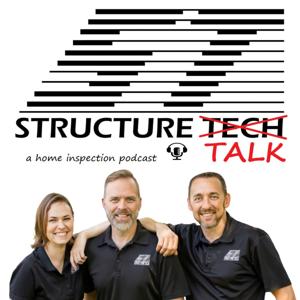


In this episode of Structure Talk, Reuben Saltzman and Tessa Murry welcome Jake McAlpine from the Energy Conservatory. They discuss Jake's journey from the music industry to building science, the importance of energy efficiency, and the role of the Energy Conservatory in advancing building standards. The conversation delves into the significance of blower doors in measuring air leakage, the evolution of energy efficiency standards, and innovative building designs that prioritize airtightness. Jake shares insights on how the industry is moving towards more sustainable practices and the challenges and opportunities that lie ahead. In this conversation, Tessa Murry, Jake McAlpine, and Reuben Saltzman discuss the intricate relationships between various building systems, the evolution of HVAC technology, and the importance of training for technicians. They explore the advancements in heat pump technology, the need for energy efficiency in homes, and the role of diagnostic tools in improving HVAC performance. The discussion emphasizes a holistic approach to building science and the future of energy-efficient homes, highlighting the initiatives of the Energy Conservatory in training and innovation.
Takeaways
Jake transitioned from the music industry to building science for a more meaningful career.
The Energy Conservatory is known for the Minneapolis blower door system.
Gary Nelson, founder of the Energy Conservatory, invented the blower door.
Energy efficiency standards are evolving to require tighter building envelopes.
Innovative designs can lead to highly efficient buildings, even in larger structures.
Understanding building science is crucial for preventing unintended consequences in construction.
The blower door test measures air leakage in buildings, essential for energy efficiency.
Building codes are becoming stricter regarding air leakage limits.
The industry is moving towards centralized systems for better efficiency.
Sustainable building practices are becoming more mainstream and necessary.
Everything in a house is interconnected.
Innovative diagnostic tools are transforming HVAC practices.
Heat pumps are becoming more viable in cold climates.
Training for HVAC technicians is crucial for industry advancement.
Energy efficiency should be prioritized in home upgrades.
Holistic approaches are essential for effective energy management.
The Energy Conservatory is leading in training and innovation.
Understanding building science is key for contractors.
Homeowners are increasingly interested in energy-efficient solutions.
The future of building science looks promising with new technologies.
Chapters
00:00 Introduction and Background
03:04 Jake's Journey into Building Science
06:08 The Energy Conservatory: Mission and Impact
09:09 Understanding Blower Doors and Their Importance
11:49 The Evolution of Energy Efficiency Standards
14:52 Innovations in Building Design and Testing
19:28 The Interconnectedness of Building Systems
21:13 Innovations in Diagnostic Tools for HVAC
23:35 The Future of Heat Pumps in Cold Climates
26:29 Transitioning from Gas Furnaces to Heat Pumps
28:20 Training the Next Generation of HVAC Technicians
30:50 The Role of Energy Efficiency in Modern Homes
32:51 Holistic Approaches to Home Energy Management
36:23 The Energy Conservatory's Training Initiatives
38:13 The Future of Building Science and Home Efficiency
In this episode, Reuben Saltzman and Tessa Murry discuss the recent changes to the ASHI standards of practice for home inspectors with guest Jim Katen. They explore the implications of these changes, the necessity for updates, and the potential impact on home inspection reports and client service. The conversation emphasizes the importance of providing valuable information to clients while navigating the complexities of new requirements.
If you’re a member of ASHI, please take the time to read through the changes, found at https://www.homeinspector.org/Resources/Standard-of-Practice. This stuff affects you. If you don’t agree with the changes, speak up by sending an email to [email protected]. The period for public comment ends on December 10th. Thank you.
Check this link to learn more about Inspector Empire Builder: https://www.iebcoaching.com
Takeaways
Home inspectors must follow state standards or choose a recognized standard like ASHI.
The ASHI standards have not been updated in nearly a decade, necessitating a refresh.
New standards require more detailed descriptions of home components, which may not be relevant to clients.
Many clients do not care about the specifics of materials used in their homes.
The focus should be on improving the homebuying experience, not just protecting inspectors.
The changes to the standards may lead to longer, more cumbersome reports.
Home inspectors should voice their opinions on the new standards before the comment period ends.
The standards committee should prioritize the needs of homebuyers over legal protections for inspectors.
Clear and concise reports are essential for effective communication with clients.
Home inspectors are encouraged to engage with the ASHI standards committee to influence future changes.
Chapters
00:00 Introduction to Home Inspection Standards
04:29 The Need for Updated Standards
11:54 Evaluating the Changes in Standards
17:11 The Purpose of Home Inspection Standards
21:07 Call to Action for Home Inspectors
In this episode, Reuben Saltzman and Tessa Murry discuss the nuances of home inspections, focusing on the balance between technical reporting and addressing homeowner concerns. They explore the evolution of infrared technology, the importance of understanding client needs, and the standards for reporting issues during inspections. The conversation emphasizes the significance of communication and the need for inspectors to listen to their clients to ensure a satisfactory experience. In this conversation, Tessa Murry and Reuben Saltzman discuss the complexities of home inspections, focusing on the balance between thorough reporting and effective communication with clients. They share personal experiences that highlight the challenges inspectors face when identifying and reporting issues, particularly electrical problems and structural concerns. The discussion emphasizes the importance of context in inspections, the need for clear communication with clients, and best practices for reporting findings to ensure that clients understand the significance of the issues identified.
The blog posts discussed in this episode can be found by clicking on the links below:
Thermal Master P2: An awesome infrared camera for $179 (for a limited time) https://structuretech.com/thermal-master-p2/
Decks attached through brick veneer:
https://structuretech.com/decks-attached-through-brick-veneer/
Vermiculite insulation:
https://structuretech.com/new-information-vermiculite-attic-insulation/
Takeaways
The importance of effective communication with clients.
Home inspectors should reach out to clients before inspections.
Technology in home inspection has significantly advanced.
Homeowners often have unique concerns that need addressing.
Documentation of client concerns is crucial for satisfaction.
Understanding the context of a homeowner's worries is key.
Reporting standards can vary based on client needs.
Infrared cameras have become more accessible and effective.
Home inspectors must balance technical knowledge with customer service.
Listening to clients can prevent complaints and enhance experiences. Home inspectors must balance thoroughness with practicality in reporting.
Understanding electrical issues is crucial for home safety.
Context is key when evaluating home inspection findings.
Clear communication with clients can alleviate anxiety about reported issues
Not all reported issues require immediate action or concern.
Choosing battles wisely can maintain professional relationships.
Providing solutions or directions for repairs enhances client trust.
Experience helps inspectors discern what to report and what to omit.
Home inspection reports should focus on significant issues to avoid overwhelming clients.
Continuous learning and sharing of knowledge within the industry is vital.
Chapters
00:00 Introduction and Overview of the Podcast
07:28 The Evolution of Infrared Technology
11:50 Understanding Homeowner Concerns
15:45 Reporting Standards in Home Inspections
17:34 Reflections on Experience and Learning
20:01 Understanding Electrical Issues in Home Inspections
23:52 The Balance of Reporting and Client Communication
28:41 Contextualizing Home Inspection Findings
34:08 Best Practices for Home Inspection Reporting
In this conversation, Reuben Saltzman and Tessa Murry discuss the importance of proper HVAC sizing and the upcoming refrigerant changes that will affect the industry. They are joined by Robin Johnson from High Road Heating and Air, who shares insights on the significance of manual J calculations for HVAC systems, the transition to new refrigerants due to environmental concerns, and the challenges of older HVAC systems. The discussion also touches on advancements in HVAC efficiency and the future of heating and cooling technology. In this conversation, Robin Johnson discusses the evolving landscape of home heating systems, focusing on the transition from traditional gas furnaces to high-efficiency options and heat pumps. She highlights the importance of understanding upcoming regulations, the rising costs of new systems, and the necessity of regular maintenance to ensure longevity. Additionally, Robin emphasizes the growing role of women in the HVAC industry and the need for more female representation in technical roles.
Takeaways
Proper HVAC sizing is crucial for efficiency and comfort.
Manual J calculations ensure the right equipment size for homes.
Upcoming refrigerant changes aim to reduce environmental impact.
New refrigerants will be less forgiving and more costly to repair.
The HVAC industry is moving towards higher efficiency standards.
Older systems may face challenges in finding replacement parts.
The transition to new refrigerants will happen gradually.
Homeowners should be aware of the implications of refrigerant changes.
Advancements in technology are leading to shorter lifespans for appliances.
Legislation may affect rebates for high-efficiency HVAC systems. Electric heating requires backup sources for efficiency.
High-efficiency furnaces are becoming mandatory.
Future mandates may eliminate low-efficiency options.
Heat pumps are gaining popularity for home heating.
Costs for new heating systems are significantly increasing.
Regular maintenance is crucial for system longevity.
Investing in efficient systems can save money long-term.
Women are increasingly entering the HVAC industry.
The HVAC industry is constantly evolving with new technologies.
Educating homeowners on costs and options is essential.
Chapters
00:00 Introduction and Guest Introduction
03:11 The Importance of Proper HVAC Sizing
05:59 Upcoming Changes in HVAC Refrigerants
09:10 Understanding Refrigerant Changes and Their Impact
12:00 Future of Refrigerants and Environmental Considerations
14:57 Challenges with Older HVAC Systems
17:48 Advancements in HVAC Efficiency
22:10 The Future of Home Heating Systems
23:00 Transitioning to High-Efficiency Furnaces
25:04 Navigating Mandates and Regulations
28:04 The Rise of Heat Pumps
30:07 Cost Implications of New Systems
33:21 Maintenance and Longevity of Heating Systems
36:15 Investing in Heating Solutions
40:08 Women in the HVAC Industry
In this episode, Reuben Saltzman and Tessa Murray discuss the growing trend of four-point inspections in Minnesota with guests Eric Houseman and John Bolton. They explore the history and origin of four-point inspections, particularly in Florida, and the challenges homeowners face in securing insurance. The conversation delves into the implications of these inspections on home buying and selling, the differences between four-point inspections and traditional home inspections, and the importance of educating consumers about the inspection process. The episode concludes with insights on navigating the evolving landscape of home inspections and insurance requirements.
Takeaways
Four-point inspections are becoming more common in Minnesota.
The history of four-point inspections dates back to Hurricane Andrew in 1992.
Insurance companies in Florida are increasingly selective about coverage.
Homeowners face significant challenges in obtaining insurance due to inspection results.
Four-point inspections focus on plumbing, electrical, HVAC, and roofing systems.
There is a growing trend of using four-point inspections as a substitute for full home inspections.
Consumer education is crucial to avoid misconceptions about inspection reports.
The insurance landscape is changing, making it harder for older homes to get coverage.
Home inspectors must navigate pressure from agents and consumers regarding inspection results.
The future of home inspections may involve more detailed requirements from insurance companies.
Chapters
00:00 Introduction to the Show and Guests
02:08 The Rise of Four-Point Inspections in Minnesota
08:44 History and Origin of Four-Point Inspections
11:41 Insurance Challenges in Florida
16:12 The Impact of Four-Point Inspections on Home Insurance
22:20 The Future of Home Inspections and Insurance
29:11 Comparing Four-Point Inspections to Traditional Home Inspections
37:27 Consumer Education and Misconceptions
46:19 Navigating the Challenges of Inspections and Insurance
55:20 Conclusion and Final Thoughts
In this episode of Structure Talk, Reuben Saltzman and Tessa Murray discuss the impact of natural disasters on communities, particularly in light of recent storms. They are joined by Tim Hammack, co-owner of Paul Bunyan Plumbing, who focused on water heater maintenance. The discussion covers personal experiences with water heaters, the importance of anode rods, the role of water quality in the longevity of water heaters, and common maintenance practices. Tim also provides insights into water quality solutions for homeowners, emphasizing the need for regular maintenance and testing to ensure the health and efficiency of water systems. In this conversation, the hosts and their guests delve into the intricacies of water heater maintenance, discussing the importance of anode rods, the impact of water quality on plumbing systems, and the necessity of professional maintenance plans. They explore the differences between impact drivers and wrenches, the average lifespan of water heaters, and the potential issues with various plumbing materials. The discussion emphasizes the value of regular maintenance to extend the life of water heaters and prevent costly repairs.
Check this link for Tim Hammack's company:
https://paulbunyanplumbing.com/
Takeaways
Natural disasters can have a profound impact on communities.
Water heater maintenance is crucial for longevity and efficiency.
Anode rods protect water heaters from corrosion and should be inspected regularly.
Many homeowners need to be made aware of the maintenance required for their water heaters.
Water quality significantly affects the lifespan of water heaters.
Regular maintenance can prevent costly replacements of water heaters.
Homeowners should consider water testing to understand their water quality.
A whole-house carbon filter can improve water quality by removing chlorine and chloramines.
Investing in a powered anode rod can reduce maintenance needs.
Understanding the local water quality can help homeowners make informed decisions about their plumbing systems. An impact driver is different from an impact wrench.
Regular maintenance can significantly extend the lifespan of water heaters.
Water quality plays a crucial role in the longevity of plumbing systems.
Anode rods should be checked regularly to prevent tank corrosion.
Homeowners should consider professional maintenance plans for their water heaters.
Sediment buildup in water heaters can lead to inefficiency and damage.
Different plumbing materials react differently to water quality.
Electrical current can affect the lifespan of metal pipes.
Disaster pans can help mitigate water damage from leaks.
Investing in maintenance can save homeowners money in the long run.
Chapters
00:00 Impact of Natural Disasters on Communities
01:54 Introduction to Water Heater Maintenance
03:06 Personal Experiences with Water Heaters
08:03 Understanding Anode Rods and Their Importance
11:51 The Role of Water Quality in Water Heater Longevity
18:11 Common Maintenance Practices for Water Heaters
25:26 Water Quality Solutions for Homeowners
33:35 Understanding Impact Drivers vs. Wrenches
34:55 Anode Rod Maintenance and Lifespan
38:54 Water Quality and Its Impact on Plumbing
In this episode of Structure Talk, hosts Reuben Saltzman and Tessa Murry welcome Tim Hammack from Paul Bunyan Plumbing to discuss the plumbing industry, focusing on tankless water heaters. Tim shares his journey into plumbing, the benefits of tankless systems, and the importance of proper installation and maintenance. The conversation also touches on water quality, common misconceptions about tankless water heaters, and the future of water heating technology. Tim emphasizes the need for education in the plumbing field and encourages young people to consider a trade career.
Check this link for Tim Hammack's company:
https://paulbunyanplumbing.com/
Takeaways
Tim Hammack shares his journey into plumbing, starting from a chance encounter at a car wash.
Tankless water heaters offer unlimited hot water and can save installation time.
Proper installation and maintenance are crucial for the longevity of tankless water heaters.
Homeowners should ask plumbers about their experience with tankless systems before hiring.
The importance of water quality and regular maintenance for both tank and tankless water heaters.
Tankless systems can be more efficient but require proper gas supply and venting.
Education is key in the plumbing industry to ensure quality service and installations.
The lifespan of a well-maintained tankless water heater can be up to 25 years.
Homeowners should consider the flow rate and temperature when choosing a tankless system.
Tim encourages young people to explore careers in trades as many professionals are retiring.
Chapters
00:00 Welcome and Introduction
02:59 Tim's Journey into Plumbing
05:47 Tankless Water Heaters: Innovations and Benefits
08:55 Choosing the Right Plumber for Tankless Installations
11:54 Debunking Myths about Tankless Water Heaters
15:03 Understanding Water Quality and Maintenance
18:00 The Importance of Proper Installation
21:05 Addressing Common Concerns with Tankless Systems
23:54 The Future of Water Heating Technology
27:03 Final Thoughts and Future Topics
In this episode of the Structure Talk podcast, the hosts welcome special guest Mike Casey, an experienced home inspector and educator. The conversation focuses on the topics of grounding and bonding in electrical systems. Mike explains that grounding connects the system to the Earth, maintaining a reference of 120 volts to the ground and providing a path for current to flow in the event of a lightning strike or other overvoltage occurrences. Bonding, on the other hand, connects metal components together that have the potential to be energized, ensuring that current has a path back to the source and preventing people from being in the path of a potential circuit. The hosts and Mike discuss the importance of proper bonding and grounding in various systems, such as pools, CSST, and detached buildings. They also address the changes in electrical code regarding bonding and grounding requirements. In this conversation, Reuben Saltzman and Mike Casey discuss the importance of bonding in electrical systems. They cover topics such as bonding gas piping, water distribution piping, and metal ductwork. They also touch on the bonding of metal siding and soffits. Mike emphasizes the need for proper bonding to ensure safety and prevent potential hazards. They also discuss the role of grounding electrode systems and the importance of understanding electrical theory. Mike recommends consulting an electrician or a knowledgeable home inspector for proper grounding and bonding inspections.
Takeaways
Grounding connects the electrical system to the Earth, maintaining a reference of 120 volts to the ground and providing a path for current in the event of overvoltage occurrences.
Bonding connects metal components together that have the potential to be energized, ensuring that current has a path back to the source and preventing people from being in the path of a potential circuit.
Proper bonding and grounding are essential for safety and preventing damage to electrical systems and appliances.
Changes in electrical code require separate paths for neutral current and equipment grounding and the use of four-conductor feeders for appliances with both 240V and 120V components.
Specialized grounding requirements exist for systems like CSST and pools, and it is important to follow the specific guidelines for each system to ensure safety and compliance. Proper bonding is essential in electrical systems to ensure safety and prevent potential hazards.
Gas piping, water distribution piping, and metal ductwork should be bonded to prevent potential energization and protect against electrical shocks.
Metal siding and soffits do not require bonding.
Understanding grounding electrode systems and electrical theory is crucial for proper bonding and grounding inspections.
Consulting an electrician or knowledgeable home inspector is recommended for proper grounding and bonding inspections.
Chapters
00:00 Introduction and Eclipse Experience
06:10 Grounding and Bonding: Definitions and Purposes
14:07 The Difference Between Grounding and Bonding
29:31 The Role of Electricians in Verifying Proper Bonding
39:02 Bonding Metal Ductwork
50:12 Understanding Grounding Electrode Systems
In this episode of the Structure Talk podcast, Ruben Saltzman and Tessa Murry are joined by Michael Bartus. They discuss the recent legal settlement involving the National Association of Realtors and its impact on the real estate industry. The conversation explores the challenges of navigating the new regulations and provides advice for buyers and sellers in this evolving landscape. The discussion covers topics such as the role of the National Association of Realtors (NAR) in setting commission rates, the potential changes in the industry, and the challenges faced by real estate agents. The conversation also touches on the importance of standard forms and the potential for alternative MLS systems to emerge. The hosts discuss the possibility of a sliding scale for commissions based on the price of the property and the potential impact of technology on the industry.
Check the links below for the following topics:
What the NAR Settlement Means for Home Buyers and Sellers:
(https://www.nar.realtor/the-facts/what-the-nar-settlement-means-for-home-buyers-and-sellers)
CAARE – Consumer Advocates in American Real Estate.. Empowering real estate consumers since 2008 (https://www.caare.org/)
Takeaways
The legal settlement requires real estate brokerages to separate the commissions paid by sellers and buyers.
Realtors need to educate themselves and their clients about the new regulations and negotiate compensation agreements.
Buyers and sellers should carefully review contracts and agreements to ensure they understand the terms and avoid potential pitfalls.
The real estate industry is experiencing significant changes, and it is important for all parties involved to adapt and communicate effectively. The antitrust lawsuit against NAR could lead to changes in the real estate industry and give buyers and sellers more power to negotiate commission rates.
The role of NAR in setting commission rates and controlling aspects of the real estate industry has been challenged by the lawsuit.
Alternative MLS systems may emerge as a result of the lawsuit, potentially leading to a more fragmented industry.
The conversation highlights the importance of standard forms and compliance in the real estate industry.
There is a discussion about the potential for a sliding scale for commissions based on the price of the property.
The impact of technology on the real estate industry is also explored, with the possibility of a shift towards online platforms and reduced reliance on traditional real estate agents.
Chapters
00:00 Introduction and Recap of Previous Episode
02:57 Discussion on the Legal Settlement and its Impact
04:13 Introduction of Guest and Past Topics
05:44 Explanation of the Legal Settlement
09:19 Challenges and Concerns Raised by the Settlement
13:49 Navigating the New Regulations
18:18 Advice for Buyers and Sellers
20:07 Clarification on Commission Arrangements
23:25 Additional Steps and Considerations for Realtors
23:58 Introduction to the antitrust lawsuit against NAR
26:15 The impact of the lawsuit on the real estate industry
28:09 The role of NAR in setting commission rates
29:06 The potential for alternative MLS systems
35:39 The possibility of sellers negotiating lower commissions
45:28 The influence of technology on the real estate industry
In this episode of the Structure Talk podcast, Ruben Saltzman interviews Dennis Fiorilli, the Director of Product Excellence at Sherwin Williams, about a product called Loxon Concrete Masonry Coating. The conversation revolves around the challenges of painting stucco homes and the traditional belief that stucco should not be painted. Dennis explains that Loxon is a breathable coating designed specifically for stucco and other concrete surfaces. It allows water vapor to escape while preventing water penetration. The discussion also touches on the preparation required before applying the coating, the expected lifespan of the product, and other solutions for paint problems on different types of surfaces.
Takeaways
Loxon Concrete Masonry Coating is a breathable coating designed for stucco and other concrete surfaces.
The coating allows water vapor to escape while preventing water penetration.
Proper preparation, including cleaning and ensuring the substrate is clean, dull, and dry, is essential before applying the coating.
Loxon Coatings are readily available at Sherwin Williams stores throughout the country.
Other solutions, such as oil-based primers for wood siding, can help address paint problems on different surfaces.
Chapters
00:00 Introduction and Sponsor Shoutout
01:04 The Challenges of Painting Stucco Homes
05:39 Introducing Loxon Concrete Masonry Coating
08:09 Preparation for Applying Loxon Coating
15:38 The Lifespan of Loxon Coating
18:21 Other Solutions for Paint Problems
25:38 Conclusion and Contact Information
From the publisher's feed
Structure Talk is a podcast about houses, home maintenance, home ownership, buying and selling houses, and of course, home inspections.
The show is hosted by Reuben Saltzman at
Our podcast is sponsored by Inspector Empire Builder.
Email us at [email protected]

16,689 Listeners

4,380 Listeners

32,776 Listeners

33,477 Listeners

46 Listeners

52 Listeners

2,647 Listeners
230 Listeners
380 Listeners

888 Listeners

9 Listeners

12 Listeners

33 Listeners

12 Listeners

3 Listeners