
Sign up to save your podcasts
Or


The lowest hemoglobin I’ve ever seen belonged to a young woman who was still standing. Her blood count was one-fourth of normal. She was pale, short of breath, and strong enough to walk into the clinic.
Doctors soon learned her bone marrow had stopped making new blood cells. The diagnosis was aplastic anemia — a true telomere disease.
She survived thanks to her fitness, modern science, and a bone marrow transplant from a generous donor in Germany. Two years later, she’s in law school, healthy, and full of life.
Each cell in your body carries chromosomes — long strands of DNA. At the ends of those chromosomes sit telomeres, tiny caps that keep the DNA from unraveling, like plastic tips on shoelaces.
Every time a cell divides, its telomeres shorten a little. When they get too short, the cell can no longer divide. Scientists call that stage cellular senescence — cellular retirement.
In 2009, researchers Elizabeth Blackburn and Carol Greider won the Nobel Prize for discovering telomerase, an enzyme that can rebuild telomeres. Their discovery sparked dreams of reversing aging. But there’s a catch: cancer cells also use telomerase to live forever. Turning that enzyme on everywhere might turn back time — or turn on tumors.
Why Everyone Talks About TelomeresTelomeres became the poster child for longevity marketing.
Social media ads promise to “measure your biological age.” Supplement companies claim to “lengthen your telomeres” for hundreds of dollars a bottle.
The problem? Telomere tests vary between labs. Results can change by 20 percent depending on the method. They show trends, not destiny.
Real scientists are studying how telomeres behave under different conditions.
These drugs show that we can nudge biology, but they’re for disease, not for vanity.
Vitamins and Compounds That Might HelpNutrients influence telomere health, too.
None of these is proven to extend life. They’re promising ingredients, not miracles in a capsule.
Lifestyle matters more than any supplement.
A large study at UCSF showed that people who ate a Mediterranean diet, exercised, and managed stress boosted telomerase activity within months.
No powder required.
Telomeres respond to care. They’re markers of how you live, not the cause of how long you live.
Longer telomeres don’t guarantee longer life — they reflect how your body has handled time, inflammation, and stress.
Research tells a simple story:
So far, no pill or powder beats sleep, exercise, and plants on a plate.
Telomeres aren’t countdown clocks. They’re mileage markers.
Protect them by doing the basics well: eat plants and fish, move daily, sleep enough, manage stress, and don’t smoke.
Simple. Sustainable. Supported by science.
 View all episodes
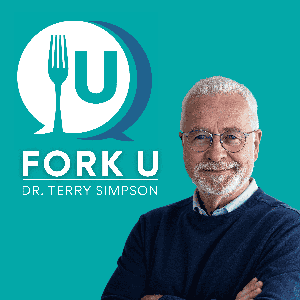
 By Terry Simpson

4.8
103103 ratings
The lowest hemoglobin I’ve ever seen belonged to a young woman who was still standing. Her blood count was one-fourth of normal. She was pale, short of breath, and strong enough to walk into the clinic.
Doctors soon learned her bone marrow had stopped making new blood cells. The diagnosis was aplastic anemia — a true telomere disease.
She survived thanks to her fitness, modern science, and a bone marrow transplant from a generous donor in Germany. Two years later, she’s in law school, healthy, and full of life.
Each cell in your body carries chromosomes — long strands of DNA. At the ends of those chromosomes sit telomeres, tiny caps that keep the DNA from unraveling, like plastic tips on shoelaces.
Every time a cell divides, its telomeres shorten a little. When they get too short, the cell can no longer divide. Scientists call that stage cellular senescence — cellular retirement.
In 2009, researchers Elizabeth Blackburn and Carol Greider won the Nobel Prize for discovering telomerase, an enzyme that can rebuild telomeres. Their discovery sparked dreams of reversing aging. But there’s a catch: cancer cells also use telomerase to live forever. Turning that enzyme on everywhere might turn back time — or turn on tumors.
Why Everyone Talks About TelomeresTelomeres became the poster child for longevity marketing.
Social media ads promise to “measure your biological age.” Supplement companies claim to “lengthen your telomeres” for hundreds of dollars a bottle.
The problem? Telomere tests vary between labs. Results can change by 20 percent depending on the method. They show trends, not destiny.
Real scientists are studying how telomeres behave under different conditions.
These drugs show that we can nudge biology, but they’re for disease, not for vanity.
Vitamins and Compounds That Might HelpNutrients influence telomere health, too.
None of these is proven to extend life. They’re promising ingredients, not miracles in a capsule.
Lifestyle matters more than any supplement.
A large study at UCSF showed that people who ate a Mediterranean diet, exercised, and managed stress boosted telomerase activity within months.
No powder required.
Telomeres respond to care. They’re markers of how you live, not the cause of how long you live.
Longer telomeres don’t guarantee longer life — they reflect how your body has handled time, inflammation, and stress.
Research tells a simple story:
So far, no pill or powder beats sleep, exercise, and plants on a plate.
Telomeres aren’t countdown clocks. They’re mileage markers.
Protect them by doing the basics well: eat plants and fish, move daily, sleep enough, manage stress, and don’t smoke.
Simple. Sustainable. Supported by science.

8,096 Listeners
12,754 Listeners

111,948 Listeners

8,473 Listeners

13,084 Listeners
425 Listeners
462 Listeners

10,727 Listeners

19,524 Listeners

264 Listeners

11,157 Listeners

369 Listeners

162 Listeners

12,143 Listeners

178 Listeners