
Sign up to save your podcasts
Or

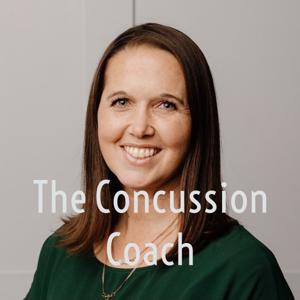


Today, we are thrilled to welcome back Dr. Devin Duval, OD, FCOVD. Dr. Duval is an optometrist with advanced residency training in pediatrics, vision therapy, and vision rehabilitation. He is a Fellow of the College of Optometrists in Vision Development (FCOVD) and a member of the Neuro-Optometric Rehabilitation Association (NORA). As an associate professor at Rocky Mountain University and one of only a few optometrists in Utah with this specific expertise, he specializes in helping patients with post-concussion vision problems, strabismus, and other complex visual conditions.
In this episode, Dr. Devin Duval returns to the Concussion Coach Podcast for an in-depth discussion on Syntonics and other vision-related aspects of concussion recovery.
What is Syntonics? Dr. Duval explains that Syntonics is the application of selective light frequencies to the eyes to treat various vision conditions. It works by balancing the autonomic nervous system, helping patients move out of a chronic "fight or flight" (sympathetic) state and into a "rest and digest" (parasympathetic) state.
How It Works: Patients are tested to determine the specific colored filters they need. They then use these prescribed glasses for about 20 minutes a day, looking at a full-spectrum light source like the sky. Treatment typically lasts 1-2 months.
Syntonics vs. Other Colored Glasses: Dr. Duval distinguishes between "band-aid" colored glasses for symptom relief (like FL-41 for migraines) and Syntonic glasses, which are a targeted treatment intended to fix the underlying problem.
Practical Tips for Listeners:
Expanding Visual Fields: Go for walks in open spaces and consciously pay attention to your peripheral vision.
Screen Use & Blue Light: The 20-20-20 rule (every 20 minutes, look 20 feet away for 20 seconds) is crucial. Blue light filters are generally recommended for concussion patients, but quality varies.
Computer Work: Reduce visual clutter, avoid fluorescent lighting, and consider a "flicker-free" monitor. High-resolution 4K monitors can sometimes be overstimulating.
Finding Help: Dr. Duval emphasizes that many "untreatable" visual problems are treatable with the right specialist. He encourages listeners to seek out a qualified professional.
The episode is a powerful reminder that there is hope and help available for persistent post-concussion visual symptoms.
Resources Mentioned
To Find a Syntonics or Vision Therapy Provider:
College of Syntonic Optometry: Find a doctor trained in Syntonics on their website. https://csovision.org/find-a-practitioner/
COVD (College of Optometrists in Vision Development): Use the "Locate a Doctor" feature on covd.org and click the button to find a board-certified vision therapy specialist. Many (but not all) also practice Syntonics.
General Concussion & Vision Resources:
Dr. Duval's Practice: Dr. Duval sees patients in-person and offers intensive programs. He also conducts remote consultations for patients outside of Utah. https://www.newsightvt.com/
The Concussion Coach Program: Bethany's coaching program for those struggling with lingering concussion symptoms. Sign up for a free consultation at www.theconcussioncoach.com.
Previous Podcast Episode: Check out the first conversation with Dr. Duval in Episode 28 of the Concussion Coach Podcast (Watch it Here).
Specific Product Mentions:
FL-41 Lenses: A specific rose-colored tint often used to relieve migraine and light sensitivity symptoms.
Blue Light Glasses: Recommended for concussion patients using screens, but quality is important.
Contact Dr. Devin Duval:
Website: www.newsightvt.com or
Email: [email protected].
Instagram: @newsightvt
Connect with Bethany & The Concussion Coach Podcast:
Website: www.theconcussioncoach.com
Sign up for a Free Consultation: www.theconcussioncoach.com
Download the Free Guide for Loved Ones: www.theconcussioncoach.com
Podcast Summary:
Bethany Lewis welcomes Andy Ellison to the Concussion Coach Podcast to share his profound journey with brain injury. A Colorado native, he has an impressive background in finance, having co-founded and served as CEO of Mountain View Bank of Commerce for 16 years before it was sold. He is now the CFO of the Boone Heart Institute.
Andy begins his story by recounting how a seemingly minor concussion in April 2021, sustained by walking into a doorframe, led to debilitating symptoms like an inability to look at screens, severe fatigue, and light and noise sensitivity.
A CT scan ordered by his doctor revealed an unexpected and incidental finding: a brain tumor in his left ventricle. This shocking diagnosis began a multi-year journey of monitoring the tumor.
The conversation delves into the challenges Andy faced in his high-level career, including how he navigated telling his employer and colleagues, and the blessing in disguise of learning to delegate. He shares powerful insights on:
Managing Identity: Using the "just behave" theory to handle frustration and the concept of separating his life into "before" and "after" to stop comparing himself to his old self.
The Power of Gratitude: Actively practicing gratitude to reframe difficult situations.
Advice for Caregivers: The importance of believing the person with the injury and separating frustration with the situation from feelings toward the caregiver.
Using Humor: He even shares his "brain tumor card" as a lighthearted way to explain cognitive hiccups.
Maintaining Hope: He references the "Stockdale Paradox"—confronting the brutal reality of your situation while maintaining unwavering faith that you will prevail in the end.
Andy candidly discusses the symptoms he still manages today, including an inability to watch videos, bad days that require adjusted expectations, and ongoing fatigue. He ends with a powerful reason for sharing his story: to stop hiding his struggles and to offer himself as a resource and role model for others on a similar path.
Resources & Tools Mentioned:
Brainwaves App: Brainwave: 37 Binaural Series App Andy uses for relaxation and symptom management. (Note: This is a popular app; link provided for reference.)
The "Gap and the Gain" Concept: From the book by Dan Sullivan and Dr. Benjamin Hardy. Focus on how far you've come (the gain) rather than how far you are from your goal (the gap).
The Stockdale Paradox: From Jim Collins' book "Good to Great." The concept of retaining faith that you will prevail in the end, while simultaneously confronting the most brutal facts of your current reality.
Ram Dass: A spiritual teacher and author who spoke about his own transformative experience after a stroke. Andy referenced his idea of dividing life into "before and after."
Cognitive FX: The clinic where Andy underwent intensive therapy and received the fMRI that showed his tumor was growing. https://www.cognitivefxusa.com/
Bethany's Free Guide: "The 5 Best Ways to Support Your Loved One Dealing with a Concussion." Download at www.theconcussioncoach.com.
Concussion Coaching: Bethany's program for one-on-one mentorship through concussion recovery. Sign up for a free consultation at www.theconcussioncoach.com.
Connect with Andy Ellison:Andy has generously offered to be a resource and help others find role models on their recovery journey. You can reach him via email at: [email protected]
Connect with Bethany & The Concussion Coach Podcast:
Website: www.theconcussioncoach.com
Sign up for a Free Consultation: www.theconcussioncoach.com
Download the Free Guide for Loved Ones: www.theconcussioncoach.com
Thank you for listening! If this episode brought you hope or insight, please help us spread the word by rating, reviewing, and subscribing to The Concussion Coach Podcast.
Trigger Warning: This episode contains discussions of suicide, mental health crises, and a recent shooting.
In this profoundly important episode, Bethany Lewis speaks with Laura Dyer about the tragic loss of her brother, Greg, due to CTE (Chronic Traumatic Encephalopathy). Laura, a registered nurse and healthcare leader, shares their family's difficult journey, from Greg's successful football career at the University of Utah to the onset of debilitating symptoms like paranoia, aggression, and psychosis that were misdiagnosed for years as mental illness.
They delve into what CTE is, how it differs from a single concussion, and why it can only be diagnosed posthumously. Laura provides crucial insights from the forefront of CTE research, including the critical role of sub-concussive hits, the stages of the disease, and the ongoing work of the Concussion Legacy Foundation.
This conversation is a powerful call for awareness, compassion, and change. While the topic is heavy, Laura emphasizes hope—hope for future diagnostics, hope for better player safety, and hope for individuals and families navigating similar challenges today. If you or a loved one has a history of contact sports or repetitive head trauma, this episode is an essential listen.
Summary
This episode provides a comprehensive and heartfelt exploration of CTE through the personal story of Laura Dyer and her brother, Greg. Key points discussed include:
What is CTE? CTE is a degenerative brain disease caused by repetitive head trauma, including both concussions and, crucially, hundreds or thousands of sub-concussive impacts over years.
Greg's Story: A talented football player, Greg began experiencing unexplained symptoms in his twenties, including hearing voices, extreme paranoia, impulsivity, and aggression. He was misdiagnosed with bipolar disorder and schizoaffective disorder, as his football history was never considered a factor by treating physicians.
The Diagnosis: CTE can currently only be diagnosed after death by examining brain tissue. Laura details the process of donating her brother's brain to Boston University for research and the relief and validation the subsequent diagnosis brought the family.
Symptoms and Stages: CTE manifests differently; in younger individuals (20s-30s), it often appears as mental/behavioral issues (anxiety, depression, impulsivity), while in older individuals (50s+), it can resemble dementia. Greg was diagnosed with Stage 2 CTE.
A Message of Hope and Action: Laura stresses that a CTE diagnosis is not a death sentence and that many people live full lives while managing symptoms. She urges anyone concerned—whether athletes or family members—to seek support, use available resources like the Concussion Legacy Foundation, and believe loved ones when they share what they are experiencing.
Advice for Parents and Athletes: The key takeaway is to be aware of the risks of repetitive head trauma in contact sports, take head injuries seriously, and prioritize brain health. While football may not disappear, awareness and safety protocols are improving.
Resources Mentioned:
Concussion Legacy Foundation: https://www.concussionfoundation.org/ (Includes a helpline and resources for support)
Boston University UNITE Brain Bank / CTE Center: https://www.bu.edu/cte/
Podcast Episode with Dr. Diane Spangler on Mental Health & Concussion: Watch on YouTube
Bethany's Free Guide: "The 5 Best Ways to Support Your Loved One Dealing with a Concussion" - Available at www.theconcussioncoach.com
The episode concludes with Laura's hope that Greg’s legacy will be one of raising awareness and improving the lives of future athletes, emphasizing that support and resources are available for those who need them.
Jessie Rain Anne Smith is a Qualified Mindfulness-Based Stress Reduction (MBSR) Teacher, trained through the University of California San Diego's Mindfulness-Based Professional Training Institute. She has also completed Dr. David Treleaven’s Trauma-Sensitive Mindfulness training, and was one of a select few chosen by Dr. Treleaven for mentorship in 2022.
Episode Summary:
In this episode of the Concussion Coach Podcast, Bethany Lewis welcomes Jessie Rain Smith, a Mindfulness-Based Stress Reduction (MBSR) teacher and founder of Mindful Concussion. Following her own car accident and brain injury in 2013, Jessie was advised to use mindfulness but discovered that while some practices were incredibly powerful, others were detrimental, leading to panic and dissociation.
Jessie shares her personal concussion journey and the realization that recovery can be a long, winding path. She and Bethany dive into a crucial discussion on the dual nature of mindfulness for the injured brain. They explore its profound benefits for attention, nervous system regulation, and emotional control, while also highlighting the potential perils of common practices like body scans and intense interoceptive awareness that can be overly cognitive or dysregulating.
Jessie explains her modified approach, which prioritizes "nurturing anchors of attention" and "concentration practices" to build safety and regulation before moving into more challenging work. This episode is an essential listen for anyone in the brain injury community—survivors and caregivers alike—looking to harness the healing power of mindfulness in a safe, effective, and trauma-informed way.
Key Discussion Points:
Jessie's Concussion Story: The onset of symptoms days after her car accident and her journey through the healthcare system.
The Surprise of Prolonged Symptoms: The realization at 2.5 years post-injury that recovery was not linear and required a fundamental shift in lifestyle and activity levels.
The Role of the Nervous System: How a pre-existing state of dysregulation (e.g., from previous trauma) can influence concussion recovery.
Defining Mindfulness: Moving from being "lost in thought" (worries, regrets) to landing in the present moment.
The Power of Mindfulness for brain injury:
Attentional Control: Practicing the muscle of bringing focus back to the present, which is directly beneficial for cognitive fatigue and focus issues.
Nervous System Regulation: Learning that symptoms are not a threat, moving away from the "fight, flight, or freeze" response (faulty neuroception).
Resources Mentioned:
Jessie's Website: www.mindfulconcussion.ca
Sign up for her free bi-monthly Zoom mindfulness sessions for survivors.
Read her blog (including the post on mindful chocolate eating!).
Jessie's Upcoming Book: The Power and Perils of Mindfulness for Brain Injury (To be released). Follow her on social media for updates and to give feedback on drafts.
Trauma-Sensitive Mindfulness: The work of Dr. David Treleaven (davidtreleaven.com), author of Trauma-Sensitive Mindfulness: Practices for Safe and Transformative Healing.
Free Guide from Bethany: "The 5 Best Ways to Support Your Loved One Dealing with a Concussion." Available at www.theconcussioncoach.com.
Bethany's Coaching Program: For a free consultation on her concussion coaching program, visit www.theconcussioncoach.com.
Viktor Frankl quote: "Between stimulus and response there is a space. In that space is our power to choose our response. In our response lies our growth and our freedom."
Connect with the Guest:
Website: mindfulconcussion.ca
Email: [email protected]
Social Media: Follow Jessie on LinkedIn and Facebook for updates on her book and to participate in her social media feedback campaign.
Disclaimer: The information in this podcast is for educational and awareness purposes only and is not intended as medical advice. Please consult with your healthcare provider for any medical concerns.
Dr. Sean Drake is a neurological chiropractor, performance specialist, and founder of Modern Athlete in Scottsdale, Arizona. In this episode, Bethany sits down with Dr. Drake to explore revolutionary approaches to concussion and brain injury recovery. They discuss:
The nervous system’s role in healing and why emotional trauma, toxicity, and capacity limitations must be addressed.
Breakthrough modalities like the Rezzimax, vibroacoustic therapy, hypoxia training, and quantum neurology.
A powerful case study: Gary, a former MLB player, shares his recovery from West Nile virus and meningitis using Dr. Drake’s neuro-emotional and frequency-based techniques.
Breathwork as a free tool to rebuild resilience, plus why "setbacks" are opportunities for recalibration.
Hope and identity: How reframing limitations and celebrating small wins accelerates progress.
Resources Mentioned:
Modern Athlete Clinic: https://moderneathlete.com/
Rezzimax Pain Tuner Pro: https://rezzimax.com/?ref=BethanyLewis
Quantum Neurology: Learn from practitioners like George Gonzalez or Noah Moose.
Flowpresso: For lymphatic system support. https://flowpressousa.com/?v=0b3b97fa6688
Wizard Sciences Neural Rx: A supplement for brain recovery.
Dr. Drake’s Instagram: @moderneathlete
For more concussion resources:
Bethany’s free guide: www.theconcussioncoach.com
Sign up for a coaching consultation: Book Here
Key Quote: "You are the modality. Your body has all the energy it needs to heal—you just need the right tools and a safe space to unlock it." —Dr. Sean Drake
Subscribe for more stories of recovery and science-backed hope! 🧠
Dr. Brittni Charle is a Doctor of Physical Therapy and the Concussion Program Director at [re+active] therapy and wellness in Los Angeles, California. With nearly a decade of specialized experience, Brittni is an expert in neuro-vestibular rehabilitation and is deeply passionate about treating post-concussion syndrome. She works at a unique integrative clinic that brings together physical therapy, occupational therapy, speech therapy, psychology, and wellness classes under one roof to provide comprehensive, whole-person care.Bethany and Brittni dive deep into the innovative, patient-centered model of care at Reactive PT. Brittni explains their mission to "meet the person where they're at," moving away from a one-size-fits-all approach. She breaks down their "Pie Chart" method for evaluation, which assesses physical, sensory, psychosocial, and autonomic factors to create a complete picture of a patient's health.
A major focus is on the critical yet often overlooked role of sensory training in concussion rehab. Brittni describes common issues like light and sound sensitivity and offers practical, actionable strategies—from using specialized glasses to graded exposure—to help the nervous system recalibrate and feel safe again.
This episode is packed with hope, clinical wisdom, and a clear message: recovery is possible with the right comprehensive and compassionate approach.
Reactive PT Resources:
Main Website: www.reactivept.com (To learn more and book a free consultation)
YouTube Channel: Re+active Therapy and Wellness (For patient interviews and treatment demos)
Instagram: @reactivept AND @makesensebrittni
Specific Tools & Brands Mentioned:
TheraSpecs: Specialized glasses for light sensitivity and migraine (www.theraspecs.com)
Axon Optics: Another brand for therapeutic glasses (www.axonoptics.com)
Related Podcast Episode:
Bethany's previous interview with Molly Parker (Link available HERE)
Bethany's Coaching:
Website & Blog: www.theconcussioncoach.com
Free Consultation: Sign up for a free coaching consultation HERE.
Concussion Coaching Program: A personalized program for those with lingering symptoms offering mentorship, symptom management, and nervous system regulation techniques.
Disclaimer: The information in this podcast is for educational and awareness purposes only and is not a substitute for professional medical advice.
Guest Introduction:
Sarah Wuebbolt is a student rower, brain injury advocate, and aspiring anesthesiologist from Toronto, Canada. After sustaining three concussions—the first at just 12 years old—she has spent years navigating post-concussion syndrome while continuing to pursue her passions. Sarah is a national-level coxswain, working toward her private pilot’s license, and mentors younger students on topics like mental health and resilience. She is also the creator of Hope Post Injury, an Instagram platform offering support and relatable content for young brain injury survivors. Through her advocacy, Sarah emphasizes that healing starts with being believed and that recovery is possible, even when progress feels slow.
Sarah shares:
The challenges of sustaining her first concussion at 12 and the isolation she felt due to lack of awareness.
How her symptoms evolved across three concussions, including headaches, dizziness, brain fog, and sensory sensitivities.
The importance of self-advocacy in school and sports, especially when faced with skepticism from teachers and peers.
Strategies that helped her manage symptoms, including deep breathing, meditation (using Insight Timer), cold air exposure, and therapy.
The mental and emotional toll of PCS and how she learned to reframe setbacks as part of the healing process.
How activities like rowing and flying helped her rebuild her identity and find joy post-injury.
Her advocacy work, including her Instagram page (@hopepostinjury) and a recovery pamphlet she created for concussion survivors.
Sarah’s story is a powerful reminder that you don’t have to look injured to deserve care—and that hope and persistence are key to recovery.
Sarah’s Instagram: @hopepostinjury – A platform for young brain injury survivors with tips, personal stories, and support.
Meditation App: Insight Timer – Sarah’s go-to for guided meditations.
Recovery Pamphlet: Sarah’s free PDF on 6 common concussion symptoms + daily strategies (Click Here).
Rowan’s Law: A Canadian law mandating concussion protocols in youth sports (inspired by Rowan Stringer’s story).
Recovery is not linear—setbacks are part of the process.
Advocacy is exhausting but necessary—find supportive communities.
Small wins matter—celebrate progress, even if it’s slow.
Acceptance is transformative—living with symptoms doesn’t mean giving up.
Additional Resources from Bethany:
Free Guide: 5 Best Ways to Support Your Loved One with Concussion – Download at https://theconcussioncoach.com/
Resources Mentioned:Key Takeaways:Concussion Coaching Program: Sign up for a free consultation here.
Jack Fonderwhite is a licensed acupuncturist and the creator of PeakMIND, a groundbreaking electroacupuncture approach to neurostimulation. Specializing in brain-first care, Jack works with elite athletes—including UFC champion Max Holloway—and everyday individuals struggling with concussions, anxiety, PTSD, and other neurological challenges. His unique method blends traditional acupuncture with cutting-edge technology to restore brain function, offering hope to those with lingering post-concussion symptoms. Jack’s personal journey of healing his own chronic concussion inspired his mission to help others reclaim their cognitive health and performance.
In this eye-opening episode of the Concussion Coach Podcast, host Bethany Lewis sits down with Jack Fonderwhite to explore his revolutionary PeakMIND electroacupuncture protocol for brain healing. Jack shares his personal story of recovering from undiagnosed post-concussion syndrome and how it led him to develop a treatment that has helped athletes, dementia patients, and even those with severe mental health challenges.
You’ll learn:
How electroacupuncture stimulates the brain to repair itself.
Why so many people live with undiagnosed concussion symptoms—and how to spot them.
The surprising connections between concussions, anxiety, and other "invisible" struggles.
Practical advice for caregivers supporting loved ones with brain injuries.
Jack also opens up about his work with fighters, stroke survivors, and long COVID patients, proving that brain healing is possible even years after injury. Whether you’re seeking solutions for yourself or someone you love, this episode is packed with hope and actionable insights.
Resources Mentioned by Jack:
Website: https://jackupuncture.com/
Instagram: @jackupuncturehi
Email: [email protected]
Additional Resources from Bethany:
Free Guide: 5 Best Ways to Support Your Loved One with Concussion – Download at https://theconcussioncoach.com/
Concussion Coaching Program: Sign up for a free consultation here.
Tune in to discover how electroacupuncture could be the missing piece in your or your loved one’s recovery journey! 🧠✨
Friendships are a cornerstone of our lives, but what happens when a concussion changes how we connect with others? In this episode of the Concussion Coach Podcast, Bethany Lewis welcomes back Thea James, MSLP, a passionate advocate for brain injury awareness and a survivor of multiple concussions. With her warm and open-hearted approach, Thea offers invaluable insights into how concussions impact friendships—both old and new—and how to navigate these relationships with grace, vulnerability, and self-compassion. Thea shares practical strategies for setting boundaries, advocating for needs, and finding joy in new kinds of relationships—including unexpected bonds with older neighbors. She also reflects on the importance of vulnerability, the pitfalls of people-pleasing, and how to show up authentically in friendships, even when capacity is limited. Whether you're a concussion survivor or someone supporting a loved one, this episode is packed with wisdom, hope, and real-life examples of how to nurture connections through the ups and downs of recovery.
Resources Mentioned:
Thea’s Previous Episodes:
Episode 52: Thea’s personal concussion journey
Episode 66: Thea interviews Bethany about her work in the concussion space
Bethany’s Concussion Coaching Program:
Free consultation sign-up: www.theconcussioncoach.com
Book Reference:
The Power of Vulnerability by Brené Brown (mentioned in the context of deepening friendships)
Key Takeaways:
For Survivors: Set alarms (e.g., with a star emoji) to check in with your capacity during social interactions.
For Friends/Family: Meet loved ones where they are—trust their needs (e.g., quieter environments) without requiring explanations.
New Connections: Seek low-stimulus, consistent touchpoints (e.g., volunteering) to build friendships at your own pace.
Free Guide To Supporting Your Loved One With Concussion:
www.theconcussioncoach.com
Contact Thea:
You can hear more from Thea on Instagram at YourBrainBFF or email her at [email protected]
Final Thought: As Thea reminds us, friendship after brain injury might look different, but it can still be deeply fulfilling. Whether it’s embracing slower-paced connections or learning to ask for help, the journey is about honoring your limits while staying open to the love and support around you.
If you would like to sign up for a free concussion coaching consultation with me to learn how you can speed up your recovery and get your life back following a concussion, go to my website, www.theconcussioncoach.com, or click on this link: https://theconcussioncoach.com/contact
Host: Cristabelle Braden
Guest: Bethany Lewis (Neurological Occupational Therapist & Certified Life Coach)
Episode Summary:
After a brain injury, one of the most profound challenges survivors and families face is the shift in identity. Who am I now? How do I reconcile the person I was with the person I’ve become? In this deeply personal and insightful conversation, Cristabelle and Bethany Lewis explore the emotional, cognitive, and relational impacts of identity changes after brain injury. They discuss why it’s natural to feel defined by your injury, how to navigate grief, and practical strategies for rediscovering—or redefining—your sense of self.
Whether you're a survivor, family member, or professional, this episode offers validation, hope, and actionable steps to move forward with resilience.
Key Discussion Points:
Why Identity Shifts Happen After Brain Injury
The sudden vs. gradual nature of change
How abilities, roles, and relationships are disrupted
The emotional toll of feeling "not yourself
2. Common Identity Struggles
Personality changes (irritability, emotional regulation)
Loss of interests, taste, or spiritual connection
Feeling disconnected from your body (depersonalization)
3. For Survivors: Rebuilding Identity
Separating yourself from the injury ("I am not my diagnosis")
The power of language & reframing beliefs
4. For Families & Caregivers
How to support your loved one without losing yourself
Managing resentment & unmet needs
Accepting the "new normal" while holding space for grief
5. Faith, Purpose & Moving Forward
Finding meaning in the journey
The role of spirituality in identity
Embracing the "now and not yet" of recovery
Free Resources Mentioned:
📝 Journaling Prompts for Identity After Injury👉 Download Here
👨👩👧 Guide for Families: "Family Identity After Injury"👉 Download Here
Connect with Bethany Lewis:
Download your free guide: 5 Ways to Best Support Your Loved One Dealing with Concussion: theconcussioncoach.com
Join the Hope Survives Community:
Support Groups: Hope for Families, Hope for Couples, Found Connection (for isolated survivors), Renewed by Faith (faith-based group), & more!
Brain Injury Bible Study: Ongoing virtual meetings👉 Learn More at hopesurvives.org
Final Thought:
"We must be willing to let go of the life we planned so as to have the life that is waiting for us." —Joseph Campbell
You are not alone. There is always hope. 💛
#HopeSurvives #BrainInjury #TBIRecovery #IdentityAfterInjury #YouAreNotAlone
From the publisher's feed

44,094 Listeners
11,738 Listeners
10,564 Listeners

7,273 Listeners

369,061 Listeners

46,607 Listeners

11,625 Listeners
56 Listeners

28,900 Listeners
79 Listeners

648 Listeners

2,032 Listeners

13,609 Listeners
10 Listeners

12,349 Listeners