
Sign up to save your podcasts
Or

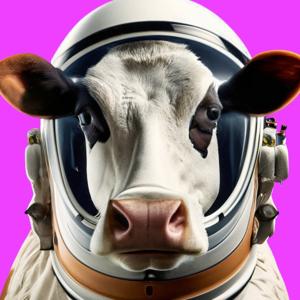


Every productive dairy starts with the decisions farmers make each day. As we celebrate National Farmers Day this month, The Dairy Nutrition Blackbelt Podcast welcomes Dr. Jorge Barrientos Blanco, Dairy Nutritionist at Progressive Dairy Solutions, to explain how feeding accuracy, forage sampling, mixer performance, feed delivery, and cow grouping help match nutrient supply with cow requirements. Celebrate the work behind efficient, sustainable, and profitable dairy production. Listen now on all major platforms!
Click here to read the full research articles:
Improving nutritional accuracy and economics through a multiple ration-grouping strategy
Partitioning of nutrient variation in alfalfa and corn silage by source on New York dairy farms
Farm-specific estimates of forage variability result in larger optimal control limits for forage quality monitoring
“Greater feeding accuracy improves dairy efficiency, supports economic and environmental sustainability, and strengthens profitability by reducing differences between nutrient requirements and actual nutrient supply.”
Meet the guest: Dr. Jorge Barrientos Blanco is a Dairy Nutritionist and Nutrition Consultant at Progressive Dairy Solutions, Inc. He earned a PhD in Dairy Science from Cornell University and a master’s degree in Dairy Science from the University of Wisconsin–Madison. Learn more from Dr. Jorge Barrientos Blanco on The Dairy Nutrition Blackbelt Podcast, available on all major platforms.
Liked this one? Don’t stop now — Here’s what we think you’ll love!
Dr. Eduardo Rico: Omega-3 & Inflammation Control | Ep. 128
Dr. Mike Van Amburgh: What is Limiting Milk Components? | Ep. 147
What will you learn:
The Dairy Nutrition Blackbelt Podcast is trusted and supported by the innovative companies:
- Virtus Nutrition
* Fortiva
* Barentz
* Kemin
* Adisseo
* Priority IAC
* Vetagro
- Esmilco Inc.
- DietForge
𝗟𝗶𝘀𝘁𝗲𝗻 𝗼𝗻 𝗔𝗽𝗽𝗹𝗲 𝗣𝗼𝗱𝗰𝗮𝘀𝘁𝘀, 𝗦𝗽𝗼𝘁𝗶𝗳𝘆 𝗼𝗿 𝗮𝗻𝘆 𝗺𝗮𝗷𝗼𝗿 𝗽𝗹𝗮𝘁𝗳𝗼𝗿𝗺.
Website: The Dairy Nutrition Blackbelt Podcast
Instagram: The Dairy Nutrition Blackbelt Podcast
LinkedIn: The Dairy Nutrition Blackbelt Podcast
Facebook: The Dairy Nutrition Blackbelt Podcast
TikTok: The Dairy Nutrition Blackbelt Podcast
In this episode of The Dairy Nutrition Blackbelt Podcast, Dr. Andres Contreras, Professor at Michigan State University, explains how adipose tissue supports dairy cows during negative energy balance. He discusses omega-3 fatty acids, inflammation, insulin sensitivity, fatty acid mobilization, and the differences among fish, algae, and canola sources. Learn why selecting the right fatty acid source can help transition cows manage circulating fatty acids more efficiently. Listen now on all major platforms!
Click here to read the full research article!
“Omega-3 fatty acids can reduce adipose tissue inflammation while supporting mitochondrial function, creating important metabolic effects during the transition into early lactation.”
Meet the guest: Dr. Andres Contreras is Professor of Large Animal Clinical Sciences at Michigan State University. He earned his DVM from the National University of Colombia, followed by an MS and Ph.D. at Michigan State University and postdoctoral training at Wayne State University. His research focuses on adipose tissue metabolism, inflammation, and targeted fatty acid supplementation in dairy cows, with significant contributions to understanding metabolic adaptations during negative energy balance. Learn more from Dr. Contreras on the Dairy Nutrition Blackbelt Podcast, available on all major platforms.
Liked this one? Don’t stop now — Here’s what we think you’ll love!
Dr. Eduardo Rico: Omega-3 & Inflammation Control | Ep. 128
Dr. Mike Van Amburgh: What is Limiting Milk Components? | Ep. 147
What will you learn:
The Dairy Nutrition Blackbelt Podcast is trusted and supported by the innovative companies:
- Virtus Nutrition
* Fortiva
* Barentz
* Kemin
* Adisseo
* Priority IAC
* Vetagro
- Esmilco Inc.
- DietForge
𝗟𝗶𝘀𝘁𝗲𝗻 𝗼𝗻 𝗔𝗽𝗽𝗹𝗲 𝗣𝗼𝗱𝗰𝗮𝘀𝘁𝘀, 𝗦𝗽𝗼𝘁𝗶𝗳𝘆 𝗼𝗿 𝗮𝗻𝘆 𝗺𝗮𝗷𝗼𝗿 𝗽𝗹𝗮𝘁𝗳𝗼𝗿𝗺.
Website: The Dairy Nutrition Blackbelt Podcast
Instagram: The Dairy Nutrition Blackbelt Podcast
LinkedIn: The Dairy Nutrition Blackbelt Podcast
Facebook: The Dairy Nutrition Blackbelt Podcast
TikTok: The Dairy Nutrition Blackbelt Podcast
In this episode of The Dairy Nutrition Blackbelt Podcast, Dr. Alexander Hristov, Distinguished Professor of Dairy Nutrition at Penn State, discusses rumen methane formation and practical mitigation strategies for dairy cattle. He explains how fiber, starch, diet formulation, and feed additives influence hydrogen flow in the rumen, why production trade-offs matter, and why producers should evaluate methane-reduction claims through independent science. Listen now on all major platforms!
"Feed additives can produce the most practical methane reduction, but producers need to look at the science behind each product."
Meet the guest: Dr. Alexander Hristov is a Distinguished Professor of Dairy Nutrition in the Department of Animal Science at Penn State. He earned his Ph.D. in Animal Nutrition in Bulgaria and has worked with USDA-ARS, Ag Canada, the University of Idaho, and Penn State. His research focuses on dairy cattle protein and amino acid nutrition, nutrient losses, and gaseous emissions. He has given over 120 invited presentations and published over 230 books, book chapters, and peer-reviewed journal articles. Learn more from Dr. Alexander Hristov on The Dairy Nutrition Blackbelt Podcast, available on all major platforms.
Liked this one? Don’t stop now — Here’s what we think you’ll love!
What will you learn:
The Dairy Nutrition Blackbelt Podcast is trusted and supported by the innovative companies:
* Vetagro
* Priority IAC
* Fortiva
* Barentz
* Kemin
* Adisseo
- DietForge
- Virtus Nutrition
- Esmilco Inc.
𝗟𝗶𝘀𝘁𝗲𝗻 𝗼𝗻 𝗔𝗽𝗽𝗹𝗲 𝗣𝗼𝗱𝗰𝗮𝘀𝘁𝘀, 𝗦𝗽𝗼𝘁𝗶𝗳𝘆 𝗼𝗿 𝗮𝗻𝘆 𝗺𝗮𝗷𝗼𝗿 𝗽𝗹𝗮𝘁𝗳𝗼𝗿𝗺.
Website: The Dairy Nutrition Blackbelt Podcast
Instagram: The Dairy Nutrition Blackbelt Podcast
LinkedIn: The Dairy Nutrition Blackbelt Podcast
Facebook: The Dairy Nutrition Blackbelt Podcast
TikTok: The Dairy Nutrition Blackbelt Podcast
In this special roundtable episode of The Dairy Nutrition Black Belt Podcast, Dr. Victoria Asselstine, Ruminant Technical Team Manager at Jefo Nutrition, and Dr. Lance Baumgard, Distinguished Professor at Iowa State University, discuss transition cow health and challenge long-held assumptions about its management. They explore B vitamins, inflammation, ketones, subclinical hypocalcemia, feed intake, and stress management. Discover why the same metabolic marker can reflect either high production or hidden illness. Listen now on all major platforms!
“B vitamins support major pathways involving carbohydrate, lipid, and protein metabolism, making nutritional support especially relevant during substantial metabolic shifts around calving.”
Meet the guests:
Dr. Victoria Asselstine earned her Ph.D. in Animal Genetics and Immunology from the University of Guelph and serves as Ruminant Technical Service Manager at Jefo Nutrition. She collaborates with industry and academic partners to evaluate nutritional strategies supporting transition cow health, calf development, productivity, and sustainability.
Dr. Lance Baumgard is a Distinguished Professor and Norman L. Jacobson Endowed Professor in Dairy Nutrition at Iowa State University. His research focuses on nutritional and environmental physiology, including metabolism, inflammation, heat stress, nutrient partitioning, and transition cow biology. His work supports nutritional strategies for dairy cow health and performance.
Liked this one? Don’t stop now — Here’s what we think you’ll love!
What will you learn:
The Dairy Nutrition Blackbelt Podcast is trusted and supported by innovative companies like:
Jefo
𝗟𝗶𝘀𝘁𝗲𝗻 𝗼𝗻 𝗔𝗽𝗽𝗹𝗲 𝗣𝗼𝗱𝗰𝗮𝘀𝘁𝘀, 𝗦𝗽𝗼𝘁𝗶𝗳𝘆 𝗼𝗿 𝗮𝗻𝘆 𝗺𝗮𝗷𝗼𝗿 𝗽𝗹𝗮𝘁𝗳𝗼𝗿𝗺.
Website: The Dairy Nutrition Blackbelt Podcast
Instagram: The Dairy Nutrition Blackbelt Podcast
LinkedIn: The Dairy Nutrition Blackbelt Podcast
Facebook: The Dairy Nutrition Blackbelt Podcast
TikTok: The Dairy Nutrition Blackbelt Podcast
In this episode of The Dairy Nutrition Blackbelt Podcast, Megan Lauber, Ph.D. Candidate at the University of Wisconsin-Madison, explains how reproductive performance shapes herd structure, milk flow, replacement needs, and farm profitability. She discusses insemination eligibility periods, sexed semen, beef semen, dairy-beef calf value, and the financial impact of improving 21-day pregnancy rate. Listen now on all major platforms!
Click here to read the full research article!
"Effective reproductive management shapes herd structure by influencing pregnancy status, milk production, replacement needs, and overall farm profitability across different stages of lactation."
Meet the guest: Megan Lauber is a PhD student in the Department of Animal and Dairy Science at the University of Wisconsin Madison. Her research focuses on dairy reproduction, herd structure, reproductive management, and decision-support models that improve profitability and support practical management decisions for modern dairy farms. Listen to Megan Lauber on The Dairy Nutrition Blackbelt Podcast, available on all major platforms.
Liked this one? Don’t stop now — Here’s what we think you’ll love!
What will you learn:
The Dairy Nutrition Blackbelt Podcast is trusted and supported by the innovative companies:
* Adisseo
* Vetagro
* Barentz
* Fortiva
* Kemin
* Priority IAC
- Esmilco Inc.
- DietForge
- Virtus Nutrition
𝗟𝗶𝘀𝘁𝗲𝗻 𝗼𝗻 𝗔𝗽𝗽𝗹𝗲 𝗣𝗼𝗱𝗰𝗮𝘀𝘁𝘀, 𝗦𝗽𝗼𝘁𝗶𝗳𝘆 𝗼𝗿 𝗮𝗻𝘆 𝗺𝗮𝗷𝗼𝗿 𝗽𝗹𝗮𝘁𝗳𝗼𝗿𝗺.
Website: The Dairy Nutrition Blackbelt Podcast
Instagram: The Dairy Nutrition Blackbelt Podcast
LinkedIn: The Dairy Nutrition Blackbelt Podcast
Facebook: The Dairy Nutrition Blackbelt Podcast
TikTok: The Dairy Nutrition Blackbelt Podcast
In this special rerun episode of The Dairy Nutrition Blackbelt Podcast, Dr. Marcos Marcondes from the William H. Miner Agricultural Research Institute discusses key insights into calf and heifer nutrition. He shares findings on feed intake modeling, pre- and post-weaning transitions, and how feeding strategies influence mammary gland development and long-term milk yield. Listen now on all major platforms!
"Adequate body weight alone does not guarantee future milk production; mammary development also needs time."
Meet the guest: Dr. Marcos Marcondes is a Dairy Research Scientist at the William H. Miner Agricultural Research Institute. He earned his M.S. and Ph.D. in Animal Science from the Federal University of Viçosa in Brazil and completed postdoctoral research at the University of Florida. His work focuses on feed evaluation, nutrient requirements, and methane mitigation in dairy cattle. Hear Dr. Marcos Marcondes on The Dairy Nutrition Blackbelt Podcast, available on all major platforms!
Liked this one? Don’t stop now — Here’s what we think you’ll love!
What will you learn:
The Dairy Nutrition Blackbelt Podcast is trusted and supported by the innovative companies:
* Kemin
* Priority IAC
* Adisseo
* Vetagro
* Barentz
* Fortiva
- Virtus Nutrition
- Esmilco Inc.
- DietForge
𝗟𝗶𝘀𝘁𝗲𝗻 𝗼𝗻 𝗔𝗽𝗽𝗹𝗲 𝗣𝗼𝗱𝗰𝗮𝘀𝘁𝘀, 𝗦𝗽𝗼𝘁𝗶𝗳𝘆 𝗼𝗿 𝗮𝗻𝘆 𝗺𝗮𝗷𝗼𝗿 𝗽𝗹𝗮𝘁𝗳𝗼𝗿𝗺.
Website: The Dairy Nutrition Blackbelt Podcast
Instagram: The Dairy Nutrition Blackbelt Podcast
LinkedIn: The Dairy Nutrition Blackbelt Podcast
Facebook: The Dairy Nutrition Blackbelt Podcast
TikTok: The Dairy Nutrition Blackbelt Podcast
In this episode of The Dairy Nutrition Blackbelt Podcast, Dr. Efstathios Sarmikasoglou from Michigan State University explains how short-stature corn hybrids may affect dairy silage systems. He discusses plant morphology, fiber digestibility, cow intake, milk yield, methane emissions, and field yield considerations for producers evaluating this emerging forage option. Listen now on all major platforms!
Click here to read the full research article!
"Short stature corn hybrids provide an alternative genetic approach that improves plant architecture while maintaining characteristics important for forage production and dairy nutrition."
Meet the guest: Dr. Efstathios Sarmikasoglou is a Postdoctoral Research Associate at Michigan State University. He earned a Ph.D. in Animal Science from the University of Florida and a B.S. in Animal Sciences from the Agricultural University of Athens, in Greece. His work includes dairy cattle nutrition, ruminal fermentation, and research on short-stature corn. Learn more from Dr. Efstathios Sarmikasoglou on The Dairy Nutrition Blackbelt Podcast, available on all major platforms.
Liked this one? Don’t stop now — Here’s what we think you’ll love!
What will you learn:
The Dairy Nutrition Blackbelt Podcast is trusted and supported by the innovative companies:
* Barentz
* Fortiva
* Kemin
* Priority IAC
* Adisseo
* Vetagro
- DietForge
- Esmilco Inc.
- Virtus Nutrition
𝗟𝗶𝘀𝘁𝗲𝗻 𝗼𝗻 𝗔𝗽𝗽𝗹𝗲 𝗣𝗼𝗱𝗰𝗮𝘀𝘁𝘀, 𝗦𝗽𝗼𝘁𝗶𝗳𝘆 𝗼𝗿 𝗮𝗻𝘆 𝗺𝗮𝗷𝗼𝗿 𝗽𝗹𝗮𝘁𝗳𝗼𝗿𝗺.
Website: The Dairy Nutrition Blackbelt Podcast
Instagram: The Dairy Nutrition Blackbelt Podcast
LinkedIn: The Dairy Nutrition Blackbelt Podcast
Facebook: The Dairy Nutrition Blackbelt Podcast
TikTok: The Dairy Nutrition Blackbelt Podcast
In this episode of The Dairy Nutrition Blackbelt Podcast, Dr. Joseph McFadden from Cornell University explains how methyl donors support transition cow nutrition. He discusses methionine, choline, omega-3 fatty acids, bioavailability, oxidative stress, and liver function, and examines why nutrient interactions matter beyond individual supplementation strategies. Listen now on all major platforms!
"You feed a methyl donor like methionine or choline, and you think everything is going to be great in terms of liver health. But if you’re missing another key component, like omega-3 fatty acids, then you can limit the expected metabolic response."
Meet the guest: Dr. Joseph McFadden is Professor of Dairy Cattle Biology at Cornell University, where he also serves as a Northeast Agribusiness & Feed Alliance and Cornell Atkinson Center for Sustainability Faculty Fellow. He is the Founder and CEO of NuParadym, Inc. His career combines dairy cattle biology, nutrition, metabolism, sustainability, and industry innovation. Listen to Dr. Joseph McFadden on The Dairy Nutrition Blackbelt Podcast, available on all major platforms.
Liked this one? Don’t stop now — Here’s what we think you’ll love!
Dr. Richard Paratte: Lysine and Milk Production | Ep. 133
Dr. Susanna Räisänen: Histidine and New Amino Acid Trends | Ep. 141
What will you learn:
The Dairy Nutrition Blackbelt Podcast is trusted and supported by the innovative companies:
* Vetagro
* Barentz
* Fortiva
* Priority IAC
* Kemin
* Adisseo
- DietForge
- Virtus Nutrition
- Esmilco Inc.
𝗟𝗶𝘀𝘁𝗲𝗻 𝗼𝗻 𝗔𝗽𝗽𝗹𝗲 𝗣𝗼𝗱𝗰𝗮𝘀𝘁𝘀, 𝗦𝗽𝗼𝘁𝗶𝗳𝘆 𝗼𝗿 𝗮𝗻𝘆 𝗺𝗮𝗷𝗼𝗿 𝗽𝗹𝗮𝘁𝗳𝗼𝗿𝗺.
Website: The Dairy Nutrition Blackbelt Podcast
Instagram: The Dairy Nutrition Blackbelt Podcast
LinkedIn: The Dairy Nutrition Blackbelt Podcast
Facebook: The Dairy Nutrition Blackbelt Podcast
TikTok: The Dairy Nutrition Blackbelt Podcast
In this episode of The Dairy Nutrition Blackbelt Podcast, Dr. Clarissa Strieder-Barboza, Assistant Professor of Veterinary Sciences at Texas Tech University, explains how adipose tissue influences metabolic adaptation, inflammation, ketosis risk, and transition cow performance. She discusses emerging research on adipose tissue remodeling, cellular specialization, and biomarkers that may improve health and productivity during early lactation. Listen now on all major platforms!
"Adipose tissue from cows with subclinical ketosis can be metabolically different before clinical signs appear."
Meet the guest: Dr. Clarissa Strieder-Barboza is an Assistant Professor of Veterinary Sciences at Texas Tech University. Her research focuses on adipose tissue biology, immunometabolism, metabolic disease, and transition cow physiology. She investigates how adipose tissue remodeling, inflammation, and metabolic adaptation affect dairy cattle health and productivity. Hear more from Dr. Strieder-Barboza on The Dairy Nutrition Blackbelt Podcast, available on all major platforms.
Liked this one? Don’t stop now — Here’s what we think you’ll love!
What will you learn:
The Dairy Nutrition Blackbelt Podcast is trusted and supported by the innovative companies:
* Barentz
* Priority IAC
* Adisseo
* Vetagro
* Kemin
* Fortiva
- Esmilco Inc.
- Virtus Nutrition
- DietForge
𝗟𝗶𝘀𝘁𝗲𝗻 𝗼𝗻 𝗔𝗽𝗽𝗹𝗲 𝗣𝗼𝗱𝗰𝗮𝘀𝘁𝘀, 𝗦𝗽𝗼𝘁𝗶𝗳𝘆 𝗼𝗿 𝗮𝗻𝘆 𝗺𝗮𝗷𝗼𝗿 𝗽𝗹𝗮𝘁𝗳𝗼𝗿𝗺.
Website: The Dairy Nutrition Blackbelt Podcast
Instagram: The Dairy Nutrition Blackbelt Podcast
LinkedIn: The Dairy Nutrition Blackbelt Podcast
Facebook: The Dairy Nutrition Blackbelt Podcast
TikTok: The Dairy Nutrition Blackbelt Podcast
In this episode of The Dairy Nutrition Blackbelt Podcast, Ben Moitoso, Dairy Solutions Specialist supporting customers through Veterinary Service Inc., discusses why water quality deserves more attention in dairy systems. He explains how storage tanks, older pipelines, trough contamination, biofilm, and bacterial loads can affect herd health, and how chlorine dioxide can help sanitize water lines, reduce pathogen pressure, and support better somatic cell outcomes. Listen now on all major platforms!
"When animals drink contaminated water, somatic cell counts can rise, and cleaner water can help bring them back down."
Meet the guest: Ben Moitoso serves as a Dairy Solutions Specialist supporting customers through Veterinary Service Inc. (VSI), a leading distributor of animal health products. He works closely with Kemin and dairy producers to evaluate on-farm challenges and implement practical, results-driven solutions, particularly in water quality, disinfection, and pathogen control. Learn more from Ben Moitoso on The Dairy Nutrition Blackbelt Podcast, available on all major platforms.
Liked this one? Don’t stop now — Here’s what we think you’ll love!
Dr. José Eduardo Santos: Choline & Dairy Cows - Part 1 | Ep. 106
Dr. José Eduardo Santos: Rumen-Protected Choline - Part 2 | Ep. 107
Dr. Frank Mitloehner: Nitrogen Excretion & Amino Acid Balancing | Ep. 111
What will you learn:
The Dairy Nutrition Blackbelt Podcast is trusted and supported by the innovative companies:
* Kemin
* Fortiva
* Barentz
* Priority IAC
* Adisseo
* Vetagro
- DietForge
- Esmilco Inc.
- Virtus Nutrition
𝗟𝗶𝘀𝘁𝗲𝗻 𝗼𝗻 𝗔𝗽𝗽𝗹𝗲 𝗣𝗼𝗱𝗰𝗮𝘀𝘁𝘀, 𝗦𝗽𝗼𝘁𝗶𝗳𝘆 𝗼𝗿 𝗮𝗻𝘆 𝗺𝗮𝗷𝗼𝗿 𝗽𝗹𝗮𝘁𝗳𝗼𝗿𝗺.
Website: The Dairy Nutrition Blackbelt Podcast
Instagram: The Dairy Nutrition Blackbelt Podcast
LinkedIn: The Dairy Nutrition Blackbelt Podcast
Facebook: The Dairy Nutrition Blackbelt Podcast
TikTok: The Dairy Nutrition Blackbelt Podcast
From the publisher's feed
If you are a dairy nutritionist who wants to stay up to date with all that is…
The Dairy Nutrition Blackbelt Podcast is specially designed by and for professionals just like yourself. With it, you can effortlessly have access to the thoughts of the most brilliant minds in our industry – all while going about your routine and saving your time.
384 Listeners
17 Listeners
353 Listeners

4 Listeners
9 Listeners
2 Listeners
68 Listeners
38 Listeners
8 Listeners
6 Listeners
2 Listeners