
Sign up to save your podcasts
Or



Episode 56
The history of the Harrowing of Hell and the way it was portrayed in the cycle plays, including some thoughts on how it would have been staged and how the play comes alive when the demons and devils take to the stage.
The play of Noah and the Great Flood must have provided the medieval set designers with some real challenges. Some thoughts on how that might have been done and a look at some of the detail around the story of Mrs Noah, doves, ravens and Rainbows.
Hosted on Acast. See acast.com/privacy for more information.
Episode 55
The Second Shepherds play is considered the best of the medieval cycle plays. In this episode I take a look at not only the second shepherds play, but the first play as well, which is often overlooked.
Why are there two shepherd's plays in this cycle?
The plot and characters in the first play
The plot and charaters in the second play
The similarities and differences between the plays
What the plays say about the social conditions of the time
The Wakefield Master, author go the plays
Support the podcast here:
www.thehistoryofeuropeantheatre.com
www.patreon.com/thoetp
www.ko-fi.com/thoetp
Hosted on Acast. See acast.com/privacy for more information.
Episode 54
In this episode we look at the way the cycle plays developed in the four major centres from where we have complete versions of the cycle: York, Chester, Coventry and Wakefield.
The development of the York Plays
Further details on the guilds and how they functioned in society
The development of the Chester plays
The development of the Coventry Cycle
The development of the Wakefield cycle
The N-Town cycle Manuscript
The Wakefield cycle plays
The literary merits of the plays
For the list of plays and associated guilds from York see: www.thehistoryofeuropeantheare.com/blog
Support the podcast here:
www.thehistoryofeuropeantheatre.com
www.patreon.com/thoetp
www.ko-fi.com/thoetp
Hosted on Acast. See acast.com/privacy for more information.
Episode 53
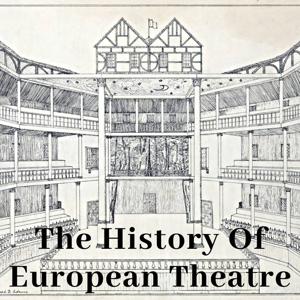
Stage sets, costuming and special effects became quite sophisticated in the cycle plays during the sixteenth century. This episode looks at the examples of stage sets that we have from Valenciennes. You can see the drawing that is described in the podcast here:
www.thehistoryofeuropeantheatre.com/gallery
A look at evidence for costuming the has survived
And then we take a look at the the different stager special effects used to impress the audience, especially the representations of Hell's Mouth, with associated demons, fires and pyrotechnics.
Support the podcast here:
www.thehistoryofeuropeantheatre.com
www.patreon.com/thoetp
www.ko-fi.com/thoetp
Hosted on Acast. See acast.com/privacy for more information.
Episode 52
This episode looks at how the Corpus Christi plays were organised and staffed with actors, tradesmen and other organisers and supporters.
How rehearsals were organised and what was expected of actors, including details of the contrast they were expected to sign.
The different playing spaces that were used for the plays, including three main types, the round, the wagon, and the market place.
The role of 'The Ordinary' and other things we know about the way the plays were presented.
The rise and fall of the Saints Play
For the illustration of the martyrdom of St Appolonia see: https://thehistoryofeuropeantheatre.com/gallery/
To support the podcast:
www.patreon.com/thoetp
www.ko-fi.com/thoetp
Hosted on Acast. See acast.com/privacy for more information.
Hosted on Acast. See acast.com/privacy for more information.
Episode 51
The instigation of the Corpus Christi feat day too theatre out of the church and into the town and village. This episode looks at the development of the celebration of the new feast day and how the new trades guilds and other organisations took over the production of biblical plays from the church.
An understanding of the theology behind the feast day is important to an understanding of how the plays developed, so this is outlined and the concepts of time and place within the plays is discussed.
Then it's on to more practical matters such as learning lines and the emergence of the producer, director and stage manager.
www.thehistoryofeuropeantheatre.com
Hosted on Acast. See acast.com/privacy for more information.
Episode 50
The Synod of Winchester issued direction on the performance of the Trope in 960 and the door was open for further developments on other feast days.
Then a look at other church festivals with dramatic elements. The Boy Bishop, The Day of Fools and the Festival of the Ass.
And in the late twelfth century the Trope starts to get too big for the likes of some in the church as stage directions get more complicated and props and scenery get put to use to represent individual places and characters.
You can support the podcast at:
www.thehistoryofeuropeantheatre.com
www.patreon.com/thoetp
www.ko-fi.com/thoetp
Hosted on Acast. See acast.com/privacy for more information.
Episode 49
The story of how theatre found it's way into the church service on the most important days in the Christian calendar, Easter Sunday and Christmas Day. For a long time drama was a small elaboration to the massif the same way music, architecture and art were only included to amplify the message of the service and the word of God. Following a lot at their impact and use we get to the Trope, but it that really the beginnings of church drama? The Synod of Winchester in 970 might just have the answer.
Hosted on Acast. See acast.com/privacy for more information.
Episode 48
To open season three a summary of how theatre and dramatic activity survived despite the restrictions placed on it from the growing influence of the Christian Church.
Hosted on Acast. See acast.com/privacy for more information.
From the publisher's feed
Hosted on Acast. See acast.com/privacy for more information.

5,481 Listeners
3,199 Listeners
4,395 Listeners
1,860 Listeners
6,473 Listeners

823 Listeners

1,474 Listeners
1,121 Listeners
6,224 Listeners
739 Listeners
363 Listeners
3,379 Listeners
1,895 Listeners
2,048 Listeners
214 Listeners