
Sign up to save your podcasts
Or

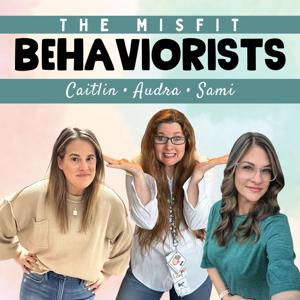


What if inclusion didn’t just mean “pushing students in” but also “inviting peers in”? In this episode, we chat with Megan Stenziano from Moms Managing Behavior about a game-changing approach called reverse inclusion. From lunch and recess to peer buddy programs and after-school activities, Megan walks us through how her school created inclusive, meaningful social opportunities for all students. We discuss creative ideas, practical solutions, and even a program so popular it had parents saying, “It’s harder to get into than Taylor Swift tickets!” 🎟️ Don't miss this one!
✨ Key Takeaways
📢 What is Reverse Inclusion? — It’s when general education students join self-contained classrooms to create more comfortable and familiar spaces for students with disabilities.
💡 Why It Works:
✔️ Students feel at ease in their "home turf" classrooms.
✔️ Tools, supports, and sensory needs are already in place.
✔️ Less stress from big transitions to noisy, unfamiliar spaces.
We talk about:
🤝 Peer Buddy Programs
🎨 Creative Inclusion Ideas
📈 How to Get Admin Buy-In
🧠 Take Data for Better Decisions
💪 Pro Tips for Starting Small
Ideas for Reverse Inclusion Activities:
ABA Art & Gym Specials — Invite related arts teachers to teach lessons in self-contained classrooms.
After-School Clubs — Sensory crafts, bead-making labs, and social skills clubs are all big hits.
Peer Lunch Buddies — Pair gen ed students with ABA students at lunch for more socialization.
📚 Resources
Here are the tools, people, and strategies mentioned in this episode:
Moms Managing Behavior — Learn more about Megan’s work supporting schools and families:
🌐 MomsManagingBehavior.com
📸 Instagram: @MomsManagingBehavior
📘 Facebook: https://www.facebook.com/momsmanagingbehavior
Join Us...
🌟 Subscribe: Don’t miss upcoming episodes on practical strategies and must-have resources for behavior support!
📢 Share this episode with a teacher, BCBA, or administrator looking for fresh approaches to inclusion!
💬 Get Involved: Share your best inclusion ideas in our Facebook group or tag us on social media. @TheMisfitBehaviorists
📚 Connect: Follow us for more tips, tools, and discussions about all things behavior and education.
Join the conversation on all things behavior analysis and special education support!
Instagram 📸 @TheMisfitBehaviorists
📣Join the Facebook group where we post show notes, freebies, and discuss episodes!
YouTube 🎥 https://www.youtube.com/@themisfitbehaviorists#abaclassroom
For more tips, tricks, and support you can find Caitlin at https://beltransbehaviorbasics.com and Audra at https://abainschool.com.
Join the Facebook group for collaboration and freebies: The Misfit Behaviorists
😍 More, you say? We’re here for you!
👋 Find us!
🖱️ Rate, Review, Like & Subscribe so you don’t miss an episode! Showing this love helps us get out to more educators out there!
In this episode, we’re sharing some of our favorite behavior books for teachers, BCBAs, and parents. From foundational ABA classics to practical sensory guides, we’ll explore resources that equip you with tools to better support your learners!
🎯 Key Takeaways
📚 Build Your Behavior Toolkit: The right books can equip parents, teachers, and behavior analysts with actionable strategies.
🧠 Diverse Perspectives: From ABA foundations to sensory needs, there's something for every professional and parent.
💡 Practical Insights: Books like The Behavior Code and Let Me Hear Your Voice offer real-world advice for navigating challenging behaviors.
🛠️ Accessible Formats: Whether it's quick-reference guides or in-depth reads, these resources are designed to be user-friendly and impactful.
🤝 Validation and Connection: Books can help professionals and parents feel understood while learning how to better support their learners.
📖 Books We Discussed
Let Me Hear Your Voice by Catherine Maurice
A foundational ABA resource for parents navigating early autism diagnoses.
Understanding Your Child’s Sensory Signals by Angie Voss
A quick-reference guide for identifying and addressing sensory challenges.
Never Split the Difference by Chris Voss
Learn negotiation tactics that translate to managing tough behaviors.
Get 4 quick tips for teachers I created from this book
ABA Visual Language by Makoto Shibutani
Simplifies complex ABA terms with visuals and easy-to-understand explanations.
The Behavior Code by Jessica Minahan
A must-read for understanding and supporting students with anxiety, defiance, or withdrawn behaviors.
Join Us...
🌟 Subscribe: Don’t miss upcoming episodes on practical strategies and must-have resources for behavior support!
💬 Get Involved: Share your favorite books and resources in our Facebook group or tag us on social media. @TheMisfitBehaviorists
📚 Connect: Follow us for more tips, tools, and discussions about all things behavior and education.
Affiliate Disclosure: As an Amazon Associate, I earn from qualifying purchases. The links on this website may be affiliate links, which means I may earn a commission if you click on the link or make a purchase using the link. When you make a purchase, the price you pay will be the same whether you use the affiliate link or go directly to the vendor's website using a non-affiliate link. By using the affiliate links, you are helping support ABA in School, and I genuinely appreciate your support.
Join the Facebook group for collaboration and freebies: The Misfit Behaviorists
😍 More, you say? We’re here for you!
👋 Find us!
🖱️ Rate, Review, Like & Subscribe so you don’t miss an episode! Showing this love helps us get out to more educators out there!
In this episode, we are tackling the first step of developing a solid behavior plan after the FBA has been completed and decisions made. Today, let's talk about Setting Event Strategies!
Key Takeaways
🧠 What Are Setting Event Strategies? These are long-term adjustments that address factors influencing behavior, such as sleep, nutrition, routines, and the environment.
🌊 The Iceberg Analogy: Setting events are like the part of the iceberg beneath the water—hidden but critical for understanding behavior.
🛠️ Three Key Areas:
🕒 Timing Is Key: Setting event strategies are proactive and planned well in advance, unlike antecedent strategies, which are implemented immediately before behavior occurs.
🤝 Individualization Matters: Each strategy should be tailored to the unique needs of the learner.
Join Us...
🌟 Subscribe: Don’t miss the next episode, where we’ll dive into antecedent strategies and how they differ from setting events!
💬 Join the Discussion: Share your favorite setting event strategies and ask questions in the comments or on our social media. @TheMisfitBehaviorists
📚 Explore More: Check out visuals and additional resources in the show notes and our online community.
For you!
📊 BIP Timeline Graphic: A visual guide to when and how to implement setting event strategies during the behavior intervention process.
🖼️ Setting Event Strategy Visuals: Examples and practical ideas for modifying environments, addressing internal needs, and building routines.
Get these all in this 20-page freebie:
🎥 Recommended Tools: Noise-canceling headphones, sensory-friendly lighting options, and yoga/movement videos for embedding relaxation techniques.
Join the conversation on all things behavior analysis and special education support!
Instagram 📸 @TheMisfitBehaviorists
YouTube 🎥 https://www.youtube.com/@themisfitbehaviorists
Join the Facebook group for collaboration and freebies: The Misfit Behaviorists
😍 More, you say? We’re here for you!
👋 Find us!
🖱️ Rate, Review, Like & Subscribe so you don’t miss an episode! Showing this love helps us get out to more educators out there!
In this episode, we discuss the challenges of protecting vulnerable populations, including aging parents and individuals with autism, from scams. We dive into practical strategies for teaching boundaries, internet safety, and identifying red flags, with examples tailored for different developmental levels.
🎯 Key Takeaways
💡 Scammers thrive on urgency: Their goal is to create fight-or-flight reactions, pushing victims to act quickly and irrationally.
🔑 Examples and non-examples matter: Teaching specific situations helps learners better understand boundaries and safety.
🛑 Teach "Pause and Verify": Whether it’s an unfamiliar phone call, email, or social media link, teach learners to stop, check the source, and verify authenticity.
👥 Trusted adults are key: Reinforce the importance of having someone to consult before making decisions about sensitive information or transactions.
🌐 Privacy settings are crucial: Teach learners and aging parents how to adjust social media and online account settings to limit exposure of personal details.
Resources Mentioned
🌍 Federal Trade Commission (FTC): Learn about current scams and tips for prevention. Visit FTC.gov
📘 Practical Teaching Tips: Use real-life examples and scenarios to teach boundaries and internet safety effectively.
Join the conversation on all things behavior analysis and special education support!
🗨️ Want to learn more and connect with us? Join us in The Misfit Behaviorist Community on Facebook!
📅 Don’t miss upcoming episodes! Subscribe today!
📸 Instagram @TheMisfitBehaviorists
🎥 YouTube @themisfitbehaviorists
Join the Facebook group for collaboration and freebies: The Misfit Behaviorists
😍 More, you say? We’re here for you!
👋 Find us!
🖱️ Rate, Review, Like & Subscribe so you don’t miss an episode! Showing this love helps us get out to more educators out there!
🎯 Key Takeaways
✔️ Collaboration is Key: Bringing the family and team together at this stage ensures everyone is on the same page and supports a collaborative approach to behavioral intervention.
✔️ The Importance of the FBA Meeting: The FBA meeting is an essential step to review findings, involve the family, and determine whether a Behavior Intervention Plan (BIP) is needed.
✔️ What We Look For: In this episode, we discuss guiding questions to help decide if a BIP is necessary, such as whether the data accurately reflects the behavior and if more data is needed.
✔️ Clear Communication Matters: The meeting should emphasize clear communication with families, making sure they feel heard and involved without overwhelming them with technical details.
✔️ Setting Short-Term Goals: Even if a BIP is likely, setting immediate, manageable goals keeps progress on track until the formal plan is in place.
For you!
🤔 Do we need a BIP? visual
📄 Free Agenda Template: Download a customizable FBA meeting agenda to help keep your team focused and organized.
📊 FBA Printouts and Data Collection Tips: In the Facebook group, find tips on organizing FBA data for easy team review.
🤝 Join Us…
🗨️ Want to learn more about the FBA process and share your experiences? Join us in The Misfit Behaviorists Community on Facebook!
📅 Don’t miss upcoming episodes where we dive into writing effective behavior plans and strategies to monitor progress effectively. Subscribe so you don’t miss it!
Join the conversation on all things behavior analysis and special education support!
Instagram 📸 @TheMisfitBehaviorists
YouTube 🎥
Join the Facebook group for collaboration and freebies: The Misfit Behaviorists
😍 More, you say? We’re here for you!
👋 Find us!
🖱️ Rate, Review, Like & Subscribe so you don’t miss an episode! Showing this love helps us get out to more educators out there!
🎯 Key Takeaways
✔️ Prompt Dependence Defined: Understanding prompt dependence and its impact on students’ ability to act independently.
✔️ Choosing the Right Prompting Strategy: Not all learners benefit from the same prompts! Learn how to assess if most-to-least or least-to-most is right for your learner.
✔️ The Power of the Pause: Pausing before prompting gives learners a chance to respond independently, which is key for fostering confidence and autonomy.
✔️ Prompt Fading Tips: Systematic fading strategies, including time delay, encourage independence by gradually removing prompts as learners build confidence.
✔️ Reinforcement Matters: Reinforce independent responses more than prompted ones to build self-reliance. Independence should always yield the biggest reward!
For you!
✔️ Caitlin's Prompt Hierarchy freebie (Beltran's Behavior Basics)
✔️ Audra's Prompt Hierarchy freebie (ABA in School on TPT)
📚 Resources
Books on Prompt Fading
“The Power of Our Words” by Paula Denton
“Behavioral Support Strategies for Education Paraprofessionals” by Will Henson Psy.D.
🤝 Join Us…
🗨️ The Misfit Behaviorist Community on Facebook! https://abainschool.com/misfits
💌 Subscribe to our podcast to never miss an episode! https://abainschool.com/podcast/
Join the conversation on all things behavior analysis and special education support!
Instagram 📸 @TheMisfitBehaviorists
YouTube 🎥 https://www.youtube.com/@themisfitbehaviorists
#promptfading #autismsupport #teachingindependence
Join the Facebook group for collaboration and freebies: The Misfit Behaviorists
😍 More, you say? We’re here for you!
👋 Find us!
🖱️ Rate, Review, Like & Subscribe so you don’t miss an episode! Showing this love helps us get out to more educators out there!
Key Takeaways
📝 Differences Between IEPs & 504 Plans: IEPs offer specialized instruction and services, while 504s provide accommodations to help students access general education.
📊 Eligibility Requirements: IEPs require both a disability diagnosis and educational impact, while 504s only require a documented disability.
👩🏫 Parental Advocacy Tips: Advocating for accommodations without overwhelming the 504 can enhance support.
🎓 Transitioning from IEP to 504: Discusses when students might shift to a 504 and how this impacts support.
💬 Communication: Tips on making sure the entire school team is aware of and implementing a student's 504 accommodations.
Resources
🌐 IDEA Website – Learn more about the Individuals with Disabilities Education Act (IDEA)
📄 Key info on 504 plans from the U.S. Department of Education
⚖️WrightsLaw: Known for its resources on special education law and advocacy, especially around IEPs and 504s.
🧑🍼Understood.org: A parent-friendly site offering articles, templates, and tools for navigating IEPs and 504s.
For you!
📘 Accommodations Tracker Template – Keep track of student accommodations
📝 504 vs. IEP Visual – A comparison guide for parents and teachers
Join Us
🗨️ Join the Misfit Behaviorist Community on Facebook! Let’s chat IEPs, 504s, and more with fellow educators and parents.
💌 Subscribe to our podcast to never miss an episode!
Join the Facebook group for collaboration and freebies: The Misfit Behaviorists
😍 More, you say? We’re here for you!
👋 Find us!
🖱️ Rate, Review, Like & Subscribe so you don’t miss an episode! Showing this love helps us get out to more educators out there!
In this episode, Audra and Sami discuss the ethical implications surrounding the recent P. Diddy scandal, power dynamics in influential figures, and how this ties into our work as behavior analysts and educators. We dive deep into the importance of giving assent to students and clients and why protecting vulnerable individuals—whether in schools or society—must be our priority.
Key Takeaways:
🧠 Power dynamics matter: Figures in positions of authority can misuse influence, making it crucial for us to stay vigilant in recognizing these behaviors.
🎯 Assent is key: We discuss the importance of giving students and clients the ability to say "no" to activities or instructions that make them uncomfortable.
🛑 Safety first: When working with vulnerable individuals, safety should always be the first priority—both in schools and in life.
⚖️ Mandated reporting: It’s better to speak up and be wrong than to stay silent and risk someone getting hurt.
🗣 Boundaries protect everyone: Teaching students and clients to set boundaries can protect them in all areas of life.
Resources:
📚 Hanley's research on assent and control in behavior analysis
🎧 Previous episode: Compassionate Care ABA and Trauma-Informed Care and Challenging Behaviors
📑 Guide to ethical obligations in behavior analysis
Join Us Next Time:
Next week, join us as we chat about the differences between an IEP and a 504 plan. Don’t miss it!
Connect with Us:
Insta: @themisfitbehaviorists
Facebook Group: Join our community for additional resources and discussions!
Don’t forget to subscribe to the Misfit Behaviorist podcast for more insights and tips on behavior support and interventions. 🚀
Join the Facebook group for collaboration and freebies: The Misfit Behaviorists
😍 More, you say? We’re here for you!
👋 Find us!
🖱️ Rate, Review, Like & Subscribe so you don’t miss an episode! Showing this love helps us get out to more educators out there!
Welcome back to the Misfit Behaviorist Podcast! 🎙️ In this episode, we continue our exploration of Functional Behavior Assessments (FBAs) with a focus on the critical data collection process. We dive deep into how to effectively gather, analyze, and interpret data to create meaningful behavior intervention plans (BIPs). Join hosts Audra Jensen and Sami Brown as they share their insights on navigating the complexities of data collection in special education settings.
Key Takeaways:
✔️ Understanding Data Collection: Learn how to refine your data gathering techniques to focus on relevant behaviors.
✔️ Hypothesis Development: Discover how to form clear, actionable hypotheses based on collected data.
✔️ Operational Definitions: Importance of defining target behaviors to ensure consistency and clarity in observations.
✔️ Collaborative Decision-Making: Engage with your team to determine whether a BIP is necessary based on the data collected.
✔️ Emotional Impact: Acknowledge the emotional aspects of working with students and the importance of mental health in educational settings.
Resources Mentioned:
✔️ Visual Aids: Check out the graphics shared in our Facebook group for better understanding.
✔️ Summary Statement freebie: Grab this here but also don't forget to join the FB group for more resources and collaboration!
Join Us Next Week!
We'll wrap up this mini-series by discussing how to implement findings and make informed decisions regarding BIPs. Don't miss out!
Connect with Us:
Insta: @themisfitbehaviorists
Facebook Group: Join our community for additional resources and discussions!
Don’t forget to subscribe to the Misfit Behaviorist podcast for more insights and tips on behavior support and interventions. 🚀
Next Episode Teaser: Tune in next week as we talk about the final decision and meeting for the FBA! Then we move on to BIP discussions!
Join the Facebook group for collaboration and freebies: The Misfit Behaviorists
😍 More, you say? We’re here for you!
👋 Find us!
🖱️ Rate, Review, Like & Subscribe so you don’t miss an episode! Showing this love helps us get out to more educators out there!
In this episode, we dive deep into the critical role of data collection within the Functional Behavior Assessment (FBA) process. Join us as we explore how to transition from anecdotal data to targeted interventions that create meaningful change for students. 🔍
Key Topics Discussed:
- Importance of gathering accurate data to inform behavior interventions. 📊
- The process of sifting through anecdotal information and ABC data to identify target behaviors. 🔄
- Strategies for creating operational definitions that clarify what behaviors to track. ✅
- Various data collection methods, including frequency counts, interval recording, and the red-yellow-green system. 🎨
- The significance of baseline data in evaluating the effectiveness of interventions. 📈
- The ethical considerations of data collection and the importance of consistency among staff. ⚖️
Takeaways:
- Effective data collection is essential for creating an FBA that leads to meaningful behavioral changes. 💡
- Clearly defining behaviors and collecting data in real-time helps to ensure accuracy and relevance. 🔑
- Team collaboration and communication are crucial for successful data collection and implementation. 🤝
Resources Mentioned:
- Examples of data collection forms and strategies for effective tracking. 📃
- Links to our favorite data collection helps! 🔗
- The classic! Everyone should know this one well: https://amzn.to/4gMGrHf
- Finger counters https://amzn.to/4gTk7eU
- Gym boss interval timer https://amzn.to/4h4JQ4i
- Mini clipboards https://amzn.to/3TT6Rxa
Disclosure: As an Amazon Associate, I may earn a commission (although not much! lol) if you click on the link or make a purchase using the link. When you make a purchase, the price you pay will be the same whether you use the affiliate link or go directly to the vendor's website using a non-affiliate link. By using the affiliate links, you are helping support me, and I genuinely appreciate your support.
Call to Action: If you’re in the midst of an FBA or looking to improve your data collection strategies, be sure to connect with us on social media and share your experiences!
Don’t forget to subscribe to the Misfit Behaviorist podcast for more insights and tips on behavior support and interventions. 🚀
Next Episode Teaser: Tune in next week as we discuss creating effective hypotheses and operational definitions in the FBA process. You won't want to miss it! 📅
Join the Facebook group for collaboration and freebies: The Misfit Behaviorists
😍 More, you say? We’re here for you!
👋 Find us!
🖱️ Rate, Review, Like & Subscribe so you don’t miss an episode! Showing this love helps us get out to more educators out there!
From the publisher's feed
Are you a teacher looking for support with students with diverse needs or behavior management in the classroom? Tune into The Misfit Behaviorists podcast, hosted by Caitlin Beltran and Audra…
Whether you're seeking advice or just want to laugh, new to the field or a veteran looking for a fresh perspective, tune in for this unique blend of professional expertise and real-life experience. Weekly episodes will be concise, because we know your time is limited! Don’t miss it!
Join the Facebook group for collaboration and freebies: https://abainschool.com/misfits
😍 More, you say? We’re here for you!
👋 Find us!
🖱️ Rate, Review, Like & Subscribe so you don’t miss an episode! Showing this love helps us get out to more educators out there!

171,946 Listeners
24,536 Listeners

369,597 Listeners

46,924 Listeners
642 Listeners
57,607 Listeners
60 Listeners

19,271 Listeners
120 Listeners