
Sign up to save your podcasts
Or

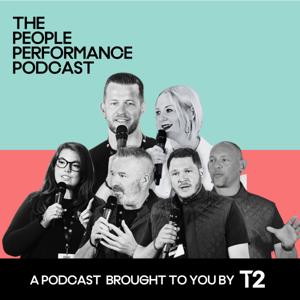

In this Leader Lounge episode Martin discusses the linked concepts of cognitive dissonance and confirmation bias.
Cognitive Dissonance
Definition: The mental discomfort experienced when a person holds two or more conflicting beliefs or when their actions contradict their beliefs/values. It's the psychological tension of knowing something isn't right or won't serve you well, but doing it anyway.
Example: Knowing smoking is bad for you but doing it regardless.
Result: It can feel uncomfortable and create a strong desire for avoidance.
Confirmation Bias
Definition: The tendency to search for, interpret, and recall information in a way that confirms your pre-existing beliefs, while ignoring or downplaying contradictory evidence.
Process: When you predetermine an outcome, you reframe evidence that suggests you are wrong or search for opposing evidence to back up your own narrative. This is done to avoid challenging your own beliefs.
Link to Dissonance: Confirmation bias is presented as the strategy for dealing with cognitive dissonance. Because admitting you are wrong is difficult and uncomfortable, confirmation bias provides an easier way to justify your actions and avoid confronting reality.
Closed Loop Thinking (Confirmation Bias): Pre-determining the outcome, closing off the loop, and only seeking information that confirms your initial position.
Open Loop Thinking (The Strategy): Not pre-determining the outcome or fixing views too early, and instantly asking, "Am I right?".
This is a positive approach because it pauses natural confirmation bias.
It involves seeking facts, evidence, reflection, and other people's points of view (especially those with polar opposite views).
This vulnerability and effort can lead to a more balanced position and help seek the truth.
Martin also talks about external influences, such as friends who only validate your narrative or social media, can supercharge confirmation bias. Ultimately, the choice is between fighting to reinforce your narrative (confirmation bias/stubbornness) or choosing the harder path of open-loop thinking, admission, accountability, and vulnerability
Social LinksInstagram - ttps://www.instagram.com/peopleperformancepodcast/LinkedIn - https://www.linkedin.com/company/t2-thepeopleperformancepeopleTikTok - https://www.tiktok.com/@peopleperformancepod
 View all episodes
 By T2 - The People Performance People
5
22 ratings
In this Leader Lounge episode Martin discusses the linked concepts of cognitive dissonance and confirmation bias.
Cognitive Dissonance
Definition: The mental discomfort experienced when a person holds two or more conflicting beliefs or when their actions contradict their beliefs/values. It's the psychological tension of knowing something isn't right or won't serve you well, but doing it anyway.
Example: Knowing smoking is bad for you but doing it regardless.
Result: It can feel uncomfortable and create a strong desire for avoidance.
Confirmation Bias
Definition: The tendency to search for, interpret, and recall information in a way that confirms your pre-existing beliefs, while ignoring or downplaying contradictory evidence.
Process: When you predetermine an outcome, you reframe evidence that suggests you are wrong or search for opposing evidence to back up your own narrative. This is done to avoid challenging your own beliefs.
Link to Dissonance: Confirmation bias is presented as the strategy for dealing with cognitive dissonance. Because admitting you are wrong is difficult and uncomfortable, confirmation bias provides an easier way to justify your actions and avoid confronting reality.
Closed Loop Thinking (Confirmation Bias): Pre-determining the outcome, closing off the loop, and only seeking information that confirms your initial position.
Open Loop Thinking (The Strategy): Not pre-determining the outcome or fixing views too early, and instantly asking, "Am I right?".
This is a positive approach because it pauses natural confirmation bias.
It involves seeking facts, evidence, reflection, and other people's points of view (especially those with polar opposite views).
This vulnerability and effort can lead to a more balanced position and help seek the truth.
Martin also talks about external influences, such as friends who only validate your narrative or social media, can supercharge confirmation bias. Ultimately, the choice is between fighting to reinforce your narrative (confirmation bias/stubbornness) or choosing the harder path of open-loop thinking, admission, accountability, and vulnerability
Social LinksInstagram - ttps://www.instagram.com/peopleperformancepodcast/LinkedIn - https://www.linkedin.com/company/t2-thepeopleperformancepeopleTikTok - https://www.tiktok.com/@peopleperformancepod
1,810 Listeners

62 Listeners

140 Listeners

8,876 Listeners

3,903 Listeners
1,101 Listeners
131 Listeners
575 Listeners
2,230 Listeners

232 Listeners
260 Listeners

3,858 Listeners

2,131 Listeners
368 Listeners

13 Listeners