
Sign up to save your podcasts
Or

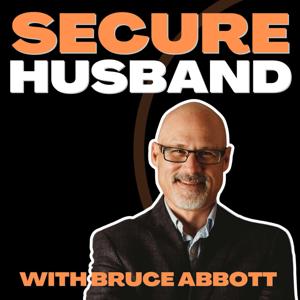


The fearful avoidant husband can feel trapped between two powerful thoughts: “I want to save my marriage” and “I cannot live like this forever.”
In this episode of The Secure Husband Podcast, Bruce Abbott explains three broad options when you feel stuck in an unhappy marriage.
Option one: Stay where you are. You can accept the marriage as it is. You may stop asking for affection, sex, emotional connection, or better communication. The marriage stays together, but you may slowly make yourself smaller to keep the peace.
Option two: Leave. Divorce is a real adult choice. That does not mean threatening divorce during an argument or using it to scare your wife into changing. It means recognizing that you are not trapped and that you have choices.
Option three: Work on becoming secure.
This third option is where the real work begins. You stop asking, “How do I get my wife to change?” and start asking, “What do I actually need in a healthy marriage?”
Becoming secure does not mean learning to live without affection, sex, connection, or emotional intimacy. It means learning to communicate your needs without attacking, begging, manipulating, or abandoning yourself.
You learn to regulate before you communicate. You identify what matters. You set healthy boundaries. Then you give your spouse the freedom to respond.
Your marriage may improve as you change your side of the relationship. You may also become more secure and discover that your spouse cannot or will not build the type of marriage you need.
Either way, you gain something important: clarity.
The goal is not to control your wife or win the marriage. The goal is to become secure enough to love another person without disappearing from your own life.
TAKE THE NEXT STEP
📚 FREE & LOW-COST SELF-GUIDED COURSES
https://securehusband.com/resources
🤝 LEARN ABOUT BRUCE ABBOTT & ONE-ON-ONE COACHING
https://securehusband.com
📞 SCHEDULE A FREE 30-MINUTE CONSULTATION
https://securehusband.com
Just a conversation about what is happening in your marriage and how coaching might work for you. No sales pitch. No pressure. Just seeing if it is a good fit and how I can help.
#FearfulAvoidant #AnxiousAttachment #DismissiveAvoidant #MarriageAdvice #AttachmentStyles
#deadbedroom
#sexlessmarriage
All content is for informational purposes only and does not provide medical or psychological diagnosis or treatment. Always consult your physician before starting any treatment or therapy. This includes all content on this site, email, blogs, podcasts, social media, and events. Nothing shared constitutes medical or legal advice. Use of this information is at your own risk.
About 90% of the men I work with are fearful avoidant. What does that mean?
In this first episode of The Fearful Avoidant Husband Podcast Series, Bruce Abbott looks at why some husbands can appear highly anxious when they are married to a dismissive avoidant wife.
You want affection, sex, emotional connection, and reassurance. Your wife pulls away, so you pursue. You explain more, initiate more, analyze the relationship, and keep trying to close the distance.
That looks like anxious attachment.
But what happens after years of rejection and disappointment?
You may suddenly shut down. You stop initiating. You become cold. You think about divorce. You tell yourself you do not need her anymore. Then your wife moves toward you and another part of you thinks, “Too late. I don't trust it anymore.”
That movement between wanting connection and protecting yourself from connection can be an important sign of fearful avoidant attachment.
This episode explores the fearful avoidant husband, anxious attachment, dismissive avoidant relationships, hypervigilance, resentment, scorekeeping, protest behavior, emotional shutdown, sexual rejection, and the push-pull relationship cycle.
You will also learn why wanting intimacy does not always mean that you trust intimacy. A fearful avoidant husband may desperately want to feel close to his wife while also protecting himself from the vulnerability that real closeness requires.
The goal is not to use an attachment style as an excuse or another label.
The goal is to start noticing your own movement.
When your wife pulls away, do you chase?
When you feel rejected, do you eventually shut down?
When you get angry, do you start building a case using years of old evidence?
When you withdraw, are you protecting yourself, or are you hoping she finally notices and comes after you?
Understanding the pattern is the beginning. Becoming secure means learning what to do differently when your nervous system tells you that you are about to get hurt.
This series will explore the fearful avoidant husband and dismissive avoidant wife, childhood attachment wounds, resentment, protest behavior, mind reading, emotional shutdown, sex and intimacy, boundaries, and the path toward secure attachment.
TAKE THE NEXT STEP
📚 FREE & LOW-COST SELF-GUIDED COURSES
https://securehusband.com/resources
🤝 LEARN ABOUT BRUCE ABBOTT & ONE-ON-ONE COACHING
https://securehusband.com
📞 SCHEDULE A FREE 30-MINUTE CONSULTATION
https://securehusband.com
Just a conversation about what is happening in your marriage and how coaching might work for you. No sales pitch. No pressure. Just seeing if it is a good fit and how I can help.
#FearfulAvoidant #AnxiousAttachment #DismissiveAvoidant #AttachmentStyles #MarriageAdvice
#deadbedroom
#sexlessmarriage
All content is for informational purposes only and does not provide medical or psychological diagnosis or treatment. Always consult your physician before starting any treatment or therapy. This includes all content on this site, email, blogs, podcasts, social media, and events. Nothing shared constitutes medical or legal advice. Use of this information is at your own risk.
Why does someone being upset with you feel so uncomfortable?
For many people with anxious attachment, disapproval can feel like danger. Your wife gets irritated, your boss criticizes you, or someone disagrees with a boundary, and your nervous system immediately wants to fix the situation.
You explain more. You apologize. You soften your boundary. You change your answer. You try to make the other person happy again so you can finally relax.
In this final episode of The Secure Husband Shame Podcast Series, Bruce Abbott explains how fear of disapproval can develop in childhood and follow us into adult relationships.
If you learned early that anger, disappointment, silence, or withdrawal could threaten connection, you may have learned to keep people happy. As an adult, that can turn into people pleasing, overexplaining, weak boundaries, anxiety, and self-abandonment.
Shame makes the pattern even stronger because another person's reaction can become an identity judgment.
My wife is angry with me becomes I am selfish.
My boss criticized my work becomes I am incompetent.
My child is disappointed with me becomes I am a bad father.
Becoming secure means learning to separate the facts from those shame-based conclusions.
Someone can disagree with you without you being wrong. Someone can be disappointed without you needing to fix their feelings. You can listen, consider their feedback, apologize when needed, and still stay connected to yourself.
The goal is not to stop caring what people think.
The goal is to care without being controlled, listen without collapsing, and take responsibility without taking all responsibility.
Disapproval may still feel dangerous. But that feeling does not always mean you are actually in danger.
TAKE THE NEXT STEP
📚 FREE & LOW-COST SELF-GUIDED COURSES
https://securehusband.com/resources
🤝 LEARN ABOUT BRUCE ABBOTT & ONE-ON-ONE COACHING
https://securehusband.com
📞 SCHEDULE A FREE 30-MINUTE CONSULTATION
https://securehusband.com
Just a conversation about what is happening in your marriage and how coaching might work for you. No sales pitch. No pressure. Just seeing if it is a good fit and how I can help.
#AnxiousAttachment #PeoplePleasing #MarriageAdvice #AttachmentStyles #RelationshipAdvice
#deadbedroom
#sexlessmarriage
All content is for informational purposes only and does not provide medical or psychological diagnosis or treatment. Always consult your physician before starting any treatment or therapy. This includes all content on this site, email, blogs, podcasts, social media, and events. Nothing shared constitutes medical or legal advice. Use of this information is at your own risk.
I recently received a comment on my podcast about shame.
"Dude, I'm not a failure as a Husband. It's her avoidance."
What if you know you are a good husband? What if you know you deserve affection, intimacy, and emotional connection? Can shame still be affecting your marriage?
Yes, because shame does not always sound like “I am a failure.” Sometimes it shows up through self-abandonment.
In this episode of The Secure Husband Podcast, Bruce Abbott looks at a common pattern in anxious attachment. You may know your wife's avoidant behavior is not your fault, yet still spend huge amounts of energy trying to convince her that your needs matter.
You explain more. You try harder. You become more careful. You give more space. You initiate more connection. You keep searching for the right words that will finally make your wife understand.
Eventually, you get angry.
That anger may be valid. Your marriage may have real problems. But there is another question worth asking:
If I truly know my worth, why am I working this hard to convince somebody else that my needs matter?
This episode explores anxious attachment, dismissive avoidant relationships, hidden contracts, boundaries, anger, chasing, protest behavior, and self-abandonment.
Becoming secure does not mean ignoring your wife's behavior or accepting an unhappy marriage. It means learning to separate what belongs to her from what belongs to you.
Her avoidance belongs to her. Your chasing belongs to you.
Her lack of affection belongs to her. Trying endlessly to earn that affection belongs to you.
You do not need your spouse to agree with your feelings before you can trust yourself. You can understand her wounds while still saying, “This does not work for me.”
Becoming secure is more than knowing you have value.
It means learning to behave like you believe it.
TAKE THE NEXT STEP
📚 FREE & LOW-COST SELF-GUIDED COURSES
https://securehusband.com/resources
🤝 LEARN ABOUT BRUCE ABBOTT & ONE-ON-ONE COACHING
https://securehusband.com
📞 SCHEDULE A FREE 30-MINUTE CONSULTATION
https://securehusband.com
Just a conversation about what is happening in your marriage and how coaching might work for you. No sales pitch. No pressure. Just seeing if it is a good fit and how I can help.
#AnxiousAttachment #MarriageAdvice #DismissiveAvoidant #AttachmentStyles #RelationshipAdvice
#deadbedroom
#sexlessmarriage
All content is for informational purposes only and does not provide medical or psychological diagnosis or treatment. Always consult your physician before starting any treatment or therapy. This includes all content on this site, email, blogs, podcasts, social media, and events. Nothing shared constitutes medical or legal advice. Use of this information is at your own risk.
Shame grows in secrecy. It tells you that if people really knew you, they might reject you, judge you, or stop loving you.
In this episode of The Secure Husband Podcast, Bruce Abbott talks about what happens when shame pushes you to hide parts of yourself. You may feel shame about addiction, anxiety, anger, jealousy, sex, money, failure, your body, past mistakes, or simply not being the person you think you should be.
Shame says, “There is something wrong with me.” That belief can cause you to hide, tell half-truths, avoid hard conversations, or pretend everything is fine.
Bringing shame into the light does not mean telling everyone everything. Privacy is healthy. The goal is to stop building your life around the fear of being truly known.
Healing starts by telling yourself the truth. Separate what happened from what shame says it means about you.
“I failed” is different from “I am a failure.”
“I made a bad decision” is different from “I am a bad person.”
Real accountability allows you to admit what happened, make changes, repair what you can, and ask for help. Shame attacks your identity and often sends you back into hiding.
Healing can also mean sharing your struggle with a safe person such as a therapist, close friend, sponsor, pastor, or spouse. Being known by another person and still experiencing connection can challenge the belief that you must remain hidden to be accepted.
You can tell the truth about your mistakes without destroying yourself. You can take responsibility without deciding you are worthless. You can ask for help without making that need proof of weakness.
Shame says, “If this comes into the light, everything will fall apart.”
Sometimes healing begins when you discover that what actually falls apart is the belief that you had to remain hidden to be loved.
TAKE THE NEXT STEP
📚 FREE & LOW-COST SELF-GUIDED COURSES
https://securehusband.com/resources
🤝 LEARN ABOUT BRUCE ABBOTT & ONE-ON-ONE COACHING
https://securehusband.com
📞 SCHEDULE A FREE 30-MINUTE CONSULTATION
https://securehusband.com
Just a conversation about what is happening in your marriage and how coaching might work for you. No sales pitch. No pressure. Just seeing if it is a good fit and how I can help.
#Shame #MarriageAdvice #AnxiousAttachment #MentalHealth #RelationshipAdvice
#deadbedroom
#sexlessmarriage
All content is for informational purposes only and does not provide medical or psychological diagnosis or treatment. Always consult your physician before starting any treatment or therapy. This includes all content on this site, email, blogs, podcasts, social media, and events. Nothing shared constitutes medical or legal advice. Use of this information is at your own risk.
“I shouldn’t have to ask.”
I shouldn’t have to ask my wife for affection. I shouldn’t have to ask her to initiate sex. I shouldn’t have to ask to feel wanted.
Those feelings are understandable. We want affection and desire that feel natural and freely given. But sometimes “I shouldn’t have to ask” really means “I’m afraid to ask.”
In this episode of The Secure Husband Podcast, Bruce Abbott explains how shame and anxious attachment can turn unspoken needs into resentment. Instead of clearly asking for what we want, we may create hidden tests. We stop initiating to see if our wife notices. We hope an anniversary leads to intimacy without talking about it. We become quiet when disappointed and wait for her to figure out why.
There is a difference between begging and communicating.
Begging says, “Please give me something so I can feel okay.”
Secure communication says, “This matters to me, and I want to talk about it.”
You are allowed to want affection, sex, reciprocal effort, and meaningful connection with your wife. Becoming secure does not mean learning to need nothing. It means clearly communicating what matters to you without making your wife's response a verdict on your worth.
And if you communicate clearly but your spouse repeatedly shows no interest in meeting you there, that is important information too.
Sometimes “I shouldn’t have to ask” is also grief. You wish your wife naturally reached for you. That hurts. But grief says, “I wish this were different.” Shame says, “Because it isn't different, something must be wrong with me.”
The goal is to say what you need, listen honestly to the response, and stay connected to yourself either way.
TAKE THE NEXT STEP
📚 FREE & LOW-COST SELF-GUIDED COURSES
https://securehusband.com/resources
🤝 LEARN ABOUT BRUCE ABBOTT & ONE-ON-ONE COACHING
https://securehusband.com
📞 SCHEDULE A FREE 30-MINUTE CONSULTATION
https://securehusband.com
Just a conversation about what is happening in your marriage and how coaching might work for you. No sales pitch. No pressure. Just seeing if it is a good fit and how I can help.
#AnxiousAttachment #MarriageAdvice #SexlessMarriage #RelationshipAdvice #AttachmentStyles
#deadbedroom
#marriage
All content is for informational purposes only and does not provide medical or psychological diagnosis or treatment. Always consult your physician before starting any treatment or therapy. This includes all content on this site, email, blogs, podcasts, social media, and events. Nothing shared constitutes medical or legal advice. Use of this information is at your own risk.
Anxious attachment in marriage is often explained as a fear of abandonment or rejection. But there may be something deeper underneath that fear: shame.
A husband with anxious attachment may worry when his wife pulls away, stops initiating affection, rejects sex, or seems emotionally distant. But the deeper pain may come from what those moments seem to say about him.
I am too needy.
I am undesirable.
I am not worth choosing.
There must be something wrong with me.
In this episode of The Secure Husband Podcast, Bruce Abbott explains how shame can sit underneath anxious-preoccupied attachment and fearful-avoidant attachment, especially when a husband is married to a dismissive avoidant wife.
You may want affection, sex, reassurance, emotional connection, and some sign that your wife wants you. Those desires do not automatically make you needy. The problem starts when you need your wife's response to prove your worth.
This episode also explains why anxious husbands sometimes run hidden tests in their marriages. You stop initiating affection to see if your wife notices. You count how often she kisses you. You wait to see if she reaches for you. You plan something special and watch closely to see how she responds.
You are trying to answer an important question:
“If I stop creating all of the connection, will there be any connection left?”
TAKE THE NEXT STEP
FREE & LOW-COST SELF-GUIDED COURSES
https://securehusband.com/resources
Find practical Secure Husband courses and resources that you can work through at your own pace.
LEARN ABOUT BRUCE ABBOTT & ONE-ON-ONE COACHING
https://securehusband.com
Learn more about Bruce Abbott, The Secure Husband Process, and one-on-one coaching.
SCHEDULE A FREE 30-MINUTE CONSULTATION
https://securehusband.com
This is simply a conversation about what is happening in your marriage and how coaching might work for you. No sales pitch. No pressure. Just seeing if it is a good fit and how I can help.
#AnxiousAttachment #AttachmentStyles #MarriageAdvice #RelationshipAdvice #DismissiveAvoidant
#deadbedroom
#marriage
#sexlessmarriage
All content is for informational purposes only and does not provide medical or psychological diagnosis or treatment. Always consult your physician before starting any treatment or therapy. This includes all content on this site, email, blogs, podcasts, social media, and events. Nothing shared constitutes medical or legal advice. Use of this information is at your own risk.
What does shame have to do with a sexless marriage? More than most husbands realize.
Repeated sexual rejection can slowly change from “My wife does not want sex” into “My wife does not want me.” Then it can become “I am not desirable” or even “There is something wrong with me.” That is where sexual rejection can turn into shame.
In this episode of The Secure Husband Podcast, Bruce Abbott explains how shame can affect both spouses in a sexless marriage. A husband may feel unwanted, unattractive, or rejected. His wife may feel shame because she does not understand why she has little desire or why sex has become difficult. Both spouses can become defensive without understanding what is happening underneath the conflict.
Sex can also start carrying too much emotional weight. A husband may need his wife to initiate because initiation feels like proof that she desires him. He may look to sex for reassurance that he is attractive, loved, masculine, or enough. This creates pressure around sex and can make real desire even harder to rebuild.
Wanting mutual sexual desire is healthy. Wanting to feel desired by your wife is valid. The problem starts when your wife's sexual response becomes the final measure of your worth. There is a major difference between “I want a marriage where sexual desire is mutual” and “I need her desire to prove that I have value.”
Becoming secure does not mean accepting a sexless marriage or pretending that sex no longer matters. It means separating your self-worth from your wife's sexual response. You can believe “I have worth whether my wife desires me or not” while also saying “I want a marriage where I am desired.” Both can be true.
This week, ask yourself one question when you feel the pain of sexual rejection:
What am I making this mean about me?
That question can help you separate a real marriage problem from the shame that says the problem proves something is wrong with you.
TAKE THE NEXT STEP
📚 FREE & LOW-COST SELF-GUIDED COURSES
https://securehusband.com/resources
Find self-guided courses and resources to help you become more secure and improve your marriage.
🤝 LEARN ABOUT BRUCE & ONE-ON-ONE COACHING
https://securehusband.com
Learn more about Bruce Abbott, The Secure Husband Process, and one-on-one coaching.
📞 SCHEDULE A FREE 30-MINUTE CONSULTATION
https://securehusband.com/contact
This is simply a conversation about what is happening in your marriage and how coaching might work for you. No sales pitch. No pressure. Just a chance to see if it is a good fit and how I can help.
#SexlessMarriage #DeadBedroom #MarriageAdvice #RelationshipAdvice #EmotionalIntimacy #shame #attachmentstyles
All content is for informational purposes only and does not provide medical or psychological diagnosis or treatment. Always consult your physician before starting any treatment or therapy. This includes all content on this site, email, blogs, podcasts, social media, and events. Nothing shared constitutes medical or legal advice. Use of this information is at your own risk.
Shame often hides underneath anxious attachment, fear of rejection, people pleasing, anger, defensiveness, and relationship anxiety. You may never think, “I feel shame.” Instead, you may hear an old voice that says, “Something is wrong with me.”
In this first episode of The Shame Podcast Series, Bruce Abbott explains how shame can quietly shape your marriage and your attachment style. Shame can turn your wife's rejection into “I am undesirable.” Her need for space can become “I am too much.” Her disappointment can become “I am a failure.” A relationship problem can quickly become a judgment about your worth.
You will also learn the important difference between guilt and shame. Guilt says, “I did something wrong.” Shame says, “I am something wrong.” That difference can explain why criticism, sexual rejection, conflict, and emotional distance can create such powerful reactions.
This episode also looks at the connection between childhood wounds and adult attachment. An anxious husband may chase connection because rejection activates an old fear that he is not worth choosing. A dismissive avoidant spouse may pull away because vulnerability, need, or criticism creates her own painful feelings. These patterns can create the anxious-avoidant cycle that keeps both spouses stuck.
Healing does not mean that your needs no longer matter. You can still want affection, sex, emotional intimacy, and connection with your wife. The deeper question is this: What are you asking your wife's behavior to prove about you?
Becoming secure means learning that rejection does not define your worth. You can make a mistake without becoming a failure. You can hear no without deciding that you are undesirable. You can face someone's disappointment without believing something is wrong with you.
This week, start noticing the voice beneath your strongest reactions. Ask yourself: What happened? What did I feel? What does my mind say this means about me? That final question may help you see shame that has been hiding beneath your relationship patterns for years.
TAKE THE NEXT STEP
📚 FREE & LOW-COST SELF-GUIDED COURSES
https://SecureHusband.com/resources
🤝 LEARN ABOUT BRUCE & ONE-ON-ONE COACHING
https://SecureHusband.com
📞 SCHEDULE A FREE 30-MINUTE CONSULTATION
https://SecureHusband.com/contact
This is simply a conversation about what is happening in your marriage and how coaching might work for you. No sales pitch. No pressure. We will just see if it is a good fit and how I can help.
If this episode connects with your story, subscribe to The Secure Husband Podcast. This Shame Podcast Series will explore shame and anxious attachment, rejection, people pleasing, criticism, anger, sexless marriage, childhood wounds, and becoming secure.
#AnxiousAttachment #AttachmentStyles #MarriageAdvice #RelationshipAdvice #Shame
#deadbedroom
#marriage
#sexlessmarriage
#MarriageHelp
All content is for informational purposes only and does not provide medical or psychological diagnosis or treatment. Always consult your physician before starting any treatment or therapy. This includes all content on this site, email, blogs, podcasts, social media, and events. Nothing shared constitutes medical or legal advice. Use of this information is at your own risk.
How do you know when it is time to stop trying to save your marriage?
That is one of the hardest questions a husband can face.
In this final episode of The Invisible Marriage Podcast Series, Bruce Abbott talks about the difference between making a decision from fear and making a decision from clarity. He explains why becoming secure is not about learning to tolerate loneliness. It is about healing your attachment wounds, telling the truth about your marriage, and deciding what kind of life you are willing to live.
This episode covers:
Why you should not make life-changing decisions while your nervous system is in panic mode.
The difference between healthy desires and anxious neediness.
Why becoming secure helps you see your marriage more clearly.
How to know if you are staying because of love or because of fear.
Why acceptance does not mean agreeing to stay in a relationship forever.
The difference between honoring your marriage and abandoning yourself.
How boundaries become real when they include honest choices.
Why children, finances, and history matter, but should not become the only reasons you stay.
The question every husband should ask before deciding whether to stay or leave.
This episode is not about encouraging divorce. It is about becoming healthy enough to make wise decisions instead of fearful ones. A secure husband does not stay because he feels trapped. He stays because he freely chooses the marriage. If he cannot honestly choose it, he must face that reality with courage and integrity.
If you have spent years feeling emotionally alone, living like roommates, or wondering if your marriage can still become healthy, this episode will challenge you to stop avoiding reality and begin making decisions from truth instead of fear.
NEXT STEPS
📚 Free & Low-Cost Self-Guided Courses
https://securehusband.com/resources
Practical courses to help you become more secure, build emotional strength, and improve your marriage at your own pace.
🤝 Learn More About The Secure Husband & One-on-One Coaching
https://securehusband.com
Learn more about Bruce Abbott, The Secure Husband Process, and personal coaching.
📞 Schedule a FREE 30-Minute Consultation
https://securehusband.com
If you'd like to talk about what's happening in your marriage, schedule a free 30-minute consultation. This is simply a conversation about your situation and how coaching might help. There is no sales pitch and no pressure. We will simply see if it is a good fit and how I can help.
If this episode helped you, please:
✅ Subscribe to The Secure Husband Podcast
✅ Leave a review
✅ Share this episode with someone who feels alone in their marriage
Your support helps more men find hope and begin becoming secure.
#MarriageAdvice #RelationshipAdvice #EmotionalIntimacy #AttachmentStyle #MarriageHelp
#deadbedroom
#sexlessmarriage
All content is for informational purposes only and does not provide medical or psychological diagnosis or treatment. Always consult your physician before starting any treatment or therapy. This includes all content on this site, email, blogs, podcasts, social media, and events. Nothing shared constitutes medical or legal advice. Use of this information is at your own risk.
From the publisher's feed

227,535 Listeners

3,452 Listeners

152,896 Listeners

1,514 Listeners
572 Listeners

13,072 Listeners

111,852 Listeners

136 Listeners

305 Listeners
1,147 Listeners
4,223 Listeners
1,057 Listeners
234 Listeners