
Sign up to save your podcasts
Or

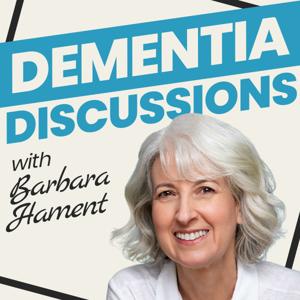

In this episode, I sit down with dementia counselor, educator, and author Tami Anastasia for a deeply meaningful conversation about what really drives behavior in dementia care. We go beyond surface-level symptoms and talk about the powerful role personal history, emotional patterns, and past trauma play once the brain can no longer filter or suppress them. This is one of those conversations that can completely change how you see dementia caregiving.
Tami joins me to discuss her newest book, Dementia Caregiving & Personal History: How to Help Cope, Connect, and Heal, and why this journey—painful as it is—can also be an opportunity for healing for both caregivers and those living with dementia. We explore how connection replaces correction, why the soul does not get dementia, and how caregivers can respond with empathy, reassurance, and boundaries instead of guilt
Episode Highlights:
[0:00] – When words fail, how caregivers can still connect by speaking to the soul
[1:26] – Introducing Tami Anastasia and her work in dementia counseling and education
[3:27] – Why dementia behaviors often connect to unresolved personal history
[6:45] – How past trauma resurfaces when coping mechanisms disappear
[9:01] – Caring for someone who didn’t take care of you—and setting boundaries
[12:11] – Using personalized language to reduce agitation and fear
[16:16] – Honoring identity and work history in dementia care
[19:02] – Caregiver guilt, grief, and the emotional weight of placement decisions
[24:23] – Fear-based family histories and nighttime paranoia
[29:16] – Personality traits intensifying as dementia progresses
[31:56] – Listening to emotional themes, not just words
[34:56] – The power of non-verbal connection when language breaks down
[38:01] – Giving caregivers permission to acknowledge their limits
[40:05] – How to find Tami’s books and upcoming audiobook release
Links & Resources:
Tami Anastasia's Book Dementia, Caregiving, and Personal History: How to Help, Cope, Connect, and Heal: https://a.co/d/4qoXZ2d
Do you have a caregiving story to share? Barbara would love to hear from you! Please leave her a message at 310-362-8232 or send her an email through DementiaDiscussions.net. If you found value in today's episode, please don't forget to rate, follow, share, and leave a review. Your feedback helps us reach more listeners and continue producing this content.
 View all episodes
 By Barbara Hament

4.9
2323 ratings
In this episode, I sit down with dementia counselor, educator, and author Tami Anastasia for a deeply meaningful conversation about what really drives behavior in dementia care. We go beyond surface-level symptoms and talk about the powerful role personal history, emotional patterns, and past trauma play once the brain can no longer filter or suppress them. This is one of those conversations that can completely change how you see dementia caregiving.
Tami joins me to discuss her newest book, Dementia Caregiving & Personal History: How to Help Cope, Connect, and Heal, and why this journey—painful as it is—can also be an opportunity for healing for both caregivers and those living with dementia. We explore how connection replaces correction, why the soul does not get dementia, and how caregivers can respond with empathy, reassurance, and boundaries instead of guilt
Episode Highlights:
[0:00] – When words fail, how caregivers can still connect by speaking to the soul
[1:26] – Introducing Tami Anastasia and her work in dementia counseling and education
[3:27] – Why dementia behaviors often connect to unresolved personal history
[6:45] – How past trauma resurfaces when coping mechanisms disappear
[9:01] – Caring for someone who didn’t take care of you—and setting boundaries
[12:11] – Using personalized language to reduce agitation and fear
[16:16] – Honoring identity and work history in dementia care
[19:02] – Caregiver guilt, grief, and the emotional weight of placement decisions
[24:23] – Fear-based family histories and nighttime paranoia
[29:16] – Personality traits intensifying as dementia progresses
[31:56] – Listening to emotional themes, not just words
[34:56] – The power of non-verbal connection when language breaks down
[38:01] – Giving caregivers permission to acknowledge their limits
[40:05] – How to find Tami’s books and upcoming audiobook release
Links & Resources:
Tami Anastasia's Book Dementia, Caregiving, and Personal History: How to Help, Cope, Connect, and Heal: https://a.co/d/4qoXZ2d
Do you have a caregiving story to share? Barbara would love to hear from you! Please leave her a message at 310-362-8232 or send her an email through DementiaDiscussions.net. If you found value in today's episode, please don't forget to rate, follow, share, and leave a review. Your feedback helps us reach more listeners and continue producing this content.

113,121 Listeners
169 Listeners

5,013 Listeners
56 Listeners

2,131 Listeners

10,660 Listeners

20,222 Listeners

1,631 Listeners

10,883 Listeners
47 Listeners
16 Listeners

1,183 Listeners

769 Listeners

8,854 Listeners