
Sign up to save your podcasts
Or



In this episode, nutrition researcher Flaminia Ortenzi—PhD candidate and longtime colleague at the Global Alliance for Improved Nutrition (GAIN)—joins the show to break down the Nutritional Value Score (NVS), a new food rating system we co-developed and recently published in the Journal of Nutrition that scores foods from 1 to 100 based on both nutrient density and protection from chronic diseases. Flaminia walks through the seven components that make up the score—vitamins, minerals, protein quality, omega-3s, fiber, calorie density, and nutrient ratios like sodium-to-potassium and saturated-to-unsaturated fat—and explains why existing systems like Nutri-Score and Health Star Rating fall short, often giving high marks to sugary cereals while penalizing sardines. We reveal the top-scoring food groups (dark green leafy vegetables, organ meats, and fatty fish), the single food that scored a perfect 100 (it's not what you'd expect), and why both low-carb and plant-based camps have found reasons to disagree with us—which we take as a sign the system is working.
The second half digs into the practical applications and honest limitations. Flaminia explains how the NVS was designed to guide food policy and programs globally—helping organizations decide which foods to promote in markets, supply chains, and consumer awareness campaigns—and how it could be adapted for front-of-package labeling and mobile apps. We discuss the enormous challenge of food composition data gaps, especially for indigenous and traditional foods where the only nutritional data comes from individual papers at local universities. Flaminia also addresses the system's key limitation as a relative score that shifts when the dataset changes, why beef scores a surprisingly solid 59 for different reasons than soy milk's 61, and how using nutritional value as the functional unit in environmental and affordability assessments completely reshuffles the conventional rankings—with fish and even ruminant meat often outperforming legumes and nuts per unit of nutritional value delivered.
Timestamps
00:00 Introduction to Nutritional Value Score (NVS)
02:29 Development and Evolution of NVS
05:30 Components of the Nutritional Value Score
08:21 Tailoring NVS for Specific Populations
11:20 Challenges in Food Composition Data
14:15 Top Scoring Foods and Nutritional Insights
17:28 Lowest Scoring Foods and Dietary Implications
20:27 Applications of NVS in Policy and Programs
23:36 Understanding Nutri-Score and Health Star Rating
27:30 The Role of Mobile Apps in Food Choices
29:35 Challenges in Data Collection for Food Scoring
31:17 Limitations of the Nutritional Value Score System
33:45 Debating the Scores of Whole Grains and Dairy
36:44 Comparing Nutritional Quality: Beef vs. Soy Products
44:30 Integrating Nutritional Value in Environmental Assessments
Nutritional Value Score Rates Foods Based on Nutrient Density and Noncommunicable Disease Prevention: https://jn.nutrition.org/article/S0022-3166(26)00092-1/fulltext
Connect with Ty
YouTube: https://www.youtube.com/@TyBealPhD
In this episode, Professor John Speakman—biologist at the University of Aberdeen and the Chinese Academy of Sciences, and one of the world's foremost experts on energy balance—joins the show to reveal what a 1,200-mouse feeding study and 30,000 human data points have uncovered about why we really gain weight. The answer isn't fat alone and it isn't carbs alone—it's a specific combination of the two, around 40–50% fat and 20–30% carbohydrate by calories, that sits at the peak of a "mountain" of weight gain. John explains why both low-fat and low-carb diets work (they're descending opposite sides of the same mountain), and then drops the evolutionary bombshell: that peak maps almost perfectly onto the macronutrient composition of breast milk—a reward signal hardwired into our brains from infancy that was never switched off because, until the modern food environment, no natural food matched it. We also dig into why John doesn't find the carbohydrate-insulin model convincing, his attempts to replicate David Ludwig's glycemic index findings, and why he believes adversarial collaborations are the only way to break the impasse in nutrition science.
The second half covers the deeper forces behind the obesity pandemic. John walks through his doubly labeled water analysis of over 6,000 people showing that physical activity hasn't actually declined—instead, basal metabolic rate has quietly dropped over the past century, with two surprising potential drivers: reduced infection burden and the dietary shift from saturated animal fats to linoleic acid–rich seed oils. We explore why people underreport about 30% of what they eat and why that error gets worse at higher BMIs, making diet-disease epidemiology far shakier than most authorities acknowledge. John then lays out his "drifty gene" hypothesis—a provocative alternative to the thrifty gene idea, arguing that once early humans eliminated predators, the upper limit on body weight drifted apart across the population with no selective pressure to rein it in. We close with his "clean cupboards" framework for calorie restriction and longevity: the body isn't strategically investing in repair—it's just trying to survive until tomorrow, cleaning out junk proteins and dead cells along the way, with real benefits but also real trade-offs in immune function and wound healing.
Timestamps
00:00 Introduction to Energy Balance and Doubly Labeled Water
07:36 Surprising Findings on Energy Expenditure Across Lifespan
12:48 The Obesity Epidemic: Intake vs. Expenditure
18:59 Declining Basal Metabolic Rate: Causes and Implications
22:53 Dietary Composition: The Role of Macronutrients in Weight Gain
34:17 The Role of Breast Milk in Reward Systems
37:52 Dietary Flexibility and Cultural Variations
38:20 Debating the Carbohydrate Insulin Model
45:46 The Need for Collaborative Research in Nutrition
49:41 Challenges in Dietary Reporting and Accuracy
56:39 The Drifty Gene Hypothesis vs. Thrifty Gene Hypothesis
01:13:05 Caloric Restriction and Longevity: The Clean Cupboards Concept
Connect with Ty
YouTube: https://www.youtube.com/@TyBealPhD
In this episode, Professor Tim Spector—epidemiologist at King's College London, co-founder of ZOE, and one of the world's most cited scientists—joins the show to share what 15 years of pioneering microbiome research has revealed about human health. We start with the finding that upended his career: identical twins, despite sharing 100% of their DNA and a childhood home, share only about 25% of their gut microbe species—meaning 75% of your microbiome is entirely unique to you. From there, we explore the landmark ZOE feeding study of 1,000 twins, which found up to a tenfold difference in blood fat and glucose responses to identical meals, and Tim's new Nature paper on 30,000 ZOE participants that introduces a more sophisticated gut health scoring system—moving beyond crude diversity metrics to a ratio of beneficial to harmful microbes linked to immune function, metabolism, and body composition. We also break down the difference between prebiotics and probiotics, why Tim's Biome trial found prebiotics deliver roughly 9–10 times more benefit to gut health scores than a standard lactobacillus probiotic, and how just small, regular amounts of fermented foods can reduce inflammatory markers by up to 25%.
The second half of the conversation turns to practical application. Tim walks through his six core principles for gut-centered eating—including why 30 different plants per week is the sweet spot, how to eat the rainbow for polyphenols, why calories are a misleading lens for evaluating food, and how pivoting your protein toward high-fiber legumes serves both muscle and microbiome. We dig into the surprising science on coffee (it's a fermented bean, packed with 600+ polyphenols, a source of fiber, and linked to a 20–25% reduction in heart disease and stroke risk), the specific additives and hyper-palatability tricks that make ultra-processed foods uniquely harmful beyond just their calorie content, and the emerging science of the gut-brain axis—where 80% of vagal nerve signals travel from the gut to the brain, and where gut-friendly diets are now showing effects comparable to antidepressants in clinical trials. Tim also shares his thinking on why rates of bowel cancer in people in their 30s and 40s have tripled, and what that signals about a generation raised on ultra-processed food.
Timestamps
00:00 The Microbiome Revolution Begins
02:39 Understanding Gut Microbiome Diversity
05:47 Personalized Nutrition and Microbiome Clusters
08:46 Causation vs Correlation in Microbiome Research
11:33 Prebiotics vs Probiotics: Understanding Their Roles
14:41 Personalized Nutrition Insights from Microbiome Testing
17:37 The Importance of Dietary Diversity
20:47 Mindful Eating and Technology's Role
23:44 Challenges of Fiber in Diets
29:32 Transitioning to a High Fiber Diet
34:03 The Importance of Long-Term Dietary Changes
36:33 Key Principles for a Healthy Diet
41:14 The Role of Coffee in Gut Health
48:19 Understanding Ultra-Processed Foods
52:46 The Gut-Brain Connection
57:46 Dietary Risks for Bowel Cancer
Zoe: https://zoe.com/en-us
Connect with Ty
YouTube: https://www.youtube.com/@TyBealPhD
In this episode, evolutionary anthropologist Dr. Herman Pontzer—one of the world's leading researchers on human metabolism and energy expenditure at Duke University—joins the show to share what decades of fieldwork with the Hadza hunter-gatherers of Tanzania have revealed about how our bodies really work. We explore what hunter-gatherers actually eat (spoiler: it's not the all-meat paleo diet you've been sold), why the healthiest hearts ever measured belong to a community whose staple foods are unrefined carbohydrates, and the shocking finding that the Hadza—despite walking up to 19,000 steps a day—burn no more calories than sedentary Americans. Dr. Pontzer explains his groundbreaking "constrained energy" model and why your body quietly reallocates energy from inflammation, stress hormones, and reproductive functions when you exercise more, rather than simply burning extra fuel.
We also dive into Dr. Pontzer's landmark Science paper on metabolism across the human lifespan, which upends the popular belief that a slowing metabolism causes middle-age weight gain. The data from over 6,000 people show that your metabolic rate holds remarkably steady from your mid-20s all the way into your late 50s—meaning diet, not metabolism, is what's really driving the obesity crisis. Dr. Pontzer shares practical takeaways: prioritize minimally processed foods, get your fiber and protein, and stop blaming your metabolism for weight gain. The conversation closes with a powerful reflection on what modern life has lost—community, presence, and a healthier relationship with time—drawn from his years living among the Hadza. Dr. Pontzer also introduces his new book Adaptable, a guide to understanding human biology through the lens of evolution.
Timestamps
00:00 Introduction to Human Metabolism and Energy Expenditure
02:35 Hunter-Gatherer Diets: What Do They Really Eat?
09:38 The Role of Honey in the Hadza Diet
10:25 Translating Evolutionary Diets to Modern Contexts
12:14 Health Status of Hunter-Gatherers
14:50 Lipid Profiles and Heart Health in Hunter-Gatherers
19:26 Adaptations of Arctic Diets: The Inuit Example
21:45 Variability in Animal Source Foods Among Hunter-Gatherers
24:29 Debunking Dietary Myths
29:11 Energy Expenditure and the Hadza
32:58 Metabolism Across the Lifespan
42:07 Nutritional Insights from Hunter-Gatherers
47:14 Lessons from the Hadza: Community and Time
50:14 Introducing 'Adaptable': Understanding Human Biology
Herman Pontzer’s Book, Burn: https://www.amazon.com/Burn-Research-Really-Calories-Healthy/dp/0525541527
Herman Pontzer’s Book, Adaptable: https://www.amazon.com/Adaptable-Unique-Really-Biology-Unites/dp/0593539303
Connect with Ty
YouTube: https://www.youtube.com/@TyBealPhD
In this episode, NYT bestselling author and health journalist Max Lugavere joins the show in person in Phoenix for a wide-ranging conversation on brain health, dementia prevention, and the foods that protect your mind. After his mother was diagnosed with a neurodegenerative condition in her fifties, Max left his journalism career to investigate the science of brain health—a mission that produced three bestselling books, the hit podcast The Genius Life, and the acclaimed documentary Little Empty Boxes. We explore the 2024 Lancet Commission’s finding that 45% of dementia cases may be preventable, the specific nutrients the brain needs—from omega-3 fatty acids and carotenoids to anthocyanins, vitamin E, and creatine—and why ultra-processed foods are now being directly linked to increased dementia risk.
We also get into what Max has changed his mind about, including his earlier emphasis on carbohydrates and the insulin model of obesity, and why he now sees energy balance and ultra-processed food consumption as the real drivers of metabolic disease. The conversation covers practical strategies for eating better—including Max’s concept of reducing “friction” in the kitchen—as well as the outsized benefits of walking and resistance training for both metabolic and brain health. Max also shares the deeply personal story behind his documentary Little Empty Boxes, a 10-year tribute to his mother and the evolving science of dementia prevention. Whether you’re looking to optimize your brain health or simply eat better with less effort, this conversation is packed with actionable insights grounded in the latest science.
Timestamps
00:00 Introduction & Max’s Origin Story
04:49 Dementia Prevention: The Lancet Commission & Modifiable Risk Factors
08:08 Brain-Boosting Foods: Omega-3s, Fatty Fish & Nutrient Deficiencies
13:23 Carotenoids, Anthocyanins & the Power of Plant Pigments
20:03 The “Dark Matter” of Food: Unstudied Compounds in Whole Foods
23:24 Creatine for Brain Health: New Research on Cognition & Alzheimer’s
28:05 Saturated Fat, Red Meat & Dairy: A Nuanced View
31:25 What Max Changed His Mind About: Carbs, Insulin & Obesity
36:43 Exercise, Resistance Training & Walking for Brain Health
43:27 NEAT, Movement & Why We’ve Outsourced Our Activity
49:05 Simple Cooking Tips: Reducing Friction in the Kitchen
55:58 Little Empty Boxes: The Documentary About His Mother’s Dementia
Max Lugavere’s YouTube channel: https://www.youtube.com/@maxlugavere
Connect with Ty
YouTube: https://www.youtube.com/@TyBealPhD
In this episode, nutrition scientist Dr. Chris Masterjohn—one of the original voices behind the vitamins A, D, and K balance framework—joins the show for a wide-ranging conversation on bone health, mitochondrial function, and rethinking longevity. We start with a deep dive into why vitamins A, D, and K need to work together as equal partners, how the internet's growing hostility toward vitamin A has reached what Dr. Masterjohn calls a "blow-off top," and why most people probably aren't converting plant-based carotenoids into retinol nearly as well as they think. From there, we explore his first rule of health—think about your mitochondria first—and how the mitochondrial respiratory chain is the final destination where everything you eat becomes the energy currency your body uses to maintain, repair, and rebuild itself. He explains the virtuous and vicious cycles that link energy production and nutrient adequacy, and why his Mitome test is designed to give people actionable, personalized insights rather than just a generic score.
We also get into Dr. Masterjohn's provocative take on longevity: that maximizing your current peak performance is a far better strategy than reverse-engineering what you want to be able to do at 100. He makes a fascinating case using bone mass data, the surprising eight-year longevity advantage of gymnasts and pole vaulters over the general population, and a compelling theory connecting functional movement to immune function and cancer protection through T cell motor proteins. We close with practical wisdom on how to avoid the yo-yo effect in health optimization—maintaining past gains with minimal daily effort while progressively working on your weakest link—and why investing in high-quality testing and interpretation early pays off far more than most people realize.
Timestamps
00:00 Introduction
00:22 Vitamins A, D, and K: Why They Work Together
04:33 The Internet's War on Vitamin A
06:50 Carotenoid-to-Retinol Conversion Problems
10:18 Key Nutrients for Bone Health
16:24 Rule #1: Think About Your Mitochondria First
23:06 The Mitome Test: Actionable Mitochondrial Insights
27:05 A Layered Approach to Nutritional Testing
33:00 Why Peak Performance Beats Reverse-Engineering Longevity
36:30 Gymnasts Live 8 Years Longer Than Average
38:00 T Cells, Motor Proteins, and Functional Movement
41:16 The Dirty Secret of Longevity Science
43:36 Working Toward a Handstand at Any Age
46:12 Injuries, Energy Budgets, and Vicious Cycles
51:30 The Yo-Yo Effect: How to Maintain What You've Built
54:19 Find Your Weakest Link
Connect with Ty
YouTube: https://www.youtube.com/@TyBealPhD
In this episode, Harvard professor and obesity researcher Dr. David Ludwig joins the show to discuss his new paper "Overcoming Impasse in Nutrition Science," published today in Cell Metabolism (https://doi.org/10.1016/j.cmet.2026.01.013). Dr. Ludwig—author of the New York Times bestseller Always Hungry and one of the leading proponents of the carbohydrate-insulin model of obesity—uses the framework of science philosopher Thomas Kuhn to explain why paradigm clash in nutrition has stagnated into paralysis. We walk through the carbohydrate-insulin model versus the energy balance model, then dig into two highly cited clinical trials at the center of this debate: his group's 2018 BMJ feeding study and the 2021 Nature Medicine crossover trial—and why, despite publicly available data, the field has failed to resolve the competing claims from either study.
We then turn to what a path forward looks like: why ad hominem attacks poison the trust needed for collaboration, how professional societies and funders could incentivize adversarial collaboration between opposing researchers, and what a definitive long-term feeding study would need to look like to settle these foundational questions. Whether you follow the carbohydrate-insulin debate closely or just want to understand why nutrition experts can't seem to agree, this conversation is a candid call for humility, rigor, and scientific renewal.
Read Dr. Ludwig's paper on wash-in and washout effects in dietary trials: https://www.bmj.com/content/389/bmj-2024-082963
Timestamps
00:00 Introduction to the Carbohydrate-Insulin Model
11:00 Debate and Polarization in Nutrition Science
17:28 Defining a Path Forward in Nutrition Research
25:40 Unraveling Scientific Discrepancies
33:50 Bridging Paradigms: The Need for Collaboration
39:39 The Role of Humility in Scientific Discourse
45:44 Towards Constructive Scientific Engagement
Connect with Ty
YouTube: https://www.youtube.com/@TyBealPhD
In this episode, preventive cardiologist Dr. Bret Scher—medical director of Metabolic Mind and the Coalition for Metabolic Health—joins the show for a wide-ranging conversation on why mainstream cardiology has been getting heart disease prevention wrong. After years of practicing conventional medicine, Dr. Scher had his worldview upended when he discovered the power of low-carb and ketogenic diets to reverse the metabolic dysfunction driving most cardiovascular disease. We explore why LDL alone doesn't tell the full story, what ApoB reveals that your standard lipid panel misses, and why metabolic health—not just cholesterol—may be the most important predictor of heart disease risk.
We also dig into the real trade-offs of GLP-1 drugs, why they shouldn't replace lifestyle interventions, and the groundbreaking field of metabolic psychiatry—where ketogenic diets are being used to treat bipolar disorder, schizophrenia, and major depression by addressing energy dysfunction in the brain. Dr. Scher shares how the Coalition for Metabolic Health is pushing to reshape dietary guidelines and medical training to prioritize metabolic health, and why the newly updated Dietary Guidelines for Americans finally acknowledging low-carb diets marks a turning point. Whether you're navigating your own heart health, questioning the standard medical advice, or curious about the link between metabolic health and mental health, this conversation is packed with insights you won't hear in a typical doctor's visit.
Timestamps
00:00 The Shift in Dietary Perspectives
02:45 Understanding Patient Responses to Low Carb Diets
05:37 The Push for Mainstream Acceptance of Low Carb Diets
08:36 Reevaluating Heart Disease Prevention
11:37 The Role of Cholesterol in Heart Health
14:48 Dietary Interventions for Metabolic Conditions
17:45 Navigating Cholesterol Levels and Medications
22:20 The Role of GLP-1 Drugs in Weight Management
28:16 Understanding Metabolic Psychiatry
35:40 Advocacy for Metabolic Health Policy
40:00 Key Takeaways for Improving Health
Metabolic Mind YouTube channel: https://www.youtube.com/@metabolicmind
Metabolic Mind website: https://www.metabolicmind.org
Coalition for Metabolic Health: https://coalitionformetabolichealth.org
Connect with Ty
YouTube: https://www.youtube.com/@TyBealPhD
In this episode, nutrition scientist Dr. Mario Kratz—creator of the popular YouTube channel Nourished by Science—joins the show for a deep dive into metabolic health and what you can actually do to prevent chronic disease. After 25 years in academic research conducting rigorous randomized controlled trials, Dr. Kratz left academia to bring unbiased, evidence-based nutrition science directly to the public—free of supplements, sponsors, and dietary tribes. We explore why your doctor's standard blood work may be missing the single most important marker of metabolic health, how your body performs the extraordinary feat of keeping just a teaspoon and a half of sugar in your entire blood supply, and why hundreds of millions of people worldwide are walking around with undetected insulin resistance that silently raises their risk of heart disease, diabetes, and cancer.
We also unpack the practical side: why ultra-processed foods are engineered to override your body's satiety signals, how liquid calories from soda, juice, and alcohol trick you into eating more without feeling fuller, and the surprisingly simple habits—like a walk after dinner or eating protein and fiber before starch—that can dramatically improve your blood sugar regulation. Dr. Kratz makes a compelling case for resistance training as one of the most underrated tools for long-term metabolic health, especially for anyone on a weight loss program. Whether you're trying to optimize your own health or just make sense of the noise in the nutrition space, this conversation is a masterclass in cutting through the confusion.
Timestamps
00:00 Transitioning from Academia to YouTube
11:49 Understanding Metabolic Health
23:47 Key Indicators of Metabolic Health
37:50 Understanding Insulin Resistance
42:36 The Role of Continuous Glucose Monitors
51:50 The Importance of Triglycerides
57:54 Exploring Low-Grade Chronic Inflammation
01:13:48 Diet and Lifestyle Factors for Metabolic Health
01:20:13 The Impact of Ultra-Processed Foods
01:26:56 Strategies for Managing Blood Sugar Levels
01:35:35 The Role of Exercise in Metabolic Health
01:43:08 Integrating Healthy Habits into Daily Life
Dr. Mario Kratz's YouTube channel: youtube.com/@nourishedbyscience
Dr. Mario Kratz's website: https://nourishedbyscience.com
Connect with Ty
YouTube: https://www.youtube.com/@TyBealPhD
In this episode, Dr. Mark Hyman joins me to unpack his new book Food Fix Uncensored and the revolution in American food policy—chronic disease, ultra‑processed food, SNAP reform, new dietary guidelines, and more. With over three decades of experience in functional medicine and a track record of advising policymakers at the highest levels, Dr. Hyman offers an insider's perspective on what he calls "the most exciting moment" in his career—a time when the ideas he once thought would take generations to implement are suddenly becoming reality. We explore why chronic diseases that barely existed 150 years ago now affect nine in ten Americans, how ultra-processed foods bypass our biology's natural satiety mechanisms, and the powerful story of a South Carolina family on food stamps who transformed their health by simply learning to cook real food.
We also dig into the unprecedented policy changes reshaping the American food landscape—from SNAP waivers allowing states to restrict soda purchases to the new dietary guidelines that for the first time call out highly processed foods. The conversation turns to implementation: mandating nutrition education in medical schools, reforming agricultural policy, changing food marketing to children, and funding $100 million in functional medicine research through Medicare. Whether you're a healthcare professional, policymaker, or someone trying to navigate the modern food environment, this episode offers a candid roadmap for the revolution that's already underway—and how you can be part of it.
Timestamps
00:00 Introduction to Dr. Mark Hyman
01:22 The Evolution of Food Fix
06:28 Chronic Diseases: A Systemic Issue
10:19 The Role of Food Policies
17:28 Understanding Ultra-Processed Foods
20:44 Functional Medicine and Patient Care
23:48 The Need for Nutrition Education in Medicine
26:05 Historic Dietary Guidelines and Processed Foods
31:14 The Multifactorial Approach to Public Health
39:04 Transforming Food Policies and Community Engagement
Food Fix Uncensored: https://foodfixuncensored.com
Connect with Ty
YouTube: https://www.youtube.com/@TyBealPhD
From the publisher's feed
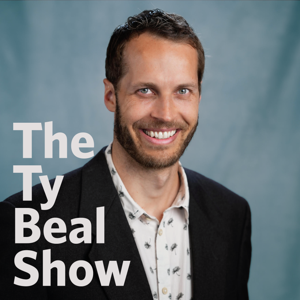
Are you overwhelmed by conflicting nutrition advice? Tired of trying to separate health facts from fleeting fads? I’m Ty Beal, PhD, a nutrition scientist exploring what we eat and how it truly impacts our wellbeing.
On The Ty Beal Show, we cut through the noise. Each week, I’ll be talking with leading experts in nutrition, public health, and food systems—bringing you the latest science in simple, practical terms. We’ll explore why there’s no one perfect diet, how to nourish your body, and ways to help avoid chronic disease.
Here’s the truth: Nutrition shouldn’t be confusing. Our goal is to empower you with knowledge that’s actually useful—so you can feel your best, without the hype. We focus on facts, not fear; understanding, not judgment; and a dose of common sense—and maybe even some humor—along the way.
If you’re ready to take charge of your health with credible, science-backed insights, hit subscribe. Let’s learn and grow together.
Connect with me on X, LinkedIn, Instagram, and YouTube. Read my publications on Google Scholar. Sign up for my Newsletter.
1,070 Listeners

1,526 Listeners
429 Listeners
585 Listeners
3,602 Listeners
775 Listeners
2,602 Listeners
4,870 Listeners
3,418 Listeners

9,148 Listeners
129 Listeners
619 Listeners
2,031 Listeners
1,192 Listeners
157 Listeners