
Sign up to save your podcasts
Or

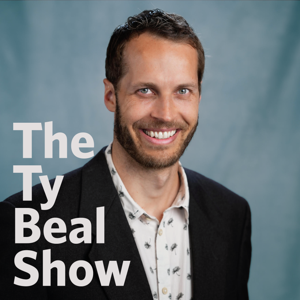


In this episode, Dr. Michael Goran—one of the leading scientists behind the 2025 Dietary Guidelines for Americans—joins the show to reveal what the evidence says about highly processed foods, refined grains, and added sugars. As the researcher who led three critical umbrella reviews that shaped these landmark guidelines, Dr. Goran walks us through the methodology behind the recommendations and shares findings that may surprise you: a 10% reduction in highly processed food intake can lower diabetes risk by 14%, replacing just one serving of refined grains with whole grains reduces mortality risk by 13%, and cutting one sugary beverage per day can slash diabetes risk by 26%. We also explore a paradigm shift in nutrition science—the idea that the burden of proof should now fall on highly processed foods to demonstrate safety, rather than requiring whole foods to prove their benefit.
The conversation gets practical when we dig into what these findings mean for families. Dr. Goran challenges some of the guidelines' recommendations (like avoiding all added sugars until age 10) while strongly endorsing others—particularly the emphasis on eliminating liquid sweetness from children's diets, including fruit juices, sports drinks, and even diet sodas, which show concerning links to all-cause mortality. We discuss "kitchen processing" as an alternative to factory-processed foods, the importance of developing basic cooking skills, and why the first few days of dietary change are the hardest but also the most rewarding. If you want to understand what the new dietary guidelines mean for your health and your family, this conversation offers both the science and the practical wisdom to make meaningful changes.
Timestamps
00:00 Introduction to Dietary Guidelines
01:11 Understanding Highly Processed Foods
04:56 Findings on Highly Processed Foods
13:02 Exploring Whole Grains and Refined Carbs
18:12 The Impact of Added Sugars and Beverages
29:43 Final Thoughts on Dietary Changes and Policy
Connect with Ty
YouTube: https://www.youtube.com/@TyBealPhD
In this episode, legendary food policy expert Dr. Marion Nestle joins the show to discuss her new book "What to Eat Now" and share her unfiltered take on the 2025 Dietary Guidelines for Americans. At 89 years old, Dr. Nestle brings over five decades of experience to the conversation, including her role as editor of the 1988 Surgeon General's Report on Nutrition and Health and as a member of the 1995 Dietary Guidelines Advisory Committee. We explore how supermarkets are designed to maximize spending rather than health, why the food industry's profit motive conflicts with consumer wellbeing, and why the simplest nutrition advice—eat real food, not too much, mostly plants—remains so difficult to follow.
We also dig into the controversy surrounding the new dietary guidelines, examining both what Dr. Nestle praises (the emphasis on real food and limiting ultra-processed products) and what concerns her (the meat-forward messaging and questions about equity). As a member of the Scientific Review Group that developed the scientific foundations for these guidelines, I offer an insider perspective on what the evidence actually says versus how it's been communicated. The conversation turns to implementation challenges—from school meals to SNAP policy—and asks the critical question: how do we translate good dietary guidance into meaningful change when funding for community programs is being cut? If you're interested in understanding the forces shaping American food policy and what it means for public health, this episode offers a candid, nuanced discussion from two experts coming from different perspectives on the debate.
Timestamps
00:00 Introduction to Marion Nestle's Journey
04:20 The Evolution of Food Choices
10:36 Understanding Nutrition and Consumer Choices
13:17 The Role of Dietary Guidelines
19:23 Insights on the New Dietary Guidelines
28:08 The Whole Milk Debate
30:59 Philosophy of Eating Real Foods
32:19 Equity in Dietary Guidelines
33:49 Policy Changes and School Meals
35:43 Plant-Based vs. Animal Protein
39:37 Messaging and Public Perception
41:22 Conflicts of Interest in Guidelines
44:43 Evidence and Scientific Review
47:36 Implementation Challenges in Schools
52:41 Future of Dietary Guidelines
Connect with Ty
YouTube: https://www.youtube.com/@TyBealPhD
In this episode, board-certified psychiatrist and "Evolutionary Psychiatry" creator Dr. Emily Deans joins the show to explore the profound connection between what we eat and how we think and feel. We discuss the limitations of a purely pharmaceutical approach to mental health and examine how an evolutionary framework—looking at the mismatch between our hunter-gatherer biology and our modern industrial environment—can offer a more complete picture of brain health. Dr. Deans breaks down the science behind the gut-brain axis, explaining how the microbiome, vagus nerve, and hormonal signals constantly communicate between our digestive system and our brain to influence mood and cognition.
We also dive into the nuances of nutritional psychiatry, moving beyond "single nutrient" studies to look at whole-diet interventions like the modified Mediterranean diet. The conversation challenges common dietary dogmas, highlighting the critical role of brain-essential nutrients often missing from plant-exclusive diets—such as creatine, B12, and iron—and why red meat may actually support mental well-being despite its controversial reputation. From the dangers of "savory frosting" (ultra-processed foods) to the link between metabolic syndrome and depression, this episode offers practical, evidence-based insights for anyone looking to support their mental health through diet.
Timestamps
00:00 Introduction
02:05 Limitations of psychiatric medications
03:00 Evolutionary mismatch & modern life
05:51 Paleo diet vs. standard advice
08:11 How diet affects mood & cognition
12:21 The gut-brain axis: Vagus nerve & microbiome
15:54 Single nutrients vs. whole diets
18:24 The SMILES trial & Modified Mediterranean Diet
20:00 Diet and hippocampus size
22:39 Red meat and creatine
23:32 Nutrients in vegan vs. omnivore diets
25:09 Understanding inflammation
28:41 Ultra-processed foods ("Savory Frosting")
29:34 Metabolic syndrome & depression
32:34 Brain metabolism & mitochondria
Dr. Emily Deans
X: https://x.com/evolutionarypsy
Connect with Ty
Website: https://www.tybeal.com
In this special episode, I share a conversation hosted by Dr. Mario Kratz, former professor at the Fred Hutch Cancer Center and founder of Nourished by Science, to unpack the recently released Dietary Guidelines for Americans. We discuss the focus on "real food" that prioritizes minimally processed nutrient-dense options, examining the move to center diets around quality protein sources and fiber-rich plants while tackling the chronic disease crisis linked to diet and lifestyle.
We examine the bold recommendations to significantly increase protein intake and the transformative language used to discourage refined grains and highly processed foods. The conversation also critiques the guidelines' stance on dietary fats, highlighting the controversy over saturated fats and the omission of seed oils, while exploring the nuances of full-fat dairy, the "food matrix" effect, and the practical challenges of implementing these changes in public policy.
Timestamps
00:00 Introduction to Dietary Guidelines Discussion
01:08 Overview of Current Health Issues
03:25 Critique of Previous Dietary Guidelines
06:30 The New Food Pyramid Explained
09:55 Protein and Fiber: The New Focus
16:15 Specific Dietary Recommendations
25:20 The Role of Dairy in Nutrition
30:03 Fruits and Vegetables: A Daily Essential
32:30 Understanding Dietary Fats and Their Impact
45:27 The Role of Whole Grains in Nutrition
51:34 Limiting Processed Foods for Better Health
58:21 Alcohol Consumption and Health Guidelines
Dr. Mario Kratz
Website: https://nourishedbyscience.com
Connect with Ty
X: https://www.x.com/TyBealPhD
In this episode, rangeland ecologist Dr. Pablo Manzano of the Basque Centre for Climate Change joins the show to challenge the dominant narrative that livestock are inherently harmful to the climate and the planet. We examine the two most common critiques of animal agriculture—greenhouse gas emissions and land use—and unpack why these arguments often ignore how ecosystems actually function. Dr. Manzano introduces the concept of baseline emissions, explaining how grazing livestock largely replace the ecological role once filled by vast populations of wild herbivores, meaning many methane emissions attributed to livestock are part of natural, unavoidable ecosystem processes rather than purely human-caused additions.
We also explore why land use itself is not inherently negative, how undergrazing and land abandonment can increase wildfire risk and ecological degradation, and why mobile pastoralism may be one of the most effective tools for conserving rangelands while producing food. The conversation critiques conventional life cycle assessments (LCAs), highlighting how “carbon tunnel vision” and simplistic accounting can lead to misguided policy recommendations. If you’re looking for a more nuanced, ecosystem-based perspective on livestock, climate change, and sustainable food systems, this episode offers a powerful reframing of the debate.
Timestamps
00:00 Introduction to Livestock and Ecosystem Conservation
02:30 The Role of Herbivory in Ecosystem Dynamics
06:05 Understanding Baseline Emissions from Wild Herbivores
15:50 The Complexity of Livestock Emissions and Management
18:24 Comparative Emissions: Livestock vs. Wild Herbivores
24:58 Future of Herbivory: Rewilding and Ecosystem Restoration
26:28 Rewilding and Ecological Challenges
32:14 The Role of Livestock in Ecosystem Management
38:06 Food Security and Sustainable Practices
47:08 Rethinking Land Use and Emissions
52:04 Understanding Complexity in Nature
Dr. Pablo Manzano
X: https://x.com/PabloPastos
Connect with Ty
X: https://www.x.com/TyBealPhD
In this episode, Frédéric Leroy, PhD, a professor of food science and biotechnology at the Free University of Brussels, joins the show to dismantle the polarized debate surrounding animal-source foods. We explore the nutritional risks associated with restrictive vegan diets, particularly for vulnerable groups like infants and women of reproductive age, while examining the evolutionary and biological role of meat in the human diet. Dr. Leroy challenges the current push toward exclusively plant-based global policies, discussing the limitations of the EAT-Lancet report and the "carbon tunnel vision" often applied to environmental sustainability.
We also dig into the misunderstood science of saturated fat and processed meats, distinguishing between traditional preservation methods and modern ultra-processing. Dr. Leroy introduces the "Nourishment Table," a flexible, evidence-based framework for healthy eating that prioritizes nutrient density and minimizes ultra-processed foods. Finally, we discuss the concept of "ethical omnivorism" and how to balance animal welfare with the ecological realities of food production. If you want a nuanced, scientific perspective on the role of livestock in a healthy and sustainable future, this episode is for you.
Timestamps
00:00 Introduction and Guest Background
05:23 Exploring Vegan Diets: Risks and Nutritional Concerns
14:51 Health Outcomes of Vegan Diets: A Closer Look
20:04 The Debate on Animal Source Foods: Evidence and Context
24:14 Nutritional Perspectives on Meat: Myths and Realities
30:57 Processed Meats: Understanding the Nuances
36:17 Cultural and Nutritional Context of Processed Meats
39:40 The Role of Animal-Sourced Foods in Human Nutrition
42:57 Critique of EAT Lancet Dietary Guidelines
48:11 The Nourishment Table: A Flexible Dietary Framework
55:58 Ethical Considerations in Animal Food Consumption
01:03:51 Environmental Impact of Animal Agriculture
Dr. Frédéric Leroy
X: https://x.com/fleroy1974
Connect with Ty
X: https://www.x.com/TyBealPhD
What do we know about health, nutrition, and medicine — and how confident should we be? In this episode, Dr. Gordon Guyatt, the clinician-scientist who coined the term evidence-based medicine and co-created the GRADE framework, breaks down why so much health and nutrition guidance rests on weak foundations. We dig into the hierarchy of evidence, why observational studies so often mislead us, and what went wrong with hormone replacement therapy and antioxidant vitamins. Dr. Guyatt also explains the intense backlash to the NutriRECS red-meat guidelines and why overstating certainty erodes trust in both science and public health.
We also explore the growing influence of health influencers, why acknowledging uncertainty is essential, and how AI could both help and harm evidence-based decision-making. From the limits of nutrition research to the future of trustworthy guidelines, this conversation offers a clear, honest look at what we know — and what we don’t. If you want rigorous, hype-free insight into how evidence should inform health decisions, this episode is for you.
Timestamps
00:00 Introduction
Dr. Gordon Guyatt
X: https://x.com/GuyattGH
Connect with Ty
X: https://www.x.com/TyBealPhD
Why do ultra-processed foods make us eat more — even when calories, sugar, fat, and protein are matched? In this episode, Dr. Kevin Hall, author of Food Intelligence and one of the most influential scientists in metabolism and obesity research, breaks down the mechanisms driving overeating — and shares brand-new findings from his latest NIH study.
We dig into energy density, hyper-palatability, dopamine, food addiction, food policy, and how we can redesign the food system for real health impact — without hype or ideology. If you want clear, evidence-based answers about why we eat what we eat, this episode is for you.
Timestamps
00:00 Introduction to Food Intelligence
Dr. Kevin Hall
X: https://x.com/KevinH_PhD
Connect with Ty
X: https://www.x.com/TyBealPhD
What is the definition of an ultra-processed food (UPF), and where did the concept originate? Why is the Nova classification system both a groundbreaking public health tool and a source of intense debate? And how can we use this framework to build healthier food systems around the world?
In this episode of The Ty Beal Show, Dr. Carlos Monteiro, the Brazilian epidemiologist who coined the term "ultra-processed food" and developed the revolutionary Nova classification system, joins Ty for a timely discussion. Recorded on the day of its release, they break down the new Lancet series on UPFs and human health, which Dr. Monteiro co-authored.
Dr. Monteiro shares the fascinating story of how observing Brazil's rapid rise in obesity led his team to identify a new category of foods—not just "junk," but sophisticated, engineered formulations designed to replace traditional diets. We delve into the most common critiques of the UPF concept, including the heterogeneity of the category and the challenges of identification, and Dr. Monteiro offers sharp, evidence-based rebuttals. He also outlines a pragmatic path for policy, explaining why solutions must be tailored to a country's stage of dietary transition and why we cannot rely on industry-led reformulation.
Highlights from the episode include:
Dr. Monteiro brings five decades of epidemiological expertise to one of the most critical issues in modern nutrition, making a powerful case that addressing the ultra-processing of our food supply is essential to combating diet-related disease globally.
Find the new Lancet Series on Ultra-Processed Foods and Human Health online at The Lancet. Connect with Dr. Carlos Monteiro on X.
Connect with Ty on X, LinkedIn, Instagram, and Facebook. Sign up for Ty's Newsletter.
What are ultra-processed foods (UPFs), and why is the concept so controversial? How does a diet high in these foods affect our bodies, brains, and hormones? And how can we build effective policies to improve public health without shaming individuals or fueling disordered eating?
In this episode of The Ty Beal Show, Chris van Tulleken, MD, PhD, a professor at University College London, BBC broadcaster, and author of the bestseller Ultra Process People, joins Ty to discuss the science and politics of ultra-processed foods.
Dr. van Tulleken shares the compelling results from his own self-experiment eating a diet comprised of 80% UPFs, detailing the rapid weight gain, hormonal disruption, and surprising changes in brain connectivity it caused. We explore the intense debate around the UPF definition, why industry engineering makes these products distinct from homemade food, and how corporate profit motives are a key driver of the global obesity pandemic. Dr. van Tulleken also offers a nuanced path forward for policy—one that focuses on nutrient-based warning labels, taxation, and marketing restrictions—and shares how he balances this knowledge with real life in his own family.
Highlights from the episode include:
Dr. van Tulleken brings his rigorous scientific perspective and trademark humor to one of the most polarized issues in modern nutrition, making a powerful case that we must address corporate power and the food environment to solve diet-related disease.
Find Dr. Chris van Tulleken at University College London and get his book, Ultra Process People. Connect with Dr. van Tulleken on X and Instagram.
Connect with Ty on X, LinkedIn, Instagram, and YouTube. Read his publications on Google Scholar. Sign up for Ty's Newsletter.
From the publisher's feed
Are you overwhelmed by conflicting nutrition advice? Tired of trying to separate health facts from fleeting fads? I’m Ty Beal, PhD, a nutrition scientist exploring what we eat and how it truly impacts our wellbeing.
On The Ty Beal Show, we cut through the noise. Each week, I’ll be talking with leading experts in nutrition, public health, and food systems—bringing you the latest science in simple, practical terms. We’ll explore why there’s no one perfect diet, how to nourish your body, and ways to help avoid chronic disease.
Here’s the truth: Nutrition shouldn’t be confusing. Our goal is to empower you with knowledge that’s actually useful—so you can feel your best, without the hype. We focus on facts, not fear; understanding, not judgment; and a dose of common sense—and maybe even some humor—along the way.
If you’re ready to take charge of your health with credible, science-backed insights, hit subscribe. Let’s learn and grow together.
Connect with me on X, LinkedIn, Instagram, and YouTube. Read my publications on Google Scholar. Sign up for my Newsletter.

1,075 Listeners
1,533 Listeners
419 Listeners
575 Listeners

3,609 Listeners
777 Listeners
2,612 Listeners

4,867 Listeners

3,411 Listeners

9,141 Listeners

131 Listeners
627 Listeners

2,053 Listeners

1,222 Listeners
149 Listeners