
Sign up to save your podcasts
Or

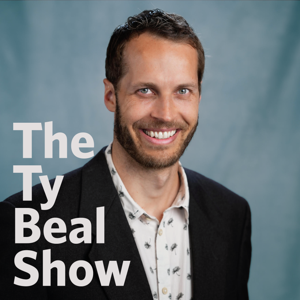


How do we turn cutting-edge nutrition research into policies that improve people's lives? In this episode of The Ty Beal Show, Purnima Menon, PhD, Senior Director of Food and Nutrition Policy at IFPRI, shares her journey from reading recipe books as a child to becoming a world leader in advancing global nutrition at the intersection of science and policy.
Purnima explains why understanding people—their constraints, motivations, and contexts—is essential to creating meaningful change in food systems. We discuss the challenges of siloed thinking in nutrition, the complexities of sustainable diets, and what it takes to bridge the gap between evidence and action. Purnima brings a deeply human-centered perspective to some of the most pressing questions in food systems transformation.
Highlights from the episode include:
Dr. Menon brings decades of experience working with influential researchers and policymakers around the world, offering a nuanced perspective that connects evidence to real-world impact. Her work reminds us that privilege comes with responsibility—and that meaningful change requires joining the dots between science, people, and policy.
Find Dr. Purnima Menon at IFPRI and connect with her on X and LinkedIn.
Connect with Ty on X, LinkedIn, Instagram, and YouTube. Read his publications on Google Scholar. Sign up for Ty's Newsletter.
How much protein do we really need? And is resistance training more important than we thought? In this episode of The Ty Beal Show, Stuart Phillips, PhD, renowned expert in muscle health and aging at McMaster University, breaks down the science of muscle preservation across the lifespan.
Stuart shares his evolving perspective on protein's role in building and maintaining muscle, explaining why exercise is the true driver of muscle development—and why the current Recommended Dietary Allowance may be setting the bar too low. We discuss optimal protein intake for different life stages, the nuances of plant-based versus animal-based proteins, and why strength training matters far more for longevity than most people realize.
Highlights from the episode include:
Dr. Phillips brings a refreshingly balanced perspective grounded in decades of rigorous research—pushing back against both protein minimalism and protein extremism to reveal what the evidence says.
Find Dr. Stuart Phillips at McMaster University. Connect with him on X, Instagram, and LinkedIn.
Connect with Ty on X, LinkedIn, Instagram, and YouTube. Read his publications on Google Scholar. Sign up for Ty's Newsletter.
Can grazing livestock help restore soils, support biodiversity, and even mitigate climate change? In this episode of The Ty Beal Show, rangeland ecologist at Colorado State University, Dr. Paige Stanley, shares her research on regenerative grazing systems and their potential to benefit both landscapes and livelihoods.
Paige explains how well-managed grazing influences soil carbon dynamics, plant communities, and ecosystem resilience—and why not all grazing systems are created equal. We discuss the science behind methane emissions from cattle, trade-offs in land use, and how policy and incentives can help expand regenerative ranching practices that balance productivity with environmental stewardship.
Highlights from the episode include:
Paige brings a nuanced, evidence-based perspective on the role of grazing animals in sustainable food systems—cutting through polarized debates with insights from the field.
Find Paige Stanley on X and at her website.
Connect with Ty on X, LinkedIn, Instagram, and YouTube. Read his publications on Google Scholar. Sign up for Ty's Newsletter.
What exactly is obsessive-compulsive disorder (OCD)—and how can evidence-based therapies help people reclaim their lives? In this episode of The Ty Beal Show, Dr. Sara Brungardt, licensed professional counselor and founder of CalmOCD, shares her expertise on diagnosing and treating OCD with proven methods like Exposure and Response Prevention (ERP) and Acceptance and Commitment Therapy (ACT).
Sara explains how OCD differs from perfectionism or personality traits, why intrusive thoughts don’t define a person’s character, and how therapy can rewire the brain’s fear response. We also discuss common myths about OCD, overlaps with eating disorders and anxiety, and how families can best support loved ones navigating recovery.
Highlights from the episode include:
Dr. Brungardt offers a compassionate, science-based perspective that brings clarity to a misunderstood condition—and hope to those living with it.
Find Dr. Brungardt at CalmOCD.com and on Instagram.
Connect with Ty on X, LinkedIn, Instagram, and YouTube. Read his publications on Google Scholar. Sign up for Ty's Newsletter.
Why do so many U.S. nutrition and health policies seem to favor ultra-processed foods over real, nutrient-dense foods—and what can be done about it? In this episode of The Ty Beal Show, Calley Means—New York Times #1 best-selling author, co-founder of Truemed, and Senior Advisor to the White House on MAHA—unpacks the structural incentives driving chronic disease in America.
Calley draws on his experience as a former political consultant for food and pharmaceutical companies to reveal how lobbying and reimbursement systems shape the foods we eat and the treatments we receive. We discuss how misaligned incentives fuel the epidemic of obesity and metabolic disorders, why prevention remains undervalued, and what reforms could redirect billions toward truly health-promoting foods.
Highlights from the episode include:
Calley shares an urgent, insider’s perspective on how policy and industry can change to address the root causes of metabolic disease rather than merely treating symptoms.
Find Calley Means on X and Instagram, learn more about Truemed at truemed.com, and order Good Energy on Amazon.
Connect with Ty on X, LinkedIn, Instagram, and YouTube. Read his publications on Google Scholar. Sign up for Ty's Newsletter.
Heart disease is still the top killer globally—but prevention and innovation are reshaping how we think about risk. In this episode of The Ty Beal Show, cardiologist Dr. Ethan Weiss—Chief Scientific Officer at Marea Therapeutics and long-time UCSF faculty expert—walks us through the intersection of genetics, metabolism, and cardiovascular health.
Dr. Weiss explains the concept of cardio-endocrine medicine, where heart disease and metabolic disorders like diabetes are deeply interlinked, and explores how imaging, biomarkers, and genomics are improving risk prediction. We dive into LDL vs ApoB, the role of new lipid therapies, and how personalized prevention looks in practice. Along the way, Dr. Weiss shares his experience with a Mediterranean-style low-carb diet and his take on time-restricted eating.
Takeaways from the episode include:
Find Dr. Ethan Weiss at Marea Therapeutics and UCSF. Connect with him on X.
Connect with Ty on X, LinkedIn, Instagram, and YouTube. Read his publications on Google Scholar. Sign up for Ty's Newsletter.
What are the hidden compounds in our food, and how do farming practices shape their presence? In this episode of The Ty Beal Show, Stephan van Vliet, PhD, Professor of Nutrition at Utah State University, discusses his pioneering work in metabolomics and the concept of "nutritional dark matter"—the thousands of understudied compounds in food that may impact health.
Dr. van Vliet shares his journey from studying egg nutrition to uncovering the complexity of phytochemicals and other bioactive compounds in foods like beef, bison, and plants. The conversation explores how regenerative agriculture, with its focus on soil health and biodiversity, enhances nutrient density in crops and livestock, and what this could mean for human health and sustainable food systems.
What you'll learn:
Dr. van Vliet also discusses his ongoing research, including trials comparing regenerative and conventional agriculture, and the potential multi-generational health impacts of dietary patterns. This episode offers insights into how food production systems shape the nutritional quality of what we eat and their broader implications for health and the environment.
Find Dr. Stephan van Vliet’s research at Utah State University and learn more about his work at the van Vliet Lab.
Connect with Ty on X, LinkedIn, Instagram, and YouTube. Read his publications on Google Scholar. Sign up for Ty's Newsletter.
What does it take to foster a healthy relationship with food for children and adolescents? In this episode of The Ty Beal Show, registered dietitian and certified eating disorder specialist Taylor Aasand explores the complexities of eating disorders like ARFID, anorexia nervosa, and bulimia nervosa. Drawing from her practice in Phoenix-Scottsdale, she shares evidence-based strategies for prevention, treatment, and recovery, emphasizing compassionate, family-centered approaches and the power of intuitive eating.
What you'll learn:
Taylor also discusses navigating today’s challenging food environment, offering parents actionable advice on fostering positive food conversations to prevent disordered eating. Find Taylor Aasand’s work at her private practice.
Connect with Ty on X, LinkedIn, Instagram, and YouTube. Read his publications on Google Scholar. Sign up for Ty's Newsletter.
What does it take to eat for the health of humans and the planet? In this episode of The Ty Beal Show, Dr. Walter Willett, the world’s most cited nutritionist, gives a sneak peek at the upcoming 2025 EAT-Lancet Commission and provides his take on ultra-processed foods and seed oils.
From his family farm in Michigan to leading Harvard's Department of Nutrition for 25 years, Dr. Willett shares the journey that led him to pioneer nutritional epidemiology. At the center of this conversation is the planetary health diet—a flexible framework to address human and planetary health.
What you'll discover:
Dr. Willett addresses the seed oil controversy with decades of research, explaining why these oils have helped reduce heart disease rates since the 1950s. He also reveals why the real drivers of obesity aren't seed oils but sugar-sweetened beverages and refined starches, and how the planetary health diet balances individual health with global sustainability and equity.
Find Dr. Walter Willett's research at Harvard T.H. Chan School of Public Health and learn more about the EAT-Lancet Commission.
Connect with Ty on X, LinkedIn, Instagram, and YouTube. Read his publications on Google Scholar. Sign up for Ty's Newsletter.
What does the science say about plant-based diets, longevity, and cardiovascular health? In this episode of The Ty Beal Show, Dr. Gil Carvalho, research scientist and host of Nutrition Made Simple with over a million monthly viewers, cuts through the noise to reveal what the evidence shows.
Dr. Carvalho challenges common assumptions about plant-based eating, explaining why the term itself is misleading and how Mediterranean, pescatarian, and even well-planned omnivorous diets can be equally health-promoting. Drawing from Harvard's landmark healthy aging studies and genetic research, he reveals how optimized nutrition patterns can add 10-12 years to your lifespan—but warns against the dangerous mythology surrounding certain dietary extremes.
This deep-dive conversation explores the mechanics of cardiovascular disease, with Dr. Carvalho breaking down why ApoB—not LDL cholesterol—is the gold standard for assessing heart disease risk. He shares his personal experience with genetic risk factors including elevated Lp(a), explaining when imaging tests like coronary calcium scores become valuable and how to optimize lipid levels through diet, lifestyle, and targeted medications.
What you'll learn:
Dr. Carvalho also shares his personal experiments with statin medications, revealing how different drugs affected his insulin resistance and ApoB levels differently, and explains why promising new Lp(a)-lowering medications might revolutionize cardiovascular prevention within the next few years.
Whether you're navigating conflicting dietary advice, concerned about cardiovascular risk, or simply want to understand what nutritional science says about plant-based diets, this episode provides evidence-based clarity from one of the field's most trusted science communicators.
Find Dr. Gil Carvalho's work at Nutrition Made Simple on YouTube and follow him on X and Facebook.
Connect with Ty on X, LinkedIn, Instagram, and YouTube. Read his publications on Google Scholar. Sign up for Ty's Newsletter.
From the publisher's feed
Are you overwhelmed by conflicting nutrition advice? Tired of trying to separate health facts from fleeting fads? I’m Ty Beal, PhD, a nutrition scientist exploring what we eat and how it truly impacts our wellbeing.
On The Ty Beal Show, we cut through the noise. Each week, I’ll be talking with leading experts in nutrition, public health, and food systems—bringing you the latest science in simple, practical terms. We’ll explore why there’s no one perfect diet, how to nourish your body, and ways to help avoid chronic disease.
Here’s the truth: Nutrition shouldn’t be confusing. Our goal is to empower you with knowledge that’s actually useful—so you can feel your best, without the hype. We focus on facts, not fear; understanding, not judgment; and a dose of common sense—and maybe even some humor—along the way.
If you’re ready to take charge of your health with credible, science-backed insights, hit subscribe. Let’s learn and grow together.
Connect with me on X, LinkedIn, Instagram, and YouTube. Read my publications on Google Scholar. Sign up for my Newsletter.

1,075 Listeners
1,533 Listeners
419 Listeners
575 Listeners

3,609 Listeners
777 Listeners
2,612 Listeners
4,867 Listeners

3,411 Listeners

9,141 Listeners

131 Listeners
627 Listeners

2,053 Listeners

1,222 Listeners
149 Listeners