
Sign up to save your podcasts
Or

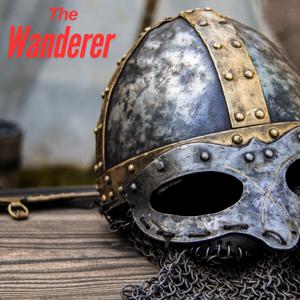


In Anglo-Saxon England, hide tanning was a significant craft. Hides were processed to create leather, which served various purposes, including clothing, footwear, armor, and household items. Here are some true facts about hide tanning in Anglo-Saxon England:
Importance of Leather: Leather was a crucial material in Anglo-Saxon society, used for a wide range of products due to its durability and versatility. It played a vital role in daily life, from clothing to tools to housing.
Tanning Methods: Anglo-Saxons used several methods to tan hides, including vegetable tanning and brain tanning. Vegetable tanning involved the use of tannins from plant sources such as oak bark, while brain tanning utilised animal brains to soften and preserve the hides.
Craftsmanship: Hide tanning was a skilled craft, often performed by specialised craftsmen known as tanners or leatherworkers. These artisans had extensive knowledge of the tanning process and techniques for achieving different qualities of leather.
Tanning Locations: Tanning was typically carried out in specialised workshops or areas within Anglo-Saxon settlements. These locations were equipped with tools and facilities necessary for the tanning process, such as vats for soaking hides and stretching frames for drying.
Economic Significance: Leather working was an economically significant trade in Anglo-Saxon England. Tanners produced leather goods not only for local consumption but also for trade with neighbouring communities and beyond, contributing to the region's economy.
Social Status: Leather working was a respected craft, tanners were not typically among the highest social classes in Anglo-Saxon society. However, skilled artisans could still achieve a level of prosperity and respect within their communities.
Archaeological Evidence: Archaeological excavations have uncovered evidence of hide tanning in Anglo-Saxon settlements, including tanning pits, tools, and residues associated with the tanning process. These findings provide insights into the techniques and practices employed by Anglo-Saxon leatherworkers.
Overall, hide tanning was a vital craft in Anglo-Saxon England, supporting various aspects of daily life and contributing to the region's economy and material culture.
Anglo-Saxon folklore is rich with tales of supernatural beings and shape-shifting entities, though werewolves specifically were not as prominent as in other European cultures.
Instead, there was a focus on various mythical creatures, spirits, and magical beings. The Anglo-Saxons believed in shape-shifters and creatures capable of transforming into animals or other forms.
Witches and sorcerers were said to possess the ability to change shape, reflecting a belief in the supernatural and the mysterious forces of the world.
While werewolf legends may not feature prominently in Anglo-Saxon folklore, the broader themes of transformation and the existence of monstrous beings are present in their stories and beliefs.
The Anglo-Saxon spear was a crucial weapon in the arsenal of the Anglo-Saxon warriors during the early medieval period, particularly in England from the 5th to the 11th centuries. It was one of the primary weapons used by infantry soldiers, alongside swords, axes, and shields.
Key features of the Anglo-Saxon spear included:
Design: The spear typically consisted of a wooden shaft, often around 6 to 9 feet in length, with a spearhead attached at one end. The spearhead could be made of iron or steel and was usually around 8 to 12 inches long. It could have a variety of shapes, including leaf-shaped, diamond-shaped, or socketed.
Versatility: The spear was a versatile weapon, effective both in thrusting and throwing. In close combat, warriors would use the spear to thrust at opponents, aiming to penetrate armor or injure vital organs. At longer ranges, they could throw the spear at their enemies, either to disrupt enemy formations or to kill or injure opponents.
Tactics: Anglo-Saxon warfare often involved shield walls, where soldiers would stand shoulder to shoulder with their shields raised, creating a defensive barrier. Spears were ideal weapons for use behind these shield walls, allowing warriors to thrust over or through the shields to attack enemy soldiers.
Symbolism: Spears held significant cultural and symbolic importance in Anglo-Saxon society. They were often adorned with intricate designs or symbols, and their ownership and use could convey social status and prowess in battle.
Evolution: Over time, the design and use of the spear evolved alongside changes in warfare and technology. As armor improved, spearheads became more specialized to penetrate armor, and shafts might have been reinforced for greater durability. Additionally, the introduction of cavalry and changes in battlefield tactics influenced how spears were used in combat.
Overall, the Anglo-Saxon spear played a crucial role in early medieval warfare, serving as a versatile and effective weapon for infantry soldiers in England and beyond.
England was one of the wealthiest kingdoms in Europe. This was due to successful farming and trade in the towns and villages. The king, his earls and Heathenry all profited from this through taxes.
The Anglo-Saxon community in England was basically a rural one. Most people depended on the land for survival. At the top of the social system was the royal house. This consisted of the king and aethelings who claimed a common ancestry with the king.
The werewolf is a creature of folklore and legend commonly referred to as a ‘man-wolf’ or ‘wolf-man’. Medieval superstition describes them as individuals transformed, or who can transform at will, into a wolf. In France the creature is called a loup-garou.
In Anglo Saxon Folklore Werewolves were either protectors or villians, but this story breaches the gap between Humans and the Werewolf.
This episode is about Anglo Saxon Martial Arts.
The Shield Wall: A Formation of Resilience
The shield wall strategy stood as an emblem of Anglo-Saxon martial prowess. Warriors, united in purpose and armed with shields, formed an unyielding barrier against enemy assaults. The cohesion, discipline, and unbreakable spirit exhibited in the shield wall not only thwarted adversaries but also showcased the strength of their societal bonds.
B. Naval Warfare: Navigating the Waters of Battle
Anglo-Saxon martial arts extended beyond the shores to the realm of naval warfare. The technique of battle-boarding, involving the use of hooks to immobilize enemy vessels, underscored their resourcefulness and adaptability in confronting diverse challenges.
2 Beowulf, ll. (739-45)
The text reads:
“Nor did the creature keep him waiting / but strucked suddenly and started in; / he grabbed and mauled a man on his bench, / bit into his bone-lappings, bolted down his blood / and gorged on him in lumps, leaving the body / utterly lifeless, eaten up / hand and foot.”
The history of witchcraft is complex, and often raises more questions than it answers. Where did witches come from? And did they always arrive on broomsticks?
Among the most common uses for magic was for healing. Lacking any kind of organized medical care system, they pieced together charms and poultices to take care of the common health problems. But they also used charms to protect, both themselves and their belongings. Chief amongst their property was cattle. The Anglo-Saxon word for "cattle" (feoh) is the same as the word for "wealth" which shows how important cattle were. Charms also came in handy to enhance good luck and increase one's bounty.
By far, the largest group of charms are those which deal with healing. There were several steps involved in conjuring a successful charm. First it was necessary to figure out who the culprit was behind the illness or injury. One of the best ways to determine the creature causing the harm was to catalogue the symptoms that the patient suffered. Once the cause was identified, one would have to go out and gather the necessary materials, which could take anywhere from hours to days (and even months!). Once everything was prepared, the conjuror had to carefully recite the charm—pronunciation counts.
Archaeological sites such as Sutton Hoo have given us an insight to the historical information of the Anglo-Saxon period. Sutton Hoo is the site of two 6th and 7th century cemeteries near Woodbridge, Suffolk. It first began to be excavated in 1939, and was found to contain many Anglo-Saxon wonders, including an undisturbed ship burial. This site, among others, has given us an interesting insight into the life of Anglo-Saxon people, their customs, and of course their jewellery.
Anglo Saxon jewellery had motifs and themes so strong and unique that jewellery is still crafted in the same styles today. As we already know, the custom of wearing jewellery originates far back in history. The ancient Egyptians and Romans, both adorned themselves in rich bejewelled ornamentation, and the Anglo Saxons were no different. Comprising of many Germanic tribes, the Anglo Saxons inhabited Britain from the 5th century. Their customs, designs, and jewellery took inspiration both from their Roman predecessors and from Germanic art.
Monsters abound in Anglo-Saxon literature. One type of monster that shows up again and again is the cannibal. Heroes such as Beowulf and Andreas face humanoid monsters that threaten to literally consume their victims. This Monster is based on Grendel.
From the publisher's feed

78,414 Listeners

395 Listeners