
Sign up to save your podcasts
Or



When a service call goes bad, it's rarely because the work was wrong.
It's because the conversation wasn't documented.
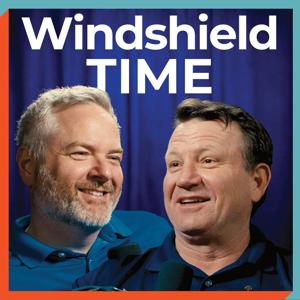
In this episode of Windshield Time, Chris Elmore and Matthew Barbosa explain how to document a service call properly and why documentation protects technicians long after the job is done.
This episode reframes documentation away from paperwork and toward clarity, protection, and trust, for technicians, customers, and everyone who looks at the job later.
In this episode, you'll learn:How to document a service call step by step
What "CYA" really means for technicians
Why undocumented work might as well not exist
How documentation prevents callbacks and blame
Why customers forget conversations but remember documentation
How green items build credibility alongside red ones
Why minimizing language weakens trust
How thorough documentation sets up everything that comes next
If you want fewer callbacks, stronger trust, and protection after you leave the house, this episode shows why documentation matters.
📥 Download the FREE Objection Handling Playbook — loaded with scripts and strategies to help techs close more calls: https://www.servextra.com/objection-handling-playbook-download/
FOLLOW + REVIEW
Enjoyed this episode? Follow us and leave us a review. Then share it with a teammate who needs to hear it.
Experience is your greatest asset—until it creates your biggest blind spot.
In the Season 2 premiere of Windshield Time, Chris Elmore and Matthew Barbosa dismantle the myth that "seasoned pros don't need checklists." If you're relying on your gut to diagnose, you're leaving money, trust, and your reputation on the table.
We dive into why the diagnostic checklist isn't about finding the problem—it's about the "Juggernaut Strike": making one undeniable point that secures the sale before you even open your mouth.
In this episode, you'll learn:
The Routine Trap: How your "automatic" expertise creates invisible blind spots.
Troubleshooting vs. Diagnosing: Why finding the fix is only 10% of the job.
The "Greens" Strategy: How documenting what isn't broken builds more trust than finding what is.
Translation Over Technicality: Using the checklist as a shared language with the customer.
The Documentation Premium: Why knowledge has zero value until it's shared with the person paying the bill.
📥 Download the FREE Objection Handling Playbook — loaded with scripts and strategies to help techs close more calls: https://www.servextra.com/objection-handling-playbook-download/
FOLLOW + REVIEW
Enjoyed this episode? Follow us and leave us a review. Then share it with a teammate who needs to hear it.
Most people don't quit on self-improvement. They quietly drift away from it. Not because they don't want change. But because they never built a system to support it.
In this episode of Windshield Time, Chris and Noel break down why New Year's resolutions fail, why motivation is a terrible strategy, and what real, lasting improvement actually looks like, especially for people in the trades.
This isn't hype. It's not "morning routines" or quick hacks. It's about structure. Awareness. And building habits that hold up when life gets busy.
In this episode, you'll learn:
Why most self-improvement efforts collapse within months
The real difference between a resolution and a goal
Why personal growth feels harder than work goals
How avoidance blocks improvement before it starts
Why long-form learning creates depth, not noise
How writing and sharing goals changes outcomes
Why systems beat motivation every time
If you're tired of starting over, this episode will show you what's been missing.
📥 Download the FREE Objection Handling Playbook — loaded with scripts and strategies to help techs close more calls: https://www.servextra.com/objection-handling-playbook-download/
FOLLOW + REVIEW
Enjoyed this episode? Follow us and leave us a review. Then share it with a teammate who needs to hear it.
The holidays change everything. Customers are more patient. Mistakes get forgiven. Standards quietly soften.
Then January hits...and all of that disappears.
In this episode of Windshield Time, Chris Elmore and Noel Tarter break down what technicians experience every year but rarely talk about: the holiday hangover.
Not the fun kind. The professional one.
You'll learn:
Why customer behavior shifts sharply after the holidays
How financial stress and overspending show up in service calls
Why techs feel more pressure, frustration, and urgency in January
How lowered holiday standards create post-season problems
Why awareness—not effort—is the key to resetting successfully
This episode isn't about pushing harder.
It's about understanding the environment you're walking into, so you don't take customer behavior personally, lower your standards, or burn yourself out trying to fight reality.
Professionals don't guess. They adjust.
📥 Download the FREE Objection Handling Playbook — loaded with scripts and strategies to help techs close more calls: https://www.servextra.com/objection-handling-playbook-download/
FOLLOW + REVIEW
Enjoyed this episode? Follow us and leave us a review. Then share it with a teammate who needs to hear it.
If the same objections keep showing up, it's not coincidence. It's information.
This Windshield Time compilation brings together the most replayed conversations on objection handling — not because they're clever, but because they reveal the same mistakes happening over and over in real service calls.
Across these moments, one pattern is clear: Technicians aren't losing trust because they say the wrong thing. They lose trust because they skip steps.
In this episode, Chris Elmore breaks down:
Why objections repeat when something wasn't understood
How jumping to solutions creates resistance later
Why price objections are rarely about price
How assumptions damage credibility instantly
Why objections are diagnostic clues, not pushback
How LEAP works when pressure shows up
Objections aren't rejection. They're signals that something hasn't been connected yet.
This episode puts the full picture together — so you can stop reacting to objections and start preventing them.
📥 Download the FREE Objection Handling Playbook — loaded with scripts and strategies to help techs close more calls: https://www.servextra.com/objection-handling-playbook-download/
FOLLOW + REVIEW
Enjoyed this episode? Follow us and leave us a review. Then share it with a teammate who needs to hear it.
Technicians aren't losing deals because they lack answers. They lose trust because they solve problems too early.
In this episode of Windshield Time, Chris Elmore and Noel Tarter reframe objection handling through a mindset every great technician already understands: diagnostics.
An objection isn't resistance. It's a signal that something hasn't been understood yet.
This conversation breaks down:
Why objections point to missing information, not rejection
How jumping straight to solutions creates pushback
Why slowing down builds authority instead of losing momentum
How LEAP works as a troubleshooting process for people
The difference between pressure and professional confidence
When your process is sound, persuasion isn't something you force. It's something that follows clarity.
📥 Download the FREE Objection Handling Playbook — loaded with scripts and strategies to help techs close more calls: https://www.servextra.com/objection-handling-playbook-download/
FOLLOW + REVIEW
Enjoyed this episode? Follow us and leave us a review. Then share it with a teammate who needs to hear it.
The holidays don't just change schedules...they change mindsets, customer behavior, and the entire rhythm of the trades. And most techs don't realize how much the season is influencing their decisions… until it costs them.
In this episode of Windshield Time, Chris and Brandon break down the psychological pressure of November–December and how it quietly causes techs to slip: cutting corners, assuming customers won't buy, projecting their own holiday stress, and mistaking emotion for emergency.
This is not a "holiday tips" episode.
It's a psychology-of-the-season masterclass for every tech, manager, and owner.
Inside you'll learn:
Why techs unknowingly lower their standards during the holidays
How old memories, family routines, and financial stress shape job performance
The holiday complacency trap: attire, parking, shortcuts, skipping steps
Why "nobody spends money in December" is a myth—and a dangerous one
How customer emotions heighten urgency, objections, and irrational decisions
Why defining "real emergencies" protects tech morale (and company sanity)
Tactical ways managers can set expectations before the season hits
How awareness + process = professionalism—even under pressure
This episode helps you keep your edge when emotions, expectations, and urgency are at their highest. Because the holidays don't change the job…They change the people doing the job.
📥 Download the FREE Objection Handling Playbook — loaded with scripts and strategies to help techs close more calls: https://www.servextra.com/objection-handling-playbook-download/
FOLLOW + REVIEW
Enjoyed this episode? Follow us and leave us a review. Then share it with a teammate who needs to hear it.
Most technicians think customers push back because of the price. But the truth is simpler: Customers push back because they don't understand the problem.
In this episode of Windshield Time, Chris Elmore and Brandon Cockrell break down the "value gap" — the space between what the technician knows and what the homeowner understands. When techs jump from "Here's what's wrong" straight to "Here's how we fix it," the customer is forced to make a decision without clarity… and that creates objections every single time.
You'll learn how to fill the value gap using the FAB model (Features–Advantages–Benefits), how to explain the old part before recommending the new one, and how to translate technical language into real-world meaning the customer can trust.
This episode shows you exactly how to build value before the price — so the price finally makes sense.
Inside This Episode:When you fill the value gap early, trust rises, objections fall, and approvals become natural.
📥 Download the FREE Objection Handling Playbook — loaded with scripts and strategies to help techs close more calls: https://www.servextra.com/objection-handling-playbook-download/
FOLLOW + REVIEW
Enjoyed this episode? Follow us and leave us a review. Then share it with a teammate who needs to hear it.
Technicians don't lose the call because of price. They lose it because they solve too fast.
In this episode of Windshield Time, Chris Elmore and Brandon Cockrell break down why techs jump straight to the fix — and why that instinct backfires with homeowners.
When you skip LEAP (Listen, Empathize, Ask Questions, Problem Solve), you end up negotiating, apologizing, discounting… and sometimes even offending the customer. Chris shares the story of getting thrown out of a house for offering financing too quickly — and how to avoid the same mistake.
You'll learn:
Why "pushing the fix" sounds like begging
How LEAP keeps you on the same side of the table
The locomotive analogy: your customer hasn't left the station yet
Why offering financing too early can blow up in your face
How cognitive biases shape every objection
How to diagnose people the same way you diagnose systems
How to lower the customer's wall instead of trying to remove it
This is the communication playbook every technician needs. Slow down, LEAP first, and watch your close rate go up.
📥 Download the FREE Objection Handling Playbook — loaded with scripts and strategies to help techs close more calls: https://www.servextra.com/objection-handling-playbook-download/
FOLLOW + REVIEW
Enjoyed this episode? Follow us and leave us a review. Then share it with a teammate who needs to hear it.
Customers decide more in the first 10 minutes than most technicians realize.
Company reputation may get you the call — but your credibility determines everything that happens after the door opens.
In this episode of Windshield Time, Chris Elmore and Brandon Cockrell break down the quiet, powerful signals that make customers trust you…or question you.
From the moment you park the truck to the way you introduce yourself, customers are reading your appearance, confidence, preparation, and clarity.
You'll learn:
The credibility signals customers notice instantly
Why "borrowed trust" from the company fades fast
The posture, tone, and confidence cues that reassure homeowners
Why some techs get requested—and others don't
How preparation turns uncertainty into authority
This episode is a must-watch for any technician who wants to build trust, earn loyalty, and dominate the first 10 minutes of every call.
📥 Download the FREE Objection Handling Playbook — loaded with scripts and strategies to help techs close more calls: https://www.servextra.com/objection-handling-playbook-download/
FOLLOW + REVIEW
Enjoyed this episode? Follow us and leave us a review. Then share it with a teammate who needs to hear it.
From the publisher's feed
733 Listeners
213 Listeners