
Sign up to save your podcasts
Or

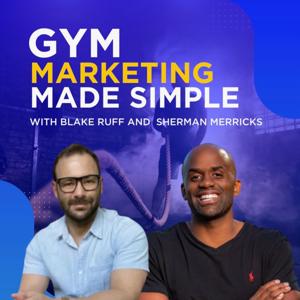

Most gym leads don’t ghost. They just weren’t followed up with long enough — or like a real human. If sales have felt harder lately, it’s not because people stopped buying. It’s because the game quietly changed… and most gyms didn’t notice.
Welcome to Gym Marketing Made Simple — the show that cuts through the noise and explains what actually drives steady growth for boutique gyms. Each episode breaks down marketing and sales systems in a way that’s practical, realistic, and repeatable, so growth feels intentional instead of unpredictable.
Episode Highlights
In this episode, the conversation centers on one uncomfortable truth: leads need more attention than they used to and automation alone isn’t enough anymore. Matt G breaks down why gym owners now need 10–20 touchpoints to convert a single lead, how personal outreach consistently outperforms automated sequences, and why most sales systems fail simply because they stop too early. The discussion goes deep into phone calls, text follow-ups, voicemail strategy, and how relationship-based communication leads to more booked consultations and stronger trust from the very first interaction.
Episode Outline
Why the average lead now requires 10–20 touchpoints instead of 6–10
How alternating phone calls and texts over a 36-day window keeps leads warm
Why being first to respond matters more than saying the “perfect” thing
How 80–90% of consultations are booked through manual, personal outreach
The role of emotional timing in buying decisions
Why follow-up should feel relational, not transactional
How detailed CRM notes prevent repetitive messaging and lost opportunities
What to do when a lead joins a competitor — and why that’s not the end
The long-term value of persistence, especially during slower months
Episode Chapters
00:00 Intro
00:05 Scheduling and Lead Follow-Up
02:18 The Importance of Human Connection in Sales
06:01 Effective Voicemail and Text Messages
15:57 Building Relationships and Overcoming Objections
17:20 The Role of Emotional Responses in Sales
17:49 The Impact of Personal Outreach on Sales
18:01 The Importance of Follow-Up in Sales
18:27 The Role of CRM Systems in Sales
19:16 The Impact of Personalized Communication on Sales
19:29 The Importance of Emotional Responses in Sales
Action Taken
Make at least 10 manual contacts with every new lead over the first 36 days, alternating calls and texts, and track each interaction as a CRM task
Choose one system for organizing leads (CRM pipeline or manual task tracking) and apply it consistently for all new prospects
Leave a human-sounding voicemail that simply says you’re getting back to them — avoid sales language
Send follow-up texts that ask “Where do we go from here?” followed by an either/or scheduling option
Log all responses, context, and personal details inside CRM notes
Set manual follow-up tasks based on real-life details (vacations, timing, availability)
When a prospect joins another gym, schedule a 60–90 day check-in asking about results and consistency
Reference personal notes in follow-ups to build familiarity and trust
Conclusion
Sales haven’t become harder, they’ve become more human.
This episode is a reminder that consistency, patience, and genuine connection still win, especially in an industry built on relationships. When follow-up feels personal instead of automated, leads stop feeling like numbers and start turning into conversations that actually convert.
CTA
If this episode resonated, take one idea and apply it immediately — whether that’s updating voicemail scripts, tightening CRM notes, or committing to longer follow-up windows with new leads.
Supporting Information
👉 Book a free strategy call: https://www.lassoframework.com/
Thanks for listening to Gym Marketing Made Simple. Every episode is created to help gym owners simplify growth, stay consistent, and build systems that actually work in the real world. Appreciate you being part of the conversation.
 View all episodes
 By Sherman Merricks

4
88 ratings
Most gym leads don’t ghost. They just weren’t followed up with long enough — or like a real human. If sales have felt harder lately, it’s not because people stopped buying. It’s because the game quietly changed… and most gyms didn’t notice.
Welcome to Gym Marketing Made Simple — the show that cuts through the noise and explains what actually drives steady growth for boutique gyms. Each episode breaks down marketing and sales systems in a way that’s practical, realistic, and repeatable, so growth feels intentional instead of unpredictable.
Episode Highlights
In this episode, the conversation centers on one uncomfortable truth: leads need more attention than they used to and automation alone isn’t enough anymore. Matt G breaks down why gym owners now need 10–20 touchpoints to convert a single lead, how personal outreach consistently outperforms automated sequences, and why most sales systems fail simply because they stop too early. The discussion goes deep into phone calls, text follow-ups, voicemail strategy, and how relationship-based communication leads to more booked consultations and stronger trust from the very first interaction.
Episode Outline
Why the average lead now requires 10–20 touchpoints instead of 6–10
How alternating phone calls and texts over a 36-day window keeps leads warm
Why being first to respond matters more than saying the “perfect” thing
How 80–90% of consultations are booked through manual, personal outreach
The role of emotional timing in buying decisions
Why follow-up should feel relational, not transactional
How detailed CRM notes prevent repetitive messaging and lost opportunities
What to do when a lead joins a competitor — and why that’s not the end
The long-term value of persistence, especially during slower months
Episode Chapters
00:00 Intro
00:05 Scheduling and Lead Follow-Up
02:18 The Importance of Human Connection in Sales
06:01 Effective Voicemail and Text Messages
15:57 Building Relationships and Overcoming Objections
17:20 The Role of Emotional Responses in Sales
17:49 The Impact of Personal Outreach on Sales
18:01 The Importance of Follow-Up in Sales
18:27 The Role of CRM Systems in Sales
19:16 The Impact of Personalized Communication on Sales
19:29 The Importance of Emotional Responses in Sales
Action Taken
Make at least 10 manual contacts with every new lead over the first 36 days, alternating calls and texts, and track each interaction as a CRM task
Choose one system for organizing leads (CRM pipeline or manual task tracking) and apply it consistently for all new prospects
Leave a human-sounding voicemail that simply says you’re getting back to them — avoid sales language
Send follow-up texts that ask “Where do we go from here?” followed by an either/or scheduling option
Log all responses, context, and personal details inside CRM notes
Set manual follow-up tasks based on real-life details (vacations, timing, availability)
When a prospect joins another gym, schedule a 60–90 day check-in asking about results and consistency
Reference personal notes in follow-ups to build familiarity and trust
Conclusion
Sales haven’t become harder, they’ve become more human.
This episode is a reminder that consistency, patience, and genuine connection still win, especially in an industry built on relationships. When follow-up feels personal instead of automated, leads stop feeling like numbers and start turning into conversations that actually convert.
CTA
If this episode resonated, take one idea and apply it immediately — whether that’s updating voicemail scripts, tightening CRM notes, or committing to longer follow-up windows with new leads.
Supporting Information
👉 Book a free strategy call: https://www.lassoframework.com/
Thanks for listening to Gym Marketing Made Simple. Every episode is created to help gym owners simplify growth, stay consistent, and build systems that actually work in the real world. Appreciate you being part of the conversation.

4,421 Listeners

92 Listeners

4,481 Listeners

8,826 Listeners
104 Listeners

169 Listeners

325 Listeners

649 Listeners