
Sign up to save your podcasts
Or

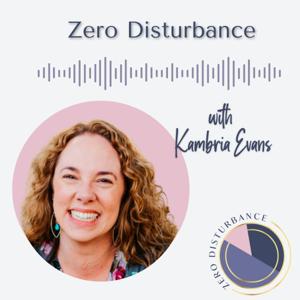


The holiday season can be incredibly stressful and triggering for many reasons, from trying to defy our natural inclination to hibernate in the winter, to how our brains link to challenging events from all the holidays that came before.
But you don’t have to dread the holidays or family get-togethers, if you can understand where your feelings come from and how to work through them.
We store so many memories in our bodies; some of these memories we know and remember, but others happened before we can remember or realize that they were traumatic. Things like a parent not speaking up when another parent was drunk, changing schools, not being comforted when you were upset, being spanked, and more.
We can understand the whole of these many moments as part of attachment trauma. And when we see television shows, social media posts and advertisements about what a holiday should look and feel like, we feel like there’s something wrong with us or our families.
One solution is working on that attachment trauma with attachment-focused EMDR to help our nervous system desensitize those memories so you don’t have to go into the holidays already lit up with anxiety.
This week on the podcast, I’m sharing more about what this looks like in practice and why EMDR can help us develop a relational mirror to help us better understand ourselves.
When something traumatic happens to us, it can be healing to have a therapist listen to and/or validate our horrible experience, especially if no one else has before. However, rehashing the details of that traumatic event can be retraumatizing. Brain-based therapies like EMDR teach us that we don't have to talk about the trauma or the details if we don't want to because the real healing doesn't focus on the traumatic event itself.
The Zero Disturbance podcast is for educational purposes and is not a replacement for a therapeutic relationship or individualized mental health or medical care.
Get on the waiting list for our client workbook, coming soon!
Want to learn more about empowering yourself to experience therapy on your terms? Get access to our free client resource library for the most up-to-date tools and resources for your own journey.
Therapists, access our favorite free resources in The Zero Disturbance Welcome Bundle, full of free videos and downloads to help you develop your clinical reasoning skills, as well as ways to feel like an intentional designer of high-value offerings like intensives and passive income. Use these free resources to make the seemingly impossible feel absolutely accessible!
With a Masters in Education from Vanderbilt, Kambria has been creating trainings and teaching adult learners for over 20 years. As the Director of Education and Quality Improvement at Stanford Medical School, she created ease in complex systems, thereby giving medical trainees successful learning experiences. Now, as a dedicated mom, therapist, and EMDR Consultant, Kambria knows what it means to do things efficiently, effectively, and in a learner-centered way. When she isn't podcasting or creating online courses, you can find Kambria playing with her twins on a beach in California.
Need help with bilateral stimulation? I use TouchPoint for myself, my kids, and in my practice. They’re both affordable and discreet! Shop here and use the coupon code ZERODISTURBANCE for 12% off. (I may receive compensation for the sale.)
The true definition (and outcomes) of depression goes far beyond what we typically think of: someone pulling away from loved ones, extreme sadness, maybe even feeling suicidal.
But the truth is that depression is often a symptom of trauma, and can manifest in individuals in so many different ways. It may be a collapse after extreme anxiety that we may not even notice because we’ve normalized living life at a high cadence. When we crash into depression, we may feel safe because we learned that there’s safety in that. However, we may not recognize this initially because that learning happened in a pre-verbal stage, before we can even remember.
Because we want to rewrite what we’ve learned and decided so we can feel better, because we want to heal from past trauma, EMDR is an amazing therapeutic option for people who suffer from depression and hopelessness.
This week on the podcast, I’m sharing what happens in our bodies and minds when we experience early trauma, why depression and anxiety are so linked, why there might be a medical reason for some depression, and how depression can actually feel safe for some of us.
There are so many options available for people who feel depressed, especially in the winter months. EMDR is just one of the tools that can help. I urge anyone who feels an overwhelming sense of helplessness and withdrawal to seek out professional help.
When something traumatic happens to us, it can be healing to have a therapist listen to and/or validate our horrible experience, especially if no one else has before. However, rehashing the details of that traumatic event can be retraumatizing. Brain-based therapies like EMDR teach us that we don't have to talk about the trauma or the details if we don't want to because the real healing doesn't focus on the traumatic event itself.
The Zero Disturbance podcast is for educational purposes and is not a replacement for a therapeutic relationship or individualized mental health or medical care.
Come learn with us at Zero Disturbance
Want to learn more about empowering yourself to experience therapy on your terms? Get access to our free client resource library for the most up-to-date tools and resources for your own journey.
Therapists, access our favorite free resources in The Zero Disturbance Welcome Bundle, full of free videos and downloads to help you develop your clinical reasoning skills, as well as ways to feel like an intentional designer of high-value offerings like intensives and passive income. Use these free resources to make the seemingly impossible feel absolutely accessible!
With a Masters in Education from Vanderbilt, Kambria has been creating trainings and teaching adult learners for over 20 years. As the Director of Education and Quality Improvement at Stanford Medical School, she created ease in complex systems, thereby giving medical trainees successful learning experiences. Now, as a dedicated mom, therapist, and EMDR Consultant, Kambria knows what it means to do things efficiently, effectively, and in a learner-centered way. When she isn't podcasting or creating online courses, you can find Kambria playing with her twins on a beach in California.
Need help with bilateral stimulation? I use TouchPoint for myself, my kids, and in my practice. They’re both affordable and discreet! Shop here and use the coupon code ZERODISTURBANCE for 12% off. (I may receive compensation for the sale.)
Thanks to Gabor Maté, we know that trauma isn’t just something that happens; it’s something that happens inside of you. So when something happens to us (or doesn’t happen, like in an omission of care) and we feel anxiety, that anxiety is a result of trauma.
Anxiety can come from so many things, like overextending ourselves and trying to do too much, divorce, job loss, and even things that some might perceive as positive experiences like an upcoming social event, wedding, or vacation. And often we feel this way not because we are anxious people, but because our relationship with anxiety has been wired a certain way. And we know that neuroplasticity allows us to rewire our relationship with emotions, sense of self and identity. How cool is that?
When we can expand the definition of anxiety outside of what the DSM and the American Psychological Association tell us it is, we can start to see the value of EMDR treatment for people who experience anxiety. This is a beautiful thing.
This week on the Zero Disturbance podcast, I’m talking about what anxiety and trauma actually are, and why professional associations in the psychological space need to expand their official definitions so that more people can easily access the support and treatment they need. And I’m sharing why EMDR is a great choice for people who have experienced anxiety or who have been told they “have anxiety.” This is especially important so we can create more hope for people so they don’t think they have to “have anxiety” forever, as part of who they are.
When something traumatic happens to us, it can be healing to have a therapist listen to and/or validate our horrible experience, especially if no one else has before. However, rehashing the details of that traumatic event can be retraumatizing. Brain-based therapies like EMDR teach us that we don't have to talk about the trauma or the details if we don't want to because the real healing doesn't focus on the traumatic event itself.
The Zero Disturbance podcast is for educational purposes and is not a replacement for a therapeutic relationship or individualized mental health or medical care.
Want to learn more about empowering yourself to experience therapy on your terms? Get access to our free client resource library for the most up-to-date tools and resources for your own journey.
Therapists, access our favorite free resources in The Zero Disturbance Welcome Bundle, full of free videos and downloads to help you develop your clinical reasoning skills, as well as ways to feel like an intentional designer of high-value offerings like intensives and passive income. Use these free resources to make the seemingly impossible feel absolutely accessible!
With a Masters in Education from Vanderbilt, Kambria has been creating trainings and teaching adult learners for over 20 years. As the Director of Education and Quality Improvement at Stanford Medical School, she created ease in complex systems, thereby giving medical trainees successful learning experiences. Now, as a dedicated mom, therapist, and EMDR Consultant, Kambria knows what it means to do things efficiently, effectively, and in a learner-centered way. When she isn't podcasting or creating online courses, you can find Kambria playing with her twins on a beach in California.
Need help with bilateral stimulation? I use TouchPoint for myself, my kids, and in my practice. They’re both affordable and discreet! Shop here and use the coupon code ZERODISTURBANCE for 12% off.
Disclosure: Some of the links provided are affiliate links. If you choose to make a purchase through these links, I may receive a small commission at no extra cost to you. This helps support my work. Thank you for your understanding and support!
Parenting is a challenge for everyone, no matter what someone’s Instagram feed claims. And if we’re looking outside the “traditional” definition of trauma, every parent has experienced trauma at some point.
So many parents want to raise their children in a different way than they themselves were raised: more extracurricular options, no spanking, being more present. And where we end up is stressed out, feeling like we’re not doing enough, and triggered by our kids. Sometimes without even knowing why we’re feeling this way.
This week, I’m talking about why EMDR is a great tool for parents as they learn to rewrite their curriculum from the past so they can better understand what is happening now.
It’s normal to feel stressed out as a parent, but you don’t have to suffer. Parents can use EMDR to accelerate healing far beyond what’s possible in talk therapy. Listen in this week and learn how to parent smarter and create the parenting experience you want.
When something traumatic happens to us, it can be healing to have a therapist listen to and/or validate our horrible experience, especially if no one else has before. However, rehashing the details of that traumatic event can be retraumatizing. Brain-based therapies like EMDR teach us that we don't have to talk about the trauma or the details if we don't want to because the real healing doesn't focus on the traumatic event itself.
The Zero Disturbance podcast is for educational purposes and is not a replacement for a therapeutic relationship or individualized mental health or medical care.
Want to learn more about empowering yourself to experience therapy on your terms? Sign up for our mailing list and never miss a conversation.
Therapists, access our favorite free resources in The Zero Disturbance Welcome Bundle, full of free videos and downloads to help you develop your clinical reasoning skills, as well as ways to feel like an intentional designer of high-value offerings like intensives and passive income. Use these free resources to make the seemingly impossible feel absolutely accessible!
With a Masters in Education from Vanderbilt, Kambria has been creating trainings and teaching adult learners for over 20 years. As the Director of Education and Quality Improvement at Stanford Medical School, she created ease in complex systems, thereby giving medical trainees successful learning experiences. Now, as a dedicated mom, therapist, and EMDR Consultant, Kambria knows what it means to do things efficiently, effectively, and in a learner-centered way. When she isn't podcasting or creating online courses, you can find Kambria playing with her twins on a beach in California.
Need help with bilateral stimulation? I use TouchPoint for myself, my kids, and in my practice. They’re both affordable and discreet! Shop here and use the coupon code ZERODISTURBANCE for 12% off. (I may receive compensation for the sale.)
EMDR works. It’s well-known that it works for those who want to heal trauma, but you don’t have to be a trauma survivor to benefit from EMDR. In fact, I believe that it works for nearly every human on the planet.
This week, I’m starting a new series that I think will convince you that EMDR is for children, athletes, executives, parents, empty nesters, those going through a divorce, and more. And one of the reasons why it isn’t already a standard of practice for all therapists (as I think it should be) is because our therapy education hasn’t caught up with brain science.
I’m on a mission to raise awareness of EMDR so that grad schools make it part of their standard curriculum, it becomes more affordable, and it’s the default treatment option people get when they walk into a therapy office.
Listen in this week as I open the conversation around why EMDR is helpful to nearly everyone and should be available to anyone.
When something traumatic happens to us, it can be healing to have a therapist listen to and/or validate our horrible experience, especially if no one else has before. However, rehashing the details of that traumatic event can be retraumatizing. Brain-based therapies like EMDR teach us that we don't have to talk about the trauma or the details if we don't want to because the real healing doesn't focus on the traumatic event itself.
The Zero Disturbance podcast is for educational purposes and is not a replacement for a therapeutic relationship or individualized mental health or medical care.
Want to learn more about empowering yourself to experience therapy on your terms? Sign up for our mailing list, get the Client Resource Library, and never miss a conversation.
Therapists, access our favorite free resources in The Zero Disturbance Welcome Bundle, full of free videos and downloads to help you develop your clinical reasoning skills, as well as ways to feel like an intentional designer of high-value offerings like intensives and passive income. Use these free resources to make the seemingly impossible feel absolutely accessible!
With a Masters in Education from Vanderbilt, Kambria has been creating trainings and teaching adult learners for over 20 years. As the Director of Education and Quality Improvement at Stanford Medical School, she created ease in complex systems, thereby giving medical trainees successful learning experiences. Now, as a dedicated mom, therapist, and EMDR Consultant, Kambria knows what it means to do things efficiently, effectively, and in a learner-centered way. When she isn't podcasting or creating online courses, you can find Kambria playing with her twins on a beach in California.
Want to learn more about offering intensives in your practice? My Intensive Kit can help! Find out more here.
I've been offering intensive therapy programs for my EMDR clients for 5 years now and I've learned a lot about about how to design successful intensive models. And I've made it my mission to share my experience so that other clinicians may benefit in their own private practices.
And, now, because I've now had the opportunity to support clinicians as they launch their own intensive models, I've been able to learn more about what helps and hinders clinicians when it comes to designing their intensive models. And, as always, I want to share that with you.
Today, I explore the 7 most common myths that I hear in consultation about why clinicians feel stuck when it comes to offering intensive therapy in their private practices. And the good news? I'm here to encourage you (with data of course) on how we can shift our mindset to better understand how possible it is to design an intensive model of therapy.
Learn about why you're already trained and set up to do this, how intensive therapy actually takes less energy, that intensive therapy doesn't mean 6-8 hours of therapy, and much more in today's podcast episode.
You are a precious resource who has the ability to offer high-value services to their clients. And it's my mission to help you understand that.
When something traumatic happens to us, it can be healing to have a therapist listen to and/or validate our horrible experience, especially if no one else has before. However, rehashing the details of that traumatic event can be retraumatizing. Brain-based therapies like EMDR teach us that we don't have to talk about the trauma or the details if we don't want to because the real healing doesn't focus on the traumatic event itself.
The Zero Disturbance podcast is for educational purposes and is not a replacement for a therapeutic relationship or individualized mental health or medical care.
Want to learn more about empowering yourself to experience therapy on your terms? Sign up for our mailing list and never miss a conversation.
Therapists, access our favorite free resources in The Zero Disturbance Welcome Bundle, full of free videos and downloads to help you develop your clinical reasoning skills, as well as ways to feel like an intentional designer of high-value offerings like intensives and passive income. Use these free resources to make the seemingly impossible feel absolutely accessible!
With a Masters in Education from Vanderbilt, Kambria has been creating trainings and teaching adult learners for over 20 years. As the Director of Education and Quality Improvement at Stanford Medical School, she created ease in complex systems, thereby giving medical trainees successful learning experiences. Now, as a dedicated mom, therapist, and EMDR Consultant, Kambria knows what it means to do things efficiently, effectively, and in a learner-centered way. When she isn't podcasting or creating online courses, you can find Kambria playing with her twins on a beach in California.
Have you struggled with finding the right therapy for your needs? Maybe you’ve had a few appointments with several different therapists but never found someone you felt was on the same page as you for your treatment.
The client-therapist relationship is so important and it’s not something that anyone should enter lightly. For clients, it might be one of the most important relationships they build. Understanding your specific needs and finding a therapist who can meet those needs is pivotal.
If you’ve never worked with a therapist before, have worked with a therapist who didn’t feel like a good fit, or are looking for someone who offers different modalities than your current therapist offers, you need to do your research.
You can find a lot of information about therapists on their websites, but you’ll also want to have a conversation before you start working with them.
This episode is your guide for what to ask, how to understand the therapist’s responses, and what to look for in your conversation. It will also help you to check in with your therapist, if you’re already in a therapeutic relationship.
And if you’re a therapist, this is a great episode for helping you to show up in the way you want to show up. It will give you some parameters for setting up your own guide for how you work with clients.
This isn’t about ranking or rating therapists based on arbitrary criteria, but rather about seeking out a professional whose values, availability, and working style align with yours.
When something traumatic happens to us, it can be healing to have a therapist listen to and/or validate our horrible experience, especially if no one else has before. However, rehashing the details of that traumatic event can be retraumatizing. Brain-based therapies like EMDR teach us that we don't have to talk about the trauma or the details if we don't want to because the real healing doesn't focus on the traumatic event itself.
The Zero Disturbance podcast is for educational purposes and is not a replacement for a therapeutic relationship or individualized mental health or medical care.
Clients in therapy, want to learn more about empowering yourself to experience therapy on your terms? Sign up for our mailing list to get the free Client Resource library and never miss a conversation.
Therapists, access our favorite free resources in The Zero Disturbance Welcome Bundle, full of free videos and downloads to help you develop your clinical reasoning skills, as well as ways to feel like an intentional designer of high-value offerings like intensives and passive income. Use these free resources to make the seemingly impossible feel absolutely accessible!
With a Masters in Education from Vanderbilt, Kambria has been creating trainings and teaching adult learners for over 20 years. As the Director of Education and Quality Improvement at Stanford Medical School, she created ease in complex systems, thereby giving medical trainees successful learning experiences. Now, as a dedicated mom, therapist, and EMDR Consultant, Kambria knows what it means to do things efficiently, effectively, and in a learner-centered way. When she isn't podcasting or creating online courses, you can find Kambria playing with her twins on a beach in California.
EMDR is a fantastic brain-based modality for trauma therapy, but there are so many other uses that we don’t talk about enough because of the focus on trauma. What gets lost the most is that EMDR supports anyone who wants to rewrite the curriculum they learned as a result of experiences from their past.
When we talk about EMDR being good for trauma victims, we essentially close the door of possibility of healing through this modality for those who don’t identify as trauma victims. This does a disservice to the majority of the population.
Everyone, at some point or another, suffers from anxiety, depression, sleeplessness, incongruence of messages in their bodies. This includes incongruence of women’s curriculum around their bodies and behaviors, messages from society around race and socioeconomic levels, and so much more. These experiences cause disturbance in lives in the past, present, and future. All of these are a natural part of being human. And EMDR can support people in rewriting their curriculum from the past so they can focus on the present and future.
That means that every person is a candidate for EMDR.
This week on the podcast, I’m sharing why EMDR is so valuable for people who want to create congruence in their curriculum in the present and future, how EMDR can be used for people looking for performance enhancement, and how therapy clients can become more empowered in their therapy treatment.
When something traumatic happens to us, it can be healing to have a therapist listen to and/or validate our horrible experience, especially if no one else has before. However, rehashing the details of that traumatic event can be retraumatizing. Brain-based therapies like EMDR teach us that we don't have to talk about the trauma or the details if we don't want to because the real healing doesn't focus on the traumatic event itself.
The Zero Disturbance podcast is for educational purposes and is not a replacement for a therapeutic relationship or individualized mental health or medical care.
Clients in therapy, want to learn more about empowering yourself to experience therapy on your terms? Sign up for our mailing list to get the free Client Resource library and never miss a conversation.
Therapists, access our favorite free resources in The Zero Disturbance Welcome Bundle, full of free videos and downloads to help you develop your clinical reasoning skills, as well as ways to feel like an intentional designer of high-value offerings like intensives and passive income. Use these free resources to make the seemingly impossible feel absolutely accessible!
With a Masters in Education from Vanderbilt, Kambria has been creating trainings and teaching adult learners for over 20 years. As the Director of Education and Quality Improvement at Stanford Medical School, she created ease in complex systems, thereby giving medical trainees successful learning experiences. Now, as a dedicated mom, therapist, and EMDR Consultant, Kambria knows what it means to do things efficiently, effectively, and in a learner-centered way. When she isn't podcasting or creating online courses, you can find Kambria playing with her twins on a beach in California.
Identifying and pulling on positive resources is essential to processing trauma, but it’s also something you can do when you want to change your mindset around specific feelings and events. Even better, it’s something you can do on your own with a little bit of work and reflection.
Resourcing is a biologically natural process your body already has to create adaptive material. It’s what your body did to create adaptations after a traumatic event. But you can also resource yourself in a customized way to create positive resources using all the EMDR clinical reasoning available to us. You just need to know how to do it. The good news is that it’s incredibly simple. I’ll show you how.
We all have bundles of elements we use when we process trauma, including emotions, body sensations, images, and cognition. This week on the podcast, I’m sharing how to use this bundle of feelings and sensations around a positive event or relationship so you can pull on them, expand them, and make those resources accessible so you can feel better.
We can use bilateral stimulation to neutralize negative emotions, but we can also use it to expand positive relationships, experiences, and emotions. It works both ways.
Listen in as I share how and offer some real world and personal examples of how you can do this intentionally.
When something traumatic happens to us, it can be healing to have a therapist listen to and/or validate our horrible experience, especially if no one else has before. However, rehashing the details of that traumatic event can be retraumatizing. Brain-based therapies like EMDR teach us that we don't have to talk about the trauma or the details if we don't want to because the real healing doesn't focus on the traumatic event itself.
The Zero Disturbance podcast is for educational purposes and is not a replacement for a therapeutic relationship or individualized mental health or medical care.
Clients in therapy, want to learn more about empowering yourself to experience therapy on your terms? Sign up for our mailing list to get the free Client Resource library and never miss a conversation.
Therapists, access our favorite free resources in The Zero Disturbance Welcome Bundle, full of free videos and downloads to help you develop your clinical reasoning skills, as well as ways to feel like an intentional designer of high-value offerings like intensives and passive income. Use these free resources to make the seemingly impossible feel absolutely accessible!
With a Masters in Education from Vanderbilt, Kambria has been creating trainings and teaching adult learners for over 20 years. As the Director of Education and Quality Improvement at Stanford Medical School, she created ease in complex systems, thereby giving medical trainees successful learning experiences. Now, as a dedicated mom, therapist, and EMDR Consultant, Kambria knows what it means to do things efficiently, effectively, and in a learner-centered way. When she isn't podcasting or creating online courses, you can find Kambria playing with her twins on a beach in California.
Doing mindset work isn’t always the answer. We’re inundated with messages from coaches and therapists on Instagram telling us that if we just worked on our mindset, we could get past so many of our limiting beliefs and roadblocks.
And while maybe mindset works for some, for many therapy clients it’s actually harmful.
When therapy clients don’t yet have the ability to protect themselves from negative cognitions around the mindset work, they can experience trauma. They can feel like a failure. And in cases like this, mindset work is now creating more harm.
We all have positive intentions with mindset work. But when we try and it doesn’t work, we start to believe it’s not even worth trying.
Instead, therapists and their clients need to have a good understanding of the client’s negative and positive beliefs so that we can create customized resources for that person, building on the positive beliefs that do exist.
This week, I’m sharing more about what this looks like in the therapy room and on social media and why we need to spend more time looking at individual adaptations, rather than blanket mindset work as a solution.
When something traumatic happens to us, it can be healing to have a therapist listen to and/or validate our horrible experience, especially if no one else has before. However, rehashing the details of that traumatic event can be retraumatizing. Brain-based therapies like EMDR teach us that we don't have to talk about the trauma or the details if we don't want to because the real healing doesn't focus on the traumatic event itself.
The Zero Disturbance podcast is for educational purposes and is not a replacement for a therapeutic relationship or individualized mental health or medical care.
Clients in therapy, want to learn more about empowering yourself to experience therapy on your terms? Sign up for our mailing list to get the free Client Resource library and never miss a conversation.
Therapists, access our favorite free resources in The Zero Disturbance Welcome Bundle, full of free videos and downloads to help you develop your clinical reasoning skills, as well as ways to feel like an intentional designer of high-value offerings like intensives and passive income. Use these free resources to make the seemingly impossible feel absolutely accessible!
With a Masters in Education from Vanderbilt, Kambria has been creating trainings and teaching adult learners for over 20 years. As the Director of Education and Quality Improvement at Stanford Medical School, she created ease in complex systems, thereby giving medical trainees successful learning experiences. Now, as a dedicated mom, therapist, and EMDR Consultant, Kambria knows what it means to do things efficiently, effectively, and in a learner-centered way. When she isn't podcasting or creating online courses, you can find Kambria playing with her twins on a beach in California.
From the publisher's feed

90,399 Listeners

43,330 Listeners
682 Listeners

12,658 Listeners

112,271 Listeners

14,885 Listeners

69,559 Listeners

3,170 Listeners
311 Listeners

362 Listeners

28,901 Listeners
41 Listeners

18,924 Listeners