
Sign up to save your podcasts
Or


The agri-food company Moy Park, which supplies chickens throughout the UK and Europe, has breached environmental laws on more than 500 occasions without facing prosecution. A BBC Spotlight investigation into water pollution uncovered the breaches at three different sites in Northern Ireland - including Lough Neagh.
Holidaymakers and walkers in Scotland are being warned not to light camp fires. Last year, a wild-fire tore through forestry at Cannich, south of Inverness. It burned for two weeks on the surface and even more damage was caused underground, as peat burnt beneath the soil. The commercial forest is now being felled, 20 years earlier than expected, and has lost 60 percent of its value. The fire also had a serious impact on the RSPB Scotland nature reserve, at Corrimony.
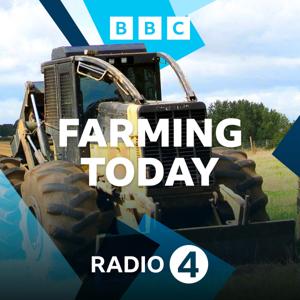
As the election campaign continues, and politicians travel around the UK to drum up support, on Farming Today we've asked our correspondents this week to explain what the agricultural sector is looking for. Agriculture is devolved, so policies are drawn up separately in Scotland, Wales, Northern Ireland and England. Today we discuss what farmers are looking for in England.
We're looking at pollinators all week: over the past ten years, honey bees have become an integral part of the way the 75,000 acre Lowther Estate in Cumbria is managed, with around 500 colonies producing between 12 and 15 tonnes of Lake District honey every year. As well as its home hives, the estate also sends out around 200 bee colonies to other local landowners, which feed from and pollinate arable crops throughout the Eden Valley. Cumbria’s only producers of rapeseed oil, farmers Ben and Jannike Taylor, are accommodating some of the Lowther bees this spring.
Presenter = Anna Hill
 View all episodes
 By BBC Radio 4

4.5
5454 ratings
The agri-food company Moy Park, which supplies chickens throughout the UK and Europe, has breached environmental laws on more than 500 occasions without facing prosecution. A BBC Spotlight investigation into water pollution uncovered the breaches at three different sites in Northern Ireland - including Lough Neagh.
Holidaymakers and walkers in Scotland are being warned not to light camp fires. Last year, a wild-fire tore through forestry at Cannich, south of Inverness. It burned for two weeks on the surface and even more damage was caused underground, as peat burnt beneath the soil. The commercial forest is now being felled, 20 years earlier than expected, and has lost 60 percent of its value. The fire also had a serious impact on the RSPB Scotland nature reserve, at Corrimony.
As the election campaign continues, and politicians travel around the UK to drum up support, on Farming Today we've asked our correspondents this week to explain what the agricultural sector is looking for. Agriculture is devolved, so policies are drawn up separately in Scotland, Wales, Northern Ireland and England. Today we discuss what farmers are looking for in England.
We're looking at pollinators all week: over the past ten years, honey bees have become an integral part of the way the 75,000 acre Lowther Estate in Cumbria is managed, with around 500 colonies producing between 12 and 15 tonnes of Lake District honey every year. As well as its home hives, the estate also sends out around 200 bee colonies to other local landowners, which feed from and pollinate arable crops throughout the Eden Valley. Cumbria’s only producers of rapeseed oil, farmers Ben and Jannike Taylor, are accommodating some of the Lowther bees this spring.
Presenter = Anna Hill

7,669 Listeners
1,093 Listeners
401 Listeners

891 Listeners

1,062 Listeners

37 Listeners

5,475 Listeners

1,801 Listeners
1,881 Listeners

1,761 Listeners

1,054 Listeners

2,080 Listeners
290 Listeners
267 Listeners
156 Listeners
35 Listeners
106 Listeners
85 Listeners

3,204 Listeners
12 Listeners
14 Listeners

1,606 Listeners
57 Listeners
12 Listeners
27 Listeners