
Sign up to save your podcasts
Or

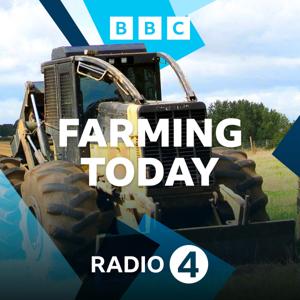

The 240th Royal Highland Show is taking place just outside Edinburgh, and more than 200,000 people expected to attend over the 4 days of the show. We hear from some of the breeders showing cattle at the show.
In 2022, the UK grew 162,000 tonnes of lettuce, cucumbers, tomatoes, sweet peppers and celery - worth more than 200 million pounds. This time of year is normally peak salad season, but the months of rain and below average temperatures have been bad news for the country's salad growers. We find out what that means for both field crops and those grown in glasshouses.
An e-coli outbreak across the UK has been traced back to some salad leaves, which were used in a wide range of food, including sandwiches and wraps. The Food Standards Agency has not been able to say whether those leaves came from UK farms, or were imported. We ask what it means for farmers.
And could the plant breeding achievements of the Green Revolution be started again from scratch? That's the hope of scientists at the John Innes Centre, who say modern commercial varieties of wheat used by farmers could be replaced with better ones, using wheat lines collected a century ago.
Presented by Caz Graham
 View all episodes
 By BBC Radio 4

4.5
5454 ratings
The 240th Royal Highland Show is taking place just outside Edinburgh, and more than 200,000 people expected to attend over the 4 days of the show. We hear from some of the breeders showing cattle at the show.
In 2022, the UK grew 162,000 tonnes of lettuce, cucumbers, tomatoes, sweet peppers and celery - worth more than 200 million pounds. This time of year is normally peak salad season, but the months of rain and below average temperatures have been bad news for the country's salad growers. We find out what that means for both field crops and those grown in glasshouses.
An e-coli outbreak across the UK has been traced back to some salad leaves, which were used in a wide range of food, including sandwiches and wraps. The Food Standards Agency has not been able to say whether those leaves came from UK farms, or were imported. We ask what it means for farmers.
And could the plant breeding achievements of the Green Revolution be started again from scratch? That's the hope of scientists at the John Innes Centre, who say modern commercial varieties of wheat used by farmers could be replaced with better ones, using wheat lines collected a century ago.
Presented by Caz Graham

7,595 Listeners

1,087 Listeners

394 Listeners

892 Listeners

1,057 Listeners

34 Listeners

5,462 Listeners

1,799 Listeners
1,878 Listeners

1,749 Listeners

1,041 Listeners

2,087 Listeners
286 Listeners
265 Listeners
157 Listeners
35 Listeners
105 Listeners
85 Listeners

3,193 Listeners
12 Listeners

13 Listeners

1,607 Listeners

57 Listeners
12 Listeners
27 Listeners