
Sign up to save your podcasts
Or

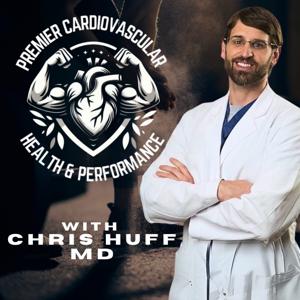

Many people are either terrified by a non-zero calcium score or falsely reassured by a score of zero. Neither reaction is helpful.
In this episode, Dr. Chris Huff breaks down the science behind coronary artery calcium scoring and explains why it has emerged as one of the strongest predictors of cardiovascular risk—often outperforming traditional risk factors. You’ll learn how atherosclerosis develops, why calcium represents plaque burden and chronicity rather than blockage, and how age, fitness level, and lifestyle influence how scores should be interpreted.
Dr. Huff also explains when calcium scoring is appropriate, when coronary CT angiography (CCTA) makes more sense, and why repeat calcium scans are rarely helpful once plaque is detected. The focus throughout is not on chasing numbers, but on using the right information to prevent heart attacks before they happen.
—
This episode is sponsored by Lightstone DIRECT. Lightstone DIRECT invites you to partner with a $12B AUM real estate institution as you grow your portfolio. Access the same single-asset multifamily and industrial deals Lightstone pursues with its own capital – Lightstone co-invests a minimum of 20% in each deal alongside individual investors like you. You’re an institution. Time to invest like one.
What Listeners Will LearnA calcium score doesn’t diagnose blockages—but it tells you whether atherosclerosis is already present. Used correctly, it is a powerful tool to guide prevention and reduce the risk of future cardiovascular events.
Episodes Referenced in This EpisodeDr. Huff references earlier episodes that explore atherosclerosis and lipidology in greater depth:
Grundy, S. M., Stone, N. J., Bailey, A. L., et al. (2019).
2018 AHA/ACC/AACVPR/AAPA/ABC/ACPM/ADA/AGS/APhA/ASPC/NLA/PCNA guideline on the management of blood cholesterol. Circulation, 139(25), e1082–e1143.
https://doi.org/10.1161/CIR.0000000000000625
Arnett, D. K., Blumenthal, R. S., Albert, M. A., et al. (2019).
2019 ACC/AHA guideline on the primary prevention of cardiovascular disease. Circulation, 140(11), e596–e646.
https://doi.org/10.1161/CIR.0000000000000678
Budoff, M. J., Young, R., Burke, G., et al. (2018).
Ten-year association of coronary artery calcium with atherosclerotic cardiovascular disease events: The MESA study. Journal of the American College of Cardiology, 72(10), 1217–1226.
https://doi.org/10.1016/j.jacc.2018.07.007
Blaha, M. J., Cainzos-Achirica, M., Greenland, P., et al. (2016).
Role of coronary artery calcium score of zero and other negative risk markers for cardiovascular disease. Circulation, 133(9), 849–858.
https://doi.org/10.1161/CIRCULATIONAHA.115.018524
Miedema, M. D., Duprez, D. A., Misialek, J. R., et al. (2014).
Use of coronary artery calcium testing to guide aspirin utilization for primary prevention. Circulation: Cardiovascular Quality and Outcomes, 7(3), 453–460.
https://doi.org/10.1161/CIRCOUTCOMES.113.000690
Cainzos-Achirica, M., Miedema, M. D., McEvoy, J. W., et al. (2020).
Coronary artery calcium for personalized allocation of aspirin in primary prevention. Circulation, 141(19), 1541–1553.
https://doi.org/10.1161/CIRCULATIONAHA.119.044243
U.S. Preventive Services Task Force. (2022).
Aspirin use to prevent cardiovascular disease. JAMA, 327(16), 1577–1584.
https://doi.org/10.1001/jama.2022.4983
Puri, R., Nicholls, S. J., Shao, M., et al. (2015).
Impact of statins on serial coronary calcification. Journal of the American College of Cardiology, 65(13), 1273–1282.
https://doi.org/10.1016/j.jacc.2015.01.036
Estruch, R., Ros, E., Salas-Salvadó, J., et al. (2018).
Primary prevention of cardiovascular disease with a Mediterranean diet. New England Journal of Medicine, 378, 2441–2449.
https://doi.org/10.1056/NEJMoa1800389
Hsu, J., et al. (2025).
Paradox of exercise and coronary artery calcification: Potential underlying mechanisms. Circulation Research, 137, 335–349.
Work with Dr. Chris Huff: Premier Cardiovascular Health
Facebook: https://www.facebook.com/chris.huff.9480
Instagram: @hufcm
Disclaimer: The information provided in this podcast is for educational and informational purposes only and is not intended as medical advice. Always consult with a qualified healthcare provider before making any decisions about your health or medical treatment.
 View all episodes
 By Chris Huff MD, Doctor Podcast Network
5
2929 ratings
Many people are either terrified by a non-zero calcium score or falsely reassured by a score of zero. Neither reaction is helpful.
In this episode, Dr. Chris Huff breaks down the science behind coronary artery calcium scoring and explains why it has emerged as one of the strongest predictors of cardiovascular risk—often outperforming traditional risk factors. You’ll learn how atherosclerosis develops, why calcium represents plaque burden and chronicity rather than blockage, and how age, fitness level, and lifestyle influence how scores should be interpreted.
Dr. Huff also explains when calcium scoring is appropriate, when coronary CT angiography (CCTA) makes more sense, and why repeat calcium scans are rarely helpful once plaque is detected. The focus throughout is not on chasing numbers, but on using the right information to prevent heart attacks before they happen.
—
This episode is sponsored by Lightstone DIRECT. Lightstone DIRECT invites you to partner with a $12B AUM real estate institution as you grow your portfolio. Access the same single-asset multifamily and industrial deals Lightstone pursues with its own capital – Lightstone co-invests a minimum of 20% in each deal alongside individual investors like you. You’re an institution. Time to invest like one.
What Listeners Will LearnA calcium score doesn’t diagnose blockages—but it tells you whether atherosclerosis is already present. Used correctly, it is a powerful tool to guide prevention and reduce the risk of future cardiovascular events.
Episodes Referenced in This EpisodeDr. Huff references earlier episodes that explore atherosclerosis and lipidology in greater depth:
Grundy, S. M., Stone, N. J., Bailey, A. L., et al. (2019).
2018 AHA/ACC/AACVPR/AAPA/ABC/ACPM/ADA/AGS/APhA/ASPC/NLA/PCNA guideline on the management of blood cholesterol. Circulation, 139(25), e1082–e1143.
https://doi.org/10.1161/CIR.0000000000000625
Arnett, D. K., Blumenthal, R. S., Albert, M. A., et al. (2019).
2019 ACC/AHA guideline on the primary prevention of cardiovascular disease. Circulation, 140(11), e596–e646.
https://doi.org/10.1161/CIR.0000000000000678
Budoff, M. J., Young, R., Burke, G., et al. (2018).
Ten-year association of coronary artery calcium with atherosclerotic cardiovascular disease events: The MESA study. Journal of the American College of Cardiology, 72(10), 1217–1226.
https://doi.org/10.1016/j.jacc.2018.07.007
Blaha, M. J., Cainzos-Achirica, M., Greenland, P., et al. (2016).
Role of coronary artery calcium score of zero and other negative risk markers for cardiovascular disease. Circulation, 133(9), 849–858.
https://doi.org/10.1161/CIRCULATIONAHA.115.018524
Miedema, M. D., Duprez, D. A., Misialek, J. R., et al. (2014).
Use of coronary artery calcium testing to guide aspirin utilization for primary prevention. Circulation: Cardiovascular Quality and Outcomes, 7(3), 453–460.
https://doi.org/10.1161/CIRCOUTCOMES.113.000690
Cainzos-Achirica, M., Miedema, M. D., McEvoy, J. W., et al. (2020).
Coronary artery calcium for personalized allocation of aspirin in primary prevention. Circulation, 141(19), 1541–1553.
https://doi.org/10.1161/CIRCULATIONAHA.119.044243
U.S. Preventive Services Task Force. (2022).
Aspirin use to prevent cardiovascular disease. JAMA, 327(16), 1577–1584.
https://doi.org/10.1001/jama.2022.4983
Puri, R., Nicholls, S. J., Shao, M., et al. (2015).
Impact of statins on serial coronary calcification. Journal of the American College of Cardiology, 65(13), 1273–1282.
https://doi.org/10.1016/j.jacc.2015.01.036
Estruch, R., Ros, E., Salas-Salvadó, J., et al. (2018).
Primary prevention of cardiovascular disease with a Mediterranean diet. New England Journal of Medicine, 378, 2441–2449.
https://doi.org/10.1056/NEJMoa1800389
Hsu, J., et al. (2025).
Paradox of exercise and coronary artery calcification: Potential underlying mechanisms. Circulation Research, 137, 335–349.
Work with Dr. Chris Huff: Premier Cardiovascular Health
Facebook: https://www.facebook.com/chris.huff.9480
Instagram: @hufcm
Disclaimer: The information provided in this podcast is for educational and informational purposes only and is not intended as medical advice. Always consult with a qualified healthcare provider before making any decisions about your health or medical treatment.

153,989 Listeners

7,216 Listeners

11,904 Listeners

12,154 Listeners
906 Listeners

113,121 Listeners

56,944 Listeners
3,415 Listeners

369,956 Listeners

3,903 Listeners
9,194 Listeners

8,043 Listeners

437 Listeners

29,272 Listeners

2,131 Listeners