
Sign up to save your podcasts
Or

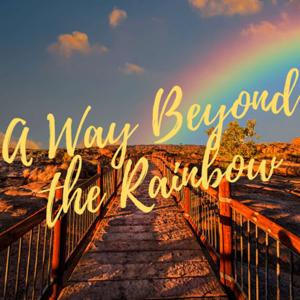


This is part 4 of a four-episode series on understanding the origins and characteristics of complex trauma as well as paving a holistic path of healing.
In this episode, Aadam and I talk about a holistic approach to healing complex trauma using the bio-psycho-social-spiritual model, wrapping up our series on complex trauma.
How do proper nutrition and sleep impact my healing and recovery? What are some grounding techniques that could help me deal with my triggers? How can relationships help me heal my old wounds? Is a spiritual connection a necessary component of the healing process? These and other questions are explored in this episode.
Resources used and mentioned in the episode:
- Video series on complex trauma by Tim Fletcher
- Running on Empty: Overcome Your Childhood Emotional Neglect by Jonice Webb
- How To Do The Work by Dr. Nicole LePera
- When the Body Says No: Understanding the Stress-Disease Connection by Dr. Gabor Maté
- The Polyvagal Theory: Neurophysiological Foundations of Emotions, Attachment, Communication, and Self-regulation by Dr. Stephen Porges
- Anger release scene from the series, "How to Get Away with Murder", played by Viola Davis
- The Body Keeps the Score: Brain, Mind, and Body in the Healing of Trauma by Dr. Bessel Van der Kolk (main book), and related workbook
- Secrets of Divine Love: A Spiritual Journey into the Heart of Islam by A. Helwa
Additional resources:
- Adult Children of Emotionally Immature Parents: How to Heal from Distant, Rejecting, or Self-Involved Parents by Dr. Lindsay Gibson
- The Tao of Fully Feeling: Harvesting Forgiveness out of Blame by Pete Walker
- Forgiveness: How to Make Peace With Your Past and Get on With Your Life by Dr. Sidney Simon and Suzanne Simon
- Complex PTSD: From Surviving to Thriving: A Guide and Map for Recovering from Childhood Trauma by Pete Walker
- Polyvagal Safety: Attachment, Communication, Self-Regulation by Dr. Stephen Porges
Send as an anonymous one-way text message
*General trigger warning: episode involves discussion of traumatic events and may be triggering to some listeners*
This is part 3 of a four-episode series on understanding the origins and characteristics of complex trauma as well as paving a holistic path of healing.
In this episode, Aadam and I continue our talk on the effects and characteristics of complex trauma by discussing interpersonal and relationship aspects. We also cover the topic of trauma bonds developed by Dr. Patrick Carnes.
How does complex trauma impact my relationships with family, friends, colleagues and romantic partners? Why do I have issues developing intimacy, trust and respect with people I love and care about? Why do I push people away or hurt them? Why do I end up repeating the same problems but in different contexts? These and other questions are explored in this episode.
Resources used in the episode:
- Video series on complex trauma by Tim Fletcher
- Running on Empty: Overcome Your Childhood Emotional Neglect by Jonice Webb
- Trauma Bonds by Patrick J. Carnes
Send as an anonymous one-way text message
*General trigger warning: episode involves discussion of traumatic events and may be triggering to some listeners*
This is part 2 of a four-episode series on understanding the origins and characteristics of complex trauma as well as paving a holistic path of healing.
In this episode, Aadam and I talk about how complex trauma impacts our self-identity and self-perception, contributes to a shame narrative, and leads to a myriad of emotional, cognitive and behavioral effects and characteristics.
How does complex trauma lead to the narrative that "I am unworthy, unlovable and not good enough"? In what ways does trauma affect our coping strategies? Why do we sometimes fear change, the unknown, and even success? Why do we feel chronically empty? Why do some of us escape into a fantasy world and dissociate? What are some cognitive distortions to watch out for on the journey of healing and recovery? These and other questions are explored in this episode.
Resources used in the episode:
- Video series on complex trauma by Tim Fletcher
- Running on Empty: Overcome Your Childhood Emotional Neglect by Jonice Webb
Send as an anonymous one-way text message
*General trigger warning: episode involves discussion of traumatic events and may be triggering to some listeners*
My friend Aadam joins me on a four-episode series that focuses on understanding the origins and characteristics of complex trauma as well as paving a holistic path of healing.
In this episode, we talk about the definition of complex trauma and factors that lead to it, the survival brain and the fight-flight-freeze response, as well as the different parental or caregiver dynamics that may give rise to complex trauma during childhood.
What is the difference between simple and complex traumas, little t and big T traumas? How does the stress response work, and how does it manifest in our lives as far as our thoughts, emotions, behaviors and relationships are concerned? How can unhealthy parental or caregiver dynamics give rise to complex trauma and influence our thoughts, emotions, behaviors and relationships as adults? These and other questions are explored in this episode.
References mentioned and resources used in the episode:
- Video series on complex trauma by Tim Fletcher
- Running on Empty: Overcome Your Childhood Emotional Neglect by Jonice Webb
- How To Do The Work by Dr. Nicole LePera
- Adverse Childhood Experiences (ACEs) Study by the Center for Disease Control and Prevention (CDC)
- ACEs research and publications
Send as an anonymous one-way text message
In this episode, we begin our series on healing and recovery work by covering the basics of conscious self-awareness and mindfulness. We discuss how most of our time is spent on auto-pilot mode and how we can bring our minds back into the present moment through simple daily practice. We also talk about the importance of knowing ourselves and our histories, as well as what to expect on the journey of healing and recovery.
Why do I feel stuck on my journey and how can I overcome this? How will mindfulness, meditation and conscious awareness help me overcome my trauma and challenges? How can I overcome moments of self-pity and self-involvement? These and other questions are discussed in this episode.
References used and resources mentioned in the episode:
- How to Do the Work by Dr. Nicole LePera
- The Battle for Normality: A Guide for (Self-) Therapy for Homosexuality by Dr. Gerard van den Aardweg
- Insight Timer app
- Future Self Journal: get your PDF file here; and learn how to use it here.
- The Van den Aardweg Questionnaire
- The Self-Observation Questionnaire and Exercises
Send as an anonymous one-way text message
With this episode, we commence season 4 which is dedicated to healing and recovery work. In the season 4 premiere, we examine the effects of words; there are words that hurt and words that heal. We also present a working vision for healing that will pave the way for the myriad of topics to come this season, inshaAllah.
What are some words that ought to be revised in our conversations, particularly with those on their healing and recovery journeys? How do we, as individuals, families and communities, listen to, love and care for those of us struggling with same-sex attractions and/or gender dysphoria? How do we understand our authentic self (our fitrah) in relation to what we have been through in our lives? These and other questions will be discussed in today's episode.
Resource mentioned in the episode:
- Layer of Personality diagram
Send as an anonymous one-way text message
A glimpse into the topics coming up in seasons 4 and 5 of the podcast, inshaAllah.
Send as an anonymous one-way text message
In the last episode of this season, my friend Alan joins me and shares with us many gems from his journey of healing, recovery and overcoming same-sex attractions, attachments and codependency. Alan shares with us how support systems have helped him in his journey of healing, and he shares lots of advice on relationships, marriage and intimacy from his 40+ years of marriage.
*Trigger warning: this episode covers topics that are emotional and sexual in nature, and it has been flagged for explicit content*
Links to resources mentioned in the episode:
- Brothers Road webpage
- Journey Into Manhood
- Joel 2:25 webpage
- "Developing Heterosexual Desire" by Jeffrey W. Robinson, Ph.D.
- Conscious Dating: Finding the Love of Your Life & the Life That You Love by David Steele
- No More Mr Nice Guy: A Proven Plan for Getting What You Want in Love, Sex, and Life by Robert Glover
Send as an anonymous one-way text message
*General trigger warning: Episode involves discussion of intimacy and sexual relations with graphic details. This episode is flagged for explicit content.*
This is part II of a 2-episode series on marital intimacy and sexual relations, answering frequently asked questions on these topics, with a focus on men and women experiencing same-sex attractions. Joining me in both episodes is sex therapist Dr. Rana Khaled, MD/PhD.
In this episode, we discuss ways to improve sexual relations between spouses in quantity and quality, and how to cultivate emotional intimacy with one's spouse. Special focus is given on enhancing sexual desire, intimacy and enjoyment through touch and bodily sensations. We also touch upon sex education, pornography and masturbation within marriage, as well as tips to restore a couple's sex life.
If my spouse feels that I do not desire him/her, what are some tips to cultivate desire? How do we solve sexual problems like erectile dysfunction, premature ejaculation, vaginismus or issues with sexual desire? What are the values and challenges of a marriage between a man and a woman where both of them experience SSA? If I struggle with masturbation and/or pornography use while married, how do I deal with this? How do I restore a long-lost sex life? These and other questions are explored in this episode.
Links to resources mentioned in the episode:
- No Fap website (English)
- Wa'ii/واعي website (Arabic)
- Sexaholics Anonymous
Send as an anonymous one-way text message
*General trigger warning: Episode involves discussion of intimacy and sexual relations with graphic details. This episode is flagged for explicit content.*
This is part I of a 2-episode series on marital intimacy and sexual relations, answering frequently asked questions on these topics, with a focus on men and women experiencing same-sex attractions. Joining me in both episodes is sex therapist Dr. Rana Khaled, MD/PhD.
In this episode, we discuss challenges to intimacy and sexual relations in general, as well as those involving men and women dealing with same-sex attractions. We explore sexual relations beginning with points of etiquette and preparations, as well as foreplay, intercourse, and after play. Special emphasis is given to proper communication and building emotional intimacy as well.
How is being intimate with one's spouse an act of worship? What are some of the challenges faced by married couples in the domain of intimacy and sex? How can one deal with performance anxieties, particularly on the wedding night? How does one prepare for sex, physically and psychologically, and what do foreplay, intercourse, and after play include? How do we make sure each partner achieves sexual satisfaction? These and other questions are explored in this episode.
Recommended books on marital relations, intimacy and sex:
- The Guide to Getting It On
- Becoming Cliterate: Why Orgasm Equality Matters--And How to Get It
- Islamic Guide to Sexual Relations
- Like a Garment: Intimacy in Islam
- تحرير المرأة في عصر الرسالة - الجزء السادس
Dr. Rana Khaled's Twitter handle: @drranakhaled
Send as an anonymous one-way text message
From the publisher's feed

850 Listeners

2,073 Listeners
889 Listeners
979 Listeners
386 Listeners
337 Listeners
1,991 Listeners
300 Listeners

401 Listeners

202 Listeners

316 Listeners

1,854 Listeners
35 Listeners

117 Listeners
38 Listeners