
Sign up to save your podcasts
Or



Summary
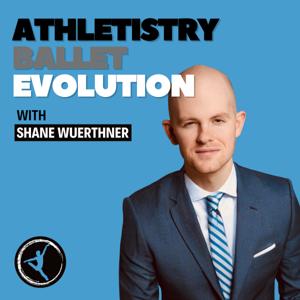
In this conversation, Shane Wuerthner shares his dream of creating a 21st century training institute for ballet in Australia. He envisions three pathways: pre-professional elite education, education for young dancers who have a love for ballet but may not want a professional career, and a space for adults to develop an understanding of dance. Shane believes that by expanding access to dance and creating a future generation of respect and love for the art form, ballet can remain relevant and valued in society. He invites others to join him in creating this space and fostering open conversations.
Takeaways
Shane's dream is to create a 21st century training institute for ballet in Australia.
He envisions three pathways: pre-professional elite education, education for young dancers who have a love for ballet but may not want a professional career, and a space for adults to develop an understanding of dance.
By expanding access to dance and creating a future generation of respect and love for the art form, ballet can remain relevant and valued in society.
Shane invites others to join him in creating this space and fostering open conversations.
Chapters
00:00 Introduction and Background
03:47 Three Pathways for Dance Education
06:12 Expanding Access to Dance
07:01 Understanding the History and Culture of Ballet
09:24 Creating Respect and Love for Ballet
11:49 Building a Community for Deeper Conversations
13:17 The Vision for the Future
14:39 Conclusion and Call to Action
Summary
In this episode, Shane Wuerthner discusses the confusion surrounding the concept of performing class. He shares his personal experiences and the feedback he received from teachers and choreographers. Shane emphasises the importance of precision and discipline in dance, both in the studio and on stage. He highlights the idea that performance is the culmination of the work done in the studio and that dancers need to approach their classwork with clarity and intention. Shane also explores the challenge of balancing technique and artistry, emphasizing the need for dancers to master their technical skills in order to fully express themselves artistically.
Takeaways
Performing class requires precision and discipline.
Precision in technique is essential for effective storytelling and artistry.
Classwork is the foundation for performance.
Balancing technique and artistry is a challenge that requires consistent practice and discipline.
Chapters
00:00 Introduction
00:28 The Confusion of Performing Class
01:26 The Importance of Precision and Discipline
04:14 The Challenge of Balancing Technique and Artistry
07:00 The Importance of Precision in Performance
07:59 Performing Class: Precision and Discipline
09:14 Utilising Precision to Enhance Artistry
09:44 Conclusion
Summary
In this episode, Shane explores the power of dance as a physical representation of music and its connection to the universe. He discusses the language of dance and its ability to communicate emotions and desires on a deep level. Shane emphasizes the importance of authentic expression in dance and the role it plays in connecting with the vibrations of the universe. He also highlights the communicative responsibility of dance and the need for emotional expression in performances. Ultimately, Shane encourages dancers to embrace dance as a vehicle for expressing the harmonic resonance of the universe.
Takeaways
Dance is a powerful physical representation of music and a connection to the universe.
Authentic expression in dance allows for a deeper connection with the vibrations of the universe.
Dance communicates emotions and desires on a non-verbal level, surpassing spoken language.
Dance has a communicative responsibility to fulfill the emotional desires of the audience and connect with the harmonic resonance of the universe.
Chapters
00:00 The Power of Dance and Music
06:06 The Language of Dance
09:16 Authentic Expression in Dance
12:09 Connecting with the Universe through Dance
13:09 The Communicative Responsibility of Dance
16:27 Dance as a Vehicle for Expression
*Please be aware this podcast includes discussion of eating disorders and body dysmorphia. Listener discretion is advised.*
Summary
In this conversation, Lucy Christodoulou and Shane Wuerthner discuss the impact of body image on dancers and the need for comprehensive support in dance education. They highlight the contradictory aesthetic expectations for male and female dancers and the importance of performance psychology and proper training. They emphasize the role of collaboration and advocacy in the dance industry and the importance of balancing dance and personal development. Lucy shares her own experiences with eating disorders and how she has used her journey to empower and support other dancers. They encourage dancers to seek support and prioritize their overall well-being. In this conversation, Shane and Lucy discuss the importance of mental health, common mental health challenges, seeking help and support, stigma and misconceptions, and self-care and coping strategies. They emphasize the need for open conversations about mental health and the importance of seeking professional help when needed. The conversation highlights the impact of stigma on individuals seeking help and provides practical tips for self-care and managing mental health.
Takeaways
The focus on body image in dance can lead to unhealthy behaviours and eating disorders. It is important to prioritise overall well-being and seek support.
The contradictory aesthetic expectations for male and female dancers can create body image issues and impact their mental and physical health.
Comprehensive support, including performance psychology and proper training, is essential for dancers' success and well-being.
Collaboration and advocacy are crucial in improving the dance industry and providing dancers with the support they need.
Dancers should prioritise personal development and balance their lives outside of dance to enhance their overall performance and happiness. Mental health is important and should be cared for
Common mental health challenges include anxiety, depression, and stress.
Seeking help and support is crucial for managing mental health.
Stigma and misconceptions surrounding mental health can prevent individuals from seeking help.
Self-care and coping strategies are essential for maintaining good mental health.
Chapters
00:00 Introduction and Background
03:00 The Impact of Body Image on Dancers
11:36 The Contradictory Aesthetic Expectations for Male and Female Dancers
20:18 The Need for Comprehensive Support in Dance Education
25:09 The Importance of Performance Psychology and Proper Training
28:57 The Role of Collaboration and Advocacy in the Dance Industry
39:02 The Importance of Balancing Dance and Personal Development
42:32 Connecting with Lucy Christodoulou
02:30 The Importance of Mental Health
10:15 Common Mental Health Challenges
20:45 Seeking Help and Support
30:10 Stigma and Misconceptions
38:20 Self-Care and Coping Strategies
44:02 Conclusion
Find out more about Lucy on Instagram and on her website
Summary
In this episode, Caitlin Sloan shares her journey from classical ballet to contemporary ballet and how she found her true passion. She discusses the challenges of transitioning to a different path and the importance of taking risks and trusting your gut. Caitlin also talks about her transition to coaching and mentoring dancers, offering advice for those looking to pursue professional careers. She provides insights on how to get into company class auditions and encourages dancers to ask for help and make personal connections. To learn more about Caitlin and her mentoring services, visit her website or follow her on social media.
Takeaways
Transitioning from classical ballet to a different style can be challenging but ultimately rewarding.
It's important to trust your instincts and pursue what truly makes you happy, even if it means deviating from your original plan.
Asking for help and making personal connections can greatly enhance your chances of success in the dance industry.
When reaching out to companies for auditions, personalize your communication and show genuine interest in their work.
Chapters
00:00 Introduction and Background
01:00 Transition from Classical to Contemporary Ballet
04:00 Challenges of Pursuing a Different Path
08:32 Taking Risks and Trusting Your Gut
17:42 Transition to Coaching and Mentoring
21:28 Advice for Dancers Transitioning to Professional Careers
23:27 Getting into Company Class Auditions
31:57 Contacting Caitlin Sloan for Mentoring
Summary
In this conversation, Shane Wuerthner interviews Jessica Spinner from The Whole Dancer. They discuss the importance of balance and self-care in the dance world, the challenges of transitioning out of dance, and the benefits of having a life outside of dance. They also touch on the limitations of identifying solely as a dancer and the need for a holistic approach to dance training. Jessica shares her coaching approach for dancers and offers advice for young dancers in training and dancers in transition. Overall, the conversation emphasizes the importance of self-discovery, self-compassion, and seeking outside support in the dance journey.
Takeaways
Chapters
00:00Introduction and Storytelling
02:24The Impact of Self-Criticism in Dance
05:30The Importance of Balance and Enjoyment in Dance
06:23Transitioning Out of Dance
08:46The Limitations of Identifying Solely as a Dancer
10:12Expanding Skillsets and Rediscovering Yourself
13:28The Importance of a Holistic Approach to Dance
15:26The Benefits of Having a Life Outside of Dance
17:26The Coaching Approach for Dancers
20:41The Challenges of Full-Time Dance Programs
23:21Finding Balance in Intense Training Environments
26:41Making Hard Choices and Seeking Outside Support
29:31Choosing the Right Dance School
35:32Advice for Young Dancers in Training
38:55Advice for Dancers in Transition
42:08How to Connect with Jessica Spinner
Follow Jessica on Instagram at @thewholedancer
Find out more about her work with dancers on her website www.thewholedancer.com
In this episode titled 'Plie Perspectives,' Shane Wuerthner shares his insights and experiences as a dancer and coach. He emphasises the importance of going above and beyond what is expected in order to achieve success in a dance career.
Shane discusses the need to know when to pull back and find balance, as well as setting intentions and focusing on improvement. He also highlights the importance of being part of a team and showing initiative. Shane shares personal stories of setbacks and challenges, and encourages listeners to push boundaries and challenge their comfort zones. He concludes by urging listeners to take action and assess their progress.
Takeaways
Chapters
00:00 Introduction to Plie Perspectives
01:27Starting Out in a Dance Career
03:46 Going Above and Beyond
06:03 Knowing When to Pull Back
07:23 Setting Intentions and Focusing on Improvement
09:09 Avoiding Overworking and Finding Balance
10:35 Being Part of a Team and Showing Initiative
11:33 Dealing with Setbacks and Challenges
16:18 Pushing Boundaries and Challenging Comfort Zones
17:08 Putting Effort in the Right Places
19:32 Taking Action and Assessing Progress
19:59 Conclusion and Call to Action
In this inspiring episode of "Athletistry Ballet Evolution" we interview 14-year-old ballet prodigy Daisy Sexton. Daisy shares her journey of overcoming a major ACL injury at 11 and the challenges she faced in the demanding world of ballet training. She discusses her recovery, her innovative approach to training, and her excitement about her upcoming full-time ballet training with Sander Blommaert in the UK. Daisy also reveals her aspirations to join her dream company, The Royal Ballet. Join us for this intimate conversation, unveiling the resilience and passion of a young dancer poised for greatness.
Be sure to follow Daisy's journey on Instagram here @_dancingwithdaisy_
In this enlightening episode of Athletistry Ballet Evolution, host Shane Wuerthner engages in a captivating conversation with Dr. Jemimah Simms @doctorwhodances on instagram, a seasoned physical therapist with a rich background in dance and personal training. Titled "Harmonising Movement and Healing: Navigating the Dance of Physical Therapy in Ballet," this episode delves deep into the often-overlooked realm of injury prevention, rehabilitation, and the essential role of physical therapy in the world of dance.
Listeners will embark on a journey through personal anecdotes and professional insights, as Shane and Dr. Simms share their experiences with injuries and the profound impact these have had on their approaches to movement and health. The episode challenges common misconceptions in the dance community, particularly around the severity and finality of injuries, shedding light on how they can be a path to greater understanding and resilience rather than career-ending events.
Key discussions centre on the critical importance of proper rehabilitation, strength training, and an in-depth understanding of body mechanics. This is not just about recovery; it's about empowering dancers to enhance their performance and extend their careers. Dr. Simms emphasises the need to treat dancers as athletes, deserving of specialised care and training tailored to their unique physical demands.
Further, the episode explores the evolution of dance training and healthcare, advocating for a more anatomically informed approach in dance education. It underscores the necessity of a collaborative environment where healthcare professionals and dancers work hand in hand, creating a supportive network that caters to the specific needs of the dance community.
Whether you're a dancer, a physical therapist, or someone fascinated by the intersection of art and science in the realm of physical performance, "Harmonising Movement and Healing" offers valuable insights and a fresh perspective on the integral role of healthcare in the art of ballet.
Find out more about Dr. Simms at her website: https://www.fluidmotionphysicaltherapy.com/
In this insightful episode of "Athletistry Ballet Evolution," host Shane Wuerthner delves into the nuances of professional ballet training through a comprehensive Q&A session. Shane shares his expert advice on the ideal age to begin full-time ballet training, the necessity of intensive practice, and tips for creating impactful audition videos. He emphasizes the importance of balancing physical training with academic pursuits, preparing for the rigors of a dance career, and the implications of early training on physical development and injury prevention. Furthermore, Shane addresses goal setting in ballet, offering a unique perspective on aligning emotional elements with aspirations to foster progress and success. The episode culminates with Shane recounting a personal story from his teenage years, revealing the challenges of bullying in the ballet world and the profound impact it had on him. His narrative underscores the importance of kindness and support in competitive environments, resonating with anyone navigating the complexities of ballet training and personal growth. Tune in for an episode filled with practical advice, emotional depth, and valuable insights for dancers at all stages of their journey.
From the publisher's feed

125 Listeners

57,607 Listeners

17 Listeners
149 Listeners

3,670 Listeners

92 Listeners

45 Listeners