
Sign up to save your podcasts
Or

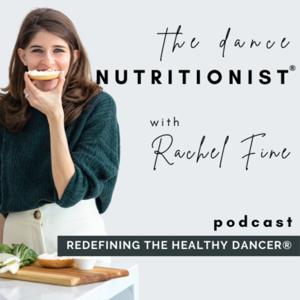


🧠 Nutrition headlines can be confusing—but do they always tell the whole story? In this episode, Rachel Fine helps dancers break down nutrition research and spot misleading claims in the wellness world.
Learn how to:
✅ Understand the difference between correlation and causation
✅ Question nutrition studies without falling for misinformation
✅ Build a dancer’s toolkit for navigating sensationalized health news
📅 Perfect for: dancers, dance parents, and educators aiming to make informed, evidence-based choices.
👉🏼 Read the full blog: https://dancenutrition.com/how-to-understand-nutrition-research/
📲 Follow on Instagram: @ToThePointeNutrition
🔔 Subscribe: Nutrition for Dancers on YouTube
🎙️ Listen on Apple + Spotify: Nutrition for Dancers with The Dance Nutritionist® Podcast
Rachel Fine, Registered Dietitian Nutritionist, Certified Sports Nutritionist, Certified Eating Disorder Specialist, and Certified Counselor of Intuitive Eating works with dancers to help them build supportive relationships with both food and body.
Disclaimer: This is produced for informational purposes only. This information is general, not specific to you. The information in this podcast does not substitute for medical advice. The viewer assumes full responsibility for consulting a qualified health professional regarding health conditions or concerns, and before starting a new diet or health program.
Timestamps ⬇️ (Skip to the section you need!)
0:00 – Overwhelmed by Nutrition Information?
How dancers can make sense of the constant flood of nutrition advice from social media, studios, and friends.
0:30 – Why Nutrition Research Understanding Matters for Dancers
Connecting nutrition research to performance, health, and debunking myths dancers often hear.
1:00 – The Problem with Cherry-Picked and Out-of-Context Nutrition Claims
Why some popular headlines, like “seed oils are toxic,” can be misleading or incomplete.
1:45 – Risks of Following Fear-Based Nutrition Trends
How cutting out foods unnecessarily or underfueling can harm your health and performance.
2:30 – Different Types of Nutrition Research Explained
An introduction to observational studies, randomized control trials, meta-analyses, and anecdotal evidence.
3:30 – What Observational Studies Can and Can’t Tell You
Understanding associations versus cause and effect in large group studies.
4:15 – Why Randomized Control Trials Are Considered the Gold Standard
How these studies try to determine cause and effect but still have limitations.
5:00 – The Role of Meta-Analyses and Systematic Reviews
Why looking at many studies together gives stronger, more reliable evidence.
5:45 – Anecdotal Evidence: When Personal Experience Meets Science
Why personal stories matter but don’t replace controlled scientific research.
6:15 – Major Limitations in Nutrition Research
Challenges like controlling human behavior, inaccurate self-reporting, and confounding variables.
7:15 – Why Science Is Always Evolving
The importance of looking at a full body of evidence, not just one flashy headline.
8:00 – How Media and Social Media Often Misrepresent Nutrition Research
Examples of headlines that oversimplify or distort the facts.
9:00 – Becoming a Savvy Consumer: Questions to Ask About Nutrition Studies
Who funded the research? What type of study is it? Was it done on humans or animals?
10:00 – Applying Nutrition Research to Your Unique Needs as a Dancer
Why personalized, practical takeaways matter more than sensational claims.
11:00 – The Importance of Working with a Registered Dietitian Nutritionist
How experts help translate complex research into actionable advice for your body and goals.
🎓 School nutrition classes can be tricky, especially when assignments involve calorie counting and food tracking. In this episode, Registered Dietitian Rachel Fine helps dancers navigate these experiences without triggering disordered eating habits.
Learn how to:
✅ Handle school assignments that promote diet culture
✅ Advocate for weight-inclusive practices
✅ Protect your relationship with food and body while still meeting academic expectations
📅 Perfect for: dancers, dance parents, and educators looking to support students in school-based nutrition lessons.
👉🏼 Read the full blog: https://dancenutrition.com/nutrition-in-school/
📲 Follow on Instagram: @ToThePointeNutrition
🔔 Subscribe: Nutrition for Dancers on YouTube
🎙️ Listen on Apple + Spotify: Nutrition for Dancers with The Dance Nutritionist® Podcast
Rachel Fine, Registered Dietitian Nutritionist, Certified Sports Nutritionist, Certified Eating Disorder Specialist, and Certified Counselor of Intuitive Eating works with dancers to help them build supportive relationships with both food and body.
Disclaimer: This is produced for informational purposes only. This information is general, not specific to you. The information in this podcast does not substitute for medical advice. The viewer assumes full responsibility for consulting a qualified health professional regarding health conditions or concerns, and before starting a new diet or health program.
Timestamps ⬇️ (Skip to the section you need!)
0:00 – Nutrition Assignments That Track Calories and Weight
Why these common school tasks can trigger self-doubt for dancers healing their relationship with food.
0:30 – The Challenge of Balancing Dance, Food, and Nutrition Education
How hard work and motivation connect to nutrition amidst outdated dieting ideals.
1:00 – Why Nutrition Assignments Can Feel Triggering
Exploring the weight-focused lens still present in many school programs.
2:00 – The Problem with Weight-Normative Thinking in Nutrition Education
Why health is more than a number on the scale and the harm of equating weight loss with health.
3:30 – How Nutrition Assignments Can Fuel Food Obsessions and Restriction
Especially for dancers vulnerable to perfectionism and body image pressures.
4:30 – Advocating for Yourself: Talking to Your Teachers and Professors
Practical tips on asking for alternatives to triggering assignments.
5:30 – Alternative Assignment Ideas to Focus on Mindful Eating
Tracking feelings before and after meals, energy levels, and fullness cues instead of calories.
6:30 – Challenging Common Nutrition Tools Like BMI
Understanding BMI’s flaws and asking critical questions about its use.
7:30 – Recognizing Confounding Factors in Nutrition Research
Why weight stigma, stress, and access to healthcare matter more than weight alone.
8:30 – Identifying Your Personal Triggers Around Food and Numbers
How knowing what parts of assignments upset you can help you cope.
9:30 – The Importance of Professional Support
How registered dietitians and mental health professionals can guide you through challenges.
10:30 – Shifting Focus from Calories to Meal Balance and Satisfaction
Evaluating meals by nutrient variety and how they make you feel physically and mentally.
11:30 – Personalizing Your Approach Using Tools Like The Healthy Dancer® Food Flexibility Algorithm
Customizing fueling strategies to fit your needs and preferences.
12:30 – For Advanced Nutrition Students: Navigating Weight-Normative Curriculum
How to embrace a weight-inclusive approach despite traditional teachings.
13:30 – Key Takeaways: Advocate, Question, and Protect Your Mental Health
How to complete assignments with less stress by focusing on whole-body health and evolving nutrition science.
💔 Feeling defeated after a “no” at your dance audition? In this episode, Registered Dietitian Rachel Fine shares supportive, actionable strategies to help dancers process rejection, protect their mental health, and stay confident throughout audition season.
Learn how to:
✅ Cope with audition rejection without turning to food or body control
✅ Reflect on your experience without spiraling into self-blame
✅ Build a sustainable plan for your next audition season
📅 Perfect for: dancers, parents, and educators navigating the emotional ups and downs of audition season and looking to support long-term performance and well-being.
👉🏼 Read the full blog: https://dancenutrition.com/how-to-handle-audition-rejection/
👉🏼 Related Resources: https://dancenutrition.com/audition-preparation-registration/
📲 Follow on Instagram: @ToThePointeNutrition
🔔 Subscribe: Nutrition for Dancers on YouTube
🎙️ Listen on Apple + Spotify: Nutrition for Dancers with The Dance Nutritionist® Podcast
Rachel Fine, Registered Dietitian Nutritionist, Certified Sports Nutritionist, Certified Eating Disorder Specialist, and Certified Counselor of Intuitive Eating works with dancers to help them build supportive relationships with both food and body.
Disclaimer: This is produced for informational purposes only. This information is general, not specific to you. The information in this podcast does not substitute for medical advice. The viewer assumes full responsibility for consulting a qualified health professional regarding health conditions or concerns, and before starting a new diet or health program.
0:00 – Facing Rejection During Audition Season
An honest look at why rejection is a tough but inevitable part of every dancer’s journey.
0:30 – Why Food and Nutrition Matter When Handling Rejection
How fueling your body supports your mental and physical well-being through setbacks.
1:25 – The Emotional Rollercoaster of Auditions
Understanding the mix of excitement, anxiety, hope, and fear dancers experience.
2:00 – Why Rejection Often Feels Personal
Exploring the reasons auditions feel like a judgment on your worth and how to shift perspective.
3:00 – The Danger of Using Food and Body Control as a Coping Mechanism
Why restricting food or obsessing over body image can backfire after rejection.
4:00 – Using Food as a Tool for Self-Care and Recovery
How nourishing yourself helps rebuild confidence and prepares you for future auditions.
5:00 – Validating Your Disappointment: It’s Okay to Feel Hurt
Tips for honoring your feelings, from journaling to emotional eating in moderation.
6:30 – Reflecting on Your Audition Experience Without Blame
How to gather helpful insights and avoid self-criticism to inform your next steps.
7:30 – When Feedback Focuses on Body or Appearance
Why this might indicate an unhealthy environment and when to reconsider fit.
8:15 – Remember: Audition Outcomes Are Often Beyond Your Control
Casting needs, budgets, and timing matter more than your talent alone.
9:00 – Rejection Doesn’t Define Your Talent or Worth
A reminder that one decision doesn’t reflect your full potential as a dancer.
9:40 – Strategizing Your Next Moves After Rejection
Building a balanced list of reach, target, and safety auditions or programs.
10:30 – Building Long-Term Habits for Audition Success
Why working with professionals on nutrition and mental health boosts stamina and resilience.
11:30 – Rejection Is Part of the Process, Not the End
How resilience and response shape your growth and future opportunities.
12:00 – Helpful Resources for Audition Preparation and Recovery
Introducing The Healthy Dancer® Survival Guide and one-on-one coaching options.
💡 A stocked pantry is a dancer’s secret weapon. In this episode, Rachel Fine highlights must-have shelf-stable foods that boost nutrition, save time, and support consistent fueling—even on your busiest days.
Learn how to:
✅ Choose whole grains, proteins, and snacks for lasting energy
✅ Optimize pantry items for muscle recovery and bone health
✅ Build quick, balanced meals and snacks with minimal prep
✅ Add flavor and nutrients with herbs, spices, and healthy fats
✅ Create budget-friendly options that support food freedom
📅 Perfect for: dancers juggling rehearsals, school, and a packed schedule who want to eat well without the stress.
👉🏼 Read the full blog: https://dancenutrition.com/pantry-staples/
📲 Follow on Instagram: @ToThePointeNutrition
🔔 Subscribe on YouTube: Nutrition for Dancers
🎙️ Listen on Apple + Spotify: Nutrition for Dancers with The Dance Nutritionist® Podcast
Rachel Fine, Registered Dietitian Nutritionist, Certified Sports Nutritionist, Certified Eating Disorder Specialist, and Certified Counselor of Intuitive Eating works with dancers to help them build supportive relationships with both food and body.
Disclaimer: This is produced for informational purposes only. This information is general, not specific to you. The information in this podcast does not substitute for medical advice. The viewer assumes full responsibility for consulting a qualified health professional regarding health conditions or concerns, and before starting a new diet or health program.
Timestamps ⬇️ (Skip to the section you need!)
0:00 – Why a Well-Stocked Pantry Matters for Dancers
How having the right pantry essentials supports energy and performance during busy schedules.
0:40 – The Challenges Dancers Face With Busy Schedules
Why quick, nourishing food options are key when juggling rehearsals, classes, and more.
1:30 – What Are Pantry Staples?
Explanation of shelf-stable foods and their convenience for dancers.
2:50 – Whole Grains: Sustained Energy Sources
Benefits of brown rice, oats, quinoa, and whole wheat pasta for long dance sessions.
4:10 – Legumes: Plant-Based Protein Powerhouses
Why beans, lentils, and chickpeas are perfect pantry staples and easy to prepare.
5:00 – Nuts and Seeds: Nutrient-Dense Fat and Protein
How almonds, cashews, pumpkin seeds, flax, and chia support inflammation and satiety.
6:20 – Nut and Seed Butters: Portable and Satisfying Snacks
Creative ways to enjoy nut butters during classes and rehearsals.
7:30 – Canned Fish: Heart-Healthy Protein and Omega-3s
Why canned tuna and salmon are smart pantry additions for joint health and recovery.
8:30 – Canned Tomatoes: Versatile and Anti-Inflammatory
Using canned tomatoes in meals to boost antioxidant intake and iron absorption.
9:30 – Olives and Olive Oil: Electrolyte and Healthy Fat Sources
How olives help replenish sodium and olive oil supports heart health.
10:20 – Herbs and Spices: Flavor and Anti-Inflammatory Benefits
Why keeping cinnamon, turmeric, ginger, basil, oregano, and parsley on hand makes meals exciting.
11:00 – Dried and Dehydrated Fruits: Convenient Sweet Energy Boosts
Options like raisins, banana chips, dates, and freeze-dried strawberries for quick fuel.
12:00 – Chocolate: A Dancer’s Energy and Satisfaction Staple
The benefits of chocolate for energy, circulation, and enjoyment.
12:40 – Jerky: Protein-Rich, Portable Snack Options
Choosing clean, low-sodium jerky for on-the-go nourishment.
13:20 – Applesauce: Quick Energy for Between Classes
How applesauce pairs well with protein or fat for balanced sustained energy.
🔹 The 80/20 rule sounds balanced, but it can keep dancers stuck in a cycle of food guilt and restriction. In this episode, we debunk the 80/20 mindset and share what a supportive relationship with food looks like for dancers.
Learn how to:
✅ Move beyond good vs. bad food labels
✅ Embrace flexibility without fallback rules
✅ Build a truly sustainable fueling routine
📅 Perfect for: dancers seeking long-term balance without mental math around food.
👉🏼 Read the full blog: https://dancenutrition.com/the-80-20-rule-debunked/📲 Follow on Instagram: @ToThePointeNutrition🔔 Subscribe: Nutrition for Dancers on YouTube
🎙️ Listen on Apple + Spotify: Nutrition for Dancers with The Dance Nutritionist® Podcast
Rachel Fine, Registered Dietitian Nutritionist, Certified Sports Nutritionist, Certified Eating Disorder Specialist, and Certified Counselor of Intuitive Eating works with dancers to help them build supportive relationships with both food and body.
Disclaimer: This is produced for informational purposes only. This information is general, not specific to you. The information in this podcast does not substitute for medical advice. The viewer assumes full responsibility for consulting a qualified health professional regarding health conditions or concerns, and before starting a new diet or health program.
Timestamps ⬇️ (Skip to the section you need!)
0:00 | Should Dancers Eat “Clean” 80% of the Time?
Debunking the popular 80/20 eating rule dancers often hear in the studio.
0:34 | What Is the 80/20 Rule for Nutrition?
Breaking down the 80/20 approach and how it’s typically explained.
1:46 | Why the 80/20 Rule Sounds Balanced—But Isn’t
How food labeling and rigid rules sneak into dancer diets.
2:32 | Is the 80/20 Rule Just Another Diet?
Why this “flexible” rule still reinforces restriction and food guilt.
3:00 | How Food Rules Hurt Dancers’ Performance
The real impact of external food rules on hunger cues and energy.
3:48 | When Food Becomes a Source of Guilt
What happens when dancers feel they’ve “overdone it” on indulgences.
4:21 | Restriction, Guilt, and the Overeating Cycle
How the 80/20 rule can lead to binge eating or overcompensation.
5:02 | What Dancers Actually Need: Food Flexibility
A clear shift from rules to supportive fueling practices.
5:56 | Fueling Example: Pasta, Snacks, and Cravings
Practical examples of flexible fueling during long dance days.
6:33 | Why No Food Can “Undo” Your Training
A reminder that one meal won’t derail your hard work in class.
7:15 | Do Dancers Need More Math?
Why the obsession with food numbers must end.
7:43 | How to Know If Your Current Food Plan Isn’t Working
Three signs your current food mindset needs a reset.
8:11 | Three Steps to Break Free from the 80/20 Rule
Notice food labeling
Give unconditional permission
Practice self-compassion
9:17 | Navigating Diet Culture on Social Media
How to build resilience when diet messages creep in.
10:18 | Final Thoughts: Why All Foods Deserve a Place
Why dancers should embrace food for both performance and joy.
🧠 Ever feel like the words you use around food make eating more stressful than it needs to be? In this episode, Rachel Fine breaks down how simple shifts in language can improve your relationship with food—without rules or restrictions.
Learn how to:
✅ Let go of moral labels like “guilt-free” and “cheat”
✅ Replace restriction with permission and satisfaction
✅ Reframe terms like “junk food” and “moderation”
✅ Reduce shame and anxiety around food choices
✅ Rebuild food neutrality through everyday vocabulary
📅 Perfect for: dancers who want to feel empowered—not overwhelmed—at mealtimes.
👉🏼 Read the full blog: https://dancenutrition.com/food-language-shifts/
📲 Follow on Instagram: @ToThePointeNutrition
🔔 Subscribe on YouTube: Nutrition for Dancers
🎙️ Listen on Apple + Spotify: Nutrition for Dancers with The Dance Nutritionist® Podcast
Rachel Fine, Registered Dietitian Nutritionist, Certified Sports Nutritionist, Certified Eating Disorder Specialist, and Certified Counselor of Intuitive Eating works with dancers to help them build supportive relationships with both food and body.
Disclaimer: This is produced for informational purposes only. This information is general, not specific to you. The information in this podcast does not substitute for medical advice. The viewer assumes full responsibility for consulting a qualified health professional regarding health conditions or concerns, and before starting a new diet or health program.
Timestamps ⬇️ (Skip to the section you need!)
0:00 – Why Language Matters When Talking About Food
Introduction to how words shape our relationship with food and dancer performance.
0:40 – How Diet Culture Hides Behind Language Like “Clean Eating”
Exploring how certain terms enforce shame or fear instead of trust.
1:10 – Common Food Phrases That Do More Harm Than Good
Overview of phrases to rethink for a healthier food mindset.
1:50 – The Power of Language: How Words Affect Food Experiences
Why labeling food as “guilty pleasure” adds unnecessary shame and stress.
2:30 – Building a Food-Neutral Lens: Removing Morality from Eating
How shifting language helps create a more balanced and peaceful relationship with food.
3:00 – Language Shift #1: From “Moderation” to “Permission”
Why moderation can create hidden food rules and how permission empowers you.
4:05 – Language Shift #2: Rethinking “Guilt-Free” Foods
Why guilt-free is a misleading term and better alternatives to describe food.
4:50 – Language Shift #3: Moving Beyond “Healthy vs. Unhealthy”
Understanding that food’s value changes depending on individual needs and context.
6:10 – Language Shift #4: Why “Toxic” Is Not a Helpful Word for Food
Clarifying misconceptions about toxic foods and promoting variety instead.
7:25 – Language Shift #5: Challenging the Idea of Food “Addiction”
How feelings of addiction often stem from restriction and how permission can help.
8:40 – Language Shift #6: Reframing “Junk Food” and “Cheat Meals”
Replacing shameful terms with fun, comfort, or celebratory foods.
10:00 – Language Shift #7: Using “Indulgence” Mindfully
How to use this word without guilt and embrace joyful eating.
11:20 – Recap: Words That Reinforce Shame vs. Words That Build Trust
Summary of how to soften your food experience by shifting language.
12:00 – The True Goal: A Compassionate, Trusting Relationship with Food
Why kindness in self-talk about food is key to nourishing both body and mind.
12:30 – How to Learn More and Connect for Support
Encouragement to subscribe, follow on Instagram, and reach out for personalized help.
🍰 Are “empty” calories ruining your progress? In this episode, Rachel Fine challenges the idea that some foods are “bad” or “useless”—especially for dancers with high energy demands.
Learn how to:
✅ Redefine nourishment with a balanced, flexible mindset
✅ Understand the purpose of so-called “empty” calories in a dancer’s diet
✅ Reduce food guilt while building a strong relationship with food
📅 Perfect for: dancers working toward a supportive relationship with food and optimal energy.
👉🏼 Read the full blog: https://dancenutrition.com/empty-calories/
📲 Follow on Instagram: @ToThePointeNutrition
🔔 Subscribe: Nutrition for Dancers on YouTube
🎙️ Listen on Apple + Spotify: Nutrition for Dancers with The Dance Nutritionist® Podcast
Rachel Fine, Registered Dietitian Nutritionist, Certified Sports Nutritionist, Certified Eating Disorder Specialist, and Certified Counselor of Intuitive Eating works with dancers to help them build supportive relationships with both food and body.
Disclaimer: This is produced for informational purposes only. This information is general, not specific to you. The information in this podcast does not substitute for medical advice. The viewer assumes full responsibility for consulting a qualified health professional regarding health conditions or concerns, and before starting a new diet or health program.
Timestamps ⬇️ (Skip to the section you need!)
0:00 – What Are Empty Calories and Should Dancers Avoid Them?
Introduction to the concept of empty calories and common misconceptions.
0:35 – Defining Empty Calories: What Does It Really Mean?
Explaining foods that provide energy but little nutritional value.
1:45 – Common Examples of Foods Labeled as Empty Calories
Soda, candy, chips, baked goods, and ultra-processed foods discussed.
2:20 – Why the Term “Empty” Can Be Misleading and Harmful
How labeling foods as worthless can impact mindset and eating habits.
3:00 – The Emotional Value of Food: Joy and Connection Matter Too
Food’s role beyond nutrition, including social and emotional nourishment.
3:50 – How “Empty Calorie” Labels Can Lead to Guilt and Restriction
The dangers of all-or-nothing thinking and restrictive cycles for dancers.
4:45 – No Single Food Defines Your Nutritional Status
Focusing on overall eating patterns rather than moralizing foods.
5:30 – Why Dancers Are Vulnerable to Food Rules and Messaging
How studio culture and external messages shape attitudes about food.
6:20 – Personal Reflection: The Perfectionism Trap in Dance Nutrition
Rachel’s own experience with restrictive eating and food fear.
7:10 – How Honoring Cravings Supports Energy and Mental Health
Listening to your body’s needs rather than fearing “empty” foods.
8:00 – Incorporating Flexibility: When Empty Calorie Foods Can Support You
Using these foods for energy boosts during long rehearsals or tech weeks.
8:50 – How Allowing Foods Without Guilt Helps Prevent Overeating
Permission around food increases control and reduces binge tendencies.
9:30 – Building a Balanced Eating Pattern for Dancers
Prioritizing consistent meals, varied macros, and colorful produce.
10:10 – Shifting Mindsets: Moving Away from Good/Bad Food Labels
Focusing on trust, nourishment, and joyful eating rather than restriction.
10:45 – Where to Learn More: Blog & Instagram Resources
Encouragement to explore further and stay connected for ongoing tips.
🧂 Should dancers avoid salt? Is it making you bloated or dehydrated? Not so fast. In this episode, Registered Dietitian Rachel Fine breaks down the truth about sodium and its impact on performance.
Learn how to:
✅ Understand sodium’s role in hydration, muscle function, and recovery
✅ Bust common myths around salt and bloating
✅ Make informed choices without unnecessary restriction
📅 Perfect for: dancers looking to optimize hydration and performance safely.
👉🏼 Read the full blog: https://dancenutrition.com/salt-for-dancers-how-much-is-too-much/
📲 Follow on Instagram: @ToThePointeNutrition
🔔 Subscribe: Nutrition for Dancers on YouTube
🎙️ Listen on Apple + Spotify: Nutrition for Dancers with The Dance Nutritionist® Podcast
Rachel Fine, Registered Dietitian Nutritionist, Certified Sports Nutritionist, Certified Eating Disorder Specialist, and Certified Counselor of Intuitive Eating works with dancers to help them build supportive relationships with both food and body.
Disclaimer: This is produced for informational purposes only. This information is general, not specific to you. The information in this podcast does not substitute for medical advice. The viewer assumes full responsibility for consulting a qualified health professional regarding health conditions or concerns, and before starting a new diet or health program.
Timestamps ⬇️ (Skip to the section you need!)
0:00 – Is Salt Really Bad for Dancers?
Debunking common myths about salt and its role in a dancer’s diet.
0:40 – Why Popular Nutrition Rules Don’t Always Apply to Dancers
How typical advice about sodium may not fit the needs of active dancers.
1:30 – What Is Sodium and Why Is It Essential?
The role of sodium in fluid balance, nerve function, and muscle contraction.
2:40 – Why Dancers Lose More Sodium Through Sweat
How intense training and hot studios increase sodium needs.
3:15 – Signs You Might Not Be Getting Enough Sodium
Fatigue, muscle cramps, dizziness, and feeling lightheaded explained.
4:00 – The Source of Sodium Fear in Diet Culture
How outdated public health messages affect dancers’ sodium intake.
4:50 – Why Dancers’ Nutritional Needs Are Different
Why highly active dancers require more sodium than the general population.
5:30 – The Clean Eating Trap: Avoiding Processed Foods and Sodium Deficiency
How focusing only on minimally processed foods may limit sodium intake.
6:30 – Effects of Low Sodium on Dancer Performance
Fatigue, lightheadedness, and “sloshing” stomach sensations linked to low sodium.
7:30 – Finding Balance: Including Processed Foods Mindfully
How some packaged foods support sodium needs without compromising health.
8:30 – Should Dancers Limit Salt?
Most dancers do not need to restrict sodium unless medically advised.
9:15 – When to Increase Sodium Intake
Hot studios, long hours, heavy sweating, and intense seasons increase needs.
10:00 – How to Support Your Sodium Needs Safely
Listening to cravings, seasoning food, and choosing electrolyte-rich snacks.
11:00 – Can Dancers Have Too Much Sodium?
Exploring the rare cases and risks of excess sodium for active dancers.
12:00 – Recap & Practical Tips for Managing Sodium in Dance Nutrition
Salt your food, don’t fear processed foods, hydrate well, and use electrolytes on hot days.
⚠️ Are constant food and body conversations draining your energy and self-esteem? In this episode, Registered Dietitian Rachel Fine shares how dancers can build emotional resilience and set boundaries against the pressure of diet culture.
Learn how to:
✅ Recognize and communicate your needs with confidence
✅ Set and honor boundaries in dance environments
✅ Reclaim your self-worth from external expectations
✅ Protect your mental health around food and body image
✅ Embrace a values-driven approach to nutrition
📅 Perfect for: dancers, educators, and parents navigating tough food and body talk in studios and social circles.
👉🏼 Read the full blog: https://dancenutrition.com/how-can-dancers-set-boundaries/
📲 Follow on Instagram: @ToThePointeNutrition
🔔 Subscribe on YouTube: Nutrition for Dancers
🎙️ Listen on Apple + Spotify: Nutrition for Dancers with The Dance Nutritionist® Podcast
Rachel Fine, Registered Dietitian Nutritionist, Certified Sports Nutritionist, Certified Eating Disorder Specialist, and Certified Counselor of Intuitive Eating works with dancers to help them build supportive relationships with both food and body.
Disclaimer: This is produced for informational purposes only. This information is general, not specific to you. The information in this podcast does not substitute for medical advice. The viewer assumes full responsibility for consulting a qualified health professional regarding health conditions or concerns, and before starting a new diet or health program.
Timestamps ⬇️ (Skip to the section you need!)
0:00 – The Pressure of Food Talk in Dance Studios
Exploring the common experience of judgment and food-related stress dancers face.
0:45 – Why Setting Healthy Boundaries Matters for Dancers
How boundaries protect your mental, physical, and emotional well-being.
2:00 – What Boundaries Really Are: Not Walls, But Self-Protection
Understanding boundaries as limits to safeguard yourself without being harsh.
3:00 – How Dance Culture Blurs and Erases Our Boundaries
The impact of early conditioning around body critique and food discipline.
4:00 – When and Why We Lose Our Boundaries Over Food and Body Image
From childhood instincts to harmful diet culture messages in dance.
5:00 – Questioning Unhelpful Messages from Authority Figures
Why not all advice from teachers or choreographers about food/body is accurate.
6:00 – How to Start Rebuilding Your Boundaries Without Drama
Small shifts in response and protecting your space effectively.
6:45 – Protect Your Right to Say No Without Justifying Yourself
Practical tips on walking away from conversations or posts that harm your mindset.
7:30 – Communicating Boundaries with Compassion and Clarity
Examples of respectful ways to assert your needs with friends or family.
8:30 – When to Seek Professional Support for Food and Body Image Struggles
The importance of dietitians and mental health providers trained in dancer care.
9:30 – Self-Worth Is the Foundation of Strong Boundaries
Exploring how your value beyond body size and food choices empowers you.
10:00 – Reflecting on What You Value Beyond Dance and Appearance
Journaling prompts to help connect with your identity beyond the studio.
11:00 – Practical Boundary-Setting Strategies to Try This Week
Pausing before reacting, saying no in small ways, and curating your social media.
12:00 – Aligning Food Choices with Your Core Values and Health Goals
Using your values to guide eating habits that fuel artistry and energy.
13:00 – The Courage and Self-Respect Behind Setting Boundaries
Recognizing boundary-setting as an act of strength in dance culture.
☀️ Summer intensives can be incredible for growth—but are you ready for the physical and mental demands? In this episode, Registered Dietitian Rachel Fine breaks down how to know if a summer intensive is right for you.
Learn how to:
✅ Assess readiness beyond technique
✅ Choose the right intensive style (in-person, virtual, ballet-focused, etc.)
✅ Navigate food stress and increased energy needs
✅ Build resilience against competition, comparison, and burnout
📅 Perfect for: dancers navigating summer programs or deciding if they should take this season to recharge.
👉🏼 Read the full blog: https://dancenutrition.com/summer-intensives/
👉🏼 Relatable Resources: https://dancenutrition.com/healthy-summer-intensives/ and https://dancenutrition.com/ebook-order-summer/
📲 Follow on Instagram: @ToThePointeNutrition
🔔 Subscribe: Nutrition for Dancers on YouTube
🎙️ Listen on Apple + Spotify: Nutrition for Dancers with The Dance Nutritionist® Podcast
Timestamps ⬇️ (Skip to the section you need!)
0:00 – How to Thrive (Not Just Survive) at Your Summer Dance Intensive
Key mindset and strategies for making the most of your intensive experience.
1:00 – Types of Dance Intensives: Finding the Right Fit for You
Explore in-person, virtual, local studio, ballet, contemporary, and multidisciplinary options.
3:30 – Assessing Your Readiness for an Intensive: More Than Just Technique
Mental, physical, and emotional factors to consider before committing.
4:30 – Managing Body Image & Self-Doubt During Intensives
Tips to combat comparison, perfectionism, and burnout.
5:30 – Journaling & Body Neutral Affirmations to Prepare Mentally
Practical tools for mental resilience and positive self-talk.
6:30 – Avoiding Overtraining Before Your Intensive
Why pacing yourself pre-intensive reduces injury risk and burnout.
7:30 – Building Consistent Fueling Habits Ahead of Time
How practicing meals and snacks now supports energy during intense training.
8:30 – Nutrition Challenges at Intensives: How to Eat Enough on the Go
Tips for calorie-dense snacks, hydration, and managing unfamiliar food environments.
10:00 – The Danger of Skipping Meals to “Feel Lighter”
How underfueling negatively impacts strength, technique, and injury risk.
11:00 – Mental Preparation: Setting Intentions & Managing Expectations
Approaching intensives as a growth opportunity, not a test of perfection.
12:00 – Researching Your Intensive: What to Know Before You Go
What to learn about schedules, faculty, facilities, and extra workshops.
13:00 – Time Management & Prioritizing Rest and Refueling
Creating a daily plan to balance dance, breaks, eating, and recovery.
14:00 – Embracing Diverse Training and Making Connections
Why trying new styles and networking matter for growth and career opportunities.
15:00 – Listening to Your Body: Pushing Yourself Without Overdoing It
Finding the balance between challenge and recovery for sustainable progress.
16:00 – If You Skip an Intensive: Using Summer to Heal and Cross-Train
Options for rest, skill-building, and virtual programs like the Healthy Dancer Summer Intensive.
From the publisher's feed

30,654 Listeners

125 Listeners
265 Listeners

111,831 Listeners
280 Listeners

6,582 Listeners

11 Listeners

29,124 Listeners

15,957 Listeners

2 Listeners

94 Listeners
30 Listeners

9 Listeners
36 Listeners