
Sign up to save your podcasts
Or

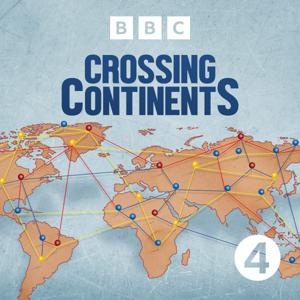

Who will shape the future of the hurricane-hit, tropical isle of Barbuda? In 2017, category-5 hurricane Irma devastated much of Barbuda's 'paradise' landscape, and its infrastructure. The national government – based on the larger, neighbouring island of Antigua – evacuated the population of some 1800 people. But within days, although the people weren’t allowed to return, bulldozers were clearing ancient forest to build an international airport. Critics called this another case of, 'disaster capitalism' – governments and business taking advantage of catastrophe to make a profit.
Barbuda has long been viewed as ripe for more tourism – Hollywood actor Robert De Niro is part of a commercial enterprise working on the opening of an exclusive resort. One of the obstacles to widespread development has been the island’s unique system of tenure – all land has been held in common since the emancipation of Barbuda’s slave population in the 19th century. But last year the government repealed the law guaranteeing those communal rights, partly to attract investment to the island. Meanwhile, although the hurricane season began on June 1st, families are still living in tents.
With the main opportunity to earn revenue coming from tourism, the national government is thoroughly irked by Barbudans' resistance to profit from top-dollar visitors. It argues that projects can be environmentally-friendly. But in the wake of Irma, the impact of climate change hangs heavily on Barbuda. How can this pristine island preserve its future and still develop the economy?
Presenter / producer: Linda Pressly
 View all episodes
 By BBC Radio 4

4.7
7575 ratings
Who will shape the future of the hurricane-hit, tropical isle of Barbuda? In 2017, category-5 hurricane Irma devastated much of Barbuda's 'paradise' landscape, and its infrastructure. The national government – based on the larger, neighbouring island of Antigua – evacuated the population of some 1800 people. But within days, although the people weren’t allowed to return, bulldozers were clearing ancient forest to build an international airport. Critics called this another case of, 'disaster capitalism' – governments and business taking advantage of catastrophe to make a profit.
Barbuda has long been viewed as ripe for more tourism – Hollywood actor Robert De Niro is part of a commercial enterprise working on the opening of an exclusive resort. One of the obstacles to widespread development has been the island’s unique system of tenure – all land has been held in common since the emancipation of Barbuda’s slave population in the 19th century. But last year the government repealed the law guaranteeing those communal rights, partly to attract investment to the island. Meanwhile, although the hurricane season began on June 1st, families are still living in tents.
With the main opportunity to earn revenue coming from tourism, the national government is thoroughly irked by Barbudans' resistance to profit from top-dollar visitors. It argues that projects can be environmentally-friendly. But in the wake of Irma, the impact of climate change hangs heavily on Barbuda. How can this pristine island preserve its future and still develop the economy?
Presenter / producer: Linda Pressly

7,720 Listeners
371 Listeners

884 Listeners

1,067 Listeners

5,550 Listeners

1,793 Listeners
960 Listeners
587 Listeners

1,734 Listeners

1,020 Listeners

2,102 Listeners

1,925 Listeners

499 Listeners

109 Listeners
48 Listeners

40 Listeners
417 Listeners
732 Listeners
235 Listeners

164 Listeners
71 Listeners

3,166 Listeners

732 Listeners
1,004 Listeners