
Sign up to save your podcasts
Or

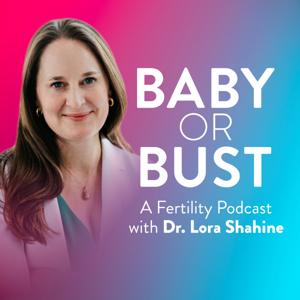


Has trying to conceive turned sex from something fun and spontaneous into another task on your fertility checklist? Are ovulation tracking, timed intercourse, and fertility treatments putting a strain on your relationship? How can you rebuild intimacy and sexual desire when infertility has taken the joy out of your sex life?
In this episode of Brave & Curious, Dr. Lora Shahine welcomes Dr. Nicole McNichols, human sexuality expert, University of Washington professor, and author of You Could Be Having Better Sex, for an honest conversation about how infertility impacts sexual intimacy and relationships.
Together, they explore why the pressure to conceive can decrease sexual desire, create tension between partners, and turn physical connection into a clinical process. From the emotional toll of negative pregnancy tests and IVF treatments to the challenges of timed intercourse, they discuss why maintaining intimacy while trying to get pregnant can feel so difficult.
Dr. McNichols shares tips for reducing performance pressure, prioritizing nonsexual physical affection, and creating opportunities for intimacy outside the fertile window. They also discuss sexual dysfunction, painful intercourse, and when to seek support from a sex therapist or couples counselor.
This episode offers compassionate, actionable advice to help you strengthen your relationship while trying to conceive.
In this episode you'll hear:
Resources mentioned:
www.nicolethesexprofessor.com
@nicole_thesexprofessor on Instagram
@nicole_thesexprofessor on TikTok
@nicole-mcnichols on LinkedIn
Dr. Shahine's Weekly Newsletter on Fertility News and Recommendations
Follow @drlorashahine Instagram | YouTube | Tiktok | Her Books
Join the Learn at Pinnacle app to earn FREE CE Credit for listening to this episode!
This episode was produced by Audiotocracy Podcast Production.
Have you suddenly found it harder to focus, stay organized, or remember why you walked into a room? Can hormonal changes during your menstrual cycle or perimenopause make ADHD symptoms worse? And how can you tell the difference between ADHD and hormone-related brain fog?
In this episode of Brave & Curious, Dr. Lora Shahine sits down with author of the brand-new book ADHD and Women, Dr. Jolene Brighten.
Together they explore ADHD in women and the powerful connection between hormones and the brain. They discuss why ADHD often looks different in women, why so many women aren't diagnosed until their 30s and 40s, and how shifts in estrogen, progesterone, and other hormones throughout the menstrual cycle and perimenopause can affect executive function, focus, motivation, mood, and emotional regulation.
You'll learn how to recognize common signs of ADHD in women, why symptoms may intensify before your period or during perimenopause, and what other conditions, including thyroid dysfunction and iron deficiency, should be ruled out.
Dr. Brighten also shares practical strategies for supporting brain health through exercise, sleep, and nutrition; what to know about ADHD medications and hormone therapy; and how tracking your symptoms can help you have a more productive conversation with your healthcare provider.
In this episode you'll hear:
Resources mentioned:
drbrighten.com
@drjolenebrighten on Instagram
Buy the book: drbrighten.com/adhd-and-women
Dr. Shahine's Weekly Newsletter on Fertility News and Recommendations
Follow @drlorashahine Instagram | YouTube | Tiktok | Her Books
Join the Learn at Pinnacle app to earn FREE CE Credit for listening to this episode!
This episode was produced by Audiotocracy Podcast Production.
Can preeclampsia affect your health long after pregnancy ends? Does high blood pressure during pregnancy increase your future risk of heart disease or stroke? And what can you do now to protect your cardiovascular health?
In this episode of Brave & Curious, Dr. Lora Shahine explains why pregnancy can act like an early stress test for the heart. She breaks down chronic hypertension, gestational hypertension, and preeclampsia, reviews common risk factors, and shares what research reveals about the connection between hypertensive disorders of pregnancy and future cardiovascular disease.
Dr. Shahine also offers practical ways to advocate for better postpartum care, including sharing your pregnancy history with every healthcare provider, getting regular cardiovascular screenings, supporting heart health through nutrition, exercise, sleep, and stress management, and making your own long-term wellness a priority.
In this episode you'll hear:
Dr. Shahine's Weekly Newsletter on Fertility News and Recommendations
Follow @drlorashahine Instagram | YouTube | Tiktok | Her Books
Join the Learn at Pinnacle app to earn FREE CE Credit for listening to this episode!
This episode was produced by Audiotocracy Podcast Production.
Do fertility medications increase the risk of breast cancer? Could IVF raise the chances of ovarian or uterine cancer later in life? And how can you separate scientific fertility research from fear-provoking headlines?
In this episode of Brave & Curious, Dr. Lora Shahine examines why this fear exists and explores what decades of research actually reveal about fertility medications, IVF, and cancer risk. She explains why this topic is difficult to study, including the need to distinguish the effects of fertility treatment from underlying infertility diagnoses such as endometriosis, PCOS/PMOS, anovulation, and never having carried a pregnancy.
Dr. Shahine also discusses the important nuance around prolonged Clomid use, the role of personal risk factors and routine cancer screening, and why patients deserve to make fertility treatment decisions based on evidence rather than fear.
In this episode you'll hear:
Dr. Shahine's Weekly Newsletter on Fertility News and Recommendations
Follow @drlorashahine Instagram | YouTube | Tiktok | Her Books
Join the Learn at Pinnacle app to earn FREE CE Credit for listening to this episode!
This episode was produced by Audiotocracy Podcast Production.
How can you make the most out of your first fertility visit? What should you bring? What should you be prepared to talk about? And what questions can help you leave the consultation feeling informed, prepared, and confident about your next steps?
In this episode of Brave & Curious, Dr. Lora Shahine explains how to prepare for an initial fertility consultation, whether you are trying to conceive, experiencing recurrent miscarriage, exploring egg freezing or embryo freezing, considering IVF, or looking for inclusive family-building options.
She shares which medical records to send ahead of time, what health and reproductive history your doctor may ask about, and why partners are encouraged to participate in the appointment when possible.
Dr. Shahine also reviews possible fertility treatment options, from ovulation medications and IUI to IVF, donor eggs, donor sperm, and gestational surrogacy, and offers five essential questions to ask before leaving your first fertility specialist appointment.
In this episode you'll hear:
Dr. Shahine's Weekly Newsletter on Fertility News and Recommendations
Follow @drlorashahine Instagram | YouTube | Tiktok | Her Books
Join the Learn at Pinnacle app to earn FREE CE Credit for listening to this episode!
This episode was produced by Audiotocracy Podcast Production.
Why is PCOS being renamed? And what does the new name PMOS mean? Could irregular periods, acne, hair growth, hair loss, or insulin resistance be signs of a larger whole-body condition? And does a PCOS or PMOS diagnosis mean you will need IVF to get pregnant?
In this episode of Brave & Curious, Dr. Allison Rodgers, reproductive endocrinologist, joins Dr. Lora Shahine for a hopeful, practical conversation about the shift from polycystic ovary syndrome, or PCOS, to polyendocrine metabolic ovarian syndrome, or PMOS.
They explain why the updated name better reflects the condition's effects on hormones, metabolism, ovulation, fertility, and lifelong health, not simply the appearance of the ovaries. They discuss common symptoms of PCOS and PMOS, how the condition is diagnosed, and why it can affect people of every body size.
Dr. Shahine and Dr. Rodgers also explore fertility treatment options, nutrition, exercise, and supplements. They get into long-term risks including diabetes, high cholesterol, cardiovascular disease, and uterine cancer. Most importantly, they emphasize that PMOS is manageable, ovulation can often be restored, and there is plenty of reason to feel hopeful about building a family.
In this episode, you'll hear:
[0:25] Meet Dr. Rodgers
[2:42] PCOS Becomes PMOS
[7:38] Testing and Diagnosis
[10:15] Fertility Outlook
[13:58] Long-Term Health
[18:37] Lifestyle Support
[22:32] PMOS Medications
[36:11] Supplements and Nutrition
[44:53] Supplement Safety
[49:06] Egg Quality
[52:55] IVF Necessity
[54:09] Teen PMOS
[58:08] Hope and Advocacy
Resources Mentioned:
drallisonrodgers.com
https://www.fcionline.com/doctors/allison-rodgers/
Bird and Be Supplements
Review Article on Supplements for PCOS/PMOS
@dr.allison.rodgers on Instagram and TikTok
This episode is sponsored by Bird and Be.
Dr. Shahine's Weekly Newsletter on Fertility News and Recommendations
Follow @drlorashahine Instagram | YouTube | Tiktok | Her Books
Join the Learn at Pinnacle app to earn FREE CE Credit for listening to this episode!
This episode was produced by Audiotocracy Podcast Production.
Can you be too old to conceive? What does it really mean when celebrities have babies over 50? And when fertility treatments like IVF, donor eggs, frozen eggs, and embryo transfer make pregnancy possible after menopause, how do we decide when it is safe, ethical, and medically appropriate?
In this episode of Brave & Curious, Dr. Lora Shahine explores one of the biggest and most emotionally loaded questions in reproductive medicine: when is it too late to have a baby? Using the latest 2025 American Society for Reproductive Medicine guidelines as a starting point, Dr. Shahine breaks down advanced reproductive age, age-related infertility, IVF success with own eggs versus donor eggs, pregnancy after menopause, and the very real health risks that can come with pregnancy over 45 or 50. She also looks at paternal age, sperm health, and why age matters for both partners when building a family.
Listeners will understand that there is no one-size-fits-all answer—only thoughtful counseling, informed consent, and brave conversations about the risks, benefits, and possibilities of family building at an advanced reproductive age.
In this episode you'll hear:
Dr. Shahine's Weekly Newsletter on Fertility News and Recommendations
Follow @drlorashahine Instagram | YouTube | Tiktok | Her Books
Join the Learn at Pinnacle app to earn FREE CE Credit for listening to this episode!
This episode was produced by Audiotocracy Podcast Production.
Can acupuncture really support IVF success? When should you start fertility acupuncture if you're trying to conceive? And how do you know whether an acupuncturist is truly trained in fertility care, or just really confident with a sign on the door?
In this episode of Brave & Curious, Dr. Lora Shahine welcomes Hannah Pearn, a fertility acupuncturist based in London and host of the podcast. Together, they explore how acupuncture, traditional Chinese medicine, and Western fertility treatment can work side by side to support patients through IVF, embryo transfer, egg quality concerns, endometriosis, PCOS, recurrent pregnancy loss, male factor infertility, and the emotional stress of trying to conceive.
Listeners will learn what to expect at a first fertility acupuncture appointment, how acupuncture treatment may change during different stages of IVF, what questions to ask when choosing a practitioner, and why the evidence around acupuncture and fertility is promising but still complicated.
Dr. Shahine and Hannah also answer listener questions about needle fear, PGT-A testing, microbiome testing, follicle count, and the balance between doing everything you can and remembering that infertility is never your fault.
In this episode you'll hear:
Resources mentioned:
donttellmetorelax.coc.uk
@donttellmetorelax on IG
Dr. Shahine's Weekly Newsletter on Fertility News and Recommendations
Follow @drlorashahine Instagram | YouTube | Tiktok | Her Books
Join the Learn at Pinnacle app to earn FREE CE Credit for listening to this episode!
This episode was produced by Audiotocracy Podcast Production.
Can a hormonal IUD affect your fertility later? If you used a progestin IUD, should you take it out months before trying to conceive? And how do patients make sense of fertility advice when even doctors are debating the evidence in real time?
In this episode of Brave & Curious Dr. Said Daneshmand joins Dr. Lora Shahine for a thoughtful, nuanced conversation about hormonal IUDs, endometrial lining, uterine adhesions, and fertility planning.
Their conversation is sparked by a recent online debate in the reproductive medicine community. Dr. Shahine and Dr. Daneshman explore what is known, what is still being studied, and why clinical experience matters alongside published research.
Listeners will learn how levonorgestrel IUDs may affect the uterine lining in a small subset of patients, what current research says about return to fertility after IUD removal, and why "rare" does not mean "impossible."
This episode offers reassurance, context, and practical guidance for anyone using an IUD, planning pregnancy, navigating infertility, or trying to make informed decisions about contraception and reproductive health.
Ongoing Research Study through UCSF: FeRTILE Study is being done to learn whether long-term use of an intrauterine device (IUD) affects how long it takes to become pregnant. By taking part, participants may help researchers learn more about fertility and birth outcomes after IUD use. Learn more here.
In this episode you'll hear:
Resources:
Studies mentioned
Abel 2021 J Assist Reprod Genet
Carr 2021 Contraception
Peipert 2022 Am J OBGYN
Dr. Daneshmand Instagram
Fertilitea with Dr. D Podcast
Dr. Shahine's Weekly Newsletter on Fertility News and Recommendations
Follow @drlorashahine Instagram | YouTube | Tiktok | Her Books
Join the Learn at Pinnacle app to earn FREE CE Credit for listening to this episode!
This episode was produced by Audiotocracy Podcast Production.
Could your sleepless nights, mood swings, joint pain, or "I just don't feel like myself" feelings be connected to perimenopause? Do you really need hormone testing to know what is happening? And is menopause hormone therapy actually as scary as we were once told?
Dr. Rebecca Dunsmoor-Su and Dr. Amy Voedisch, hosts of OvaryActive and co-authors of Estrogen, Interrupted, join Dr. Lora Shahine for this episode of Brave & Curious. Their conversation opens up a thoughtful, funny, and myth-busting conversation about menopause, perimenopause, hormone health, and why women deserve to understand their bodies.
They also explain the difference between menopause and perimenopause, why symptoms can start years before periods stop, why hormone labs often do not tell the full story, and how symptoms like hot flashes, night sweats, insomnia, anxiety, vaginal dryness, weight changes, itchy ears (yes, we said "itchy ears"), burning mouth, and joint pain can all fit into the bigger picture.
Perimenopause is often a "story-based" diagnosis rather than a single lab result, and treatment options are available. This conversation will walk listeners through all of that and more. Listeners will feel informed, validated, and ready to ask better questions.
In this episode you'll hear:
Resources mentioned:
perimenopausedrs.com/ovaryactive
Follow the show @OvaryActive Instagram | YouTube
Estrogen, Interrupted by Dr. Rebecca Dunsmoor-Su & Dr. Amy Voedisch
More information about Dr. Rebecca Dunsmoor-Su:
Gennev: www.gennev.com/clinician/dr-rebecca-dunsmoor-su
LinkedIn @rebecca-dunsmoor-su
More information about Dr. Amy Voedisch:
Stanford Medical Clinic: stanfordhealthcare.org/doctors/v/amy-voedisch.html
Dr. Shahine's Weekly Newsletter on Fertility News and Recommendations
Follow @drlorashahine Instagram | YouTube | Tiktok | Her Books
Join the Learn at Pinnacle app to earn FREE CE Credit for listening to this episode!
This episode was produced by Audiotocracy Podcast Production.
From the publisher's feed
795 Listeners
3,065 Listeners
909 Listeners

449 Listeners

14,892 Listeners
1,996 Listeners
243 Listeners
1,104 Listeners

48 Listeners
285 Listeners

196 Listeners

249 Listeners
93 Listeners

2,707 Listeners

140 Listeners