
Sign up to save your podcasts
Or

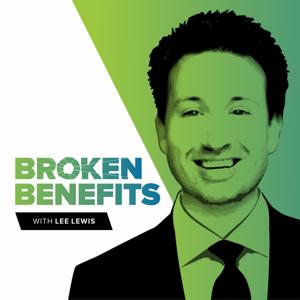


Healthcare costs keep rising. Employers know they need to do something different.
But doing something different comes with risk.
That tension sits at the center of Lee Lewis' conversation with Eric Foster, a benefits leader and consultant who has spent more than two decades in the industry and previously led benefits at Lowe's and Albertsons. In those roles, Eric helped manage health plans covering roughly 150,000 to 200,000 lives and hundreds of millions of dollars in healthcare spending.
In this episode of Broken Benefits, Eric explains why healthcare is ultimately an opportunity-cost problem for employers. Every additional dollar consumed by healthcare is a dollar that can't be invested somewhere else in the business.
Yet simply repeating the same strategy isn't an option either.
Eric and Lee explore what it takes to create a culture where benefits teams can experiment, test new ideas and learn without allowing the fear of failure to become an excuse for standing still. Eric shares lessons from running multiple pilots, testing competing solutions and using real-world experience to make better decisions about what deserves to scale.
The conversation also goes beyond healthcare cost.
Eric makes the case that benefits teams should borrow capabilities from their own marketing organizations, listen more carefully to employees, turn successful programs into stories people actually understand and even equip recruiters to use benefits as a competitive advantage in the fight for talent.
They also discuss the value of building a strong network of other benefits leaders, learning from failed experiments, holding vendors to higher standards and recognizing that communication and engagement may represent far more of a benefits leader's job than most organizations realize.
Because innovation carries risk.
But when the existing trajectory isn't sustainable, standing still may be the greater risk.
Chapters:
00:00 Healthcare Is an Opportunity-Cost Problem
00:58 Welcome to Broken Benefits
02:11 Eric Foster's Benefits Leadership Journey
03:33 Managing Healthcare at Massive Scale
07:57 Where Should Benefits Leaders Focus?
11:20 Benefits as a Workforce Strategy
14:00 Innovating Inside Organizational Constraints
18:00 The Benefits Innovation Paradox
19:35 "More Pilots Than American Airlines"
21:00 Testing, Learning and Scaling What Works
23:00 Why Benefits Teams Need Marketing
27:00 Turning Benefits Into a Recruiting Advantage
33:00 The Rising Expectations and Cost of Healthcare
39:00 What Benefits Leaders Can Learn From Recruiters
45:00 Learning From Other Employers' Experiments
51:00 Holding Vendors Accountable
54:00 Why Communication Is 70% of the Job
60:00 Over-Communicate, Learn and Know When to Move On
Adam Stavisky spent years running benefits for the largest private workforce in the country, overseeing the largest private health plan in the world along with a massive 401(k) and leave of absence program. In this episode, Lee sits down with Adam to unpack how a culture built on innovation and razor thin margins forced his team to find creative ways to cut costs without shifting the burden onto employees.
Adam walks through the leadership lessons that shaped his approach: how consulting taught him to distill complex problems into a single page, why he insisted his team push back on his own ideas, and the moment a signature program he championed had to be pulled back in front of Walmart's CEO. He shares the exact language leadership used that turned a failure into one of his most defining career moments.
From there, the conversation moves into practical strategy. Adam breaks down why provider quality, not plan design, is the biggest lever employers have for improving outcomes and controlling costs, using a striking statistic about C-section rates to make the case. He also flags the fiduciary risks most employers are sitting on right now, including voluntary benefits litigation, payment integrity gaps, and the importance of simply documenting the work you're already doing.
If you manage benefits at any size organization, or if you're trying to understand why healthcare costs keep climbing despite everyone agreeing the system is broken, this episode is packed with tactical guidance you can apply immediately.
Chapters:
0:00 Cold Open: "You Had to Take Cost Out of the System"
0:50 Welcome to Broken Benefits
1:05 Meet Adam Stavisky: From Top Consultant to Walmart's Head of Benefits
1:42 From Consulting Decks to "Kitchen English"
2:56 The Real Shock of Moving In-House: Relationship Building
5:06 How Adam Protected His Calendar to Protect His Team
5:54 Sponsor Break: Catalyze Health
6:42 Empowering a Benefits Team to Push Back and Take Bold Action
8:39 The Most Underrated Leadership Skill: Prioritization
10:54 Inside Walmart's Culture of Innovation and Cost Discipline
14:20 When Leadership Says "Find $100 Million," Where Do You Start?
16:22 What Most C-Suites Get Wrong About Managing Healthcare
22:15 The Signature Program That Failed: A Lesson in "Limiting Blast Radius"
24:28 Why Every Executive Recommendation Should Include the Best Counterargument
26:36 "Don't Delegate Up": Building a Team That Owns Decisions
28:48 Ownership Mentality and the Hardest Job of a Leader
31:44 Opportunity #1: Provider Quality Is the Biggest Lever in Healthcare Costs
36:03 Why Provider Directories Are a Hidden Cost-Control Tool
39:33 Risk #1: Fiduciary Due Diligence Employers Can't Ignore
40:26 Voluntary Benefits, Commission Structures, and the Schlichter Bogard Lawsuits
41:57 Payment Integrity: Detection Isn't Enough, You Need Resolution
44:37 Sponsor Break: Catalyze Health
47:12 Engaging a Workforce as Diverse as a Small Country
51:39 What Gives Adam Optimism About the Future of Benefits
52:48 Where to Find Adam Stavisky
53:09 Outro: Subscribe and Share
What happens when a benefits leader stops accepting rising healthcare costs as inevitable?
For Paul Dumas, the answer was simple: start taking control.
A longtime CHRO, Paul had spent decades approaching benefits much like many other employers do. Watch the trend. Build the budget. Work with the broker. Try to come in below the projected increase.
That changed when his organization saw a 19.5% healthcare trend and was suddenly $15 million over budget after a single month, driven in large part by the rapid growth of GLP-1 utilization.
That moment forced Paul to look much deeper into the healthcare ecosystem and question assumptions that had gone largely unchallenged.
In this episode of Broken Benefits, Paul walks Lee Lewis through what he discovered, including misaligned incentives among brokers, PBMs and carriers, the difference between a discount and a genuinely good price, the problem with treating healthcare as a fixed expense, and why employers need greater independence and transparency throughout their benefits ecosystem.
The conversation also explores Paul's approach to rebuilding the strategy from the ground up, including transparent broker compensation, a transparent PBM, an independent TPA, reference-based pricing, care navigation and a stronger emphasis on primary care.
And the results were significant.
Paul shares how his organization identified $8.5 million in hard savings in year one and approximately $24 million in year two, allowing the organization to reinvest those savings into total rewards, mental health and other areas that directly benefit employees.
This isn't a conversation about simply cutting benefits.
It's about asking a more important question:
What if employers could spend less on healthcare while actually making the benefits experience better?
That's the conversation.
Chapters:
0:00 Introduction: Why Healthcare Can't Stay a Fixed Cost
1:37 Paul's Journey Into Healthcare Strategy
4:09 The $15 Million Healthcare Wake-Up Call
6:18 Misaligned Incentives: Brokers, PBMs & Rebates
10:33 Why Employers Need to Take Back Control
16:25 The Problem With "Discounted" Healthcare
20:55 Rebuilding the Healthcare Ecosystem
25:20 What Happens When You Eliminate Rebates?
26:36 Primary Care, Navigation & Better Outcomes
28:48 $8.5 Million in Year-One Savings
29:09 $24 Million in Year-Two Savings
30:49 Reinvesting Healthcare Savings Into Employees
36:28 How Benefits Leaders Can Drive Change
42:47 The Playbook: Where Employers Should Start
48:11 Reference-Based Pricing & Regaining Control
54:08 Final Thoughts With Paul Dumas
For years, employee benefits have been viewed as an unavoidable expense. Scott Kirschner believes that's the wrong way to look at them.
In this episode of Broken Benefits, Lee Lewis sits down with one of the industry's most respected benefits leaders to explore how thoughtful benefits strategy can become a catalyst for business growth, employee engagement, and long-term organizational success.
Rather than focusing solely on controlling healthcare costs, Scott explains why the most successful organizations approach benefits as a strategic investment. From building credibility with executive leadership to aligning benefits with broader business objectives, he shares the lessons learned throughout a career spent proving that better healthcare decisions can deliver measurable business value.
The conversation explores why benefits leaders should think like business executives, how data and financial discipline influence decision-making, and why innovation often begins with asking better questions.
Whether you're a benefits professional, HR executive, CFO, or business leader, this episode offers practical insights into transforming benefits from a cost center into a competitive advantage.
Chapters:
0:00 Introduction
1:41 Why Better Benefits Are a Business Strategy
5:12 The Biggest Mistake Employers Continue to Make
10:03 Benefits Are About More Than Healthcare
15:18 Creating Value Employees Actually Notice
20:44 Why Cost Cutting Alone Doesn't Work
26:07 Building a Benefits Strategy Around People
31:54 The Data Employers Should Be Paying Attention To
37:46 Measuring Success Beyond Claims Costs
43:38 How Leadership Shapes Employee Experience
49:57 The Future of Employer-Sponsored Benefits
55:46 Final Advice for Benefits Leaders
What happens when a practicing physician steps into the world of employee benefits?
In this episode of Broken Benefits, Lee Lewis sits down with Dr. Lowell Fernander, a physician-turned-benefits executive whose career has taken him from healthcare systems in the United Kingdom and Europe to helping lead healthcare strategy for one of America's largest employers.
Drawing on his unique experience in clinical medicine, health informatics, provider strategy, and benefits leadership, Dr. Fernander offers a rare perspective on the challenges facing healthcare today. From the philosophical differences between healthcare systems around the world to the realities of employer-sponsored healthcare in the United States, this conversation explores what employers can learn from global approaches to care delivery.
Along the way, Dr. Fernander shares why benefits leaders have an enormous responsibility in shaping healthcare outcomes, how data can uncover opportunities for better care, and why collaboration across the healthcare ecosystem is essential if we hope to improve outcomes while controlling costs.
If you're an employer, benefits professional, healthcare leader, or simply interested in the future of healthcare, this is a conversation you won't want to miss.
Chapters:
0:00 Every Healthcare System Has Problems
0:28 Welcome to Broken Benefits
1:25 How a Physician Ended Up Leading Benefits Strategy
4:28 What America Can Learn from European Healthcare
8:02 Is Healthcare a Right or a Privilege?
10:42 Why the U.S. Healthcare Debate Misses the Point
13:00 The Real Problem: Access to Care
17:03 Healthcare Deserts and the Hidden Cost of Poor Access
21:03 Employers Shape Healthcare More Than They Realize
25:03 Why Data Is the Foundation of Better Benefits
29:00 Looking Beyond Cost Savings
33:00 The Employee Engagement Problem
37:00 Building Better Healthcare Experiences
40:00 The Impact of Social Determinants of Health
44:00 Why Healthcare Is an Ecosystem Challenge
48:02 Where Employer Healthcare Goes Next
50:06 Closing Thoughts
What happens when you put an auditor in charge of employee benefits?
You stop accepting assumptions.
In this episode of Broken Benefits, Brian Duclos shares how a non-traditional background in accounting and internal audit shaped his approach to benefits strategy—and ultimately led him to challenge many of the industry's long-standing norms.
Rather than accepting annual cost increases as inevitable, Brian applies financial discipline, operational rigor, and data-driven decision-making to one of the largest expense categories organizations face. The result has been a series of innovative plan design strategies, stronger vendor accountability, and a fundamentally different way of thinking about benefits management.
This conversation explores the importance of data ownership, performance guarantees, vendor oversight, and why benefits leaders should start thinking more like business operators.
If you're responsible for managing healthcare costs, improving employee outcomes, or driving value from your benefits program, this episode offers a practical blueprint for doing things differently.
Chapters:
00:00 The Audit That Changed Everything
00:26 Introduction to Brian Duclos
01:16 From Accounting to Benefits Leadership
04:16 Why Brian Left Internal Audit to Fix Benefits
08:09 The Advantage of a Non-Traditional Background
11:05 Challenging Industry Assumptions
14:09 A Case Study in Benefits Innovation
18:13 Why Operational Excellence Matters
20:34 Building Innovative Benefits Strategies
21:53 Start with the Data
24:01 Turning Insights into Action
25:36 Getting Team Buy-In for Change
29:13 Psychological Safety and Innovation
30:12 How to Sell New Ideas to Leadership
33:00 Building the Executive Business Case
34:56 Vendor Accountability and Performance Guarantees
38:00 Finding Hidden Costs in Your Health Plan
39:53 Following the Data to Better Outcomes
43:10 Eliminating Misaligned Incentives in Healthcare
45:12 Contracting, Transparency, and Employer Leverage
47:42 Choosing the Right Advisors and Partners
49:36 What Industry Conferences Actually Teach You
51:33 The Traits of Successful Benefits Leaders
53:15 Brian's Framework for Driving Change
55:10 Final Advice for Benefits Professionals
56:49 Closing Thoughts
In this episode of Broken Benefits, we’re joined by Chris Deacon, a leading voice in healthcare reform known for her direct, no-nonsense approach to fixing a system that too often fails the very people it’s meant to serve.
With experience spanning both the public and private sectors—including leading one of the largest public health plans in the country—Chris brings a level of insight that few can match. Her work has consistently centered on one thing: demanding transparency, accountability, and real outcomes in healthcare.
This conversation takes a hard look at the current state of the system, the structural issues that continue to drive inefficiency, and the opportunity employers have to take a more active role in shaping better solutions.
If you’re tired of excuses and ready to think differently about healthcare and benefits, this is a conversation you won’t want to miss.
Chapters:
0:00 - Introduction
1:45 - Change is accelerating
5:58 - Tactical approaches in 2026
14:06 - How do we push back?
20:18 - Examining high-cost claims
26:02 - Fiduciary obligation to shareholders
37:53 - Cleaning up messes vs. new things
44:13 - What can I do right now?
48:10 - Connect with Chris online
In this episode of Broken Benefits, we sit down with Milt Ezzard, a Global Benefits and Mobility Leader, to explore the untapped opportunity that exists within today’s benefits and healthcare landscape.
Too often, organizations operate within the confines of legacy systems and outdated thinking. But as Milt shares, those willing to challenge the status quo have a real chance to unlock better outcomes—for their people and their business.
From global strategy to forward-thinking program design, this conversation dives into what it takes to move beyond maintenance mode and start building benefits strategies that truly create value.
If you’re a leader looking to rethink your approach and capitalize on the opportunity in front of you, this is a conversation you won’t want to miss.
Chapters:
0:00 - Introduction
1:47 - Being hesitant to try something new
8:25 - Best practices for Milt
16:20 - Getting back your control
30:13 - Holding vendors accountable
40:30 - Approaching AI products
46:32 - Building benefits that are loved
51:21 - Leveraging Glassdoor
53:26 - Closing remarks
In this episode of Broken Benefits, Lee Lewis sits down with Todd Bisping, Benefits Industry Innovator, to explore one of the most remarkable stories in employer healthcare strategy.
For nearly two decades, Todd helped lead a benefits approach that achieved something most employers consider impossible: keeping healthcare cost trend flat while continuing to deliver meaningful value to employees.
Rather than accepting the steady rise of healthcare costs as inevitable, Todd and his team took a different path — experimenting with new ideas, challenging industry assumptions, and focusing relentlessly on strategies that produced measurable results.
In this conversation, Todd reflects on the lessons learned from years of leading benefits innovation, what it takes to implement change inside large organizations, and why employers have far more influence over healthcare outcomes than they often realize.
If you’re a CHRO, benefits leader, or HR executive looking for real-world examples of what disciplined, long-term benefits strategy can accomplish, this episode offers both inspiration and practical insight.
Chapters:
0:00 - Introduction
1:27 - The best part about running benefits plans
8:59 - The misconception of innovating
19:14 - Leveraging case studies
32:32 - Irrelevant strategies employers need to stop
43:40 - Guiding your priorities
50:50 - The value of pilot programs
54:30 - Closing remarks
On the latest installment of Broken Benefits, Lee Lewis sits down with Jason Dinerman, VP of Product Development & Global Benefits at Mastercard, to explore what it really takes to create value — and just as importantly, visibility — inside a modern benefits operation.
Jason brings a rare blend of product thinking and global benefits leadership to the conversation. Drawing from his career journey, he shares how benefits leaders can move beyond administration and into strategic influence by clearly articulating impact, aligning with business priorities, and designing programs that are measurable, scalable, and understood.
The discussion dives into how benefits teams can reposition themselves internally — not as cost centers, but as value creators. Jason explains how applying product development principles to benefits strategy can unlock stronger engagement, clearer outcomes, and greater executive buy-in.
If you’re a CHRO, total rewards leader, or HR executive looking to elevate the strategic role of benefits within your organization, this episode offers a practical and forward-looking perspective on how to do it.
Chapters:
0:00 - Introduction
1:37 - Leading US Health & Well-Being at Mastercard
9:38 - The talent overlap between product development and benefits
17:14 - Designing benefits that people ultimately value
25:08 - Advice for today's benefits leaders
33:32 - Look inward for the most valuable data
39:00 - The future of transactions within healthcare
44:44 - How to connect with Jason
45:00 - Closing remarks
From the publisher's feed

31,916 Listeners
4,847 Listeners

140 Listeners
239 Listeners

20 Listeners

111,831 Listeners

56,387 Listeners

8,279 Listeners
29 Listeners

10,122 Listeners

29,124 Listeners
21 Listeners

36 Listeners
130 Listeners