
Sign up to save your podcasts
Or

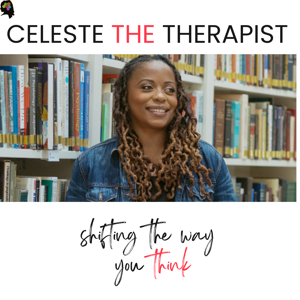


In this Daily Shift, we explore why over-explaining is often a safety habit — and why your choices don't need justification to be valid.
This episode covers:
The difference between clarity and justification
Why boundaries don't require explanations
Trusting your internal knowing
Your clarity is enough.
In today's Daily Shift, we explore the pressure to stay consistent with past decisions — even when new information, insight, or self-awareness emerges.
Many people believe that changing their mind means they failed, didn't try hard enough, or wasted time. But growth brings new data. As you slow down and listen to your body, it's natural for clarity to evolve.
This episode is a reminder that responsiveness is not the same as inconsistency. Honoring what you know now is a form of self-trust.
In this episode, we explore:Why changing your mind doesn't mean you failed
How growth creates new clarity
The difference between consistency and self-honoring decisions
Why you don't owe explanations for internal shifts
You're allowed to change your mind
Growth brings new information
Consistency with yourself matters most
Take a moment to reflect on where you may be holding onto something that no longer fits.
In today's Daily Shift, we explore the pressure many people feel to force readiness — to decide, move on, or feel okay before their body is truly prepared.
Readiness isn't something you push yourself into. It arrives when your nervous system feels safe enough to integrate what it's been holding. When we override that process, we often move forward while parts of us are still bracing, which can make progress feel heavier than it needs to be.
This episode offers permission to slow down and trust the timing of your body, without judgment or urgency.
In this episode, we explore:Why readiness can't be forced
How pressure can override important internal signals
The difference between being stuck and still integrating
What readiness can look like without urgency
You don't need to push yourself into readiness
Waiting can be a form of self-respect
Permission creates clarity
Take a pause and allow your body the space it needs to arrive in its own time.
In today's Daily Shift, we explore the pressure to move, decide, and respond before clarity has fully formed. Many people learn to rush themselves in order to meet expectations or relieve discomfort — but clarity often arrives through pause, not urgency.
This episode offers reassurance that waiting is not a failure. Giving yourself time allows your nervous system to process, integrate, and offer insight when it feels safe enough to do so.
In this episode, we explore:Why clarity doesn't always arrive immediately
How rushing can override self-trust
The role of safety in decision-making
Why waiting can be an act of self-respect
You can trust your timing
You don't need to force certainty
Slowing down supports clarity
In today's Daily Shift, we explore the pressure to react quickly — to respond, explain, or have an opinion before you've had time to check in with yourself.
Urgency is often mistaken for responsibility, but responding immediately isn't the same as responding intentionally. This episode offers permission to pause, allowing your nervous system the time it needs to register what's happening before choosing how to engage.
Pausing isn't avoidance or indifference — it's a form of care that supports clarity, regulation, and grounded communication.
In this episode, we explore:Why urgency can override self-awareness
The difference between reacting and responding
How pausing supports nervous system regulation
Choosing clarity over pressure
You don't owe immediate responses
Pausing is a form of care
Clarity comes from slowing the moment down
Take a breath and allow yourself the space to respond with intention.
In today's Daily Shift, we explore the difference between staying aware and becoming overwhelmed. Awareness doesn't require constant exposure to everything that's happening, and caring deeply doesn't mean absorbing harm.
This episode offers a reminder that boundaries are not avoidance — they're discernment. You're allowed to choose how much access information, conversations, and emotional intensity have to your nervous system.
Staying human means staying regulated enough to continue engaging with intention, not urgency.
In this episode, we explore:The difference between being informed and being flooded
Why boundaries support nervous system safety
How to stay engaged without becoming consumed
What it means to practice discernment instead of avoidance
You get to choose how close things come
Boundaries help awareness stay sustainable
Caring doesn't require constant exposure
Pause, notice what your body needs, and allow yourself to choose proximity with intention.
In this Daily Shift, we pause to ground after awareness, reflection, and difficult questions. Staying present in complicated times doesn't always look loud or visible — often, it looks like choosing not to numb, harden, or disconnect.
This episode is a reminder that being engaged without losing yourself is a skill. You don't have to respond perfectly or carry everything at once. Staying connected to your values, your body, and your capacity matters.
In this episode, we explore:Why presence is not passive
How staying human is a form of participation
The difference between engagement and overwhelm
Why awareness doesn't require urgency or perfection
If you're still listening, still questioning, still choosing care where you can — you're not failing. You're participating.
In today's Daily Shift, we explore what happens after awareness arrives — when you begin to see patterns of fear, power, and silence more clearly, and can't unsee them.
Awareness can feel heavy, overwhelming, or even paralyzing. This episode gently reframes responsibility, not as carrying everything or reacting with urgency, but as responding with intention and integrity.
This shift is about staying connected to your values without burning out, panicking, or disconnecting.
In this episode, we explore:Why awareness often brings discomfort
The difference between urgency and responsibility
How to stay engaged without becoming consumed
What it means to respond with intention rather than fear
Awareness isn't meant to paralyze you
You don't have to do everything
Integrity begins with how you choose to move
Take a pause and notice where awareness is asking you to respond differently — without demanding perfection.
In today's Daily Shift, we reflect on questions many of us first asked while learning about history: How did this happen? How did so many people go along with it? What would I have done if I were there?
Over time, it becomes clear that these questions were never only about the past. They were about human behavior — fear, power, silence, and the ways people respond when harm unfolds gradually and is normalized.
This episode invites listeners to consider how nervous systems respond under pressure, how silence can become participation, and why awareness matters when things are happening in real time — not just in hindsight.
In this episode, we explore:Why history repeats patterns even when circumstances change
How fear and power shape behavior
The difference between awareness and judgment
What it means to stay human under pressure
Awareness is not about shame — it's about noticing
Silence has impact, even when it feels protective
Our choices in the present matter
Take a moment to pause and reflect on what this question brings up for you — not about the past, but about now.
In today's Daily Shift, we explore the belief that strength means doing everything on your own—and how that belief can quietly lead to exhaustion and isolation.
For many people, especially those who learned early to rely on themselves for safety, asking for help can feel uncomfortable or risky. But support isn't a sign of weakness. It's a necessary part of sustainability, healing, and meaningful work.
This episode is an invitation to soften self-reliance and make room for shared responsibility, care, and connection.
In this episode, we explore:Why self-reliance can become isolating over time
How collective care supports long-term sustainability
The difference between independence and interdependence
Why allowing support doesn't diminish your strength
You don't have to carry everything alone
Support is not a failure
The work that lasts is shared
Take a moment to notice where you may be holding more than you need to—and where support could be allowed in.
From the publisher's feed

43,827 Listeners
828 Listeners

14,899 Listeners

31,724 Listeners

369,624 Listeners

2,126 Listeners

2,716 Listeners

19,273 Listeners