
Sign up to save your podcasts
Or

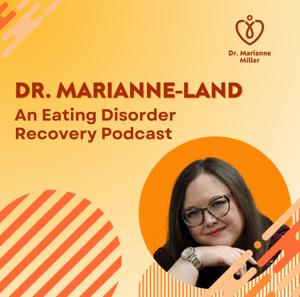
By mariannemillerphd

5
1818 ratings


The podcast currently has 355 episodes available.
The most played episodes among Podcast App listeners.
Food rules can make eating feel like a test you have to pass. Dr. Marianne talks with registered dietitian Lauren Hofstee about eating disorder recovery, disordered eating, and building a steadier relationship with food without judgment or guilt. WHAT YOU’LL LEARN Lauren explains how “what I eat in a day” videos, body checks, and the thin ideal can shape food choices and body image, especially for teens and young adults. She describes what a first appointment with an eating disorder dietitian can look like and why trust and a workable eating routine matter. Dr. Marianne and Lauren also discuss fear of carbohydrates, anxiety about weight gain, and the belief that enjoyable food must be “bad” for you. Lauren shares how nutrition education and gradual, collaborative steps can help people question food myths. They discuss why meal plans help some people while others need a different kind of structure. WHO THIS EPISODE IS FOR This conversation is for anyone navigating eating disorder recovery, questioning rigid food rules, or feeling nervous about seeing a dietitian. Parents and providers may also find it useful. CONTENT CAUTIONS This episode discusses eating disorders, food restriction, fear of weight gain, social media body checks, and diet culture. TAKEAWAYS Supportive eating disorder nutrition care starts with a person’s history, fears, and goals. Lauren’s approach makes room for nourishment, pleasure, and connection while helping each client find practical support that fits. Lauren offers virtual dietitian services in Ontario. Find her on Instagram at @laurenhofstee.rd or visit laurenhofstee.me. For eating disorder therapy with Dr. Marianne in California or Washington, D.C., visit drmariannemiller.com. RELATED EPISODES Family Food Rules & Body Image Issues: How Diet Culture Gets Passed Down Through Generations on Apple & Spotify. OCD & Eating Disorders: Why Food Rules, Rituals, & “Not Feeling Right” Take Over on Apple & Spotify.

Nutrition misinformation can make eating disorder recovery feel increasingly confusing. Social media warnings about sugar, carbohydrates, seed oils, processed foods, toxins, inflammation, and “clean eating” often sound scientific, even when they rely on fear, exaggeration, or missing context. In this solo episode, Dr. Marianne discusses how nutrition myths and conflicting food advice can intensify food anxiety, orthorexia, ARFID, anorexia, bulimia, binge eating, and the binge-restrict cycle. She explains why people with autism, ADHD, OCD, health anxiety, sensory sensitivities, and interoceptive differences may feel especially vulnerable to rigid or fear-based nutrition claims. What You’ll Learn Learn how to distinguish legitimate food-safety concerns from eating disorder rules disguised as wellness advice. Dr. Marianne examines the different meanings of “safe,” including medical safety, sensory safety, emotional safety, and the moralized version of safety promoted by diet culture. You will also hear common warning signs of nutrition misinformation, including claims that one ingredient causes many unrelated health problems, promises that eliminating a food will transform your health, and advice that becomes increasingly restrictive. Dr. Marianne explains how algorithms, personal testimonials, AI-generated nutrition advice, and wellness marketing can make unsupported claims feel credible. Food Safety, ARFID, and Neurodivergent Eating For autistic people and individuals with ARFID, packaged foods, familiar brands, frozen meals, snacks, and nutritional drinks may provide sensory predictability and reliable nourishment. Labeling these foods as toxic, fake, or unhealthy can remove foods that already feel accessible. Real food-safety guidance addresses specific concerns such as allergies, contamination, food recalls, refrigeration, cross-contact, and cooking temperatures. Fear-based nutrition advice often turns a limited risk into a universal warning and leaves people afraid to eat. Eating Disorder Recovery in an Age of Food Confusion Dr. Marianne offers practical ways to evaluate nutrition advice without strengthening compulsive checking or dietary restriction. She discusses creating a small circle of trusted sources, pausing before eliminating foods, identifying conflicts of interest, and noticing whether advice increases flexibility or makes your relationship with food more fearful. Eating disorder recovery does not require perfect nutritional certainty. Adequate nourishment may matter more than following constantly changing wellness rules. Food can support you through pleasure, culture, convenience, affordability, predictability, and sensory comfort. Content Cautions Nutrition misinformation, food contamination, food allergies, vomiting, choking, restrictive eating, orthorexia, binge eating, purging, and compulsive exercise. Related Episodes Nutrition Myths Exposed: Protein Obsession, Processed Foods, & Eating Disorder Recovery With Kathleen Meehan, RD @therdnutritionist on Apple & Spotify. ARFID & Nutrition with Callie Holbrook, RD on Apple & Spotify. Work With Dr. Marianne Dr. Marianne provides eating disorder therapy for people in California and Washington, D.C., including support for ARFID, binge eating, anorexia, bulimia, autism, ADHD, and long-term eating disorders. She also offers global coaching, a self-paced ARFID and Selective Eating course, and a Binge Eating Recovery Membership. Learn more at https://www.drmariannemiller.com and follow Dr. Marianne on Instagram @drmariannemiller.
ADHD and eating disorders often overlap in ways that treatment misses. For adults with late-diagnosed ADHD, chronic restriction, binge eating, bulimia, ARFID, food inconsistency, and repeated eating disorder relapse may reflect more than fear of food or resistance to recovery. In this solo episode, Dr. Marianne discusses how ADHD executive dysfunction, time blindness, hyperfocus, decision paralysis, sensory needs, emotional dysregulation, and difficulty recognizing hunger can interfere with eating disorder recovery. Knowing what to do does not always mean your brain can consistently organize and complete the steps required to do it. WHAT YOU’LL LEARN Learn why late-diagnosed ADHD can change how you understand a long-term eating disorder, including years of forgotten meals, accidental restriction, intense nighttime eating, rigid food rules, and difficulty maintaining progress after structured treatment ends. Dr. Marianne explains how missing meals can contribute to the binge-restrict cycle, why eating disorder rules may provide structure for an ADHD brain, and how food can support dopamine seeking, stimulation, comfort, and sensory regulation. She also discusses the grief and relief that may follow an adult ADHD diagnosis after years of being described as unmotivated, inconsistent, or resistant to treatment. ADHD, EXECUTIVE DYSFUNCTION, AND EATING Eating requires many executive-function skills. You must notice hunger, stop another activity, choose food, prepare it, tolerate the sensory experience, eat enough, and remember to repeat the process. ADHD can interrupt this sequence at several points. A person may understand their meal plan and genuinely want recovery but still struggle with task initiation, transitions, food preparation, working memory, or decision fatigue. When clinicians treat these difficulties as psychological resistance, they may overlook the accommodations that could make nourishment more accessible. LATE-DIAGNOSED ADHD AND CHRONIC EATING DISORDERS Many adults with late-diagnosed ADHD spent years compensating through anxiety, perfectionism, overachievement, or rigid routines. Food rules, calorie tracking, repeated meals, restriction, or compulsive movement may have provided organization and urgency when daily life felt chaotic. This does not mean ADHD is the only cause of a chronic eating disorder. Trauma, autism, sensory processing differences, weight stigma, chronic illness, food insecurity, and the effects of malnutrition may also contribute. Recognizing ADHD simply widens the treatment picture and helps explain why insight alone may not create lasting behavioral change. ADHD-AFFIRMING EATING DISORDER RECOVERY Dr. Marianne shares practical ways to reduce the executive-function burden of eating, including accessible convenience foods, visible snacks, grocery delivery, mechanical eating, body doubling, scheduled reminders, sensory accommodations, and low-effort meal options. Recovery does not have to look polished to count. Frozen meals, repeated breakfasts, phone alarms, snack baskets, preferred dishes, or eating with a familiar television show may all support consistent nourishment. The goal is not to make eating look conventional. The goal is to create an eating disorder recovery plan that works with your neurodivergent brain. WHO THIS EPISODE IS FOR This episode is for adults with ADHD and eating disorders, people diagnosed with ADHD later in life, and anyone living with long-term anorexia, bulimia, binge eating disorder, ARFID, or recurring binge-restrict cycles. Providers and loved ones will also benefit from understanding how executive dysfunction can be mistaken for a lack of motivation. RELATED EPISODES ADHD & Bulimia: Dopamine, Impulsivity, & the Hidden Link to Binge Eating With Kirsten Book, PMHNP-BC on Apple and Spotify. Why Eating Feels So Chaotic With ADHD: Binge Eating, Bulimia, & Executive Function Challenges on Apple and Spotify. Eating Disorders & ADHD: Neurodivergent-Affirming Recovery With Taylor Ashley, RP @taylorashleytherapy on Apple and Spotify. WORK WITH DR. MARIANNE Dr. Marianne provides neurodivergent-affirming, trauma-informed, sensory-attuned, and weight-neutral eating disorder therapy for clients in California and Washington, D.C. She specializes in ARFID, binge eating, anorexia, bulimia, ADHD, autism, and long-term eating disorder recovery. Global virtual coaching is also available. Her virtual, self-paced ARFID and Selective Eating course supports adults with ARFID, parents and caregivers, and providers seeking a collaborative, autonomy-affirming approach. Learn more about therapy, coaching, the ARFID course, and other resources at drmariannemiller.com.
Eating disorder recovery often requires developing a relationship with food, hunger, movement, and body size that differs sharply from what society considers “normal.” In this conversation, Dr. Marianne welcomes back psychotherapist Shira Collings, LPC, to discuss a powerful question: Can eating disorder recovery become its own form of neurodivergence? Shira describes neurodivergence as a way of thinking, processing information, or living that diverges from dominant social expectations. From this perspective, rejecting diet culture, anti-fat bias, intentional weight loss, and rigid rules about “healthy eating” can place someone outside the cultural norm. Recovery may change how a person understands nourishment, pleasure, rest, exercise, body acceptance, and the right to eat without trying to control their body size. Eating Disorder Recovery in the Ozempic and GLP-1 Era Dr. Marianne and Shira discuss why eating disorder recovery can feel especially isolating in the Ozempic and GLP-1 era. As weight loss becomes culturally celebrated again, people in recovery may experience grief, loneliness, body-image distress, or renewed pressure to shrink themselves. They also examine the growing tendency to call hunger, cravings, and thoughts about food “food noise.” For many people recovering from anorexia, bulimia, binge eating, chronic dieting, or other eating disorders, noticing hunger and responding to food cravings represent meaningful signs of healing. Treating these experiences as problems that should disappear can undermine body trust and reinforce disordered eating beliefs. Hunger Cues, Neurodivergence, and Body Trust Hunger does not feel the same for everyone. Autistic people, ADHDers, highly sensitive people, and others with neurodivergent eating experiences may not notice traditional hunger cues such as a growling stomach. Hunger might appear as lightheadedness, difficulty concentrating, irritability, thoughts about food, emotional changes, or a desire for sensory regulation through eating. Dr. Marianne shares how ADHD hyperfocus can interfere with recognizing when she needs food and why mechanical eating helps her nourish herself consistently. Shira explains that eating without experiencing a specific type of physical hunger does not mean someone is eating incorrectly. Rebuilding body trust can include recognizing your individual hunger signals and releasing the fear of eating “too much.” Diet Culture, Anti-Fat Bias, and the Fear of Eating Too Much The conversation also addresses how anti-fat bias, purity culture, healthmaxxing, and moral judgments about food teach people to distrust hunger and reject pleasure. Larger-bodied people often face added pressure to become the “good fatty” by pursuing weight loss, exercising frequently, or proving that they eat according to society’s definition of health. Sustainable eating disorder recovery may mean letting go of the belief that you must control your weight to deserve nourishment, rest, pleasure, care, or belonging. Dr. Marianne and Shira acknowledge how difficult this work can feel when friends, family members, healthcare providers, therapists, treatment programs, and social media continue to reinforce diet culture. About Shira Collings, LPC Shira Collings is a feminist, neurodiversity-affirming, LGBTQIA+-affirming, fat-affirming, and disability justice-aligned psychotherapist. Their specialties include eating disorders, body image, reproductive mental health, trauma, grief, and loss. Shira supports clients in healing from external and internalized oppression and creating lives aligned with their values. Learn more about Shira at threadandthreshold.com or follow them on Instagram at @threadandthreshold.therapy. In This Eating Disorder Recovery Episode Dr. Marianne and Shira discuss eating disorder recovery as neurodivergence, hunger cues in autism and ADHD, mechanical eating, body trust, food noise, Ozempic and GLP-1 medications, anti-fat bias, diet culture, body acceptance, fear of eating too much, weight-neutral recovery, and the loneliness of rejecting cultural expectations around food and body size. Related Episodes What If You're Not Broken? Neurodivergence, Sanism, Eating Disorders, & Radical Acceptance With Shira Collings, LPC on Apple & Spotify. About Dr. Marianne Miller Dr. Marianne Miller is an eating disorder therapist with nearly 30 years of mental health experience. She specializes in ARFID, binge eating, anorexia, and bulimia through a neurodivergent-affirming, sensory-attuned, trauma-informed, and weight-neutral approach. Dr. Marianne provides therapy in California and Washington, D.C., as well as coaching for clients worldwide. Learn more about working with her, her self-paced ARFID course, and her Binge Eating Recovery Membership at drmariannemiller.com.
Autism and eating disorders can create a complicated relationship with food rigidity, routines, sensory needs, and predictability. For autistic people recovering from anorexia, ARFID, bulimia, or other eating disorders, repetitive eating patterns aren't always symptoms that need to be challenged. Sometimes autistic food routines and preferred foods make consistent nourishment more accessible. In this solo episode, Dr. Marianne explores the difference between autistic food rigidity and eating disorder rigidity, including why they can be difficult to separate. Sensory processing differences, executive functioning challenges, autistic inertia, interoceptive differences, and a strong preference for sameness can all shape autistic eating and eating disorder recovery. Autism, Food Rigidity & Eating Disorder Recovery A familiar breakfast, preferred brand, predictable meal schedule, or small rotation of foods may look rigid from the outside. For an autistic person, however, these routines can reduce sensory overwhelm, decision fatigue, and the executive functioning demands involved in eating. Dr. Marianne explains why autism and eating disorder recovery may require a different definition of flexibility. Mechanical eating and predictable meal routines can be particularly helpful for autistic people who experience inconsistent hunger cues or difficulty interpreting internal body signals. You'll also learn how the same autistic traits can sometimes complicate recovery. Changes to meal timing, unfamiliar foods, unexpected sensory experiences, and disruptions to established routines can create significant distress. What appears to be eating disorder resistance may actually involve autistic sensory needs, difficulty with transitions, interoceptive differences, or a need for predictability. Autism, ARFID, Anorexia & Sensory Issues With Food Food variety is another area where neurodivergent eating disorder treatment requires nuance. Expanding someone's range of foods can be important when limited intake creates nutritional or medical concerns, particularly with autism and ARFID. But eating more variety isn't automatically the same as eating disorder recovery. Dr. Marianne discusses how sensory sensitivities can overlap with ARFID, anorexia, and other restrictive eating disorders, and why clinicians need to understand what a food behavior is doing before trying to change it. Avoiding a food because of texture, smell, temperature, or unpredictability isn't necessarily the same as avoiding it because of eating disorder fears about calories, weight, or body shape. Sometimes both are present. Neurodivergent-Affirming Eating Disorder Treatment Successful autistic eating disorder recovery doesn't require making someone's eating look neurotypical. An autistic person may continue to plan meals, repeat breakfasts, rely on preferred foods, check restaurant menus ahead of time, use sensory accommodations, and maintain predictable eating routines after the eating disorder has significantly improved. Dr. Marianne also explains how autistic traits can become recovery strengths. A preference for routine can support regular meals and snacks, pattern recognition can help identify situations where nourishment breaks down, and understanding sensory needs can make eating more sustainable. Rather than automatically trying to eliminate food rigidity in autism, neurodivergent-affirming eating disorder treatment asks a more useful question: Does this pattern strengthen the eating disorder, or does it help this person stay nourished? Dr. Marianne specializes in autism, ADHD, ARFID, anorexia, bulimia, binge eating, and neurodivergent eating disorder recovery. Learn more about working with Dr. Marianne and her eating disorder therapy services at drmariannemiller.com. You can also explore her self-paced ARFID & Selective Eating course for adults with ARFID, parents and caregivers, and eating disorder providers.
The podcast currently has 355 episodes available.

919 Listeners
3,058 Listeners

702 Listeners
50 Listeners
109 Listeners

11,384 Listeners

41,408 Listeners

5,871 Listeners

10,549 Listeners

19,340 Listeners
23 Listeners

148 Listeners

2,652 Listeners

12,452 Listeners