
Sign up to save your podcasts
Or

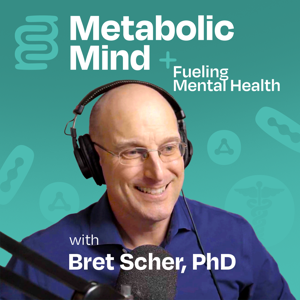

A new study suggests that eating more eggs may be linked to a lower risk of dementia. But what does the research actually show?
Dr. Bret Scher breaks down the headlines, the limitations of observational nutrition research, and the surprisingly important detail hidden in the baseline data.
The people eating the fewest eggs entered the study with what many would consider “healthier” lifestyles:
👉 Lower BMI
👉 More exercise
👉 Less smoking
👉 Higher education levels
Yet they showed worse dementia outcomes than the highest egg consumers.
That doesn’t prove eggs prevent dementia. But it does challenge the long-standing narrative that eggs are harmful, especially when the bias in the study appeared to work against egg consumption from the start.
Dr. Scher also explores:
🥚 Why observational nutrition studies can be misleading
🥚 The concept of “healthy user bias”
🥚 Why dietary cholesterol and heart disease risk are not the same thing
🥚 The nutrient density of eggs, including protein, choline, and healthy fats
🥚 Why the decades-long fear of eggs may not hold up under scrutiny
This conversation is a reminder that nutrition science is often more nuanced than headlines make it seem, and why context matters when interpreting research.
🔎 Have questions about how to apply metabolic therapies effectively? Submit them at metabolicmind.org/questions to be featured in a future Metabolic Mailbag episode.
#MetabolicMind #FoodAsMedicine #NewStudy
Expert Featured:
Dr. Bret Scher
Resources Mentioned:
Egg Intake and the Incidence of Alzheimer’s Disease in the Adventist Health Study-2 Cohort Linked with Medicare Data
Free CME Clinician Trainings:
Are you a clinician who would like to learn more about the science behind these therapies and how to implement them in practice? Earn CME with our growing library of courses from some of the top experts in the field including Dr. Chris Palmer, Dr. Georgia Ede, Dr. Matthew Bernstein, Dr. Mariela Glandt, Dr. Deanna Kelly, Dr. Julie Milder, Dr. Zoltan Sarnyai, and Dr. Bret Scher with more coming soon.
Our courses have been made FREE by grants from Baszucki Group, so we can spread these powerful therapies as widely as possible. Earn CME/CNE credits: https://www.metabolicmind.org/for-clinicians/trainings-courses/?utm_medium=organic-social&utm_source=youtube&utm_campaign=cme-yt
Follow our channel for more information and education from Bret Scher, MD, FACC, including interviews with leading experts in Metabolic Psychiatry.
Learn more about metabolic psychiatry and find helpful resources at https://metabolicmind.org/
About us:
Metabolic Mind is a non-profit initiative of Baszucki Group working to transform the study and treatment of mental disorders by exploring the connection between metabolism and brain health. We leverage the science of metabolic psychiatry and personal stories to offer education, community, and hope to people struggling with mental health challenges and those who care for them.
Our channel is for informational purposes only. We are not providing individual or group medical or healthcare advice nor establishing a provider-patient relationship. Many of the interventions we discuss can have dramatic or potentially dangerous effects if done without proper supervision. Consult your healthcare provider before changing your lifestyle or medications.
 View all episodes
 By Bret Scher

4.8
6868 ratings
A new study suggests that eating more eggs may be linked to a lower risk of dementia. But what does the research actually show?
Dr. Bret Scher breaks down the headlines, the limitations of observational nutrition research, and the surprisingly important detail hidden in the baseline data.
The people eating the fewest eggs entered the study with what many would consider “healthier” lifestyles:
👉 Lower BMI
👉 More exercise
👉 Less smoking
👉 Higher education levels
Yet they showed worse dementia outcomes than the highest egg consumers.
That doesn’t prove eggs prevent dementia. But it does challenge the long-standing narrative that eggs are harmful, especially when the bias in the study appeared to work against egg consumption from the start.
Dr. Scher also explores:
🥚 Why observational nutrition studies can be misleading
🥚 The concept of “healthy user bias”
🥚 Why dietary cholesterol and heart disease risk are not the same thing
🥚 The nutrient density of eggs, including protein, choline, and healthy fats
🥚 Why the decades-long fear of eggs may not hold up under scrutiny
This conversation is a reminder that nutrition science is often more nuanced than headlines make it seem, and why context matters when interpreting research.
🔎 Have questions about how to apply metabolic therapies effectively? Submit them at metabolicmind.org/questions to be featured in a future Metabolic Mailbag episode.
#MetabolicMind #FoodAsMedicine #NewStudy
Expert Featured:
Dr. Bret Scher
Resources Mentioned:
Egg Intake and the Incidence of Alzheimer’s Disease in the Adventist Health Study-2 Cohort Linked with Medicare Data
Free CME Clinician Trainings:
Are you a clinician who would like to learn more about the science behind these therapies and how to implement them in practice? Earn CME with our growing library of courses from some of the top experts in the field including Dr. Chris Palmer, Dr. Georgia Ede, Dr. Matthew Bernstein, Dr. Mariela Glandt, Dr. Deanna Kelly, Dr. Julie Milder, Dr. Zoltan Sarnyai, and Dr. Bret Scher with more coming soon.
Our courses have been made FREE by grants from Baszucki Group, so we can spread these powerful therapies as widely as possible. Earn CME/CNE credits: https://www.metabolicmind.org/for-clinicians/trainings-courses/?utm_medium=organic-social&utm_source=youtube&utm_campaign=cme-yt
Follow our channel for more information and education from Bret Scher, MD, FACC, including interviews with leading experts in Metabolic Psychiatry.
Learn more about metabolic psychiatry and find helpful resources at https://metabolicmind.org/
About us:
Metabolic Mind is a non-profit initiative of Baszucki Group working to transform the study and treatment of mental disorders by exploring the connection between metabolism and brain health. We leverage the science of metabolic psychiatry and personal stories to offer education, community, and hope to people struggling with mental health challenges and those who care for them.
Our channel is for informational purposes only. We are not providing individual or group medical or healthcare advice nor establishing a provider-patient relationship. Many of the interventions we discuss can have dramatic or potentially dangerous effects if done without proper supervision. Consult your healthcare provider before changing your lifestyle or medications.
1,544 Listeners
9,256 Listeners
874 Listeners
1,119 Listeners
1,091 Listeners

456 Listeners
456 Listeners
237 Listeners
177 Listeners
595 Listeners
180 Listeners
165 Listeners
1,226 Listeners
112 Listeners
216 Listeners