
Sign up to save your podcasts
Or

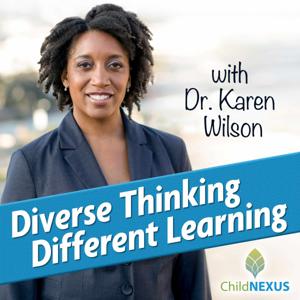

Dr. Karen Wilson continues the Summer Solo Series to address assessments and how they can be informative yet also have their fair share of shortcomings. They can be life-changing but are often misunderstood, and Dr. Wilson unpacks what psychological and educational evaluations can actually tell us, where their limitations lie, and why they should be viewed as tools for understanding rather than crystal balls that predict a child's future.
Dr. Wilson explores why so many mental health and neurodevelopmental diagnoses rely on behavioral patterns instead of definitive medical tests and how factors such as environment, development, stress, culture, and masking can influence what an assessment does or doesn't tell us. Along the way, she also shares why some children, particularly girls, gifted students, twice-exceptional learners, and others who compensate well, can appear to be thriving while masking their challenges.
The episode also examines why assessment results are not fixed for life. Children grow, demands change, coping strategies evolve, and new challenges or strengths can emerge over time. Dr. Wilson talks about why not meeting full diagnostic criteria doesn't necessarily mean everything is fine, how early signs can still guide meaningful support, and why effective interventions can affect a child's profile in positive ways.
Perhaps most importantly, Dr. Wilson talks about why a thoughtful evaluation should never reduce a child to a diagnosis, test score, or a list of weaknesses. A comprehensive assessment recognizes not only challenges but also strengths, helping families, educators, and clinicians better understand how a child learns, copes, and experiences the world. Labels can open doors to support, but they should never define a child's potential or worth.
Whether you're considering an evaluation, making sense of a recent diagnosis, or simply curious about how assessments work, this episode of the show offers practical context, reassurance, and a reminder that every child is far more complex and far more capable than any assessment could ever fully capture!
Show Notes: [1:01] - Today's Summer Solo Series episode covers assessments. [4:03] - Some children mask significant struggles, making assessments less likely to be accurate. [6:37] - Strong coping skills can delay diagnoses until life's demands outgrow a child's strategies. [9:29] - Assessment results evolve as children develop, circumstances shift, and support changes outcomes. [11:52] - Effective evaluations identify strengths as well as vulnerabilities. [14:03] - Rather than defining limitations, assessments provide a fuller picture of a child's unique profile. [16:16] - Ultimately, thoughtful assessments can lead to understanding without reducing children to diagnoses or numbers.
Links and Related Resources:
Episode 205: Understanding ADHD Assessments
Episode 214: Private Neuropsychological Evaluation vs. School Evaluation
Episode 226: Is It Autism? Recognizing, Assessing & Support Children and Teens with Dr. Chandni Singh
Episode 259: Autism and ADHD: Masking the Signs & Hidden Costs with Dr. Deanna Dow
Child & Adolescent Assessments in Los Angeles
Child & Adolescent Assessments in Ontario, Canada: [email protected]
More Podcast Episodes
Connect with Us:
Join Our Substack Community
Email Dr. Wilson: [email protected]
 View all episodes
 By Dr. Karen Wilson
5
4646 ratings
Dr. Karen Wilson continues the Summer Solo Series to address assessments and how they can be informative yet also have their fair share of shortcomings. They can be life-changing but are often misunderstood, and Dr. Wilson unpacks what psychological and educational evaluations can actually tell us, where their limitations lie, and why they should be viewed as tools for understanding rather than crystal balls that predict a child's future.
Dr. Wilson explores why so many mental health and neurodevelopmental diagnoses rely on behavioral patterns instead of definitive medical tests and how factors such as environment, development, stress, culture, and masking can influence what an assessment does or doesn't tell us. Along the way, she also shares why some children, particularly girls, gifted students, twice-exceptional learners, and others who compensate well, can appear to be thriving while masking their challenges.
The episode also examines why assessment results are not fixed for life. Children grow, demands change, coping strategies evolve, and new challenges or strengths can emerge over time. Dr. Wilson talks about why not meeting full diagnostic criteria doesn't necessarily mean everything is fine, how early signs can still guide meaningful support, and why effective interventions can affect a child's profile in positive ways.
Perhaps most importantly, Dr. Wilson talks about why a thoughtful evaluation should never reduce a child to a diagnosis, test score, or a list of weaknesses. A comprehensive assessment recognizes not only challenges but also strengths, helping families, educators, and clinicians better understand how a child learns, copes, and experiences the world. Labels can open doors to support, but they should never define a child's potential or worth.
Whether you're considering an evaluation, making sense of a recent diagnosis, or simply curious about how assessments work, this episode of the show offers practical context, reassurance, and a reminder that every child is far more complex and far more capable than any assessment could ever fully capture!
Show Notes: [1:01] - Today's Summer Solo Series episode covers assessments. [4:03] - Some children mask significant struggles, making assessments less likely to be accurate. [6:37] - Strong coping skills can delay diagnoses until life's demands outgrow a child's strategies. [9:29] - Assessment results evolve as children develop, circumstances shift, and support changes outcomes. [11:52] - Effective evaluations identify strengths as well as vulnerabilities. [14:03] - Rather than defining limitations, assessments provide a fuller picture of a child's unique profile. [16:16] - Ultimately, thoughtful assessments can lead to understanding without reducing children to diagnoses or numbers.
Links and Related Resources:
Episode 205: Understanding ADHD Assessments
Episode 214: Private Neuropsychological Evaluation vs. School Evaluation
Episode 226: Is It Autism? Recognizing, Assessing & Support Children and Teens with Dr. Chandni Singh
Episode 259: Autism and ADHD: Masking the Signs & Hidden Costs with Dr. Deanna Dow
Child & Adolescent Assessments in Los Angeles
Child & Adolescent Assessments in Ontario, Canada: [email protected]
More Podcast Episodes
Connect with Us:
Join Our Substack Community
Email Dr. Wilson: [email protected]

43,898 Listeners

43,528 Listeners

960 Listeners

111,948 Listeners

350 Listeners

8,748 Listeners
420 Listeners
437 Listeners

5,866 Listeners

1,888 Listeners
14,404 Listeners
4,480 Listeners