
Sign up to save your podcasts
Or

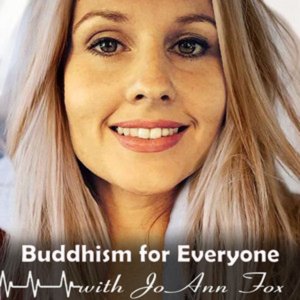

Moral discipline is the foundation of the spiritual path in Buddhism. Virtue means something that creates happiness or inner peace (good karma). When we determine that an action is virtuous or non-virtuous, it doesn't imply judgment or that a person is good or bad, but rather that the action will either bring happiness or suffering in the future. Virtue creates the experience of freedom from guilt, and this helps us continue to develop spiritually through joy and confidence toward inner peace, wisdom, and liberation.
Non-virtuous actions of body include killing, stealing and sexual misconduct. These also form the first three of the Pratimoksha Vows, vows taken by lay followers of Buddha (those who are not monks or nuns). Monks and nuns have lots more vows to take! A virtuous life is not a set of rules or a burdensome duty. A virtuous life is a source of happiness, and the sacrifice of non-virtuous pleasures enables us to experience more satisfying ones.
The Pratimoksha Vows
Whether an action is virtuous or non-virtuous depends on a combination of:
"Since the self of others is dear to each one, let him who loves himself not harm another" —Buddha
Guard against anger erupting in your body;
Be restrained with your body.
Letting go of bodily misconduct
Practice good conduct with your body.
—Buddha, The Dhammapada
Links and References
Buddha.The Dhammapada. Translated by Gil Fronsdale. Shambala, Boston and London, 2011, pp.60.
Je Tsongkhapa. Great Treatise on the Stages of the Path to Enlightenment,, Volume 1. Pages 218-220. Translated by the Lamrim Chenmo Translation Committee. Joshua Cutler, Editor-in-Chief, and Guy Newlan, Editor.
 View all episodes
 By JoAnn Fox: Buddhist Teacher

4.9
192192 ratings
Moral discipline is the foundation of the spiritual path in Buddhism. Virtue means something that creates happiness or inner peace (good karma). When we determine that an action is virtuous or non-virtuous, it doesn't imply judgment or that a person is good or bad, but rather that the action will either bring happiness or suffering in the future. Virtue creates the experience of freedom from guilt, and this helps us continue to develop spiritually through joy and confidence toward inner peace, wisdom, and liberation.
Non-virtuous actions of body include killing, stealing and sexual misconduct. These also form the first three of the Pratimoksha Vows, vows taken by lay followers of Buddha (those who are not monks or nuns). Monks and nuns have lots more vows to take! A virtuous life is not a set of rules or a burdensome duty. A virtuous life is a source of happiness, and the sacrifice of non-virtuous pleasures enables us to experience more satisfying ones.
The Pratimoksha Vows
Whether an action is virtuous or non-virtuous depends on a combination of:
"Since the self of others is dear to each one, let him who loves himself not harm another" —Buddha
Guard against anger erupting in your body;
Be restrained with your body.
Letting go of bodily misconduct
Practice good conduct with your body.
—Buddha, The Dhammapada
Links and References
Buddha.The Dhammapada. Translated by Gil Fronsdale. Shambala, Boston and London, 2011, pp.60.
Je Tsongkhapa. Great Treatise on the Stages of the Path to Enlightenment,, Volume 1. Pages 218-220. Translated by the Lamrim Chenmo Translation Committee. Joshua Cutler, Editor-in-Chief, and Guy Newlan, Editor.

2,553 Listeners
2,647 Listeners
851 Listeners

3,375 Listeners
639 Listeners

12,730 Listeners

8,876 Listeners

3,903 Listeners

3,470 Listeners

27,584 Listeners
3,754 Listeners

2,131 Listeners

461 Listeners

20,222 Listeners

10,883 Listeners