
Sign up to save your podcasts
Or

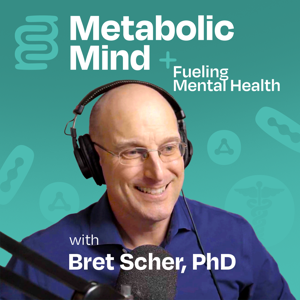

A recent report highlighted a surprising trend: individuals using GLP-1 medications such as Ozempic and Wegovy may be facing even more social stigma than those who remain overweight. And while neither deserves any stigma at all, it raises an important question about how we judge health choices in modern medicine.
In this conversation, Dr. Bret Scher reflects on whether his own critiques of GLP-1 medications stem from bias against the individuals using them. His conclusion is clear: the issue is not the patient, but the system surrounding care.
While GLP-1 receptor agonists can be powerful tools for weight loss and metabolic improvement, Dr. Scher emphasizes a deeper concern: the growing tendency toward a “drug-first” model that may overlook foundational lifestyle and metabolic interventions such as nutrition quality, protein intake, resistance training, and long-term behavior change.
Key themes discussed:
This conversation also highlights the complexity of long-term care. While some individuals may benefit significantly from GLP-1 medications, sustainable metabolic health ideally integrates medical tools with lifestyle-based strategies that support long-term resilience.
🔎 Have questions about how to apply metabolic therapies effectively? Submit them at metabolicmind.org/questions to be featured in a future Metabolic Mailbag episode.
#MetabolicMind #KetogenicTherapy #FoodAsMedicine
Expert Featured:
Dr. Bret Scher
Free CME Clinician Trainings:
Are you a clinician who would like to learn more about the science behind these therapies and how to implement them in practice? Earn CME with our growing library of courses from some of the top experts in the field including Dr. Chris Palmer, Dr. Georgia Ede, Dr. Matthew Bernstein, Dr. Mariela Glandt, Dr. Deanna Kelly, Dr. Julie Milder, Dr. Zoltan Sarnyai, and Dr. Bret Scher with more coming soon.
Our courses have been made FREE by grants from Baszucki Group, so we can spread these powerful therapies as widely as possible. Earn CME/CNE credits: https://www.metabolicmind.org/for-clinicians/trainings-courses/?utm_medium=organic-social&utm_source=youtube&utm_campaign=cme-yt
Follow our channel for more information and education from Bret Scher, MD, FACC, including interviews with leading experts in Metabolic Psychiatry.
Learn more about metabolic psychiatry and find helpful resources at https://metabolicmind.org/
About us:
Metabolic Mind is a non-profit initiative of Baszucki Group working to transform the study and treatment of mental disorders by exploring the connection between metabolism and brain health. We leverage the science of metabolic psychiatry and personal stories to offer education, community, and hope to people struggling with mental health challenges and those who care for them.
Our channel is for informational purposes only. We are not providing individual or group medical or healthcare advice nor establishing a provider-patient relationship. Many of the interventions we discuss can have dramatic or potentially dangerous effects if done without proper supervision. Consult your healthcare provider before changing your lifestyle or medications.
 View all episodes
 By Bret Scher

4.8
6868 ratings
A recent report highlighted a surprising trend: individuals using GLP-1 medications such as Ozempic and Wegovy may be facing even more social stigma than those who remain overweight. And while neither deserves any stigma at all, it raises an important question about how we judge health choices in modern medicine.
In this conversation, Dr. Bret Scher reflects on whether his own critiques of GLP-1 medications stem from bias against the individuals using them. His conclusion is clear: the issue is not the patient, but the system surrounding care.
While GLP-1 receptor agonists can be powerful tools for weight loss and metabolic improvement, Dr. Scher emphasizes a deeper concern: the growing tendency toward a “drug-first” model that may overlook foundational lifestyle and metabolic interventions such as nutrition quality, protein intake, resistance training, and long-term behavior change.
Key themes discussed:
This conversation also highlights the complexity of long-term care. While some individuals may benefit significantly from GLP-1 medications, sustainable metabolic health ideally integrates medical tools with lifestyle-based strategies that support long-term resilience.
🔎 Have questions about how to apply metabolic therapies effectively? Submit them at metabolicmind.org/questions to be featured in a future Metabolic Mailbag episode.
#MetabolicMind #KetogenicTherapy #FoodAsMedicine
Expert Featured:
Dr. Bret Scher
Free CME Clinician Trainings:
Are you a clinician who would like to learn more about the science behind these therapies and how to implement them in practice? Earn CME with our growing library of courses from some of the top experts in the field including Dr. Chris Palmer, Dr. Georgia Ede, Dr. Matthew Bernstein, Dr. Mariela Glandt, Dr. Deanna Kelly, Dr. Julie Milder, Dr. Zoltan Sarnyai, and Dr. Bret Scher with more coming soon.
Our courses have been made FREE by grants from Baszucki Group, so we can spread these powerful therapies as widely as possible. Earn CME/CNE credits: https://www.metabolicmind.org/for-clinicians/trainings-courses/?utm_medium=organic-social&utm_source=youtube&utm_campaign=cme-yt
Follow our channel for more information and education from Bret Scher, MD, FACC, including interviews with leading experts in Metabolic Psychiatry.
Learn more about metabolic psychiatry and find helpful resources at https://metabolicmind.org/
About us:
Metabolic Mind is a non-profit initiative of Baszucki Group working to transform the study and treatment of mental disorders by exploring the connection between metabolism and brain health. We leverage the science of metabolic psychiatry and personal stories to offer education, community, and hope to people struggling with mental health challenges and those who care for them.
Our channel is for informational purposes only. We are not providing individual or group medical or healthcare advice nor establishing a provider-patient relationship. Many of the interventions we discuss can have dramatic or potentially dangerous effects if done without proper supervision. Consult your healthcare provider before changing your lifestyle or medications.

1,544 Listeners

9,256 Listeners

874 Listeners
1,119 Listeners

1,091 Listeners

456 Listeners

456 Listeners

237 Listeners

177 Listeners

595 Listeners

180 Listeners

165 Listeners

1,226 Listeners
112 Listeners

216 Listeners