
Sign up to save your podcasts
Or

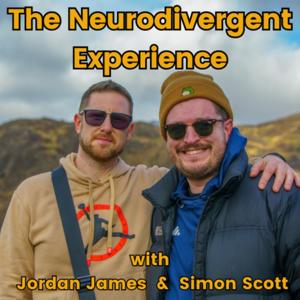

In this Hot Topic episode of The Neurodivergent Experience, Jordan James and Simon Scott respond to the controversial article “Uta Frith: why I no longer think autism is a spectrum.”
Reading and reacting to sections of the interview, they unpack the claims that rising autism diagnoses are a problem and that the label of autism should be restricted to those diagnosed in early childhood with more significant support needs.
They discuss how diagnostic frameworks like the DSM are still heavily based on studies of white boys, leaving many autistic women and late-identified people overlooked. The conversation explores the tension between scientific authority and lived experience — and why many autistic people feel that research about them is often conducted without their voices being heard.
They also reflect on how media narratives and policy discussions can influence public perception, particularly when rising diagnoses are framed as a “problem” rather than evidence that more people are finally being recognised and supported.
In this episode, they discuss:
A passionate discussion about autism research, representation, and the ongoing tension between scientific narratives and neurodivergent lived experience.
Our Sponsors:
🧘♀️ Ashley Dupuy – Integrative Coaching, Breathwork & Hypnotherapy
🔗 Stay Connected
❤️ Support the Show
If this episode resonated with you:
✅ Follow or Subscribe to The Neurodivergent Experience
⭐ Leave a quick review on Apple Podcasts or Spotify
🔔 Turn on notifications for new weekly episodes
Hosted on Acast. See acast.com/privacy for more information.
 View all episodes
 By Jordan James and Simon Scott
5
2525 ratings
In this Hot Topic episode of The Neurodivergent Experience, Jordan James and Simon Scott respond to the controversial article “Uta Frith: why I no longer think autism is a spectrum.”
Reading and reacting to sections of the interview, they unpack the claims that rising autism diagnoses are a problem and that the label of autism should be restricted to those diagnosed in early childhood with more significant support needs.
They discuss how diagnostic frameworks like the DSM are still heavily based on studies of white boys, leaving many autistic women and late-identified people overlooked. The conversation explores the tension between scientific authority and lived experience — and why many autistic people feel that research about them is often conducted without their voices being heard.
They also reflect on how media narratives and policy discussions can influence public perception, particularly when rising diagnoses are framed as a “problem” rather than evidence that more people are finally being recognised and supported.
In this episode, they discuss:
A passionate discussion about autism research, representation, and the ongoing tension between scientific narratives and neurodivergent lived experience.
Our Sponsors:
🧘♀️ Ashley Dupuy – Integrative Coaching, Breathwork & Hypnotherapy
🔗 Stay Connected
❤️ Support the Show
If this episode resonated with you:
✅ Follow or Subscribe to The Neurodivergent Experience
⭐ Leave a quick review on Apple Podcasts or Spotify
🔔 Turn on notifications for new weekly episodes
Hosted on Acast. See acast.com/privacy for more information.

3,767 Listeners
420 Listeners

942 Listeners

47 Listeners
715 Listeners
428 Listeners
309 Listeners
178 Listeners
290 Listeners
51 Listeners

596 Listeners
111 Listeners
26 Listeners

283 Listeners