
Sign up to save your podcasts
Or



Send us Fan Mail
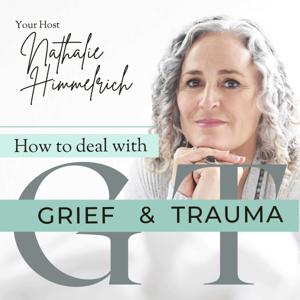
HOW TO DEAL WITH GRIEF AND TRAUMA is completely self-funded, produced, and edited by me, Nathalie Himmelrich.
Consider making a small donation to support the Podcast: bit.ly/SupportGTPodcast. Thank you!
For more information, please visit Nathalie’s website, join the podcast’s Instagram page, and subscribe to the newsletter to receive updates on future episodes here.
About this week’s episodeI came across Stephen and his film Life With Ghosts as part of a newsletter that a friend had forwarded me. I was so intrigued by the story behind the film that I decided to watch the film and listen to a panel discussion between key players in and around the documentary. You can go and watch it on the link provided in the show notes by offering your support in the form of a donation. Life With Ghosts has not yet officially been released. It’s been selected to broadcast on PBS, and for that to happen, they need to make a 56-minute version, which is why they are raising money via private screenings.
There is also a free short film version containing the basic information about the film’s featured therapy, Induced After-Death Communication. The film company believes it’s important to make this information available to everyone, regardless of their financial status.
About this week’s guestStephen Z. Berkley is a writer, director, and producer. Stephen has worked in multiple capacities in the entertainment/media industry for over 30 years. He’s done everything from writing promotional copy at MTV Channel to drafting talent agreements for television legend Aaron Spelling. His most recent endeavor is the production of a documentary film entitled Life With Ghosts, written and directed with Christopher Seward of Fahrenheit 911 fame. The idea for a ghost story came unexpectantly with the death of Stephen’s father when shortly afterwards, his mother began reporting interactions with whom she believed to be his father’s ghost — a real-life Mrs. Muir situation. The film won multiple awards in the film festival circuit including Best Documentary. The final product is a seven-year investigation into the nature of true love and the science behind after-death communication.
· Website: www.lifewithghosts.com
Resources mentioned in this episode:· Ruth Montgomery: A Search for the Truth
Thank you for listening!HOW TO DEAL WITH GRIEF AND TRAUMA is produced and edited by me, Nathalie Himmelrich.
Support the show
💡 If today’s episode touched you, please share it with someone who might need it.
🤝 Become a supporter of the show! Starting at $3/month & leave a review.
Stay Connected
Find Support Resources
Send us Fan Mail
HOW TO DEAL WITH GRIEF AND TRAUMA is completely self-funded, produced, and edited by me, Nathalie Himmelrich.
Consider making a small donation to support the Podcast: bit.ly/SupportGTPodcast. Thank you!
For more information, please visit Nathalie’s website, join the podcast’s Instagram page, and subscribe to the newsletter to receive updates on future episodes here.
About this week’s episodeJulia Samuel has such vast knowledge in the realm of grief that I feel incredibly lucky to have her as a guest on the podcast. The understanding she can share from her over 30 years of experience is exceptional.
I’m sure that you will enjoy and learn a lot from today’s episode.
About this week’s guestJulia was Psychotherapist for Paediatrics at St Mary's Hospital Paddington, the post she established in 1992, where her role for 25 years involved seeing families who have children or babies who die, and where she trained and supported the staff. In 1994 she worked to help launch and establish The Child Bereavement Charity, and as the Founder Patron was involved in many aspects of the charity's work, having a key role in fundraising, strategy, and training for 25 years.
In 2016 Julia was awarded an MBE in recognition of her services to bereaved children and in 2017 Middlesex University awarded her an Honorary Doctorate. Later, Julia published her three books Grief Works, This Too Shall Pass, and Every Family Has a Story which all became Sunday Times bestsellers.
Most recently, Julia produced the Grief Works app and released her new podcast Therapy Works. She also has a private practice where she sees families and individuals.
I recommend you head over to the podcast website to find the gift for today’s episode filled with Julia’s wisdom and make sure to check out all the links in the show notes.
HOW TO DEAL WITH GRIEF AND TRAUMA is produced and edited by me, Nathalie Himmelrich.
Support the show
💡 If today’s episode touched you, please share it with someone who might need it.
🤝 Become a supporter of the show! Starting at $3/month & leave a review.
Stay Connected
Find Support Resources
Send us Fan Mail
HOW TO DEAL WITH GRIEF AND TRAUMA is completely self-funded, produced, and edited by me, Nathalie Himmelrich.
Consider making a small donation to support the Podcast: bit.ly/SupportGTPodcast. Thank you!
For more information, please visit Nathalie’s website, join the podcast’s Instagram page, and subscribe to the newsletter to receive updates on future episodes here.
About this week’s episodeCharlene impressed me through the creativity with which she dealt with the sudden loss of her mother. She used her professional background as a curator and brought it with her when she took the time to empty the dream house her mother spent the last years of her life. Charlene describes the process of carefully honoring and making decisions about physical objects holding memories and deciding how she wanted to remember her mother and supports others to do the same.
About this week’s guestCharlene Lam is a certified grief coach, speaker, and the founder of The Grief Gallery. After her mother died suddenly in 2013, Charlene leaned into her creativity and curatorial instincts to guide herself through grief. Since then, she’s curated and presented multiple exhibitions featuring the belongings of loved ones lost at international events in New York City, Los Angeles, Toronto, and London. Charlene believes we are ALL curators after a loved one dies, and developed her Curating Grief coaching framework to help people process grief in a creative, accessible way. She speaks about the power of creativity and storytelling for healthy grieving and post-traumatic growth. Originally from NYC, she's currently based in Lisbon, Portugal.
HOW TO DEAL WITH GRIEF AND TRAUMA is produced and edited by me, Nathalie Himmelrich.
Support the show
💡 If today’s episode touched you, please share it with someone who might need it.
🤝 Become a supporter of the show! Starting at $3/month & leave a review.
Stay Connected
Find Support Resources
Send us Fan Mail
HOW TO DEAL WITH GRIEF AND TRAUMA is completely self-funded, produced, and edited by me, Nathalie Himmelrich.
Consider making a small donation to support the Podcast: bit.ly/SupportGTPodcast. Thank you!
For more information, please visit Nathalie’s website, join the podcast’s Instagram page, and subscribe to the newsletter to receive updates on future episodes here.
About this week’s episodeLike Reid and Jon in the previous two episodes, Heidi has turned dealing with the loss, in her case the loss of her brother at a young age into purpose-driven work to support others. Heidi and her mother have created this amazing hub in the form of the Open to Hope Foundation, which has offered support in various ways for the past 20 years. Even before podcasts were a thing, they offered regular support through Open to Hope radio and TV shows. What this mother-daughter combo has created is a beautiful legacy of support in honor of their brother and son. Make sure to check it out!
About this week’s guestDr. Heidi Horsley is a licensed psychologist, social worker, and bereaved sibling. She is the Executive Director of the Open to Hope Foundation and co-hosts the award-winning weekly cable television show and podcast, Open to Hope. Dr. Heidi is an Adjunct Professor at Columbia University, an award-winning author, and has a private practice in NYC. She has co-authored eight books and has been interviewed on numerous television and radio shows, including 20/20. She serves on the Advisory Boards for the Tragedy Assistance Program for Survivors of military loss (TAPS), the Elisabeth Kubler-Ross Foundation, and Peace of Mind Afghanistan (POMA). In addition, for 10 years she worked for the FDNY-Columbia University Family Guidance Program, helping families of firefighters killed in the 9/11 World Trade Center attacks. Her psychology doctoral dissertation was on the sudden death of a sibling.
HOW TO DEAL WITH GRIEF AND TRAUMA is produced and edited by me, Nathalie Himmelrich.
Support the show
💡 If today’s episode touched you, please share it with someone who might need it.
🤝 Become a supporter of the show! Starting at $3/month & leave a review.
Stay Connected
Find Support Resources
Send us Fan Mail
HOW TO DEAL WITH GRIEF AND TRAUMA is completely self-funded, produced, and edited by me, Nathalie Himmelrich.
Consider making a small donation to support the Podcast: bit.ly/SupportGTPodcast. Thank you!
For more information, please visit Nathalie’s website, join the podcast’s Instagram page, and subscribe to the newsletter to receive updates on future episodes here.
About this week’s episodeJon has blown me away from the moment we met and when he shared about what he was involved in:- For Grief.com - A resource hub for grievers to find what they individually need with their specific kind of grief. This was so meaningful to me as it was so much like the mission held in 2015, just before I was dealing with my first burnout, where I had envisaged the idea of creating a Google for grievers. Hearing Jon giving life to a vision I had in my mind was so touching. As mentioned last week I’m excited to speak to yet another man on the podcast and today we’ll find out from Jon how he turned his experience with the early death of his father into offering support through his purpose-driven work.
About this week’s guestAfter experiencing the passing of his father, Jon took a leap of faith to join the funeral profession in 2011. Since then, he has been dedicated to developing solutions that help families plan funerals in advance and offering support for people who are grieving the loss of loved ones. These efforts continue to grow through For Grief, as more people benefit from the support they need to experience comfort, connections, and peace as part of their journey. Jon lives in Utah with his wife and children.
HOW TO DEAL WITH GRIEF AND TRAUMA is produced and edited by me, Nathalie Himmelrich.
Support the show
💡 If today’s episode touched you, please share it with someone who might need it.
🤝 Become a supporter of the show! Starting at $3/month & leave a review.
Stay Connected
Find Support Resources
Send us Fan Mail
HOW TO DEAL WITH GRIEF AND TRAUMA is completely self-funded, produced, and edited by me, Nathalie Himmelrich.
Consider making a small donation to support the Podcast: bit.ly/SupportGTPodcast. Thank you!
For more information, please visit Nathalie’s website, join the podcast’s Instagram page, and subscribe to the newsletter to receive updates on future episodes here.
I’m so glad that my next two guests on the podcast are men. Both are speaking about father loss, and both have created purpose-driven businesses after those losses supporting others. Reid experienced the loss of his father who died from suicide. Having experienced the loss of a significant male person in his life, Reid thought he knew how to handle this grief, when a few years later his stepfather died from cancer, but he had to experience it all again in a new and unexpected way. Why did he experience those two losses so differently? Find out from Reid telling his story. As this week’s podcast gift Reid offers one of the meditations that can also be received through his Grief Refuge App. Go to the podcast gift page on my website and enter the number of the episode in a word and you will receive the gift now.
About this week’s guestReid Peterson is a grief companion and educator whose mission is to help people find peace and purpose after loss. He is the founder of Grief Refuge and the creator of the Grief Refuge app.
HOW TO DEAL WITH GRIEF AND TRAUMA is produced and edited by me, Nathalie Himmelrich.
Support the show
💡 If today’s episode touched you, please share it with someone who might need it.
🤝 Become a supporter of the show! Starting at $3/month & leave a review.
Stay Connected
Find Support Resources
Send us Fan Mail
HOW TO DEAL WITH GRIEF AND TRAUMA is completely self-funded, produced, and edited by me, Nathalie Himmelrich.
Consider making a small donation to support the Podcast: bit.ly/SupportGTPodcast. Thank you!
For more information, please visit Nathalie’s website, join the podcast’s Instagram page, and subscribe to the newsletter to receive updates on future episodes here.
About this week’s episodeKelly and her family went through different losses. Her daughter Adelaide whom she cared for while she lived a medically complex life died as a young child. Kelly and I talk about the complex topic of making a decision to take your child off life support and when to do this. She shares how she dealt with her grief at the time COVID came around, which kept her locked in and separate from her surroundings.
Hearing Joe Biden’s words: ‘To heal we must remember’ had a big impact on her grieving journey towards accepting her grief instead of fighting against it, and allowing herself to move forward by remembering.
Kelly Cervantes is an award-winning writer, speaker, and advocate best known for her blog Inchstones, where she shared the stress, love, and joy that came with parenting her medically complex daughter, Adelaide. Since Adelaide’s passing, Kelly has continued to write candidly about her arduous and, at times, contradictory grief journey.
She has been published in the Chicago Tribune, the Chicago Sun-Times, and Cosmopolitan, as well as quoted in the New York Times, CNN, and People. She is the current board chair for the nonprofit CURE Epilepsy and hosts their biweekly podcast, Seizing Life, where she interviews scientists, doctors, and individuals affected by epilepsy. Kelly currently resides in Maplewood, NJ, with her husband, Miguel Cervantes currently starring in Hamilton on Broadway, four children, and their two dogs, Tabasco and Sriracha.
Website: normalbroken.com
Instagram: @ kellygc411
Facebook: www.facebook.com/kellygc411
HOW TO DEAL WITH GRIEF AND TRAUMA is produced and edited by me, Nathalie Himmelrich.
Support the show
💡 If today’s episode touched you, please share it with someone who might need it.
🤝 Become a supporter of the show! Starting at $3/month & leave a review.
Stay Connected
Find Support Resources
Send us Fan Mail
HOW TO DEAL WITH GRIEF AND TRAUMA is completely self-funded, produced, and edited by me, Nathalie Himmelrich.
Consider making a small donation to support the Podcast: bit.ly/SupportGTPodcast. Thank you!
For more information, please visit Nathalie’s website, join the podcast’s Instagram page, and subscribe to the newsletter to receive updates on future episodes here.
About this week’s episodeMindy has experienced multiple forms of grief: loss of health (cancer), unexplained infertility, loss of friends through death or life transitions, and pet loss. Having specialized in pet loss, Mindy says as a society we just don’t have the rituals and the support to support those who lost a pet in the same way we do when we lose a human being. As a therapist, she focuses on supporting clients after pet loss and shares with us what she has learned from those people dealing with their losses.
About this week’s guestMindy Meiering, LCSW is a licensed therapist, certified coach, and mindfulness teacher who specializes in grief and loss. She began her career as a psychotherapist in 1995 and over the last three decades, she has supported countless individuals and families as they face serious illness, end-of-life issues, and other significant losses and life transitions. Despite her extensive experience with grief, she was blindsided by how devastated she felt after losing her first dog, Ellie. Her personal experience helped her understand how heartbreaking the loss of a pet can be and inspired her to become a Pet Loss & Grief Specialist and create the Rainbow Bridge Pet Loss Deck. She lives in Colorado with her husband and their two scruffy terriers, Izzy and Charlie.
Website: www.mindymeiering.com and www.rainbowbridgedeck.com
Instagram: @rainbowbridgedeck
HOW TO DEAL WITH GRIEF AND TRAUMA is produced and edited by me, Nathalie Himmelrich.
Support the show
💡 If today’s episode touched you, please share it with someone who might need it.
🤝 Become a supporter of the show! Starting at $3/month & leave a review.
Stay Connected
Find Support Resources
Send us Fan Mail
HOW TO DEAL WITH GRIEF AND TRAUMA is completely self-funded, produced, and edited by me, Nathalie Himmelrich.
Consider making a small donation to support the Podcast: bit.ly/SupportGTPodcast. Thank you!
For more information, please visit Nathalie’s website, join the podcast’s Instagram page, and subscribe to the newsletter to receive updates on future episodes here.
About this week’s episodeEmma lost her husband Barry through suicide. In the first part of the episode, Emma candidly shares how she dealt with his death while living in a foreign country, without any family around. She describes how people reacted to the suicide and stopped being in contact with her. Ten years after Barry’s death, attending their best friend’s funeral she reconnected with so many people and one after the other apologized for not knowing what to say or do. This meeting changed Emma’s life and led to the creation of Help Texts, which supports grievers after all kinds of losses. I’m not easily recommending grief resources, but I will absolutely put my hand up for this amazing support and have provided my expertise and the content of my grief books to be used in Help Texts. So I am a proud supporter – Go check out Help Text here: helptexts.com/griefandtrauma and get a discount if you’d like to sign up.
About this week’s guestEmma Payne is a seasoned technology entrepreneur and MIT graduate who started building online communities before Netscape was born. She is the founder and CEO of Help Texts, a game-changing SaaS, short for software as a service, business that delivers ongoing, accessible, expert grief and mental health support globally, via text message. Every single day, Emma combines her personal grief experience and her more than 25 years in the tech space to provide people with thoughtful, practical support that really works. Straight to their phones.
Website: helptexts.com
Instagram: @help.texts
Facebook: www.facebook.com/helptexts
LinkedIn: www.linkedin.com/company/helptexts
· Bridging the Grief Gap (The latest book by Nathalie Himmelrich)
Thank you for listening!HOW TO DEAL WITH GRIEF AND TRAUMA is produced and edited by me, Nathalie Himmelrich.
Support the show
💡 If today’s episode touched you, please share it with someone who might need it.
🤝 Become a supporter of the show! Starting at $3/month & leave a review.
Stay Connected
Find Support Resources
Send us Fan Mail
HOW TO DEAL WITH GRIEF AND TRAUMA is completely self-funded, produced, and edited by me, Nathalie Himmelrich.
Consider making a small donation to support the Podcast: bit.ly/SupportGTPodcast. Thank you!
For more information, please visit Nathalie’s website, join the podcast’s Instagram page, and subscribe to the newsletter to receive updates on future episodes here.
About this week’s episodeI met this week’s guest Julia through Instagram, where she candidly shares about stigmatized loss and widowhood. I felt intrigued by what and how Julia shares and clearly felt that we need to know and understand more about this topic. Her husband’s way of dying brings about people’s judgments and ideas, often without looking a bit deeper behind the veil. I invite you to be mindful of your thoughts and feelings and investigate your own assumptions when listening to today’s episode.
If you'd like to know more about stigmatized loss, go to the website and find the podcast gifts page. There you can download Julia’s e-book about the topic. Simply enter the podcast number – as in a word – where it asks you for the password.
About this week’s guestJulia became a widow on September 1, 2021, when her husband, Doug, succumbed to his lifelong battle with addiction and died of an accidental overdose. This left her a solo mom of two young boys, with a deeply unregulated nervous system, a burning desire to live life fully in his absence, and a passion to help many women just like her along the way by sharing her truth. She is deeply passionate about speaking about the intricate layers that come along with losing someone to addiction to help educate others and soften the stigma while providing a safe landing for those looking for support as they navigate stigmatized loss and widowhood.
As a trauma-informed yoga teacher with extensive training in guided meditation, energy work, yogic philosophy, as well as nervous system regulation and somatics, she helps her clients find healing by teaching them how to get in touch with their bodies, their emotions, and the felt sense through gentle somatic work and support.
Julia’s links:
HOW TO DEAL WITH GRIEF AND TRAUMA is produced and edited by me, Nathalie Himmelrich.
Support the show
💡 If today’s episode touched you, please share it with someone who might need it.
🤝 Become a supporter of the show! Starting at $3/month & leave a review.
Stay Connected
Find Support Resources
From the publisher's feed
You can't go through life without experiencing loss and trauma the question is how do we deal and live with the grief and pain? Join Nathalie Himmelrich, grief expert and author, talking to people…

90,968 Listeners

43,324 Listeners

310 Listeners
332 Listeners
195 Listeners

61,787 Listeners
2,112 Listeners

10,526 Listeners

19,270 Listeners
53 Listeners
40 Listeners

43 Listeners

8,469 Listeners

2 Listeners

2,215 Listeners