
Sign up to save your podcasts
Or

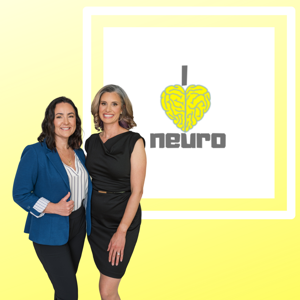


Do you like new, creative ideas? In this episode we're talking about why we're on a kick with resistance bands. Like a lot of equipment we use in neuro rehab it was first intended to be used in the fitness and general rehab population, and because neuro clinicians are crafty we found the uses far surpass strengthening isolated muscles. There are a lot of different types of resistance bands so we'll talk about some of our favorites. We'll also discuss different ways these can be used and how they improve movement and function. Resistance bands can be used for error augmentation which engages the cerebellum and leads to learning. They also offer a sensory component that improves movement and function by giving the person using it feedback. Bands can provide assistance for movement an individual may not be strong enough to do on their own allowing their brain to feel what that movement is like. Pick up some new ideas and incentives for using resistance bands in your sessions now!
Join us for a free webinar!
https://www.neurocollaborative.com/precision-therapy
Making every session as effective as possible is the goal of a good therapist. It's critical for helping patients recover function. Want to talk about the principles of neuroplasticity as they apply to occupational therapy? On today's show we'll discuss the first 5 principles from the Evidence-Based Review of Stroke Rehabilitation (EBRSR) 2018 update and provide examples of how to apply them in OT practice. Briana Elson, MS, OTR/L, BCPR, CBIS is an OT clinician and mentor at a top rehabilitation hospital with a goal of helping all OTs provide consistent high-level care no matter where they work or who they work with.
Principles discussed today:
Use it or lose it with prism glasses
Use it and improve it with bilateral arm training, CIMT, mirror therapy and mental practice
Specificity with task specific training using FES, PSFS and COPM
Repetition matters with EMG triggered NMES, amount of reps needed/time needed, and robotics
Intensity matters with VR training, HRR (75-85%), aerobic exercise, strength training, and dual task training
On today's show we interviewed Amanda Saylor and Becca Carr, aka @neuro_OTs on Instagram, about an exciting, relatively new piece of technology advancing outcomes for stroke survivors called Vivistim. This device is the first FDA approved implantable device for rehab for upper extremity recovery. It was approved in August 2021 and is being used in many cities across the US for people with chronic, ischemic stroke in addition to intensive therapy. In the show you'll learn:
The results of the randomize, placebo controlled triple blind study that paved the way for the FDA approval
How the device works
Who it's indicated for and who it is not approved for
How it's intended to be used (Hint: THERAPY must be involved) and what that looks like
Case study data
How people can get one
Is it approved by insurances and Medicare? (Spoiler: You'll be happy to hear it is!)
The improvements clients are making with the device are incredible! Clients who were slowing or halted in the progress of their upper limb function are making massive improvements in their functional movement with the implantable device paired with intensive occupational therapy. Learn more and spread the word so more people can benefit from the advancements in rehab.
Learn more: https://www.vivistim.com
ACRM_VivistimPoster
Lancet MicroTransponder
Follow @neuro_OTs and @yourotmentor on Instagram for more helpful tips!
On today's show we interviewed Dr. Nidhi Seth, PT, DPT, CCVT, CSRS. She is a Doctor of Physical Therapy with specialization in concussion, neurological and vestibular disorders. After earning her undergraduate degree in Physiotherapy from India, she then went on to pursue her Post-Professional Doctor of Physical Therapy (PP-DPT) at Loma Linda University in Southern California. Dr. Seth further completed extensive training and clinical certifications in neurologic and vestibular disorders as well as management of concussion. Her clinical experience spans 15+ years from academic centers to community hospitals, across both Asia and the United States. She's a licensed Physical Therapist in the states of California, Colorado and North Carolina. She's the CEO & Founder of NeuroBloom Physical Therapy & Wellness; started in the Bay Area, California and has now expanded to Raleigh, North Carolina. She has sought to teach DPT students across the country about the importance of Neuro-Vestibular Rehabilitation as an APTA Credentialed Clinical Instructor and adjunct faculty member with several prominent universities. She is also a faculty innovator & program coordinator at 360 NeuroGO where she teaches on multiple vestibular competencies.
In the show today we'll discuss why Nidhi decided to start her own business, why she chose to create a concierge model, how she expanded into 2 states, and what her schedule looks like as a business owner with 2 clinics plus teaching. Additionally we'll discuss the ways you can screen for post-stroke dizziness to determine whether the dizziness is central or peripheral. Nidhi will share the tests she performs, the questions you can ask your patients, and what to look out for depending on the location of the stroke.
You can learn more about Nidhi and find her course here: www.neurobloompt.com
Contact details:
+1 315-447-4590
9360 Falls of Neuse Rd., Ste. 105, Raleigh, NC 27615
Facebook: https://www.facebook.com/NeuroBloom-Physical-Therapy-Wellness-109063401512825
Instagram: https://www.instagram.com/neurobloompt/
LinkedIn: https://www.linkedin.com/company/75628658/admin/
X (Twitter): https://twitter.com/NeurobloomPT
If you're tired of the top-down approach or hierarchical model of delivering care and want to embrace more of a biopsychosocial model into your practice, this is a great episode for you! Erin interviews Kathleen Olsen, PT, MS, PCES, a physical therapist with over 17 years of experience treating pelvic health, neurologic and orthopedic conditions. In 2018, she became certified as a women's health coach from the Integrative Women's Health Institute. She's also a certified pregnancy and postpartum exercise specialist. In this episode we discuss what it looks like to approach your treatment and plan of care collaboratively with your patients and clients by incorporating principles learned in health coaching.
This can look like asking questions regarding the pillars of health in the initial assessment (and what those are). Asking readiness for change questions like, "Do you want to take action on any of these areas now? Do you need resources or support to do that?" And "What would wellness look like for you? What would living well look like for you?" in order to develop a better understanding of the goals. Inviting your patients to reflect on what they really want and all the aspects of their life can help them transform in ways you'd never be able to just tell them to do.
Another helpful way to motivate and educate patients is with the use of technology like self tracking devices. For example, the Oura ring, Whoop band, Garmin, Apple watch, Fitbit, etc. Among simple tracking like steps and HR, a person can do cycle tracking, sleep tracking, or HR variability tracking to see if they are recovering well.
Website:
https://northcountyinhomept.com/
IG:
@kathleenolsenpt
https://ouraring.com/product/rings/horizon
https://www.whoop.com/us/en/
As we approach the end of year / new year it's a great time to think about where you're going and where you've been. Follow along as we discuss what seeds we've sown over the past months, what we are celebrating, and what we are removing from our hypothetical gardens with Emily Duval Ledger, Neuro Biz coach. Erin is working to implement the Profit First formula into business and found a company that works as a fractional CFO (aka part time for different companies) for cash based medical companies owned by PTs, OTs, MDs, NDs, etc. Claire is working to implement support groups at Rogue and shares the disappointment of not being selected for a Parkinson Foundation grant. Emily is pausing on her goal of writing the business book she always wanted to have and shares her process for that.
Celebrating the fruits of your labor is always a MUST, so we also share our wins. How are you celebrating your harvest? Erin is celebrating the work put into building collaborative partnerships and how it is a win-win for all of us. Claire is celebrating a new funding collaboration, which may end up being even more abundant. She has partnered with a local non-profit so she can offer scholarships to Rogue members. Emily is celebrating the accomplishments of her coaching clients. Many initially came with specific issues and problems and now have crossed those bridges and are finding more stability and happiness in their businesses.
What are you removing from your life in the next year? Erin is a constant gardener who is always in weeding mode. Claire is building better boundaries around her time and energy. Emily is challenging and removing the limiting beliefs that keep her from growing the way she knows she's capable.
We'd love to hear your own reflections! We want to celebrate with you as well and hope you take the time to think about the past year and year ahead.
If you have a neuro business and want to join our NeuroBiz Besties free Slack group, fill out this form so we can learn more about you and see if it's a good fit!
Links mentioned in today's episode:
Every Single Bean
Episode 181: Profit First Discussion
Thank you for joining us today in a discussion about incorporating yoga into therapy! Erin interviewed Chandler Tyrrell, OTR/L, CSRS who practices in northern Virginia in both inpatient rehab and outpatient settings. She fell in love with yoga after her first class and knew she wanted to become certified. She also found a calling in occupational therapy and saw the benefit of having both specialties in her background to be extremely helpful for people with neurologic conditions. Chandler became certified with LoveYourBrain as well, a non-profit that works to improve the lives of people with brain injuries.
In today's show we discuss:
How Chandler uses both yoga and traditional OT treatments in her practice
Who benefits the most from having yoga as a part of their program and how to tell if they will
What LoveYourBrain is and what their yoga training was like
What challenges she faced when organizing group yoga classes at work in the neuro population (ie spinal precautions, flexibility limitations, mobility levels, impulse control, etc)
How she incorporates both yoga and intensity into her sessions to maximize outcomes and benefit
What some of the research is saying about using yoga with PT/OT and in which populations
How to get started with breathwork and yoga even if you aren't yoga certified with some simple things to try now
Follow Chandler on Instagram: @chanroegge
Feel free to DM her with any questions!
https://www.loveyourbrain.com/yoga
https://www.loveyourbrain.com/research
https://pubmed.ncbi.nlm.nih.gov/22836351/
https://pubmed.ncbi.nlm.nih.gov/24985393/
https://www.sciencedirect.com/science/article/abs/pii/S0965229914001502?via%3Dihub
https://pubmed.ncbi.nlm.nih.gov/16731221/
Insight timer: https://insighttimer.com
We have a special treat for you today! Erin interviewed Renee Hetzler, PT, DPT, NCS and Bernadette Cummings, OTR/L, ATP who both specialize in working with people with ALS to have a conversation about caring for individuals with ALS. There are do's and don'ts when working with this population and we wanted to bring it to you! If you're someone who doesn't see this population very often and you want to know what to focus on, the timeline of events you should be tuned into and how to prioritize your plan of care, this is the episode for you!
Some of the topics discussed include:
The types of ALS, initial symptoms, warnings signs and timeline
Outcome measures and assessments to consider
How to be prepared based on the timeline
How to have conversations with the patients and their families
Favorite equipment recommendations from PT and OT
Exercise recommendations
Resources for individuals with ALS and their families
ALS Association: https://www.als.org/
Team Gleason: https://teamgleason.org/
Muscular Dystrophy Association: https://www.mda.org/
I AM ALS: https://iamals.org/
Compassionate Care ALS: https://ccals.org/
https://shower-buddy.com/
https://razdesigninc.com/
https://www.fawssit.com/
https://www.etac.com/en-us/us/products/patient-handling/slings/molift-rgosling-toilet-highback/
https://www.performancehealth.com/air-soft-resting-hand-splint
https://www.performancehealth.com/rolyan-adjustable-wire-frame-cervical-collar#sin=35206
https://www.amazon.com/DRIVE-Rollator-Walker-Removable-Storage/dp/B07TCTBLD9/ref=cm_cr_arp_d_product_top?ie=UTF8
https://kineticresearch.com/product/the-noodle-classic-afo/
https://www.amazon.com/Medline-Lightweight-Transport-Wheelchair-Handbrakes/dp/B007WA1ZG4
And no need to take notes, we've got an info sheet with everything that was covered for you to download HERE
Vestibular screening and treatment doesn't have to be only for vestibular specialists! On today's show we interviewed Dr. Christina Garrity, PT, DPT, NCS about the gaps that exist in vestibular care. All humans have vestibular systems and they can be negatively impacted by neurologic diagnoses, but how do you know if they aren't reporting dizziness? How do you build treatments into your plan of care when you have so many other things to focus on for "non-vestibular patients" or when you don't have goggles? We tackle these issues and more to help the neurologic therapist understand why and how to implement easy ways to reduce client falls.
The other issue in working with people with vestibular conditions is that they are all so different and after you take the course you may not know how to problem solve through the case. Where can you get mentorship and what could it look like?
Christina believes therapists should integrate these pillars into any neuro client treatment plan of care: 1) Visual stabilization, 2) sensory integration, 3) habituation. Additionally, research shows that 25% of people could have BPPV even without the classic symptoms, so you should be screening for BPPV in anyone at a fall risk! Screening doesn't have to be complicated because you can do the modified side lying test vs the Dix-Hallpike.
Her go to screening tests for all balance clients are: HIT, modified side lying test, dynamic visual acuity, modified CTSIB, FGA.
Learn more about Christina:
Labyrinth Physical Therapy & Wellness www.LabyrinthPT.com
Instagram: @vestibular_neuro_pt
Website: www.LabyrinthPT.com and courses: https://labyrinthpt.com/courses
On today’s show Erin interviews Lynne Becker, MSPH, a biostatistician & epidemiologist with more than 25 years of experience in clinical trials about her platform, Power of Patients, which focuses on empowering patients and caregivers with a free personalized app to track their symptoms and triggers. Power of Patients uses a virtual dog, Sallie (modeled after a real therapy dog!) to help people with brain injuries easily track their symptoms and triggers, alert their medical team of changes, and provide them with suggested clinical trials that may be applicable. This program was born out of a desire to increase the amount of data providers have access to, to understand TBI better, and to establish more clinical research after both of her daughters experienced TBIs. Lynne began looking for clinical trials so her daughters could access evidence-based treatment approaches and found the options were lacking. One of the goals of Power of Patients is to expand upon research so that more trends can be understood and more people can be helped in real-time in a simple, fun way.
Anyone listening can see what Power of Patients has the potential to do for individuals and the healthcare system. Having this data warehouse and tracking system is transformational not only for those with TBI but also other conditions like long-haul Covid, MS, PD, stroke, etc. Check out this episode so you can share this amazing tool with your patients and colleagues!
IG @ powerofpatients
Overview of Sallie: https://youtu.be/J8ZTtsMRCvg
Website: https://www.powerofpatients.com/
Please email us at info@neurocollaborative if you’re interested in learning how to write up a case report!
From the publisher's feed
195 Listeners
109 Listeners
155 Listeners

111,874 Listeners

7,986 Listeners

46,926 Listeners
54 Listeners
37 Listeners

29,191 Listeners
23 Listeners