
Sign up to save your podcasts
Or

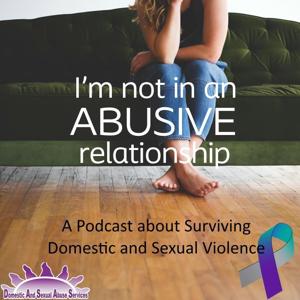


Sexual Assault Awareness Month 2020 begins with a Survivor Story. Hannah submitted her story to Domestic And Sexual Abuse Services and approved a reading of the story. Producer Dan Moyle reads the account. Interim Executive Director (who is also our Director of Advocacy Services) Deborah Hackworth and Sexual Assault Therapist Krista DeBoer discuss the story to help us find hope and insight.
Hannah's Story:
Did he always intend to go that far? Why me? Was I an easy target? Is it my fault? These questions no longer haunt me, but they still exist.
I was a 13 year old girl in seventh grade just trying to survive mean girls, figuring out my body, and thinking about boys. The usual 13 year old girl stuff. I remember feeling innocent amongst my friends. They all had siblings a few years older so they were all well versed in things 13 year olds should not be talking about. But there I was an insider yet still somehow an outsider. Seventh grade was going as normal as seventh grade could go until my friends cousin started to take notice of me. I was 13 and he was 19. He was a senior in high school and talked to his cousin at least once a week at school. I was with her the last time they had spoken in the halls and from that point on he acknowledged me.
It started with a quick hello or a wink as I walked by. I was 13 and a boy was being kind to me, I was flattered. He started to come into my classroom as the teacher’s assistant. His behavior became more flirtatious, he started hugging me and touching my arm or back if we walked by one another. I thought nothing of it other then I cannot believe this cute older guy is being so sweet to me.
I remember sitting in class when one of the guys in the 8 th grade came in. He walked right up to me and said, “I was just with BLANK and he said if you were older he would totally F you.” I honestly did not know what to say at that point. I was no longer flattered but my best friend was standing right next to me and bumped my side and smiled at me like I should be excited. It made me feel uncomfortable but I didn’t feel like I could say anything. I did think it was weird that he would say that and at that point I had never had sex; I had never done anything. I just moved on from that particular statement and pretended it did not happen plus what was anyone going to do about him saying it?
Things continued on. He continued to come into our gym time after lunch, taking pictures with me, flirting in the halls and so on. The end of the school year was nearing and he was getting ready to graduate. It was my friends birthday and she was having a party at her house. I figured he would be there just because of the family relation and because I might go. I knew my mom would never let me go because this particular friend had zero supervision at her house but I had planned to sneak out. I was honestly sick about the thought of doing that. I was not thinking about the consequences and I truly did not want to but I thought I was missing out on something.
The night came to my friend’s birthday party and of course my mom said no. My friend and I communicated to when and how he could come pick me up for the party. I put my pink princess robe over my clothes and waited until my parents were asleep. I heard him honk as he went by and I knew it was time to sneak out. I got out of the house easily and quickly. Again, I was literally sick. I threw up 3 times that night just because I was so nervous. We got to the party successfully and all I could do was sit there and act as though I was enjoying myself. The party was a party. I found out after getting there not only was this my friend’s birthday but it was also HIS birthday. Why he would want to spend his birthday with a bunch of 13 yr olds is beyond me, well it was until later. Most of our friends left and it was just me, him, and his cousin (my friend). We ended up leaving to go to his friend’s house for a little then coming back. She fell asleep on the couch and I was watching t.v. on the other couch. I could not sleep. I just wanted to go home; I knew I screwed up coming to the party.
He came from the hallway and gestured me to follow him. I was scared and nervous but I got up and followed him into my friend’s bedroom. I honestly did not know what was going to happen. I was 13. Fight, flight, or freeze. I froze. I cried. I did not move. I stared at the ceiling, unable to react to anything. Half way through the rape, tears streaming down my face, he said, “Are you okay?” ARE YOU SERIOUS?!?! I KNOW YOU CAN FEEL MY SHAKING BODY AND HEAR ME CRYING, YOU KNOW I AM NOT OKAY!!!! I don’t remember making it back to the couch but I did somehow. I fell asleep and woke up to my parents screaming at me because I had never come home and they figured out I had snuck out to my friend’s. I was grounded forever and they questioned him about why he would ever pick up a 13 yr old girl. They never called the police though. At the time I was glad but now I wish they would have.
After I returned to school everyone knew what happened and then I heard that he had told everyone we had sex. HE TOLD EVERYONE WE HAD SEX. CONSENSUAL SEX. It ruined my reputation. I was called every name in the book and everyone looked at me differently from that moment on.
For the next 7 years. Yes 7 years, I was suicidal, depressed, anxiety ridden, and I went from being a virgin to sleeping around. My ability to say no was taken away from me. I lost my voice. I started letting people walk all over me and using me. I was so angry and I could not express why. I became mean. I entered into a teen dating violence relationship that left me with a broken rib and heart thus creating in me more unhealthy habits. I had the most distorted view of what love was. I had no idea who I was and I didn’t know how to fix anything.
I did find healing, grace, forgiveness, and my voice. My healing started with forgiveness. I forgave him and all those that perpetuated his consensual sex story and I forgave myself. I know that my healing had to start with forgiveness. At some point I had to stop being what happened to me and blaming others for my choices. I had to let it all go so God could piece me back together and help me find my voice in a healthy way. I am still healing and I always will be but it is part of the process. What happened will never un-happen but it does not have to run my life.
I also forgave my parents. A part of me always blamed them because I thought they knew what happened but when I finally told my mom and dad at age 27 I realized through their brokenness that they truly had no idea. I had been holding resentment toward them for 14 years and I was freed from that 7 years after I started my healing process. As I stated before healing is a process.
Something I have to point out in all of this is the grooming. He groomed me from the moment he saw me to the night that it happened. He knew what he was doing and what the outcome would be for him. I used to blame myself for sneaking out that night and I questioned whether or not if he really knew what he had done. He did, he just did not care and it was not my fault. Also, I knew something was not right from the beginning but I ignored it. Even at 13 I knew it was wrong, trust that feeling when you get it. You are most likely right.
Again, please remember that healing is always possible, there is someone out there that cares deeply for you and your scars, and what happened to you is not your fault.
If you need resources or help in any way, call our 24 hour hotline at 800-828-2023 or visit www.DASASMI.org.
Subscribe for a new episode each week. We publish every Wednesday morning at 8:00am. Subscribe to the weekly email newsletter here or at our website here.
Please consider helping us reach more listeners by leaving a written review on Apple Podcasts or where you listen, and by sharing on social media.
While much of the world is staying home, domestic violence victims find themselves trapped with their abuser. While COVID19 and the current quarantine won't create abusers, it does exacerbate the potential abuse in domestic violence situations.
If you find yourself in need, call you local shelter or abuse hotline - DASAS is 1-800-828-2023.
Safety planning:
Safety During an Argument
Safety When Preparing to Leave
Safety in Your Own Home
Safety with a Restraining Order
Your Safety and Emotional Health
Checklist: What You Should Take When You Leave
Legal Papers
Other
Identification
Papers
Download a safety plan here.
If you need resources or help in any way, call our 24 hour hotline at 800-828-2023 or visit www.DASASMI.org.
Subscribe for a new episode each week. We publish every Wednesday morning at 8:00am. Subscribe to the weekly email newsletter here or at our website here.
Please consider helping us reach more listeners by leaving a written review on Apple Podcasts or where you listen, and by sharing on social media.
Rita O'Brien, a DASAS intern working on her Masters Degree in social work at Western Michigan University, joins Claudia to discuss what human trafficking is and how it impacts our community.
Human trafficking involves the use of force, fraud, or coercion to obtain some type of labor or commercial sex act. Every year, millions of men, women, and children are trafficked worldwide – including right here in the United States. It can happen in any community and victims can be any age, race, gender, or nationality. Traffickers might use violence, manipulation, or false promises of well-paying jobs or romantic relationships to lure victims into trafficking situations.
Language barriers, fear of their traffickers, and/or fear of law enforcement frequently keep victims from seeking help, making human trafficking a hidden crime.
If you need resources or help in any way, call our 24 hour hotline at 800-828-2023 or visit www.DASASMI.org.
Subscribe for a new episode each week. We publish every Wednesday morning at 8:00am. Subscribe to the weekly email newsletter here or at our website here.
Please consider helping us reach more listeners by leaving a written review on Apple Podcasts or where you listen, and by sharing on social media.
Pastor Jamey Smith of Riverside Church in Three Rivers, Michigan survived domestic abuse in his childhood. Today he helps others navigate this traumatic experience as a Pastor. When so many abusers twist scripture and church teachings, it can be a scary thing to approach a Pastor. But Jamey says the Bible is very clear: domestic abuse is not okay.
In this conversation, guest host Dan Moyle and Pastor Jamey Smith take on the ways in which perpetrators of violence twist scripture and unpack what God says about abuse and oppression.
If you need resources or help in any way, call our 24 hour hotline at 800-828-2023 or visit www.DASASMI.org.
Subscribe for a new episode each week. We publish every Wednesday morning at 8:00am. Subscribe to the weekly email newsletter here or at our website here.
Please consider helping us reach more listeners by leaving a written review on Apple Podcasts or where you listen, and by sharing on social media.
Survivors of abuse feel like they've lost their power. The DASAS panel discusses how abuse victims can take that power back.
If you need resources or help in any way, call our 24 hour hotline at 800-828-2023 or visit www.DASASMI.org.
Subscribe for a new episode each week. We publish every Wednesday morning at 8:00am. Subscribe to the weekly email newsletter here or at our website here.
Please consider helping us reach more listeners by leaving a written review on Apple Podcasts or where you listen, and by sharing on social media.
Claudia Pahls hosts a round table with Deborah Hackworth, Ellen Higgins and Rose Ludwick to discuss some of the ways abuse like domestic violence changes victims and survivors.
Here are some ways in which people can feel like their lives have changed after experiencing abuse and domestic violence and how to go about them:
These are just some of the ways abuse and domestic violence can change a person, and as you can see, many of these changes are rooted in fear. And that is to be expected. Experiencing and surviving abuse can have such a profound impact on a person’s mind, body and soul. But there’s something quite unique about being broken: you are strong, resilient and one of a kind. (source)
If you need resources or help in any way, call our 24 hour hotline at 800-828-2023 or visit www.DASASMI.org.
Subscribe for a new episode each week. We publish every Wednesday morning at 8:00am. Subscribe to the weekly email newsletter here or at our website here.
Please consider helping us reach more listeners by leaving a written review on Apple Podcasts or where you listen, and by sharing on social media.
Toriann Lawrence and Dan Moyle discuss the Healthy Relationships program Tori teaches in our schools and the Voices to End Violence campaign Dan helps with, with the goal to fund the program.
Our mission with Voices to End Violence is to help create a world where all men and boys are loving and respectful, and all women and girls are valued and safe.
Donate to Voices to End Violence here
Voices to End Violence is YOU and other concerned men in the community! It was born out of the belief that men have a crucial role to play in the movement to end violence that is impacting our daughters, sisters, mothers, partners and friends. By contributing $100 to this annual campaign, you help raise crucial dollars needed for educational, awareness and prevention initiatives in our communities. As a VOICES contributor, you also are taking a public stand to end sexual assault and domestic/dating violence by agreeing to have your name published annually, in local newspapers.
How You Can Help:
Learn more about the Voices To End Violence Initiative. Add your name to the list of supporters and help end violence by making an annual $100 donation to the cause. Then invite 10 friends to join your VOICE.
Ask your workplace to host a “VOICES Day.” Encourage staff to wear a purple ribbon, put up a purple ribbon display, invite Domestic And Sexual Abuse Services Prevention Educator to come into your work place and explain the dynamics of abuse.
Believe survivors of sexual assault and domestic abuse. Survivors may face questions and collective minimizing from the people they tell. As an initial response, train yourself to believe first. Listen. Provide support.
If you need resources or help in any way, call our 24 hour hotline at 800-828-2023 or visit www.DASASMI.org.
Subscribe for a new episode each week. We publish every Wednesday morning at 8:00am. Subscribe to the weekly email newsletter here or at our website here.
Please consider helping us reach more listeners by leaving a written review on Apple Podcasts or where you listen, and by sharing on social media.
Deborah Hackworth, Interim Executive Director, and Toriann Lawrence, Child Advocate at DASAS, explore the origins of Teen Dating Violence Awareness Month (#TDVAM) and what DASAS does to help teach healthy relationships to young people.
Links:
If you need resources or help in any way, call our 24 hour hotline at 800-828-2023 or visit www.DASASMI.org.
Subscribe for a new episode each week. We publish every Wednesday morning at 8:00am. Subscribe to the weekly email newsletter here or at our website here.
Please consider helping us reach more listeners by leaving a written review on Apple Podcasts or where you listen, and by sharing on social media.
Jen grew up in a supportive, loving home. And yet at 15 years old, she found herself in an abusive teenage relationship. Hear her story, how she got there, and how she became a survivor.
"Let's say I went to Taco Bell with my friends after sporting event or something and I didn't tell him. Because you know that's just it's not something that crosses your mind to tell your boyfriend that you have to do. He would like very upset with me. And he would just accuse me of cheating on him and he would call me like really, really mean names..."
If you need resources or help in any way, call our 24 hour hotline at 800-828-2023 or visit www.DASASMI.org.
Subscribe for a new episode each week. We publish every Wednesday morning at 8:00am. Subscribe to the weekly email newsletter here or at our website here.
Please consider helping us reach more listeners by leaving a written review on Apple Podcasts or where you listen, and by sharing on social media.
Both physical and sexual violence have been linked to a greater risk of adverse mental health outcomes among women. The most prevalent include depression, suicide attempts, post-traumatic stress disorder, other stress and anxiety disorders, sleeping or eating disorders and psychosomatic disorders. Physical and sexual abuse in childhood have also been associated with a host of subsequent risk behaviors, including early sexual activity; alcohol, tobacco and drug abuse; multiple sexual partners; choosing abusive partners later in life; and lower rates of contraceptive and condom use (21,29). Women who report a history of early sexual abuse often report feelings of worthlessness and difficulty distinguishing sexual from affectionate behavior, maintaining appropriate personal boundaries, and refusing unwanted sexual advances. Studies have consistently linked a history of child sexual abuse with a higher risk of experiencing sexual violence later in life.
The DASAS team takes this subject on in today's episode.
The abuse takes many forms, including:
If you need resources or help in any way, call our 24 hour hotline at 800-828-2023 or visit www.DASASMI.org.
Subscribe for a new episode each week. We publish every Wednesday morning at 8:00am. Subscribe to the weekly email newsletter here or at our website here.
Please consider helping us reach more listeners by leaving a written review on Apple Podcasts or where you listen, and by sharing on social media.
From the publisher's feed

87,051 Listeners

369,570 Listeners

99,793 Listeners
852 Listeners

46,926 Listeners

39,365 Listeners
292 Listeners

84 Listeners