
Sign up to save your podcasts
Or

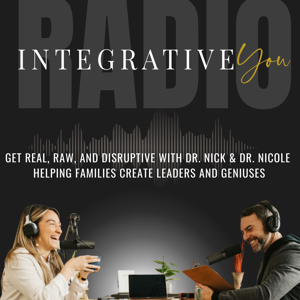


Dr. Nicole Rivera and Dr. Nick Carruthers break down why so many people jolt awake between 2 and 3am with worry, fear or full-blown panic — the melatonin-to-cortisol handoff, the brain's overnight detox pathway, and the subconscious material showing up in your dreams.
Waking at 2 or 3 in the morning with worry, fear or panic is one of the most common things we hear after fifteen years of practice. Most people reach for the obvious explanations — too much wine, too much caffeine, ate too late. In this episode Dr. Nicole Rivera and Dr. Nick Carruthers walk through the two layers they actually look at.
If you wake up at 3am and nobody has been able to tell you why, start with Your Integrative Life Compass at integrativeyou.health/compass. It points you at the pattern rather than another supplement.
See Healthcare Differently.
Go deeper with the DNA Precision Program — epigenetic hair analysis, heavy metal mapping, and lab-validated protocols.
waking up at 3am · 3am anxiety · waking up with panic at night · melatonin brain detox · glymphatic system · cortisol spike early morning · circadian rhythm · middle of the night anxiety · dream analysis · root cause insomnia · functional medicine sleep · Integrative You Radio
Integrative You — helping self-led families build lives they do not need to recover from. integrativeyou.health
In this episode, Dr. Nicole and Dr. Nick take an investigative look at a complex case that raises bigger questions about how POTS, dizziness, fainting, fatigue, blood-clotting issues, autoimmune markers, and vascular compression can be overlooked when care stops at a diagnosis label.
Dr. Nicole shares why this case made her repeatedly think, “Oh sh*t, no,” as she followed the clues: a young, high-achieving college graduate with debilitating symptoms, a history that did not add up, an ovary affected by necrosis and torsion, dismissed lab abnormalities, and deeper findings involving hypercoagulability, autoimmune activity, and possible vascular compression.
Together, they explore why “normal” standard bloodwork may not always provide enough context, how low-normal or borderline findings can matter when viewed alongside symptoms and history, and why some people diagnosed with POTS may need a more thorough look at circulation, clotting risk, anatomy, immune activity, and upstream physiological stressors.
They also discuss the mind-body connection—without reducing physical illness to stress or emotional trauma alone. True root-cause care requires looking at both: the biological drivers affecting the body and the emotional adversity or nervous-system patterns that may be compounding the picture.
This is not medical advice or a replacement for individualized care. It is a conversation intended to help you ask better questions, advocate for a more complete evaluation, and move beyond symptom management alone.
00:00 — The “Investigative Hat”: Why this POTS case raised major red flags
🎥 Prefer the video version? Search Integrative You on YouTube or watch at Integrative You on YouTube. New root-cause breakdowns weekly.
Your health isn't just about symptoms; it's about the very terrain of your cells. Dr. Jess Armine, with 50 years in healthcare, reveals how genetics, neuroendoimmunology, and mitochondrial function dictate your well-being, sharing his personal journey that led him to uncover these profound connections.
TIMESTAMPS
00:00 – Introduction to Dr. Jess Armine
00:30 – Dr. Jess's 50-year journey in healthcare
01:30 – From EMT to critical care nurse to chiropractor
02:15 – Why traditional chiropractic felt limiting
02:30 – The personal crisis that reshaped his practice
03:00 – Diving deep into neurotransmitter balances
03:30 – Developing expertise in genetics and neuroendoimmunology
03:55 – The importance of mitochondrial function and cell membrane integrity
LINKS
🔗 Free Compass Quiz: https://integrativeyou.health/quiz
🔗 Health Decode ($47): https://integrativeyou.health/health-decode
🔗 Foundation Program: https://integrativeyou.health/foundation
🔗 Website: https://integrativeyou.health
🎧 Apple Podcasts | Spotify | Podbean
#CellularHealth #IntegrativeMedicine #MitochondrialFunction #Genetics #Neuroendoimmunology #DrJessArmine #BlackSheepConfessions #HolisticHealth #FunctionalMedicine #HealthJourney #WellnessPodcast #DrNicole
Bloated from water, salad, or beans? It's not the food's fault, it's a critical feedback mechanism from your gut. Discover why your "healthy" habits are causing discomfort and how to truly address the root cause.
TIMESTAMPS
00:00 Why "healthy" foods cause bloating
01:05 The problem with conventional water
02:15 How water cleansers affect your gut
03:00 The truth about bottled water
03:45 Why cruciferous vegetables cause bloating
04:50 The role of liver detox in bloating
06:00 Understanding FODMAPs and gut health
07:10 The real reason beans cause gas
08:20 The impact of gut dysbiosis
09:30 How to identify your specific triggers
10:45 Actionable steps to reduce bloating
LINKS
🔗 Free Quiz: https://integrativeyou.health/quiz
🔗 Health Decode ($47): https://integrativeyou.health/health-decode
🔗 Foundation Program: https://integrativeyou.health/foundation
🔗 Website: https://integrativeyou.health
🎧 Apple Podcasts | Spotify | Podbean
#Bloating #GutHealth #DigestiveIssues #IntegrativeHealth #DrNicole #BlackSheepConfessions #WaterBloat #SaladBloat #BeansBloat #GutDysbiosis #HealthyEating #HolisticHealth
People are dropping from heart attacks at an alarming rate, and your doctor isn't testing for the real culprits. We're pulling back the curtain on the silent cardiovascular crisis, revealing the hidden factors causing blood clots and heart failure in seemingly healthy individuals.
TIMESTAMPS
00:00 Stirring Feathers: Why We're Getting Blacklisted
00:34 The Google Health Searches That Point to a Crisis
01:30 The Silent Cardiovascular Disease Your Doctor Misses
02:20 Heart Attacks in Young Men: An Alarming Trend in Italy
03:00 The "Jab" and Other Suspects Behind the Uptick
03:45 Spike Proteins and Blood Clumping Explained
04:15 The Role of Blood Sugar and Toxins in Cardiovascular Health
LINKS
🔗 Free Quiz: https://integrativeyou.health/quiz
🔗 Health Decode ($47): https://integrativeyou.health/health-decode
🔗 Foundation Program: https://integrativeyou.health/foundation
🔗 Website: https://integrativeyou.health
🎧 Apple Podcasts | Spotify | Podbean
#HeartAttacks #YoungMen #CardiovascularHealth #BloodClots #SpikeProteins #IntegrativeHealth #DrNicole #HealthDecode #BlackSheepConfessions #HiddenDangers
Your ENT can't fix your vertigo because they're only looking at one piece of the puzzle. Vertigo isn't just an inner ear issue; it's often a complex interplay of overlooked systems and past traumas, from childhood infections to dental work, creating a perfect storm for debilitating dizziness.
TIMESTAMPS:
00:00 The Frustration of Vertigo: Why Conventional Approaches Fail
02:15 Beyond the Inner Ear: Two Overlooked Systems
04:30 Childhood Issues That Set the Stage for Vertigo
06:45 The "Straw That Broke the Camel's Back": Triggers for Vertigo
08:00 The Surprising Link Between Dental Procedures and Vertigo
10:15 Understanding the Inflammatory Cascade
12:30 Why Vertigo Isn't Just About Dizziness
15:00 The Role of Structural Misalignments
18:00 How Stress and Trauma Impact Vertigo
21:00 The Gut-Brain Connection in Vertigo
24:00 Reclaiming Your Life From Vertigo
LINKS:
🔗 Free Compass Quiz: https://integrativeyou.health/quiz
🔗 Health Decode ($47): https://integrativeyou.health/health-decode
🔗 Foundation Program: https://integrativeyou.health/foundation
🔗 Website: https://integrativeyou.health
🎧 Apple Podcasts | Spotify | Podbean
#Vertigo #Dizziness #InnerEar #ENT #IntegrativeHealth #ChronicIllness #FunctionalMedicine #HolisticHealth #RootCause #BlackSheepConfessions #DrNicole #HealthDecode
MTHFR isn't just about detox—it's a critical player in your mental well-being. Discover why this genetic variation is more closely linked to mood, energy, and neurological health than you think, and how to optimize your health even with an MTHFR SNP.
TIMESTAMPS
00:00 Intro: MTHFR Confusion
02:15 MTHFR: Not a Detox Doom Sentence
04:05 The Mental Health Connection
06:30 MTHFR's Impact on Neurotransmitters
08:45 B Vitamins, Folate, and Energy
11:10 MTHFR and Melatonin Production
13:20 Liver Detox Pathways Beyond MTHFR
15:45 Why Mental Health Is Key
18:00 The SSRI Connection to B Vitamins
20:15 Optimizing MTHFR Through Lifestyle
22:30 Personalized Approaches to MTHFR
25:00 Final Thoughts & Hope
LINKS
🔗 Free Quiz: https://integrativeyou.health/quiz
🔗 Health Decode ($47): https://integrativeyou.health/health-decode
🔗 Foundation Program: https://integrativeyou.health/foundation
🔗 Website: https://integrativeyou.health
🎧 Apple Podcasts | Spotify | Podbean
#MTHFR #MentalHealth #IntegrativeHealth #GeneticSNP #Detoxification #BrainHealth #Neurotransmitters #Bvitamins #Folate #Serotonin #Dopamine #Melatonin #SSRIs #HolisticHealth
Kidney stones aren't just about diet; they're a red flag for deeper metabolic issues. Many recurrent kidney stone cases are tied to overlooked parathyroid dysfunction and excessive sugar consumption that doctors frequently miss.
TIMESTAMPS:
00:00 Introduction to Kidney Stones & Parathyroid Connection
01:05 The Kidney's Filtration Role
01:45 The Problem with Excess Sugar in the Diet
02:30 Sugar Content in US vs. European Foods
03:10 Hidden Sugars in "Healthy" Products
03:45 How Excess Sugar Impacts Blood & Kidneys
04:30 Sugar Clumping and Mineral Excretion
05:15 Insulin Resistance and Kidney Stone Formation
06:00 The Role of Parathyroid Glands
07:30 Addressing Root Causes for Lasting Relief
LINKS:
🔗 Free Find Your Root Cause Quiz: https://integrativeyou.health/compass
🔗 Health Decode ($47): https://integrativeyou.health/health-decode
🔗 Foundation Program: https://integrativeyou.health/foundation
🔗 Website: https://integrativeyou.health
🎧 Apple Podcasts | Spotify | Podbean
#KidneyStones #ParathyroidFunction #IntegrativeHealth #RootCause #InsulinResistance #SugarImpact #DrNicole #BlackSheepConfessions #HolisticHealth #KidneyHealth #MetabolicHealth #FunctionalMedicine
Your kids aren't "bad" for challenging norms; they're authentic. Discover why allowing your children to be their true selves, even if it means being a "black sheep," is crucial for their well-being and your family dynamic. This episode unpacks the hidden costs of conformity and the power of genuine self-expression.
TIMESTAMPS
00:00 Let your kid be the black sheep
00:34 The discomfort of authenticity
01:16 Dr. Nicole's black sheep childhood
01:42 Challenging illogical rules
02:30 The impact of suppressing authenticity
03:00 Parental hypocrisy and its effects
03:55 The importance of leading by example
04:40 Why kids need to challenge
05:15 The cost of conformity
06:00 Embracing unique paths
LINKS
🔗 Free Find Your Root Cause Quiz: https://integrativeyou.health/find-your-root-cause
🔗 Couples Decode ($47): https://integrativeyou.health/couples-decode
🔗 Foundation Program: https://integrativeyou.health/foundation
🔗 Website: https://integrativeyou.health
🎧 Apple Podcasts | Spotify | Podbean
#BlackSheepConfessions #AuthenticKids #ParentingTips #RaiseAuthenticKids #IntegrativeHealth #DrNicole #BlackSheep #ChildDevelopment #FamilyDynamics #UnconventionalParenting #HolisticParenting #IntegrativeYou
Biohacking has spiraled into an endless pursuit of "fixing" ourselves, mirroring the instant gratification culture of conventional medicine. This episode challenges the notion that a new product or protocol is the magic bullet, arguing that true healing requires integrating past experiences and embracing a slower, more intentional path.
00:00 The Problem with Biohacking
00:26 The Instant Gratification Trap
02:20 Short-Term Pleasure, Long-Term Pain
03:18 The Voice of Reason
03:47 The "Shiny Object" Syndrome
04:16 Biohacking: Good or Bad?
06:30 The Micro-Hacking Philosophy
10:15 The Power of Small, Consistent Actions
18:40 Healing is Not Linear
25:00 Redefining Success
30:00 Embracing the Journey
LINKS
🔗 Free Find Your Root Cause Quiz: https://integrativeyou.health/find-your-root-cause
🔗 Health Decode ($47): https://integrativeyou.health/health-decode
🔗 Foundation Program: https://integrativeyou.health/foundation
🔗 Website: https://integrativeyou.health
🎧 Apple Podcasts | Spotify | Podbean
#Biohacking #MicroHacking #IntegrativeHealth #WellnessJourney #InstantGratification #HolisticHealing #MindsetIsMedicine #BlackSheepConfessions #HealthPodcast #DrNicole #HealingJourney #SelfCare
From the publisher's feed
Integrative You Radio is the no-fluff podcast for people who've been told "your labs are normal" — and know they're not. Dr. Nicole Rivera, functional medicine physician and founder of the…

43,363 Listeners

772 Listeners
12,668 Listeners

111,864 Listeners

8,303 Listeners
9,155 Listeners
5,299 Listeners

29,128 Listeners

29 Listeners

2,058 Listeners
3,144 Listeners