
Sign up to save your podcasts
Or

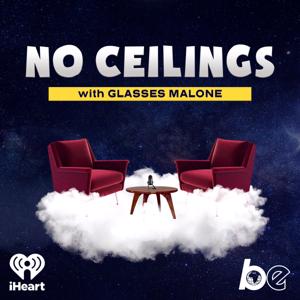

In this episode of No Ceilings, Glasses Malone opens by addressing how his song “Tupac Must Die” was received, explaining that it was never meant as a personal attack and that he would have withheld it if people close to him—like Gonzo—had said it hurt them. He frames the record as a cultural hip hop expression that can make outsiders uncomfortable, then welcomes guests including RoseKiki Loko, Sega, Trap Bradshaw, Lex Diamonds, and Partee as the group revisits a recurring debate about whether hip hop is defined by regional “sounds” (West Coast, East Coast, South) and what people mean when they use terms like “ignorant” in conversation.
The discussion turns into a detailed breakdown of funk’s origins and how it traveled through American music into hip hop, with arguments over sampling versus being influenced, and how G-funk became popularly associated with the West Coast through landmark records (including Dr. Dre’s work, The Chronic, and Doggystyle). Glasses challenges the idea that regions define sound, arguing that producers’ signatures—especially drum work—matter more, and that the best hip hop creators were chasing musicians (Leon Haywood, George Clinton, Donny Hathaway) rather than copying other rap records. The episode also detours into NBA comparisons centered on Steph Curry’s uniqueness and how imitation dilutes quality, then closes with commentary on 50 Cent’s escalating responses in the T.I. “Verzuz” conversation and a broader warning that hip hop is suffering from “copies of copies,” losing connection to its musical foundation and proper credit to producers.
Rate, subscribe, comment and share.
Follow NC on IG:
@GlassesLoc
@fleepartee
@lexmelek
@trap_bradshaw_gtkprs
@segamisfit
@lilkekeloco_the_original
See omnystudio.com/listener for privacy information.
 View all episodes
 By The Black Effect Podcast Network and iHeartPodcasts

4.6
164164 ratings
In this episode of No Ceilings, Glasses Malone opens by addressing how his song “Tupac Must Die” was received, explaining that it was never meant as a personal attack and that he would have withheld it if people close to him—like Gonzo—had said it hurt them. He frames the record as a cultural hip hop expression that can make outsiders uncomfortable, then welcomes guests including RoseKiki Loko, Sega, Trap Bradshaw, Lex Diamonds, and Partee as the group revisits a recurring debate about whether hip hop is defined by regional “sounds” (West Coast, East Coast, South) and what people mean when they use terms like “ignorant” in conversation.
The discussion turns into a detailed breakdown of funk’s origins and how it traveled through American music into hip hop, with arguments over sampling versus being influenced, and how G-funk became popularly associated with the West Coast through landmark records (including Dr. Dre’s work, The Chronic, and Doggystyle). Glasses challenges the idea that regions define sound, arguing that producers’ signatures—especially drum work—matter more, and that the best hip hop creators were chasing musicians (Leon Haywood, George Clinton, Donny Hathaway) rather than copying other rap records. The episode also detours into NBA comparisons centered on Steph Curry’s uniqueness and how imitation dilutes quality, then closes with commentary on 50 Cent’s escalating responses in the T.I. “Verzuz” conversation and a broader warning that hip hop is suffering from “copies of copies,” losing connection to its musical foundation and proper credit to producers.
Rate, subscribe, comment and share.
Follow NC on IG:
@GlassesLoc
@fleepartee
@lexmelek
@trap_bradshaw_gtkprs
@segamisfit
@lilkekeloco_the_original
See omnystudio.com/listener for privacy information.
11,481 Listeners

6,798 Listeners
8,327 Listeners

7,618 Listeners
14,211 Listeners

1,378 Listeners

1,672 Listeners

10,942 Listeners
7,634 Listeners

837 Listeners

757 Listeners
7,430 Listeners
10,515 Listeners
353 Listeners

551 Listeners

3,445 Listeners

740 Listeners

7,050 Listeners
820 Listeners

48 Listeners
1,007 Listeners

250 Listeners
2,286 Listeners

607 Listeners

823 Listeners

296 Listeners

60 Listeners
86 Listeners

36 Listeners

489 Listeners
169 Listeners