
Sign up to save your podcasts
Or

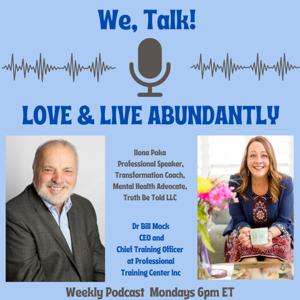


In this podcast episode, we dive deep into the critical topic of depression and suicide prevention. Ilona and Dr Bill share powerful insights on the importance of human connection and the flaws in traditional suicide prevention methods. They stress the need to always take suicidal thoughts seriously, discussing how even a cry for attention should never be ignored. Ilona shares her experience working with crisis calls, and they explore the role of behavioral therapy, music, and emotional tools in managing mental health. Whether discussing addiction recovery or teaching life tools in schools, this episode emphasizes the importance of reaching out, trusting your instincts, and supporting those who need help.
Listeners will gain valuable takeaways about how simple actions, like listening and showing you care, can make a profound difference in someone’s life.
Have a question? Is there something specific you'd like us to discuss? Email us [email protected]
In this episode, William and Ilona dive into the importance of human connection when it comes to tackling depression and suicide prevention, pointing out how traditional methods often fall short. William shares a story about a psychiatrist who used behavioral techniques to treat depression, showing how simple actions can make a big impact alongside medication. Ilona talks about the value of teaching positive life tools in schools, like affirmations and the power of music. Throughout, they highlight the role of community and emphasize how small steps and meaningful connections can help people navigate depression.
Do you have specific questions you'd like us to address? Email us at Hello @ TruthBeTold.World
In this episode, William and Ilona dive into the importance of human connection when it comes to tackling depression and suicide prevention, pointing out how traditional methods often fall short. William shares a story about a psychiatrist who used behavioral techniques to treat depression, showing how simple actions can make a big impact alongside medication. Ilona talks about the value of teaching positive life tools in schools, like affirmations and the power of music. Throughout, they highlight the role of community and emphasize how small steps and meaningful connections can help people navigate depression.
This podcast episode discusses the importance of making different choices to achieve different results in life. The hosts, Ilona and Bill, explore the idea of replacing unhealthy habits with healthier ones and the power of modeling positive behaviors. They share personal anecdotes and discuss the concept of "hitting bottom" as a catalyst for change.
Key points from the episode include:
Please email us with questions or topics you'd like us to discuss at [email protected]
This podcast episode discusses the importance of making different choices to achieve different results in life. The hosts, Ilona and Bill, explore the idea of replacing unhealthy habits with healthier ones and the power of modeling positive behaviors. They share personal anecdotes and discuss the concept of "hitting bottom" as a catalyst for change.
Key points from the episode include:
Please email us with questions or topics you'd like us to discuss at [email protected]
In this podcast, Ilona Poka and Dr Bill Mock discuss trauma and its connection to chemical dependency and other forms of dysfunction. Bill, an expert in chemical dependency, shares his skepticism about the often-assumed link between early trauma and addiction. He argues that while trauma is frequently mentioned in his field, there is a lack of empirical studies demonstrating a direct, predictable connection between specific types of trauma and later chemical dependency or other dysfunctions.
Ilona, in response, highlights the importance of recognizing trauma as a broader experience that can manifest in various ways, not necessarily leading to addiction. She emphasizes the role of personal choice and mindset in healing from trauma, citing her own experience of choosing to heal rather than live a "victim's life." She discusses the importance of understanding coping mechanisms and finding healthier responses to stress and trauma, rather than simply stopping a negative behavior without replacing it with a positive one.
The conversation underscores the complexities surrounding trauma, addiction, and healing, and the need for further research to better understand these connections. They also explore the idea that healing involves not just stopping harmful behaviors but actively replacing them with healthier alternatives.
In this podcast, Ilona Poka and Dr Bill Mock discuss trauma and its connection to chemical dependency and other forms of dysfunction. Bill, an expert in chemical dependency, shares his skepticism about the often-assumed link between early trauma and addiction. He argues that while trauma is frequently mentioned in his field, there is a lack of empirical studies demonstrating a direct, predictable connection between specific types of trauma and later chemical dependency or other dysfunctions.
Ilona, in response, highlights the importance of recognizing trauma as a broader experience that can manifest in various ways, not necessarily leading to addiction. She emphasizes the role of personal choice and mindset in healing from trauma, citing her own experience of choosing to heal rather than live a "victim's life." She discusses the importance of understanding coping mechanisms and finding healthier responses to stress and trauma, rather than simply stopping a negative behavior without replacing it with a positive one.
The conversation underscores the complexities surrounding trauma, addiction, and healing, and the need for further research to better understand these connections. They also explore the idea that healing involves not just stopping harmful behaviors but actively replacing them with healthier alternatives.
This conversation is about how our thoughts and actions can influence our emotional state.
The key points are:
The example used is when Ilona broke her leg. Instead of focusing on the negative aspects of the situation, she decided to listen to uplifting music and positive affirmations. This helped her to feel better and cope with the situation.
The conversation also explores the research on music and depression. It suggests that any kind of music can be helpful as long as the person believes it will improve their mood.
This conversation is about how our thoughts and actions can influence our emotional state.
The key points are:
The example used is when Ilona broke her leg. Instead of focusing on the negative aspects of the situation, she decided to listen to uplifting music and positive affirmations. This helped her to feel better and cope with the situation.
The conversation also explores the research on music and depression. It suggests that any kind of music can be helpful as long as the person believes it will improve their mood.
From the publisher's feed