
Sign up to save your podcasts
Or

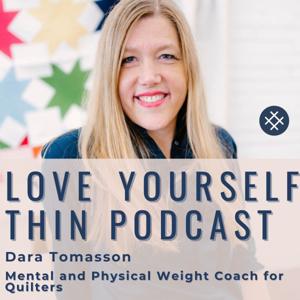


Do you struggle to say no… and then find yourself drained, overwhelmed, or stuck doing things you don't actually want to do?
In this episode, Dara walks you through why saying no feels so uncomfortable—and how your childhood wiring, people-pleasing patterns, and fear of judgment keep you stuck over-explaining and overcommitting.
Through a powerful client story, you'll see how even small moments (like staying too long in a conversation) can quietly drain your energy and keep you disconnected from yourself.
You'll learn:
This episode will help you reclaim your time, protect your energy, and start showing up as the version of you that you actually want to be.
Key Takeaway: "No" is a complete sentence—and learning to use it is one of the most powerful ways to change your life.
Next Steps: Ready to stop people-pleasing, procrastinating, and overthinking? Join Dara's Masterclass at the end of April! Details are HERE.
Join Dara at the Quilter's Life Summit to hear more from her about perfectionism (and other quilting topics!) Registration opens April 7.
Book a call with Dara to continue the conversation!
https://dara-tomasson-coaching.mykajabi.com/contact
Have you ever wondered why you keep putting things off—even when you know better?
Why you promise yourself you'll start tomorrow… and tomorrow keeps moving?
In this episode of Love Yourself Thin, Dara Tomasson explores the deeper reason behind procrastination and the repeating patterns that show up in our lives—especially around food, productivity, and weight loss.
If you've ever thought, "Why do I keep doing this?" or "Why can't I just follow through?" this conversation will help you understand what's really happening in your brain.
The truth is, procrastination isn't laziness. It's a pattern your brain learned a long time ago.
Many of the habits we struggle with today—emotional eating, perfectionism, people pleasing, procrastinating—were originally coping strategies we developed in childhood. They helped us deal with stress, pressure, or emotions when we didn't yet have the tools to process them.
The problem is that those same patterns can continue running our adult lives automatically.
Your brain isn't trying to improve your life—it's trying to keep things predictable.
That's why traditional weight loss strategies often fail. They focus on controlling behavior instead of understanding the underlying patterns driving it.
The good news? Your brain is capable of change at any age.
Modern neuroscience shows that the brain constantly forms new neural pathways through repetition and awareness. This means the same process that created your old patterns can also help you create new ones.
When you bring awareness to these patterns, the automatic cycle starts to break.
This is why willpower alone rarely works. You can't out-discipline a pattern you don't understand.
Instead of blaming yourself or trying harder, the real work is learning to look at the "wiring" behind your behaviors.
When you start noticing your patterns with curiosity instead of shame, real change becomes possible.
And that's where lasting weight loss begins—not with stricter rules, but with deeper awareness.
If you've ever felt stuck in cycles of procrastination, emotional eating, or perfectionism, this episode will help you understand why—and show you that it's never too late to change.
In This Episode, You'll Learn:Why procrastination is often a learned coping strategy from childhood
How your brain prioritizes familiarity over improvement
The neuroscience behind habit patterns and emotional eating
Why willpower alone rarely solves behavior patterns
How awareness can help break automatic cycles
Why you are never too old to rewire your brain
Dara also shares details about the upcoming Quilter's Life Summit, where she will be teaching mindset tools to help quilters finish projects, reduce procrastination, and honor their time. There also will be 20 other presenters teaching on quilting topics that are sure to pique your interest! Register for free starting April 7, 2026!
Subscribe & ReviewIf this episode resonated with you, be sure to subscribe to Love Yourself, Thin so you never miss an episode. And if you enjoyed the show, leaving a review helps more women discover these tools for lasting change.
Watch this episode (and more!) on YouTube - https://youtu.be/yITyRn1ExXM
If you're ready to make lasting change, book a call with Dara to find out if her program is right for you -
https://dara-tomasson-coaching.mykajabi.com/contact
As the seasons change, many of us feel a surge of energy, motivation, and excitement. But that same "spring fever" can also bring restlessness, impulsive decisions, and frustration—especially when it comes to our bodies, our habits, and our weight loss goals.
In this episode of Love Yourself Thin, Dara explores how the natural shift from winter to spring affects our mindset, our energy, and our relationship with food. Instead of falling into the familiar cycle of all-or-nothing thinking, Dara shares how you can use this seasonal transition to create real, sustainable change—without dieting, overthinking, or criticizing yourself.
You'll learn why simply trying harder doesn't solve emotional eating, how childhood patterns still influence your behavior today, and how to build self-trust so you can finally feel peaceful around food.
Spring is a season of new growth—and it can be an invitation for your own personal growth too.
In This Episode, You'll Learn:What "spring fever" really is and how it affects motivation and eating habits
Why trying harder isn't the solution to emotional eating
The problem with all-or-nothing thinking when it comes to weight loss
How to recognize "buffering" behaviors like distraction, scrolling, or unnecessary tasks
Why your childhood experiences shape your habits as an adult
How learning to feel your emotions instead of avoiding them reduces overeating
A simple 3-step process to break unhelpful patterns and create lasting change
Dara also shares details about the upcoming Quilter's Life Summit, a free 3-day event happening April 21–23.
You'll learn how to:
Finish more creative projects
Stop procrastinating
Let go of perfectionism
Enjoy the creative process without pressure
The summit includes incredible instructors and opportunities to connect with other creatives in a supportive environment. Registrations open April 7!
Connect With DaraIf this episode resonated with you, make sure to subscribe so you never miss a new episode of Love Yourself Thin, where Dara teaches women how to transform their relationship with food, weight, and themselves.
If you're ready to quit the yo-yo diets and find a weight loss protocol that works, book a call with Dara to find out if her program is right for you -
https://dara-tomasson-coaching.mykajabi.com/contact
Follow Dara on Instagram for more weight loss tips and tricks! @dara_tomasson
What if the things you're most proud of… are actually keeping you stuck?
In this episode of Love Yourself Thin, Dara explores the concept of acceptable buffering—the socially praised habits we use to avoid uncomfortable emotions. While many people think buffering only looks like scrolling social media or overeating, it can also show up as being the perfect wife, devoted mother, high achiever, or tireless homemaker.
These behaviors may look admirable on the outside, but they can quietly drain your energy and distract you from the deeper emotional work that leads to permanent weight loss.
Dara shares a powerful coaching story from inside her program that reveals how childhood patterns of seeking approval can shape the way we show up as adults. When we spend our lives trying to prove our worth through productivity, success, or caretaking, we often ignore the emotions underneath—and turn to food or other distractions to cope.
Instead of another diet or stricter willpower, Dara invites you to look inward and ask a deeper question: What emotions am I avoiding, and how am I buffering them?
When you begin to notice these patterns with compassion and curiosity, real transformation becomes possible.
In This Episode, You'll Learn:What buffering really means and why it's more than just emotional eating
How "acceptable" behaviors like overworking or people-pleasing can hide deeper struggles
Why traditional diets fail to address the emotional roots of weight challenges
How childhood approval patterns can influence your relationship with food and self-worth
A simple daily exercise to help you identify where your time, energy, and mental focus are going
Permanent weight loss doesn't come from stricter rules around food—it comes from understanding your thoughts, emotions, and patterns. When you stop buffering and start processing your feelings with compassion, you gain the clarity and freedom needed to change your habits for good.
A Simple Practice to TryFor one day, take a daily inventory of your thoughts and energy:
What are you spending your time thinking about?
Where is your mental energy going?
Are you trying to prove your worth, or are you caring for yourself?
This awareness can reveal the hidden habits that are quietly influencing your health and your relationship with food.
If this episode resonated with you, consider exploring deeper support and tools through Dara's coaching programs, where you'll learn how to build healthier emotional patterns and create lasting change.
Learn more about Dara's program HERE.
Book a call with Dara to learn more about if she is a right fit for you HERE.
Get Dara's free self-assessment to help you figure out what thoughts are holding you back from losing weight HERE
If you regret certain choices you've made around food and you're not sure what to do about it, this episode is for you.
In this powerful conversation, Dara Tomasson explores the connection between regret and weight loss, and how unprocessed emotions can quietly shape your patterns with food for years. So many women believe weight struggles are a private failure — something shameful that should be handled alone. But when we begin talking openly about our experiences, something shifts. We relax. We feel hopeful. And real change becomes possible.
The Hidden Role of Perfectionism
Dara also explores how perfectionism acts as a protective shield. If we look perfect, perform perfectly, or take care of everyone else, maybe we won't be judged or rejected.
But perfectionism, procrastination, and people-pleasing are survival strategies — especially for women who learned early that acceptance meant safety. When perfectionism runs the show, weight loss becomes another arena to "prove" worthiness. And when perfectionism inevitably cracks, regret rushes in. Instead of seeing weight regain as data, we interpret it as failure.
Emotional Regulation Is the Missing Skill
At the heart of this episode is a powerful truth: many of us were never taught emotional regulation. We weren't shown how to feel disappointment. How to process bitterness. How to sit with regret without turning it into self-punishment. So we buffered. Food became an acceptable coping strategy — one that dampened noise, distracted from discomfort, and helped us survive.
But if we don't learn how to feel our feelings directly, no diet strategy will create lasting weight loss. The old coping mechanisms will return. Until we slow down and identify the survival patterns underneath — perfectionism, procrastination, people-pleasing — the system remains broken.
This episode is a compassionate reminder:
You are not bad.
You are not weak.
You are not incapable of change.
You simply didn't get the full picture.
When you begin to see how regret, perfectionism, and emotional avoidance have shaped your behaviors, you gain power. You move from shame to awareness. From autopilot to intentional growth. When you learn to process regret instead of reliving it, and practice emotional regulation instead of buffering, everything changes.
Listen in and start turning regret into growth.
Watch the YouTube video with Dr Benjamin Bikman - https://www.youtube.com/watch?v=NyFSkGMWP5Q
Connect with Dara:
Book a consult call to find out if her program is right for you - https://dara-tomasson-coaching.mykajabi.com/contact
Follow Dara on Instagram - @dara_tomasson
Check out Dara's upcoming live trainings - https://dara-tomasson-coaching.mykajabi.com/upcoming-classes-and-events
Have you ever caught yourself eating when not hungry and wondered, Why did I just do that?
In this episode, Dara Tomasson breaks down what's really happening during emotional eating, especially when it feels automatic or out of your control. If you've ever found yourself eating when full, reaching for food on autopilot, or stuck in patterns of compulsive eating, this conversation will help you understand why.
Your brain is wired for survival through something called the motivational triad: stay safe, seek pleasure, avoid pain. When stress, boredom, loneliness, or fear show up, your nervous system may turn to food before you're even consciously aware of it. That doesn't mean something is wrong with you — it means your brain is doing its job.
In this episode, you'll learn:
✔️Why eating on autopilot is a safety response
✔️How fear of failure, visibility, abandonment, or rejection can drive emotional eating
✔️The connection between tribal belonging and food
✔️How to separate your actions from your identity
✔️Dara's 5-step "I don't know why I'm eating" protocol
This is not about shame. It's about awareness. When you pause, name the feeling, and consciously choose your next step, you move from autopilot into leadership over your own life.
If you're ready to go deeper, Dara is hosting a live Emotional Eating Masterclass where you'll practice these tools together and build the emotional intelligence needed to create lasting change. Sign up here - https://dara-tomasson-coaching.mykajabi.com/emotional-eating-class
You are not broken. You are wired for survival. And you can learn how to work with your brain instead of against it.
Connect with Dara:
Website: https://daratomasson.com
Instagram: @dara_tomasson
Book a Free Consult: https://dara-tomasson-coaching.mykajabi.com/contact
Join Love Yourself Thin: https://dara-tomasson-coaching.mykajabi.com/love-yourself-thin
Boredom and restlessness are some of the most misunderstood reasons we overeat. We tell ourselves we're bored, but often what's really happening is that we're avoiding something—desire, growth, pride, even happiness.
In this episode, Dara unpacks what boredom is actually protecting you from, why food becomes the default solution, and how to create a simple boredom protocol that doesn't rely on self-control or shame. This one might make you uncomfortable—but that's exactly why you need to hear it.
What You'll Learn:The definitions of bored vs. restless (and why the distinction matters)
The real question: Why do you let yourself believe you're bored?
What boredom is really protecting you from: happiness, success, feeling proud, confidence, connection
The core issue underneath boredom eating: WORTHINESS
The Bored Eating Protocol (5 simple steps)
Where "bored" sits on the Emotional Wheel (under "bad" → bored → indifferent/apathetic)
Alternative words for "I'm bored": unsatisfied, unhappy, confused, directionless, uncertain
Name it - "Oh, I'm telling myself I'm bored."
Question it - "Am I actually bored, or am I avoiding something?" (Go back to the definition: feeling weary because something is uninteresting or repetitive, a lack of stimulation)
Identify what you're avoiding - "What would I do right now if I believed I was worthy? If I didn't have to prove myself to anyone?"
Take one small action toward that thing - Not the whole project. Just one stitch. One phone call. One sentence.
Notice - How does it feel to move toward what you actually want instead of away from it?
Dara shares the memory of walking into her grandma's kitchen at age six during Christmas. There was a mountain of dishes—and her grandma was laughing and having a ball. No paper plates, just joy in the work.
That moment changed Dara's life: "You can take any job, any task, and decide if it's going to be awesome or not. I've never been bored in my life because I made that decision."
But her grandma didn't have the tools to deal with stress. She turned to Coke (calling it her "medicine"), food, and baking. She had a heart attack at 64.
This is why Dara does this work—so women don't have to keep beating themselves up and feeling trapped in their own bodies.
What Boredom Is Really Keeping You Away From:Happiness - What if you pursued what you really wanted?
Success - What if you actually finished that quilt and entered the show?
Feeling proud - What if you achieved something and had to own it?
Confidence - What if you believed in yourself?
Connection - What if you put yourself out there?
Three Ways to Work with Dara:
Join Love Yourself Thin Membership - The full program with ongoing support and community
Emotional Eating Mini-Class - Free Masterclass
Free 20-Minute Consult - Book a call to identify what's blocking you (Dara shares that one woman got so much clarity in just 20 minutes from YouTube)
Watch this episode on YouTube!
Coming Up Next Week:
Episode 241: Emotional Eating When You Don't Even Know Why You Ate - The most mysterious type of emotional eating, where we pull everything together.
Loneliness doesn't always look like being alone. Sometimes it shows up as feeling disconnected, unseen, or like you're carrying everything by yourself. If food has been your go-to in those moments, hear this clearly: It makes sense. Food was there for you. It gave comfort and relief when connection felt out of reach.
In this episode, you'll learn why eating when you feel lonely isn't a lack of self-control—it's a learned regulation tool. And more importantly, you'll discover how to create real connection without turning food into the only solution.
What You'll Learn:The Emotional Wheel: How loneliness sits on the spectrum between sadness and feeling abandoned
Why turning to food when you're lonely makes perfect biological sense (dopamine, vulnerability, and survival)
The difference between true connection and false connection (and why social media feels like sugar)
How to create true connection through physical, creative, and spiritual practices
The 4-step process for building your relationship with yourself:
Recognize that 95% of your thoughts are on autoplay
Do a thought capture throughout the day
Question one belief you've been carrying
Curate that belief in your favor
Physical Connection:
Hugs (even self-hugs—hand on heart, shoulders squeeze)
Real conversations on the phone or in person
Physical exercise (walking, dancing, stretching)
Warmth practices (hot tub, heated car seat, fire, warm blankets)
Creative Connection:
Sewing, quilting, knitting
Playing music or singing
Clay or Play-Doh
Sand, gardening
Other Forms:
Listening to music that moves you
Making food mindfully for yourself or others
Journaling
Reaching out to one person (even just a text)
Religious practice, prayer, meditation
Emotional Eating Mini-Class - The all-year-round version of Dara's hit holiday class, now with office hours where you can get expert coaching on concepts like "Pause Before Pantry." This isn't just another online class you hope to watch—the office hours make all the difference. Join the 3 day masterclass here - https://dara-tomasson-coaching.mykajabi.com/free-emotional-eating-masterclass
Connect with Dara:Website:
https://daratomasson.com
Instagram: @dara_tomasson
YouTube: Ask questions in the comments—Dara loves interacting with you!
Leave a Podcast Review: It makes such a difference!
If you've ever reached for food when you're stressed and then immediately judged yourself for it, this episode is for you. Stress eating isn't a willpower problem—it's a nervous system response. Your brain is actually doing exactly what it was designed to do: protect you.
In this episode, you'll discover what stress actually does inside your body, why "I'll start fresh Monday" advice completely misses the mark, and the 5-step protocol that will help you close the mental and emotional loops that drain your energy and keep you stuck in overwhelm.
What You'll Learn:Why your brain scans for danger 5x more than it looks for safety (and what this has to do with stress eating)
The role of cortisol in triggering cravings for quick energy—salty, sugary, and fatty foods
Why modern stress (deadlines, family conflict, financial worry) doesn't go away after you eat
The "car analogy": You don't need to know how to fix your brain, but you do need to understand how it works
The 5-step protocol for closing thought loops and creating permanent change:
Accept/Acknowledge
Ask
Action
Assess
Acclimatize
Resources Mentioned:
Emotional Eating Mini-Class - Learn how to handle emotional eating 24/7, 12 months of the year. This revamped class includes office hours where you can get personalized support. Join the free masterclass and learn more - https://dara-tomasson-coaching.mykajabi.com/free-emotional-eating-masterclass
Connect with Dara:Website:
https://daratomasson.com
Instagram: @dara_tomasson
Join Dara live for her next training! -
https://dara-tomasson-coaching.mykajabi.com/upcoming-classes-and-events
We're ending January with the four words that can change your relationship with food, your body, and yourself forever.
In this episode, you're going to learn:
Why "This will not stand" and "I will not give up" keep you locked in battle
The clinic lobby story and why "calm down" never works — on anyone
The real difference between addressing actions vs. needs
The moment a therapist flipped the switch with one question
How acknowledging emotions creates instant empathy and relief
Why force creates resistance — and how it turns you into your own enemy
The four most powerful words: "What do I need?"
How to use this question to meet fundamental needs directly
Why Connie Rice's work proves you cannot legislate behavior change
How compassion turns enemies (even inner ones) into allies
Key Takeaway: The next time you're face-to-face with cravings, resistance, or old patterns, don't attack yourself. Instead ask: "What do I need?" Those four words are where permanent weight loss truly begins.
Inside Love Yourself Thin, you'll learn to meet your needs, calm your brain, and build a life you love. This is where your repair, renewal, and long-term freedom begins — no matter your age, your history, or how long you've struggled.
I've done this myself, and I've helped hundreds of women do the same. You deserve that freedom too.
Learn more: https://daratomasson.com
Catch more of Dara's free trainings, sign up here: https://dara-tomasson-coaching.mykajabi.com/upcoming-classes-and-events
Watch this episode (and more!) on YouTube - https://youtu.be/2ptWyMgnyq4
From the publisher's feed

11,880 Listeners

2,081 Listeners

6,681 Listeners

53 Listeners

369,372 Listeners

218 Listeners
122 Listeners

3,628 Listeners
330 Listeners

219 Listeners

29,036 Listeners

45 Listeners
325 Listeners
365 Listeners

2,101 Listeners