
Sign up to save your podcasts
Or

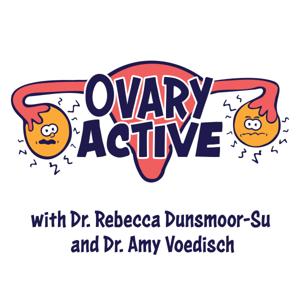


Based on Podcast App listening data
Ever walked into a room and immediately forgotten why you're there? Or found yourself staring at a to-do list like it's written in an ancient language? You're not alone.
In this episode of OvaryActive, Dr. Amy Voedisch and Dr. Rebecca Dunsmoor-Su tackle the maddening phenomenon of brain fog during perimenopause. Spoiler alert: It's not just you, and no, you're (probably) not losing your mind—just your estrogen.
In this enlightening and comforting conversation, the Docs explain down how hormonal fluctuations can scramble memory, multitasking skills, and general cognitive function. They also discuss the fine line between brain fog, ADHD, and the (sometimes overblown) fear of early dementia. The good news? Research—including the SWAN study—suggests that cognitive function typically rebounds after menopause, meaning there's light at the end of this very foggy tunnel.
You might already be knee-deep in perimenopausal forgetfulness or just bracing for impact, but you'll find this episode to be packed with science, strategies, and a reassuring dose of humor (because Dr. Voedisch is right there with us!). Don't forget to share this episode with a friend, sister, colleague, or the woman in front of you at the grocery store who did NOT find everything she was looking for today.
What you'll hear in this episode:
[0:27] Understanding cognition (brain fog) during perimenopause
[1:08] The impact of brain fog
[4:56] ADHD and cognitive changes
[8:03] Hormone changes and brain function
[15:38] Estrogen's role in the brain
[20:37] Symptoms are interrelated
[23:29] Hormone therapy for cognitive function
[28:20] Dementia, hormones, and the brain
[35:09] Strategies for optimizing brain health
Resources:
lisamosconi.com
The Menopause Brain by Lisa Mosconi, PhD
swanstudy.org
Follow the show @OvaryActive Instagram | YouTube
Meet the Docs:
More information about Dr. Rebecca Dunsmoor-Su:
Gennev: www.gennev.com/clinician/dr-rebecca-dunsmoor-su
LinkedIn @rebecca-dunsmoor-su
More information about Dr. Amy Voedisch:
Stanford Medical Clinic: stanfordhealthcare.org/doctors/v/amy-voedisch.html
Perimenopause: the magical time of life when your emotions decide to go on an unpredictable rollercoaster ride, leaving you laughing, crying, and irrationally furious—all within the span of a single coffee break.
This is the first in a three-part series about your brain during perimenopause. In part one, OvaryActive hosts Dr. Rebecca Dunsmoor-Su and Dr. Amy Voedisch dive deep into the murky waters of hormones, mood swings, and cognitive hiccups that make perimenopause feel like an elaborate prank. Good (?) news: you're definitely not alone in feeling like your brain is working against you.
The Docs are getting into the science behind perimenopause's mind games. They discuss how neurotransmitters like serotonin and norepinephrine get caught in the hormonal crossfire, making mood change an unfortunate reality.
In more good news (and this really is good), the Docs also highlight the importance of understanding brain chemistry, recognizing symptoms, and—most importantly—knowing that treatment options exist. Hear about treatment avenues, including cognitive behavioral therapy, self-care strategies, and the importance of seeking help for intrusive thoughts.
If you've ever found yourself inexplicably rage-cleaning the kitchen or crying over a commercial, listen and share.
What you'll hear in this episode:
[:44] Understanding mood changes in perimenopause
[3:08] Impact of external stressors
[8:04] Depression as a risk
[13:15] Brain chemistry and hormones
[19:24] Understanding hormones and mood
[21:41] Navigating treatment options
[26:10] Cognitive behavioral therapy
[28:36] Prioritizing self-care
[34:50] Addressing mental health concerns
Follow the show @OvaryActive Instagram | YouTube
Meet the Docs:
More information about Dr. Rebecca Dunsmoor-Su:
Gennev: www.gennev.com/clinician/dr-rebecca-dunsmoor-su
LinkedIn @rebecca-dunsmoor-su
More information about Dr. Amy Voedisch:
Stanford Medical Clinic: stanfordhealthcare.org/doctors/v/amy-voedisch.html
Ah, perimenopause, that magical time when your body decides to play metabolic musical chairs without telling you the rules. Suddenly your favorite jeans feel like they belong to someone else and the weight gain is like a surprise subscription box — you don't remember signing up for it, but it keeps showing up!
In this episode of OvaryActive, the Docs are chatting with Stasi Kasianchuk, a Registered Dietitian Nutritionist (RDN), Exercise Physiologist, and Gennev's Senior Director of Lifestyle Care. Stasi is on the show to talk all about the complexities of hormonal shifts and weight gain during perimenopause. She is going to help us decode what's actually happening under the hood and why your metabolism seems to suddenly be running on a different operating system.
Drs. Rebecca Dunsmoor-Su & Amy Voedisch, along with RDN Stasi, discuss the role of genetics, the importance of shifting health goals, and how to foster a better relationship with our ever-changing bodies.
The team are covering everything from the best exercise strategies for perimenopausal bodies to the power of protein, fiber, and a solid night's sleep (yes, it's possible). They also address myths about body types, discuss the rising rates of diabetes in this demographic, and stress the importance of self-care.
Listen (and share!) for practical tips, a reality check on diet culture, and some much-needed reassurance that you're not alone on this hormonal rollercoaster.
What you'll hear in this episode:
[0:55] Meet Stasi Kasianchuk
[5:28] Genetics & your health
[6:47] Hormones & weight changes
[16:18] Realistic expectations for weight management
[24:13] Making sense of exercise recommendations
[31:21] Nutrition in perimenopause
[34:23] Finding nutritional balance
[48:25] Addressing diabetes in perimenopausal women
Links & Resources:
https://www.gennev.com/clinician/stasi-kasianchuk
Follow the show @OvaryActive Instagram | YouTube
Meet the Docs:
More information about Dr. Rebecca Dunsmoor-Su:
Gennev: www.gennev.com/clinician/dr-rebecca-dunsmoor-su
LinkedIn @rebecca-dunsmoor-su
Perimenopause: the time in a woman's life when her hormones decide to play an elaborate game of musical chairs, and her body is just along for the ride. As if hot flashes and brain fog weren't enough, let's talk about another under-discussed topic—sexual health.
In this episode the Docs are talking all about the complexities of intimacy, desire, and connection during perimenopause because, spoiler alert, sexual health doesn't just disappear after 40 (or at least, it doesn't have to).
Joining the conversation is Dr. Leah Millheiser, a sexual medicine expert who knows a thing or two about keeping the spark alive. Alongside hosts Dr. Rebecca Dunsmoor-Su and Dr. Amy Voedisch, she addresses societal myths, the science behind libido, and why "just drink some wine and relax" is possibly the worst advice ever.
They explore the role of hormones, communication, and the importance of treating sexual health like any other part of well-being—because if we don't ignore heart health, why ignore bedroom health?
From emotional intimacy to testosterone, vibrators, and even the role of Viagra in women's sexual health, this episode covers it all. If you've ever wondered why desire sometimes feels like a fickle houseguest or why talking about sex with your doctor is more awkward than a middle school health class, this episode is for you.
What you'll hear in this episode:
[3:17] The gift of good sex for Valentine Day
[6:14] Blazing a trail for female sexual medicine
[9:48] Female sexual is complex–sexual function & libido
[19:14] Communication & intimacy in relationships
[34:42] Desire mismatch & relationship goals
[40:01] Treatment options for low libido
[52:53] Vibrators & clitoral stimulation ARE important
[56:46] Navigating sexual health conversations
Resources Mentioned:
Emergency Sex and Other Desperate Measures: A True Story From Hell On Earth
5lovelanguages.com/learn
Follow the show @OvaryActive Instagram | YouTube
Meet the Docs:
More information about Dr. Rebecca Dunsmoor-Su:
Gennev: www.gennev.com/clinician/dr-rebecca-dunsmoor-su
LinkedIn @rebecca-dunsmoor-su
More information about Dr. Amy Voedisch:
Stanford Medical Clinic: stanfordhealthcare.org/doctors/v/amy-voedisch.html
What do brain fog, bone health, and breast cancer all have in common? They're all part of the rollercoaster ride that is menopause.
Ever wondered how hormone therapy became such a controversial topic, or why some studies seem to contradict each other? And is it possible to navigate perimenopause without feeling like a contestant on "Survivor: Hormonal Edition"? Grab a cup of tea (or a glass of wine—we won't judge) and join the Docs for an enlightening discussion.
Dr. Rebecca Dunsmoor-Su and Dr. Amy Voedisch tackle the ins and outs of the Women's Health Initiative (WHI)—one of the most significant studies in women's health—breaking down its design, purpose, and the ongoing debates around hormone replacement therapy (HRT).
They get into the ripple effects of the WHI findings, touching on everything from cardiovascular and bone health to diabetes and cognitive function. With a blend of expertise and wit, they cut through the noise and help you make sense of the science, while keeping it refreshingly relatable.
Listeners will walk away with a deeper understanding of how hormone therapy can impact their health, the risks and benefits involved, and why individualized care is essential during perimenopause.
This episode is your roadmap to navigating menopause with confidence—and maybe even a little humor—so share with friends who could also use the help!
Learn more about the Women's Health Initiative: www.whi.org.
What you'll hear in this episode:
[:31] Recap of Women's Health Initiative (WHI)
[6:58] Hormone therapy groups and primary outcomes
[12:58] Bone health and hormone therapy
[16:07] Metabolic disease and diabetes risk
[18:09] Cardiovascular disease and hormone therapy
[20:50] Blood clot risks and hormone therapy
[22:53] Dementia and Hormone therapy
[25:05] Understanding Perimenopausal Brain Fog
[27:31] Some info on breast cancer and estrogen
[34:08] Personalized medical decisions
[37:51] Advocate for yourself
Follow the show @OvaryActive Instagram | YouTube
Meet the Docs:
More information about Dr. Rebecca Dunsmoor-Su:
Gennev: www.gennev.com/clinician/dr-rebecca-dunsmoor-su
LinkedIn @rebecca-dunsmoor-su
More information about Dr. Amy Voedisch:
Stanford Medical Clinic: stanfordhealthcare.org/doctors/v/amy-voedisch.html
What do a 1940s scientific breakthrough, a 2000s public health scandal, and your perimenopause symptoms have in common? Answer: Estrogen.
In this episode, the Docs kick off a hormone therapy series by telling listeners the dramatic story of estrogen. How "she" got famous, suffered a scandal, and is beginning to resurge in light of more information on menopausal hormone therapy (MHT).
Dr. Rebecca Dunsmoor–Su and Dr. Amy Voedisch mix science, history, and some observations on how medical research has typically treated women to explain how randomized controlled trials and evolving interpretations of data have reshaped our understanding of hormone therapy. And why getting the facts straight matters more than ever.
Whether you're curious about the science, interested in the drama, or just wondering how hormone therapy became so complicated, this episode delivers the goods.
What you'll hear in this episode:
[:45] Intro to Hormone Therapy Series
[5:30] The history of estrogen
[8:32] Hormone therapy on the rise
[13:24] Digging into some research
[23:31] HRT as preventive medicine
[25:06] HERS study: HRT and heart health
[31:52] Ethical considerations
[38:14] Coming up in our HRT series
Learn more about the Women's Health Initiative at www.whi.org
Follow the show @OvaryActive Instagram | YouTube
Meet the Docs:
More information about Dr. Rebecca Dunsmoor-Su:
Gennev: www.gennev.com/clinician/dr-rebecca-dunsmoor-su
LinkedIn @rebecca-dunsmoor-su
More information about Dr. Amy Voedisch:
Stanford Medical Clinic: stanfordhealthcare.org/doctors/v/amy-voedisch.html
How does perimenopause show up in your life compared to others'? Why do experiences vary so widely across cultures? What factors contribute to how people experience perimenopause?
Each person's experience is completely unique, but in this episode of OvaryActive, the Docs are offering insight and wisdom to explain the complexities of perimenopause.
Dr. Rebecca Dunsmoor-Su and Dr. Amy Voedisch get into the epidemiology of perimenopause. They shed light on how genetics, social norms, and environmental factors play a role in shaping individual experiences. They also discuss the importance of a holistic and personalized approach to managing symptoms, emphasizing the need to go beyond the one-size-fits-all perspective.
They also address common myths, examining the impact of diet and stress – things that are actually backed by science. You'll get some practical strategies for managing all the challenges and know how to advocate for the individualized care you deserve.
Rate, review, and share! You are NOT crazy, this is happening and it's happening to someone else too!
What you'll hear in this episode:
[1:03] Introduction to perimenopause around the world
[2:26] Cultural perspectives on perimenopause
[5:29] The soy myth
[12:34] Perimenopause in the U.S.
[20:39] Challenges in diagnosing perimenopause
Follow the show @OvaryActive Instagram | YouTube
Meet the Docs:
More information about Dr. Rebecca Dunsmoor-Su:
Gennev: www.gennev.com/clinician/dr-rebecca-dunsmoor-su
LinkedIn @rebecca-dunsmoor-su
More information about Dr. Amy Voedisch:
Stanford Medical Clinic: stanfordhealthcare.org/doctors/v/amy-voedisch.html
Have you seen the headlines about an increased risk of breast cancer associated with levonorgestrel IUDs? You might know these IUDs as Mirena, Kyleena, Skyla, or Liletta. Before you head to your OBGYN to schedule a removal, hang on: there's so much more to the story than just the headline.
Lucky for us, our Docs, Dr. Amy Voedisch and Dr. Rebecca Dunsmoor-Su, have dedicated this episode of OvaryActive to breaking down the science and the stats surrounding breast cancer, the role of progestins, and the implications of recent studies. What are the benefits, risks, truths, and misconceptions around birth control, including IUDs?
In this episode, our Docs define the hormone lingo, explain what the Swedish study actually means, and clear up the difference between "absolute" risk and "relative" risk. You will walk away with a much better understanding of what questions to ask your doctor about using an IUD or other birth control during perimenopause.
This discussion is a great reminder to dig deeper when you see those scary headlines. Media representation of women's health often lacks nuance, which is why OvaryActive is here for you! And don't forget to share this episode with a friend, sister, or colleague who may benefit from learning more.
What you'll hear in this episode:
[0:30] IUDs & breast cancer
[3:55] Progestins (different than progesterone)
[10:13] Let's talk about the Swedish study
[21:52] Uterine cancer & IUDs (it's good news)
[25:42] Other recent studies on IUDs
[31:21] IUDs in perimenopause
[37:59] Addressing misconceptions and media representation
Follow the show @OvaryActive Instagram | YouTube
Meet the Docs:
More information about Dr. Rebecca Dunsmoor-Su:
Gennev: www.gennev.com/clinician/dr-rebecca-dunsmoor-su
LinkedIn @rebecca-dunsmoor-su
More information about Dr. Amy Voedisch:
Stanford Medical Clinic: stanfordhealthcare.org/doctors/v/amy-voedisch.html
What do you give to the woman who has everything? She has it all–– including hot flashes, sleepless nights, blotchy skin, unexplained weight gain, and even a decreased (or increased?) libido. Do you need just the perfect gift guide for the woman in your life who has ALL these things?
The Docs have just that for you in this episode of OvaryActive. Drs. Rebecca Dunsmoor-Su and Amy Voedisch are sharing a curated holiday gift list to help you focus on the women in your life that are already getting the joy of perimenopause this holiday season.
They are sharing innovative products that help manage perimenopause and menopause symptoms. If self-care happens in the kitchen, the ideas for cooking gadgets and wellness solutions might be a good fit for the lady in your life. There are also suggestions for some essential reading material and sexual health.
No matter the symptom, these Docs have a solution or gift idea to make sure you help ease the discomfort of the gift that life is giving–perimenopause.
Happy Holidays and Merry Perimenopause!
What you'll hear in this episode:
[1:02] Intro to holiday gift ideas
[2:16] Hair, skin, & nails
[13:41] In the kitchen
[22:01] Warming up & cooling off
[25:57] Wellness ideas
[35:20] Helping her sleep
[42:28] Sexual health for her
Follow the show @OvaryActive Instagram | YouTube
Meet the Docs:
More information about Dr. Rebecca Dunsmoor-Su:
Gennev: www.gennev.com/clinician/dr-rebecca-dunsmoor-su
LinkedIn @rebecca-dunsmoor-su
More information about Dr. Amy Voedisch:
Stanford Medical Clinic: stanfordhealthcare.org/doctors/v/amy-voedisch.html
Dr. Amy Voedisch and Dr. Rebecca Dunsmoor-Su attended the Menopause Society's annual conference in September 2024. It wasn't just a chance for them to hang out with each other in person, it was also a great opportunity to gain the latest insights into perimenopause and menopause.
In this episode of OvaryActive, the Docs share their top takeaways from the Menopause Society's conference. The sessions they attended covered a wide range of topics from understanding hormonal fluctuations to the significance of nutrition and weight management for women during "The Change." They also heard about new guidelines for breast cancer screenings.
The biggest takeaway of all is the importance of a personalized approach for women and their healthcare, because no two people experience perimenopause and menopause the same way.
Make sure you pass this episode along to a friend, sister, colleague, or any woman you know that maybe, just maybe, has mentioned one of the MANY symptoms that could indicate perimenopause.
What you'll hear in this episode:
[0:50] Annual Meeting of the Menopause Society
[3:44] Voice changes during perimenopause
[10:40] Weight changes and nutrition during perimenopause
[17:06] Sleep disturbance and insulin resistance
[24:39] Precision breast health and breast cancer screening recommendations
Links & Resources:
menopause.org
Follow the show @OvaryActive Instagram | YouTube
Meet the Docs:
More information about Dr. Rebecca Dunsmoor-Su:
Gennev: www.gennev.com/clinician/dr-rebecca-dunsmoor-su
LinkedIn @rebecca-dunsmoor-su
More information about Dr. Amy Voedisch:
Stanford Medical Clinic: stanfordhealthcare.org/doctors/v/amy-voedisch.html
From the publisher's feed
Ranked by our users in the last 21 days

37,785 Listeners

7,654 Listeners

112,266 Listeners

15,110 Listeners

5,148 Listeners
1,267 Listeners

83 Listeners
760 Listeners

3,335 Listeners

41,692 Listeners
357 Listeners

10,773 Listeners

12,342 Listeners
433 Listeners

1,035 Listeners