
Sign up to save your podcasts
Or


Your nervous system might be stuck in a state of high alert, creating very real pain and symptoms even when there's no physical damage. In this second part of our exploration into neuroplastic pain, we reveal the sensitization factors that make chronic symptoms more likely to develop.
We break down how chronic nervous system dysregulation—whether you're stuck in states of fight, flight, freeze, or fawn—creates the perfect conditions for neuroplastic symptoms to emerge. High-intensity living patterns like perfectionism, people-pleasing, and excessive worry aren't just personality traits but coping mechanisms that keep your system on constant alert. Conversely, low-intensity patterns of disconnection and isolation sensitize your system through understimulation.
Research shows people with histories of childhood adversity or trauma are 2.7 times more likely to develop conditions like chronic widespread pain, fibromyalgia, and IBS. We emphasize it's not about the size of traumatic events but how your unique nervous system responded to them. Even highly sensitive individuals can experience profound effects from events others might consider minor.
We also explore two often-overlooked trauma types: sensitization trauma (when developing symptoms becomes traumatic itself) and medical trauma (from negative healthcare experiences). Both perpetuate pain cycles by creating additional layers of nervous system dysregulation.
Finally, we discuss how negative beliefs about your body being "broken" or "permanently damaged" increase pain sensitivity. Understanding these factors isn't about assigning blame but creating space for recognition and validation—a crucial first step toward healing.
You don't need to match every criterion for your symptoms to be neuroplastic, and your belief that healing is possible can grow over time. By recognizing these patterns and gathering your own evidence, you're already beginning the journey of unlearning chronic pain and reclaiming your life.
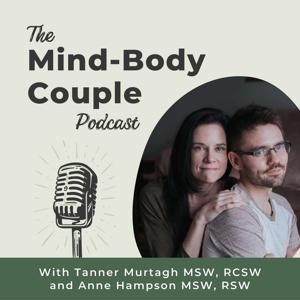
Tanner Murtagh and Anne Hampson are therapists who treat neuroplastic pain and mind-body symptoms. They are also married!
In his 20s, Tanner overcame chronic pain and a fibromyalgia diagnosis by learning his symptoms were neuroplastic, not structural. Post-healing, Tanner and Anne have dedicated their lives to developing effective treatment and education for neuroplastic pain and symptoms.
Listen and learn how to assess your own chronic pain and symptoms, gain tools to retrain the brain and nervous system, and make changes in your life and health!
The Mind-Body Couple podcast is owned by Pain Psychotherapy Canada Inc. This podcast is produced by Alex Klassen, one of the wonderful therapists at our agency in Calgary, Alberta. https://www.painpsychotherapy.ca/
Tanner, Anne, and Alex also run the MBody Community, an in-depth online course that provides a step-by-step process for assessing, treating, and resolving mind-body pain and symptoms. https://www.mbodycommunity.com
Check out Tanner's YouTube channel for more free education and practices: https://www.youtube.com/channel/UC-Fl6WaFHnh4ponuexaMbFQ
And follow us for daily education posts on Instagram: @painpsychotherapy
Disclaimer: The information provided on this podcast is for general in...
 View all episodes
 By Tanner Murtagh and Anne Hampson

4.9
1515 ratings
Your nervous system might be stuck in a state of high alert, creating very real pain and symptoms even when there's no physical damage. In this second part of our exploration into neuroplastic pain, we reveal the sensitization factors that make chronic symptoms more likely to develop.
We break down how chronic nervous system dysregulation—whether you're stuck in states of fight, flight, freeze, or fawn—creates the perfect conditions for neuroplastic symptoms to emerge. High-intensity living patterns like perfectionism, people-pleasing, and excessive worry aren't just personality traits but coping mechanisms that keep your system on constant alert. Conversely, low-intensity patterns of disconnection and isolation sensitize your system through understimulation.
Research shows people with histories of childhood adversity or trauma are 2.7 times more likely to develop conditions like chronic widespread pain, fibromyalgia, and IBS. We emphasize it's not about the size of traumatic events but how your unique nervous system responded to them. Even highly sensitive individuals can experience profound effects from events others might consider minor.
We also explore two often-overlooked trauma types: sensitization trauma (when developing symptoms becomes traumatic itself) and medical trauma (from negative healthcare experiences). Both perpetuate pain cycles by creating additional layers of nervous system dysregulation.
Finally, we discuss how negative beliefs about your body being "broken" or "permanently damaged" increase pain sensitivity. Understanding these factors isn't about assigning blame but creating space for recognition and validation—a crucial first step toward healing.
You don't need to match every criterion for your symptoms to be neuroplastic, and your belief that healing is possible can grow over time. By recognizing these patterns and gathering your own evidence, you're already beginning the journey of unlearning chronic pain and reclaiming your life.
Tanner Murtagh and Anne Hampson are therapists who treat neuroplastic pain and mind-body symptoms. They are also married!
In his 20s, Tanner overcame chronic pain and a fibromyalgia diagnosis by learning his symptoms were neuroplastic, not structural. Post-healing, Tanner and Anne have dedicated their lives to developing effective treatment and education for neuroplastic pain and symptoms.
Listen and learn how to assess your own chronic pain and symptoms, gain tools to retrain the brain and nervous system, and make changes in your life and health!
The Mind-Body Couple podcast is owned by Pain Psychotherapy Canada Inc. This podcast is produced by Alex Klassen, one of the wonderful therapists at our agency in Calgary, Alberta. https://www.painpsychotherapy.ca/
Tanner, Anne, and Alex also run the MBody Community, an in-depth online course that provides a step-by-step process for assessing, treating, and resolving mind-body pain and symptoms. https://www.mbodycommunity.com
Check out Tanner's YouTube channel for more free education and practices: https://www.youtube.com/channel/UC-Fl6WaFHnh4ponuexaMbFQ
And follow us for daily education posts on Instagram: @painpsychotherapy
Disclaimer: The information provided on this podcast is for general in...

21,138 Listeners

12,730 Listeners
667 Listeners

3,903 Listeners

2,517 Listeners

27,584 Listeners

441 Listeners
590 Listeners
365 Listeners

414 Listeners

41,512 Listeners

20,222 Listeners

228 Listeners

190 Listeners
60 Listeners