
Sign up to save your podcasts
Or

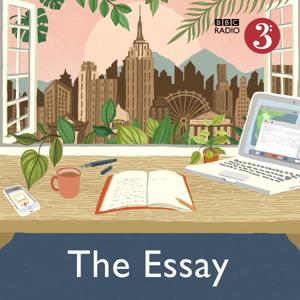

From full stops to emojis, a Tudor letter to texting - how has the use of punctuation marks developed over the centuries? Florence Hazrat thinks about the way brackets help us understand the pandemic. The first parentheses appear in a 1399 manuscript by the Italian lawyer Coluccio Salutati, but - as her essay outlines - it took over 500 years for the sign born at the same time as the bracket, the exclamation mark (which printers rather aptly call “bang”) to find its true environment: the internet.
Florence Hazrat is a Leverhulme Early Career Fellow, University of Sheffield. She is a 2021 New Generation Thinker on the scheme run by BBC Radio 3 and the Arts and Humanities Research Council to select ten academics each year to turn their research into radio.
Producer: Robyn Read
 View all episodes
 By BBC Radio 3

4.2
8282 ratings
From full stops to emojis, a Tudor letter to texting - how has the use of punctuation marks developed over the centuries? Florence Hazrat thinks about the way brackets help us understand the pandemic. The first parentheses appear in a 1399 manuscript by the Italian lawyer Coluccio Salutati, but - as her essay outlines - it took over 500 years for the sign born at the same time as the bracket, the exclamation mark (which printers rather aptly call “bang”) to find its true environment: the internet.
Florence Hazrat is a Leverhulme Early Career Fellow, University of Sheffield. She is a 2021 New Generation Thinker on the scheme run by BBC Radio 3 and the Arts and Humanities Research Council to select ten academics each year to turn their research into radio.
Producer: Robyn Read

7,664 Listeners
146 Listeners

1,049 Listeners

5,516 Listeners

1,793 Listeners
295 Listeners

1,761 Listeners

1,047 Listeners

1,921 Listeners

492 Listeners

584 Listeners
69 Listeners

410 Listeners
306 Listeners
759 Listeners
853 Listeners

128 Listeners
78 Listeners

244 Listeners
61 Listeners

52 Listeners

183 Listeners
4,160 Listeners

3,165 Listeners