
Sign up to save your podcasts
Or

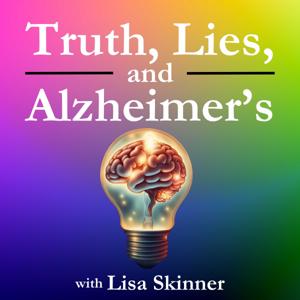

Primary Progressive Aphasia (PPA) is a neurodegenerative condition that primarily affects a person’s ability to communicate. Unlike aphasia caused by stroke or brain injury, PPA develops gradually and worsens over time, impacting speech, reading, writing, and language comprehension.
In this episode, we clarify common misconceptions surrounding aphasia and dementia, including why aphasia itself is not dementia — but how PPA can be a subtype of Frontotemporal Dementia (FTD). We also discuss why not everyone with aphasia has dementia, and why not everyone with dementia develops aphasia.
Listeners will learn:
This episode also addresses public confusion following high-profile diagnoses and explains the progression from PPA to FTD in some individuals. Understanding PPA helps caregivers and families better navigate communication changes while preserving dignity and connection for as long as possible.
About the Host:
Author Lisa Skinner is a behavioral specialist with expertise in Alzheimer’s disease and related dementia. In her 30+year career working with family members and caregivers, Lisa has taught them how to successfully navigate the many challenges that accompany this heartbreaking disease. Lisa is both a Certified Dementia Practitioner and is also a certified dementia care trainer through the Alzheimer’s Association. She also holds a degree in Human Behavior.
Her latest book, “Truth, Lies & Alzheimer’s – Its Secret Faces” continues Lisa’s quest of working with dementia-related illnesses and teaching families and caregivers how to better understand the daunting challenges of brain disease. Her #1 Best-seller book “Not All Who Wander Need Be Lost,” was written at their urging. As someone who has had eight family members diagnosed with dementia, Lisa Skinner has found her calling in helping others through the struggle so they can have a better-quality relationship with their loved ones through education and through her workshops on counter-intuitive solutions and tools to help people effectively manage the symptoms of brain disease. Lisa Skinner has appeared on many national and regional media broadcasts. Lisa helps explain behaviors caused by dementia, encourages those who feel burdened, and gives practical advice for how to respond.
So many people today are heavily impacted by Alzheimer's disease and related dementia. The Alzheimer's Association and the World Health Organization have projected that the number of people who will develop Alzheimer's disease by the year 2050 worldwide will triple if a treatment or cure is not found. Society is not prepared to care for the projected increase of people who will develop this devastating disease. In her 30 years of working with family members and caregivers who suffer from dementia, Lisa has recognized how little people really understand the complexities of what living with this disease is really like. For Lisa, it starts with knowledge, education, and training.
Thanks for listening!
Thanks so much for listening to our podcast! If you enjoyed this episode and think that others could benefit from listening, please share it using the social media buttons on this page.
Do you have some feedback or questions about this episode? Leave a comment in the section below!
Subscribe to the podcast
If you would like to get automatic updates of new podcast episodes, you can subscribe to the podcast on Apple Podcasts or Stitcher. You can also subscribe in your favorite podcast app.
Leave us an Apple Podcasts review
Ratings and reviews from our listeners are extremely valuable to us and greatly appreciated. They help our podcast rank higher on Apple Podcasts, which exposes our show to more awesome listeners like you. If you have a minute, please leave an honest review on Apple Podcasts.
 View all episodes
 By Lisa Skinner


3.9
1515 ratings
Primary Progressive Aphasia (PPA) is a neurodegenerative condition that primarily affects a person’s ability to communicate. Unlike aphasia caused by stroke or brain injury, PPA develops gradually and worsens over time, impacting speech, reading, writing, and language comprehension.
In this episode, we clarify common misconceptions surrounding aphasia and dementia, including why aphasia itself is not dementia — but how PPA can be a subtype of Frontotemporal Dementia (FTD). We also discuss why not everyone with aphasia has dementia, and why not everyone with dementia develops aphasia.
Listeners will learn:
This episode also addresses public confusion following high-profile diagnoses and explains the progression from PPA to FTD in some individuals. Understanding PPA helps caregivers and families better navigate communication changes while preserving dignity and connection for as long as possible.
About the Host:
Author Lisa Skinner is a behavioral specialist with expertise in Alzheimer’s disease and related dementia. In her 30+year career working with family members and caregivers, Lisa has taught them how to successfully navigate the many challenges that accompany this heartbreaking disease. Lisa is both a Certified Dementia Practitioner and is also a certified dementia care trainer through the Alzheimer’s Association. She also holds a degree in Human Behavior.
Her latest book, “Truth, Lies & Alzheimer’s – Its Secret Faces” continues Lisa’s quest of working with dementia-related illnesses and teaching families and caregivers how to better understand the daunting challenges of brain disease. Her #1 Best-seller book “Not All Who Wander Need Be Lost,” was written at their urging. As someone who has had eight family members diagnosed with dementia, Lisa Skinner has found her calling in helping others through the struggle so they can have a better-quality relationship with their loved ones through education and through her workshops on counter-intuitive solutions and tools to help people effectively manage the symptoms of brain disease. Lisa Skinner has appeared on many national and regional media broadcasts. Lisa helps explain behaviors caused by dementia, encourages those who feel burdened, and gives practical advice for how to respond.
So many people today are heavily impacted by Alzheimer's disease and related dementia. The Alzheimer's Association and the World Health Organization have projected that the number of people who will develop Alzheimer's disease by the year 2050 worldwide will triple if a treatment or cure is not found. Society is not prepared to care for the projected increase of people who will develop this devastating disease. In her 30 years of working with family members and caregivers who suffer from dementia, Lisa has recognized how little people really understand the complexities of what living with this disease is really like. For Lisa, it starts with knowledge, education, and training.
Thanks for listening!
Thanks so much for listening to our podcast! If you enjoyed this episode and think that others could benefit from listening, please share it using the social media buttons on this page.
Do you have some feedback or questions about this episode? Leave a comment in the section below!
Subscribe to the podcast
If you would like to get automatic updates of new podcast episodes, you can subscribe to the podcast on Apple Podcasts or Stitcher. You can also subscribe in your favorite podcast app.
Leave us an Apple Podcasts review
Ratings and reviews from our listeners are extremely valuable to us and greatly appreciated. They help our podcast rank higher on Apple Podcasts, which exposes our show to more awesome listeners like you. If you have a minute, please leave an honest review on Apple Podcasts.
21,954 Listeners

2,032 Listeners

9,194 Listeners

996 Listeners
169 Listeners
8,043 Listeners

27,584 Listeners
69 Listeners

8,238 Listeners

3,370 Listeners

29,272 Listeners
11 Listeners

2,131 Listeners

20,222 Listeners

1,246 Listeners