
Sign up to save your podcasts
Or

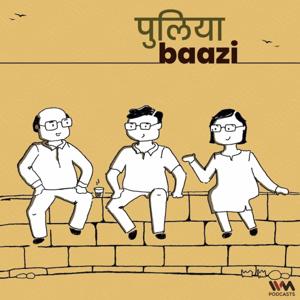


एक पेंशन का हमारे पॉपुलर कल्चर में बड़ा महत्व है। बुढ़ापे में पेंशन का आश्वासन एक बड़ा कारण है जिसकी वजह से हर सरकारी नौकरी के लिए आवेदकों की भीड़ उमड़ पड़ती है। तो पेन्शन - ये संकल्पना आख़िर शुरू कब से हुई? सरकार कम्पनियों पर पेन्शन देना बाध्य क्यों करती है? भारत में कितने प्रकार के पेन्शन है? आगे जाकर ये पेन्शन क्या रूप धारण कर सकते हैं? ये One Rank One Pension (OROP) है क्या? ऐसे कुछ सवालों की मदद से हमने पुलियाबाज़ी की अर्थशास्त्री रेणुका साने के साथ। रेणुका पेंशन फाइनेंस में महारथ रखती है। इस एपिसोड में उन्होंने सरकारी पेंशन प्रणाली का विस्तार में ब्यौरा दिया है।
The word “pension” is synonymous with old-age security. After the second world war, the scope and reach of this financial instrument have expanded all over the world. But does this mechanism make sense in the new economy? What are the pension schemes that the Government of India runs? Can the Indian government afford a scheme like One Rank One Pension (OROP)? In this episode, economist Renuka Sané (@resanering) discusses the economics of pensions in detail. Renuka is an Associate Professor at the National Institute of Public Finance and Policy and is an expert on India’s pension system.
For more:
The way forward for India's National Pension System, Renuka Sane and Susan Thomas, IGIDR Working Paper
Pricing the OROP, Renuka Sane and Ajay Shah, Mint
Is India’s rising defence pension bill affecting modernisation of military? 5 myths busted, Lt Gen Prakash Menon and Pranay Kotasthane, ThePrint
The Safety of a Good Pension, The Pragati Podcast episode feat. Renuka Sane
The Indian Pension Reform, Ajay Shah’s slides describing the reform journey
Takshashila Discussion Document — A Human Capital Investment Model for India’s National Security System, Lt Gen Prakash Menon and Pranay Kotasthane
Puliyabaazi is on these platforms:
Twitter: https://twitter.com/puliyabaazi
Instagram: https://www.instagram.com/puliyabaazi/
Subscribe & listen to the podcast on iTunes, Google Podcasts, Castbox, AudioBoom, YouTube, Spotify or any other podcast app.See omnystudio.com/listener for privacy information.
आये दिन ऐसा लगता है सांप्रदायिक मन-मुटाव बढ़ता जा रहा है। हिन्दू-मुसलमान पुलियाबाज़ी सिर्फ बयानबाज़ी रह गयी है। तो इस बार हमने बात की लेखक और सम्पादक ग़ज़ाला वहाब (@ghazalawahab) से जिनकी नयी किताब Born a Muslim भारतीय इस्लाम पर रौशनी डालती है और कई मनघडंत धारणाओं को ख़ारिज करती है।
Tolerance between religions has been a defining value of Indianness. And yet, this sentiment has been shaken in recent years. WhatsApp groups are flooded with forwards spreading blatantly false narratives with an intent to communalize Indian society. So in this episode, we speak with author Ghazala Wahab about her latest book Born a Muslim. Ghazala discusses Indian Islam and busts many myths that have flourished because of declining contact between communities.
For more:
Ghazala Wahab’s book Born a Muslim
Influence of Islam on Indian Culture, book by Tara Chand
A History of the Arab Peoples, book by Albert Hourani
Ghazala’s Manthan talk on YouTube
Ep. 53: सीएए और एनआरसी: इंसानों का डिमॉनेटाईसेशन
Puliyabaazi is on these platforms:
Twitter: https://twitter.com/puliyabaazi
Instagram: https://www.instagram.com/puliyabaazi/
Subscribe & listen to the podcast on iTunes, Google Podcasts, Castbox, AudioBoom, YouTube, Spotify or any other podcast app.
See omnystudio.com/listener for privacy information.
१९९१ में भारत में एक सामाजिक और आर्थिक क्रांति आई। आर्थिक सुधारों ने 25 करोड़ भारतियों को गरीबी से निकाला और भारत को विश्व भर में एक नयी पहचान दी। इस क्रांति को आए पिछले महीने ३० साल हो गए। तो इसी विषय पर पुलियाबाज़ी करने लौट रही है अर्थशास्त्री श्रुति राजगोपालन (@srajagopalan)।
This July marked thirty years of India’s economic liberalization reforms. These reforms transformed India. The resultant growth in the economy is single-handedly responsible for the reduction in India’s poverty. So this Puliyabaazi is about life before 1991, why India chose the path it did after independence, and the reforms that remained unfinished in 1991. Joining us is Shruti Rajagopalan (@srajagopalan), Senior Research Fellow at the Mercatus Center. She and her colleagues have started The 1991 Project to document essays, data visualizations, oral histories, podcasts, and policy papers demystifying the Indian economy and the 1991 reforms.
For more:
The 1991 Project -- the project portal. Read Shruti’s lead essay here.
The M document -- A paper for internal discussion in government prepared by Montek S Ahluwalia, Special Secretary to the Prime Minister, in May 1990
IndiaBefore91.in -- Stories of Life under the License Raj
Ep.13: जो मेरा है, क्या वो सच में मेरा है? -- Puliyabaazi with Shruti Rajagopalan on property rights
Ep. 37: ये लिबरल आख़िर है कौन? -- Puliyabaazi with Amit Varma on liberalism and FA Hayek’s writings
To the Brink and Back: India’s 1991 Story: India's 1991 Story -- Jairam Ramesh’s book on a ringside view of the economic reform period.
The Importance of the 1991 Reforms -- The Seen & the Unseen Podcast episode with Ajay Shah and Shruti Rajagopalan
Puliyabaazi is on these platforms:
Twitter: https://twitter.com/puliyabaazi
Instagram: https://www.instagram.com/puliyabaazi/
Subscribe & listen to the podcast on iTunes, Google Podcasts, Castbox, AudioBoom, YouTube, Spotify or any other podcast app.See omnystudio.com/listener for privacy information.
और सुनते-सुनाते, पुलियाबाज़ी का शतक पूरा हो गया। तो ये वाली पुलियाबाज़ी पुलियाबाज़ी पर ही है। इस सेंचुरी एपिसोड के स्पेशल होस्ट है विनीत देवैया (@VineetDevaiah) और हॉट सीट पर है सौरभ और प्रणय। हमने बात की पुलियाबाज़ी के सफर, उद्देश्य और भविष्य की। सभी श्रोताओं को बहुत बहुत धन्यवाद - सुनते रहियेगा!
Puliyabaazi reaches three figures with this episode. Over the last three and half years, we have attempted to stitch together one interesting conversation every fortnight. So, for this century's special episode, we did something different. The special host for this episode is tech entrepreneur, Puliyabaazi guest, and avid listener, Vineet Devaiah (@VineetDevaiah). On the hot seat are hosts Saurabh and Pranay, discussing the Puliyabaazi story with Vineet. We talked about our failures, listener feedback, and what lies ahead for this project.
Keep listening and thanks to all our listeners. You make it worth the effort.
For more:
Vineet and Ashwin’s NBA Podcast, Ball is Bae
Ep58 with Vineet Devaiah on Virtual Reality
Ep. 99: सच की खोज: एक Archaeologist से मुलाक़ात -- One of our all-time favorite episodes
Ep98 -- Vineet disagrees with our view on population policy in this episode.
Ep01 -- Our first episode, on AI
Ep06 -- one of the first in-depth discussions in Hindi on Bitcoin
Our China series with Manoj Kewalramani, Sunny Mewati, and Sana Hashmi -- 1, 2, 3, 4, 5
Arthashastra special with Kajari Kamal -- part 1, part 2
Our episodes on Ambedkar -- part 1, part 2
Our episode with Alok Shukla on Electronic Voting in India
Our episode on liberalism with Amit Varma
The Use of Knowledge in Society -- by FA Hayek
The Road to Serfdom -- by FA Hayek
Law, Legislation, and Liberty -- by FA Hayek
Ep39 -- Our episode on Liberal Nationalism with Nitin Pai
Ep71 -- Our episode with Abhishek Avtans on Hindi-Urdu
Ep73 -- Special episode with listener guest Rohit Sharma on the 1857 war
Ep86 -- Our episode with Chandrabhan Prasad on Dalit Capitalism
Ep69 -- Our episode on Tagore-Gandhi Debates
Ep93 -- Our episode with Vishwanath S on groundwater in India
The Reith Lectures Podcast
Puliyabaazi is on these platforms:
Twitter: https://twitter.com/puliyabaazi
Instagram: https://www.instagram.com/puliyabaazi/
Subscribe & listen to the podcast on iTunes, Google Podcasts, Castbox, AudioBoom, YouTube, Spotify or any other podcast app.
See omnystudio.com/listener for privacy information.
ये एपिसोड है पुरातत्वशास्त्र पर। सिंधु घाटी सभ्यता के बारे में आये दिन कई धारणाएं सुनने मिलती है। लेकिन हम दावे के साथ आखिर क्या कह सकते है? इसी सवाल पर एक दिलचस्प पुलियाबाज़ी पुरातत्वशास्त्री दिशा अहलूवालिया के साथ।
The Indus Valley Civilisation is a celebrity of sorts within India’s rich cultural heritage. In this puliyabaazi we speak to archaeologist Disha Ahluwalia (@ahluwaliadisha) about the profession and new archaeological findings of bronze-age civilizations.
For more:
A History of Ancient and Early Medieval India by Upinder Singh
Sanauli’s Mysterious ‘Warriors’, by Disha Ahluwalia on Live History India
Puliyabaazi is on these platforms:
Twitter: https://twitter.com/puliyabaazi
Facebook: https://www.facebook.com/puliyabaazi
Instagram: https://www.instagram.com/puliyabaazi/
Subscribe & listen to the podcast on iTunes, Google Podcasts, Castbox, AudioBoom, YouTube, Spotify, or any other podcast app.See omnystudio.com/listener for privacy information.
In this #By2 episode, Saurabh and Pranay discuss three questions:
What explains the rising petrol and diesel prices?
Why is the Chinese government reversing its one-child policy?
What are the implications of the economic and social disparities between India’s southern and northern states?
अगली #By2 पुलियाबाज़ी में सौरभ और प्रणय तीन मुद्दों पर चर्चा कर रहे हैं:
पेट्रोल और डीज़ल १०० का आंकड़ा क्यों छू रहे हैं?
चीन की सरकार अपनी “हम दो, हमारी एक” जनसंख्या नियंत्रण नीति क्यों हटाना चाहती है?
भारत के उत्तर और दक्षिण राज्यों के आर्थिक व सामाजिक अंतर के क्या राजनीतिक परिणाम हो सकते है?
For more:
Bring Petrol under GST, All Things Policy Podcast episode 598
China, the Middle-Aged Kingdom, All Things Policy Podcast episode 223
The Paradox of India’s North–South Divide: Lessons from the States and Regions, Samuel Paul and Kala Sreedhar
Puliyabaazi is on these platforms:
Twitter: https://twitter.com/puliyabaazi
Facebook: https://www.facebook.com/puliyabaazi
Instagram: https://www.instagram.com/puliyabaazi/
Subscribe & listen to the podcast on iTunes, Google Podcasts, Castbox, AudioBoom, YouTube, Spotify or any other podcast app.See omnystudio.com/listener for privacy information.
Why are Indian cities the way they are? How do we define a good city? And what should the future of urbanized India be like? In the next Puliyabaazi, we discuss these questions and a lot more, with Dr Anjali Karol Mohan, an urban and regional planner.
हमारे समाज की समृद्धि के लिए शहरीकरण ज़रूरी है। इसके बावजूद हमारे शहरों की अवस्था को देखकर अक्सर खीज और निराशा के भाव मंडराने लगते है। तो इस एपिसोड में हमने बात की शहरी नियोजक डॉ. अंजली करोल मोहन से एक अच्छे शहर की संकल्पना पर।
For more:
Bird's eye view of city planning is full of blur, by Anjali Karol Mohan, India Together
The Prophecies of Jane Jacobs, by Nathaniel Rich, The Atlantic
Bengaluru, sans a city plan, by Anjali Karol Mohan, Deccan Herald
Puliyabaazi is on these platforms:
Twitter: https://twitter.com/puliyabaazi
Facebook: https://www.facebook.com/puliyabaazi
Instagram: https://www.instagram.com/puliyabaazi/
Subscribe & listen to the podcast on iTunes, Google Podcasts, Castbox, AudioBoom, YouTube, Spotify or any other podcast app.See omnystudio.com/listener for privacy information.
Gender discrimination is all around us — at homes, workplaces, and in relationships. It starts before a child’s birth and doesn’t go away even in death rituals. And this holds true even in elite India. So, in this episode, we speak to Mahima Vashisht (@mahimavashisht), who is showing Indians the mirror, one story, and one meme at a time, on Womaning in India.
लैंगिक भेदभाव के बारे में हमारी आँखों पर एक पर्दा पड़ा रहता है. सर्वत्र होते हुए भी अक़्सर हम सब इसे अनदेखा करते है. इस एपिसोड में लेखिका महिमा वशिष्ट आँखों से पर्दा हटा कर कुछ कड़वे सच उजागर कर रही हैं.
For more:
Subscribe to Mahima’s awesome newsletter Womaning in India
‘Why Loiter?’, a book by Shilpa Phadke, Sameera Khan, and Shilpa Ranade
Alice Evans and Shruti Rajagopalan on the Great Gender Divergence, Ideas of India Podcast
How Did East Asia Overtake South Asia?, by Alice Evans
Puliyabaazi is on these platforms:
Twitter: https://twitter.com/puliyabaazi
Facebook: https://www.facebook.com/puliyabaazi
Instagram: https://www.instagram.com/puliyabaazi/
Subscribe & listen to the podcast on iTunes, Google Podcasts, Castbox, AudioBoom, YouTube, Spotify, or any other podcast app.
See omnystudio.com/listener for privacy information.
Our governments roll out many laws and regulations. When these laws fail to have the desired effect, we either blame the implementation deficit or the citizens. But what if the problem was in the design of the law itself? Is there a way to design better laws? In the Puliyabaazi, we are joined by the Centre of Civil Society’s Prashant Narang (@law_et_al) and Jayana Bedi on how to measure the Quality of Indian Laws.
हम अक्सर सुनते है कि भारतीय नियम-क़ानून बहुत पेचीदा है। लेकिन इस पेचीदगी के मापदंड क्या है? हमारे कानूनों की गुणवत्ता कैसे परखी जाए? इसी विषय पर ये पुलियाबाज़ी सेंटर फॉर सिविल सोसाइटी के प्रशांत नारंग और जयना बेदी के साथ|
For more:
Paper on quantitative Analysis of National laws, Jayana Bedi and Prashant Narang
Visualisation of quantitative metrics obtained for national and state laws
Quality of Laws Toolkit
Quantitative analysis of all state school education laws
Puliyabaazi is on these platforms:
Twitter: https://twitter.com/puliyabaazi
Facebook: https://www.facebook.com/puliyabaazi
Instagram: https://www.instagram.com/puliyabaazi/
Subscribe & listen to the podcast on iTunes, Google Podcasts, Castbox, AudioBoom, YouTube, Spotify or any other podcast app.See omnystudio.com/listener for privacy information.
Most Indian languages share the same phonetic structure and yet have vastly different scripts, making communication across languages difficult. Moreover, each script has its own peculiarities steepening the learning curve for adults and children alike. To tackle this challenge, a team at IIT Madras designed a novel and technology-friendly Indic script — Bharati — that can be used to write in multiple Indian languages. In this Puliyabaazi, we speak to two members from the Bharati Team — Prof V Srinivasa Chakravarthy and Anubhooti Soni — about Indian languages, their similarities, and the need for a common script.
भारत की भिन्न-भिन्न भाषाओँ को एक चीज़ जोड़ती है - उनकी मूलभूत संरचना. इसके बावजूद हमारी भाषाओं की लिपियाँ कम ही मेल खाती है. इस वजह से एक दुसरे की भाषाएँ समझना और सीखना मुश्किल हो जाता है. इसी चुनौती को सुलझाने के लिए IIT मद्रास की एक टीम ने एक ऐसी लिपि का ईजाद किया है जिसके ज़रिए भारत की हर प्रमुख भाषा को लिखा-पढ़ा जा सकता है. इस पुलियाबाज़ी में चर्चा इसी दिलचस्प विषय पर.
For more:
One Billion People. One Script. TEDx Talk by Srinivasa Chakravarthy
Video: Bharati Script: Short, Sweet and Fast-Paced
Video: Bharati: The Unified Indian Script
Bharati Webpage: https://bharatiscript.wordpress.com/genesis/
Android Apps for Bharati: Bharati Keyboard, Bharati Handwriting Keyboard, Bharati Jumble Tumble, and Bharati Transliterator
Bharati Primers: Bodo, Kannada, Tamil, Sanskrit
Transliterated works: Hindi, Bengali, Tamil, Sanskrit
Puliyabaazi #71 with Abhishek Avtans on Hindi-Urdu
The Elegance of the Devanagari Script by Navin Kabra
Puliyabaazi is on these platforms:
Twitter: https://twitter.com/puliyabaazi
Facebook: https://www.facebook.com/puliyabaazi
Instagram: https://www.instagram.com/puliyabaazi/
Subscribe & listen to the podcast on iTunes, Google Podcasts, Castbox, AudioBoom, YouTube, Spotify or any other podcast app.
See omnystudio.com/listener for privacy information.
From the publisher's feed

8,772 Listeners

158 Listeners

5 Listeners

27 Listeners

1 Listeners

4 Listeners

34 Listeners

14 Listeners

7 Listeners

7 Listeners

56 Listeners

88 Listeners

39 Listeners

10,107 Listeners
289 Listeners

552 Listeners

40 Listeners

13 Listeners

2 Listeners

15 Listeners

10 Listeners
94 Listeners

11 Listeners