
Sign up to save your podcasts
Or

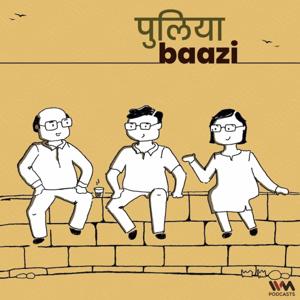


India’s connection with groundwater is recorded as far back as the Indus Valley Civilisation. What are the consequences of relying on groundwater? How can over-extraction of groundwater resources be contained? What role can you play in water conservation? We discuss all these questions and more in this episode with S Vishwanath (@zenrainman), the urban planner and water conservation expert.
वैसे तो भारत में कई नदियाँ है पर ज़्यादातर भारतीय सदियों से भूजल पर निर्भर रहे हैं। यहाँ तक कि सिंधु घाटी सभ्यता के पुरातत्व-अवशेष में भी कई कुँवें पाए गए हैं. तो इस एपिसोड में हमने भारत की भूजल व्यवस्था के बारे में विस्तार से चर्चा की जल संरक्षक विश्वनाथ एस. के साथ. कुछ सवाल जिन पर हमने चर्चा की:
हमारे समाज में नदियों को बहुत महत्व दिया गया है - नदियों को भगवानस्वरूप माना जाता है, क्या ऐसा सम्मान कुँवो को भी मिलता देखा है?
भारत भूजल पर इतना निर्भर क्यों है? क्या भारत अपवाद है इस मामले में? क्या होता है भूजल पर निर्भर होने का नतीजा? क्या फ़ायदे है और क्या नुक़सान?
भारत में बोरवेल टेक्नॉलोजी में कैसे महारथ हासिल कर ली?
भूजल कहाँ मिलता है? क्या साइयन्स है इसमें? हम अक़्सर सुनते है कि बोरवेल खोदा एक बोरवेल से दो मीटर दूर और पानी तो मिला ही नहीं। ये लॉटरी ही है क्या अभी भी?
क्या भूजल को अभी भी निजी संपत्ति माना जाता है? अगर आप कोई ज़मीन के मालिक है तो उसके नीचे के पानी के भी मालिक हो जाते है क्या? दूसरे देशों में और कोई मॉडल है जिसने भूजल का उपयोग बेहतर किया हो?
पानी की मीटरिंग करने से क्या लोग अपनी खपत कम करते है?
सरकार, समाज, और बाजार क्या कर सकते है हमारी भूजल समस्या को सुलझाने के लिए?
For more:
Vishwanath’s writings in The Hindu on water governance
Vishwanath’s interview on A Million Recharge Wells Project
Puliyabaazi is on these platforms:
Twitter: https://twitter.com/puliyabaazi
Facebook: https://www.facebook.com/puliyabaazi
Instagram: https://www.instagram.com/puliyabaazi/
Subscribe & listen to the podcast on iTunes, Google Podcasts, Castbox, AudioBoom, YouTube, Spotify or any other podcast app.See omnystudio.com/listener for privacy information.
The horse has been so central to human civilisation that the history of this majestic animal alone reveals a lot about our own past. So in this episode, Yashaswini Chandra, author of the new book The Tale of the Horse: A History of India on Horseback gives a masterclass on the history of horses in India.
घोडा - इस जानवर का भारतीय संस्कृति से गहरा नाता रहा है | घोड़ों का उल्लेख हमारी पौराणिक कथाओं में, इतिहास में, कला-साहित्य में, मुहावरों में, और बॉलीवुड में भी मिलता है | तो इस एपिसोड में इतिहासकार और घुड़सवार यशस्विनी चंद्र भारत में घोड़ों के उपयोग, व्यापार, और इंसानी लगाव की कहानी बयाँ कर रही है |
For more:
The Tale of the Horse: A History of India on Horseback, Book by Yashaswini Chandra
India’s native horses disappeared by 8000 BC. But Rig Veda mentions them more than the cow, Yashaswini Chandra in ThePrint
Puliyabaazi is on these platforms:
Twitter: https://twitter.com/puliyabaazi
Facebook: https://www.facebook.com/puliyabaazi
Instagram: https://www.instagram.com/puliyabaazi/
Subscribe & listen to the podcast on iTunes, Google Podcasts, Castbox, AudioBoom, YouTube, Spotify or any other podcast app.See omnystudio.com/listener for privacy information.
In this #By2, Saurabh and Pranay discuss the ongoing case in the Supreme Court on increasing the reservation cap beyond 50% and the role of universities in society. In the #KBP section, they discuss listener questions.
इस #By2 में पुलियाबाज़ी आरक्षण पर चल रहे सुप्रीम कोर्ट केस पर, और एक समाज में विश्वविद्यालय के मक़सद पर। इसके अलावा चर्चा श्रोताओं के कुछ बढ़िया सवालों पर।
For more:
Indra Sawhney vs Union of India Judgment of the Supreme Court (1992)
Kalven Committee Report on the University’s Role in Political and Social Action, University of Chicago, 1967
Puliyabaazi #2: ये Republic क्या बला है?
Puliyabaazi #89: सामाजिक न्याय की क़श्मक़श. Affirmative Action in India
Puliyabaazi #87: जबरन का चंदा. Compulsory Philanthropy.
Puliyabaazi is on these platforms:
Twitter: https://twitter.com/puliyabaazi
Facebook: https://www.facebook.com/puliyabaazi
Instagram: https://www.instagram.com/puliyabaazi/
Subscribe & listen to the podcast on iTunes, Google Podcasts, Castbox, AudioBoom, YouTube, Spotify or any other podcast app.
See omnystudio.com/listener for privacy information.
How has the retail sector sector evolved in India? Why does India have so many small shops? How is technology impacting retail trade? How did the concept of “Sachetisation” come about? We discuss these questions and more in this deepdive on Indian retail with go-to market strategy consultant, Amit Mittal, who is also an ardent Puliyabaazi listener.
भारत में इतनी किराना दुकानें क्यों हैं? टेक्नोलॉजी और ई-कॉमर्स के आने से छोटी दुकानों में क्या बदलाव आए हैं? सरकार रिटेल क्षेत्र को बढ़ावा कैसे दे सकती है? ऐसे ही कुछ दिलचस्प सवालों के सहारे हमने भारत में रिटेल को समझने की कोशिश की. इस पुलियाबाज़ी में हमारे गेस्ट है स्ट्रेटेजी कंसलटेंट अमित मित्तल.
For more:
Retail Transformation, Boston Consulting Group
Online retail majors focus on sprawling small retailer base to boost reach, Surajeet Das Gupta, Business Standard
Puliyabaazi is on these platforms:
Twitter: https://twitter.com/puliyabaazi
Facebook: https://www.facebook.com/puliyabaazi
Instagram: https://www.instagram.com/puliyabaazi/
Subscribe & listen to the podcast on iTunes, Google Podcasts, Castbox, AudioBoom, YouTube, Spotify or any other podcast app.
See omnystudio.com/listener for privacy information.
Deborah Stone in her textbook Policy Paradox, describes the paradox of distribution thus: “equality often means inequality, and equal treatment often means unequal treatment. The same distribution may look equal or unequal, depending on where you focus.”
So in this #By2 episode, Saurabh and Pranay discuss affirmative action and the paradox of distribution in India. They discuss the dominant modes of affirmative action, the difference between fairness and equality, and the impossibility of designing an affirmative action that is equal in all respects.
इस एपिसोड में प्रणय और सौरभ चर्चा कर रहे हैं आरक्षण, कोटा जैसे सामाजिक न्याय के तरीकों पर।
For more:
Look Beyond Quotas for Equality, Pranay Kotasthane and Nitin Pai in FirstPost
Anticipating the Unintended #72
Policy Paradox, book by Deborah Stone
Puliyabaazi is on these platforms:
Twitter: https://twitter.com/puliyabaazi
Facebook: https://www.facebook.com/puliyabaazi
Instagram: https://www.instagram.com/puliyabaazi/
Subscribe & listen to the podcast on iTunes, Google Podcasts, Castbox, AudioBoom, YouTube, Spotify or any other podcast app.
See omnystudio.com/listener for privacy information.
In the past, India has played a significant role in mediating peace in conflicts involving major powers. However, this zeal has waned over the last few decades. In this episode, Raja Karthikeya, who has worked on several peace issues in West Asia, argues that India must revive the peace mediation agenda for its own national interest. He dispels commonly held notions that have constrained India’s imagination and action as an international peace mediator. This episode builds on Raja’s chapter in the book India's Marathon: Reshaping the Post-Pandemic World Order.
आम तौर पर ये धारणा है कि भारत को दूसरे देशों के झगड़ों से दो गज़ की दूरी बनाई रखनी चाहिए, पहले खुद के झगड़े निपटाए और फिर ही दूसरे देशों के मामलों में सोचें। लेकिन इस एपिसोड में राजा कार्तिकेय कहते है कि सोचने का ये नज़रिया ग़लत है। शांति मध्यस्थता में सक्रिय होने से भारत को सीधा सीधा लाभ भी है और भारत इस ज़िम्मेदारी को उठाने में सक्षम भी है। राजा कई पश्चिम एशिया में शांति मध्यस्थता प्रक्रियाओं का हिस्सा रह चुके हैं।
For more:
Read Raja’s chapter in India's Marathon: Reshaping the Post-Pandemic World Order, editors Pranay Kotasthane, Anirudh Kanisetti, and Nitin Pai.
70 years of the Korean War: India’s lesser-known role in halting it, Neha Banka for Indian Express
Raja’s previous appearance on Puliyabaazi #24
For an Indian Touch in Timor-Leste, Nitin Pai
Puliyabaazi is on these platforms:
Twitter: https://twitter.com/puliyabaazi
Facebook: https://www.facebook.com/puliyabaazi
Instagram: https://www.instagram.com/puliyabaazi/
Subscribe & listen to the podcast on iTunes, Google Podcasts, Castbox, AudioBoom, YouTube, Spotify or any other podcast app.
See omnystudio.com/listener for privacy information.
In the next #By2 series, Saurabh and Pranay discuss three things. One, a solution for changing incentives of government companies without an outright sale of all assets. Two, the absolute joy of seeing and hearing Mars courtesy NASA’s Perseverance. And three, why mandatory corporate social responsibility provisions are counterproductive.
इस एपिसोड में तीन मुख़्तलिफ़ मुद्दों पर #By2 पुलियाबाज़ी। एक, निजीकरण की गति बढ़ाने के लिए एक नया सुझाव। दो, मंगल गृह की तस्वीरें। और तीन, कम्पनियों पर सरकार का बोझ डालने का परिणाम|
For more:
Ep. 42: सरकारी काम इतना रुलाते है, सब बेच डालें क्या?
Five Paths of Disinvestment in India by Sudipto Banerjee, Renuka Sane, and Srishti Sharma
Does Mandated Corporate Social Responsibility Reduce Intrinsic Motivation? Evidence from India, by Shivram Rajgopal and Prasanna Tantri
Anticipating the Unintended #108 on compulsory philanthropy
Puliyabaazi is on these platforms:
Twitter: https://twitter.com/puliyabaazi
Facebook: https://www.facebook.com/puliyabaazi
Instagram: https://www.instagram.com/puliyabaazi/
Subscribe & listen to the podcast on iTunes, Google Podcasts, Castbox, AudioBoom, YouTube, Spotify or any other podcast app.
See omnystudio.com/listener for privacy information.
Well-known journalist, author, and entrepreneur Chandran Bhan Prasad (@cbhanp) is on Puliyabaazi to discuss his latest book What is Ambedkarism?. Mr Prasad makes a case for capitalism as a way for achieving Dalit empowerment. In this episode, we also discuss Ambedkar’s ideas on dalit politics and economics.
इस एपिसोड में हमने चर्चा की प्रसिद्ध पत्रकार, लेखक, और विचारक चंद्रभान प्रसाद (@cbhanp) से. इस पुलियाबाज़ी में उन्होंने अपनी नई किताब What is Ambedkarism? और दलित पूंजीवाद के महत्व पर विस्तार से बातें की.
For more:
What is Ambedkarism?, book by Chandra Bhan Prasad
Defying the Odds: The Rise of Dalit Entrepreneurs, book by Devesh Kapur, D Shyam Babu, and Chandra Bhan Prasad
Ideas for India Podcast episode with Chandra Bhan Prasad
Dr BR Ambedkar’s Writings and Speeches, Volume 17, Part-1 has the Scheduled Castes Federation Manifesto that we discuss in the episode.
Dalit Diary, a weekly column at the Pioneer that Chandra Bhan Prasad wrote.
Puliyabaazi is on these platforms:
Twitter: https://twitter.com/puliyabaazi
Facebook: https://www.facebook.com/puliyabaazi
Instagram: https://www.instagram.com/puliyabaazi/
Subscribe & listen to the podcast on iTunes, Google Podcasts, Castbox, AudioBoom, YouTube, Spotify or any other podcast app.
See omnystudio.com/listener for privacy information.
Last few days witnessed two significant moves by radically networked societies. Retail investors rallied around a stock to take on a hedge fund management company in the US. Meanwhile, tweets by US celebrities on the ongoing farmer protests in northern India put the government on the defensive. So in the #By2, Pranay and Saurabh discuss how radically networked societies are challenging the State and what the State can do in response.
In the Kuch Bhi Poocho #KBP section, they discuss listener questions on promotion of Hindi and the unemployment scenario in India.
इंटरनेट के माध्यम से जुड़ कर लोग राजतंत्र के सामने नई चुनौतियाँ रख रहे है. पिछले हफ़्तों में ही इस झड़प के दो रूप देखने मिले, तो ये पुलियाबाज़ी इसी विषय पर.
For more:
Politics of Radically Networked Societies, chapter by Sneha Shankar and Nitin Pai
Radically Networked Societies, Pranay Kotasthane and Amit Varma, The Seen and the Unseen episode 158
Twitter and Tear Gas, book by Zeynep Tufekci
Liberty & Security in Radically Networked Societies: A Challenge for Every Generation, chapter by Pranay Kotasthane and Nitin Pai
Puliyabaazi is on these platforms:
Twitter: https://twitter.com/puliyabaazi
Facebook: https://www.facebook.com/puliyabaazi
Instagram: https://www.instagram.com/puliyabaazi/
Subscribe & listen to the podcast on iTunes, Google Podcasts, Castbox, AudioBoom, YouTube, Spotify or any other podcast app.
See omnystudio.com/listener for privacy information.
Economist Ronald Coase said that “If you torture the data long enough, it will confess.” With data being used in narratives all around us, this quote has never been more salient. So in this episode, Karthik Shashidhar (@karthiks) returns to Puliyabaazi to discuss some common pitfalls of data analysis and how to avoid them.
आंकड़ों का सहारा लेकर कई सच्ची झूठी कहानियाँ बनाई जा सकती हैं। इसीलिए डेटा साक्षरता ज़रूरी है आज के दौर में। तो इस एपिसोड में कार्तिक शशिधर चर्चा कर रहे है आँकड़ों के सही इस्तेमाल पर।
For more:
How to Lie with Statistics, a book by Darrell Huff
Karthik’s columns in Mint analysing data on electoral performance and cricket
The Signal and the Noise, a book by Nate Silver
Fooled by Randomness, a book by Nassim Nicholas Taleb
Luck is all around, Amit Varma, The Hindu BusinessLine
Puliyabaazi is on these platforms:
Twitter: https://twitter.com/puliyabaazi
Facebook: https://www.facebook.com/puliyabaazi
Instagram: https://www.instagram.com/puliyabaazi/
Subscribe & listen to the podcast on iTunes, Google Podcasts, Castbox, AudioBoom, YouTube, Spotify or any other podcast app.See omnystudio.com/listener for privacy information.
From the publisher's feed

8,772 Listeners

158 Listeners

5 Listeners

27 Listeners

1 Listeners

4 Listeners
34 Listeners
14 Listeners

7 Listeners

7 Listeners

56 Listeners

88 Listeners

39 Listeners

10,107 Listeners

289 Listeners

552 Listeners

40 Listeners

13 Listeners

2 Listeners

15 Listeners

10 Listeners

94 Listeners

11 Listeners