
Sign up to save your podcasts
Or

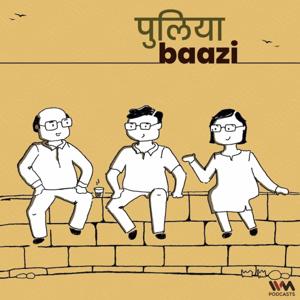


बलोचिस्तान आजकल भारत में एक बहुचर्चित विषय हो गया है | प्रधानमंत्री मोदी ने तीन साल पहले अपने स्वतंत्रता दिवस भाषण में इसका उल्लेख किया | इससे पहले पाकिस्तान ने भारत के एक नागरिक कुलभूषण जाधव को ईरान से कब्ज़े में ले लिया और आरोप लगाया कि भारत की ख़ुफ़िया एजेंसी R&AW बलोचिस्तान में आतंकवादी गतिविधियों को बढ़ावा दे रही है |
तो इस बार की पुलियाबाज़ी बलोचिस्तान पर तिलक देवाशर के साथ | देवाशर जी Pakistan: The Balochistan Conundrum के लेखक है और पाकिस्तान मामलों पर पिछले चार दशकों से काम कर रहे है | उनसे हमने चर्चा की इन सवालों पर:
In this week’s episode, we discuss the political history, present, and future of Balochistan. The Baloch people are spread across three modern nation-states - a handiwork of the British rule. In two of them - Iran and Pakistan - they are an oppressed minority.
Pakistani Balochistan itself occupies 44 per cent of Pakistan’s area but accounts for less than 5 per cent of its population. Politically, the idea of the Baloch nation has been at loggerheads with the idea of Pakistan even before the latter’s independence. That struggle continues to this day.
What are the roots of this insurgency and what is its likely future? Tilak Devasher, a former R&AW senior official and author of Pakistan: The Balochistan Conundrum joins us in this Puliyabaazi to uncover the politics of Balochistan and its troublesome relationship with the Pakistani State. Reading List:
Puliyabaazi is on these platforms: Twitter: https://twitter.com/puliyabaazi Facebook: https://www.facebook.com/puliyabaazi Instagram: https://www.instagram.com/puliyabaazi/ Subscribe & listen to the podcast on iTunes , Google Podcasts , Castbox , AudioBoom or any other podcast app.
See omnystudio.com/listener for privacy information.
बौद्धिक सम्पदा: पेटेंट, कॉपीराइट, और ट्रेड सीक्रेट की कहानी कोका कोला के ट्रेड सीक्रेस्ट फॉर्मूले की कहानियाँ तो सभी ने सुनी है | पर यह कॉपीराइट, पेटेंट, और ट्रेड सीक्रेट आख़िर है क्या? बौद्धिक सम्पदा (Intellectual Property) के अधिकार के यह सभी साधन एक अर्थव्यवस्था के लिए क्या फ़ायदे-नुक़सान लाते हैं? इसी विषय पर सुनिए अगली पुलियाबाज़ी मिहिर महाजन के साथ जो पेटेंट नीति विशेषज्ञ है | कुछ सवाल जिनपर हमारी चर्चा हुई:
One of the issues in the ongoing US-China trade conflict is rampant intellectual property theft by China. This term — intellectual property rights — is one of those which we often hear about but know very little about. Why are such rights important? How do citizens benefit from a sound intellectual property regime? Are anti-trust laws and patent regulations antagonistic to each other? We discuss this and more in a detailed conversation with Mihir Mahajan, a patent strategy expert.
Puliyabaazi is on these platforms: Twitter: https://twitter.com/puliyabaazi Facebook: https://www.facebook.com/puliyabaazi Instagram: https://www.instagram.com/puliyabaazi/ Subscribe & listen to the podcast on iTunes, Google Podcasts, Castbox, AudioBoom, YouTube or any other podcast app.
See omnystudio.com/listener for privacy information.
The debate on governmental reform often takes one of these three turns: privatization, nationalization, or devolution. But none of the three narratives provides a comprehensive framework for reforming government organisations. For example, privatization might not always be possible nor advisable. Similarly, devolution of policy and regulatory roles can have adverse effects on efficiency. Nationalization, on the other hand, distorts markets and often leads to terrible outcomes.
How then should we think about changing government organisations? Osborne and Plastrik’s classic Banishing Bureaucracy: The Five Strategies for Reinventing Government lays out some general strategies for changing the DNA of government organisations. Pranay and Saurabh discuss ideas from the book relevant to the Indian context.
क्यों हमारी ट्राफिक पुलिस इतनी प्रभावहीन है? क्यों एयर इंडिया जैसी सरकारी कंपनी हर दिन पाँच करोड़ का घाटा करती है? HAL जैसे सरकारी संस्थान में क्या सुधार किया जा सकता है? क्यों आज भी सरकारें साबुन बेचने वाली कंपनी चला रही है? इनमें से किसी भी सरकारी संगठन से सरोकार करने की सोच मात्र से हम अक्सर कतराने लगते है | उनकी अक्षमता और निष्फलता सभी को चुभती है | तो इस एपिसोड में हमने चर्चा की कुछ सरकारी संस्थान में सुधार लाने की कुछ रणनीतियों के बारे में |
Puliyabaazi is on these platforms: Twitter: https://twitter.com/puliyabaazi Facebook: https://www.facebook.com/puliyabaazi Instagram: https://www.instagram.com/puliyabaazi/ Subscribe & listen to the podcast on iTunes, Google Podcasts, Castbox, AudioBoom, YouTube or any other podcast app.
See omnystudio.com/listener for privacy information.
The semiconductor microchip is perhaps the greatest modern-day innovation breakthrough. It made radios, TVs, computers, and phones happen. Today, a processor microchip has billions of components and is created using a complex supply chain involving thousands of specialised companies cutting across the globe. This trade network with nodes spread all across the world worked seamlessly at most times. Until now that is. Within the last two years, the technological domain has become one of the key battlegrounds of the ongoing geopolitical tussle between the US and China.
The US has chosen to use the choke points in the semiconductor manufacturing process to constrain China’s technological growth. Given that this conflict is strategic and not economic, semiconpolitics is here to stay. So in this episode, we deep-dive into the geopolitics of semiconductors. Our guest is Anup Rajput, an engineer par excellence who has worked in the semiconductor industry and currently heads engineering functions at an AI start-up, Inkers Technology Pvt Ltd.
In this episode, we discuss: Supply chains of semiconductor chips Why has semiconductor manufacturing become such a contentious topic now? What is the progress China has made on semiconductor manufacturing? How will the geopolitics between China and the US play out? What are the opportunities for India in the semiconductor manufacturing space?
सेमीकंडक्टर माइक्रोचिप आधुनिक काल के सबसे क्रांतिकारी अविष्कारों में से एक है | इसके बिना हम कॅल्क्युलेटर, कंप्यूटर, मोबाइल फ़ोन, यह पॉडकास्ट - कुछ भी नहीं बना पाते | वैसे तो माइक्रोचिप का उत्पादन एक गहरा तकनीकी विषय है पर आज इसका प्रयोग एक राजनैतिक अस्त्र के रूप में हो रहा है | अमरीका नहीं चाहता कि चीन उसके वर्चस्व को चुनौती दे और इसी प्रतिस्पर्धा में सेमीकंडक्टर टेक्नोलॉजी एक महत्वपूर्ण रोल अदा कर रही है | तो हमने इसी विषय पर पुलियाबाज़ी की अनूप राजपूत से - जो की इस क्षेत्र में पिछले एक दशक से काम कर रहे है| अनूप आजकल एक आर्टिफिशल इंटेलिजेंस स्टार्टअप कम्पनी में इंजीनियरिंग प्रमुख है| हमने की चर्चा इन विषयों पर:
सेमीकंडक्टर क्या होता है? इसके उत्पादन की सप्लाई चैन किस तरह पूरे विश्व में फैली है | क्यों इस उत्पादक क्षमता का प्रयोग एक राजनैतिक अस्त्र के रूप में हो रहा है? भारत की इस क्षेत्र में क्या क्षमताएँ है? क्या भारत सेमीकंडक्टर जगत का नया हीरो बन सकता है?
Also check out:
The semiconductor industry and the power of globalisation, The Economist
The decline of computers as a general purpose technology, Thompson and Spanuth, SSRN
The technology industry is rife with bottlenecks, The Economist
Long-term success of fabs hinges on government policy, Joji Thomas Philip, Mint
American Chipmakers Had a Toxic Problem. Then They Outsourced It, Bloomberg
Puliyabaazi is on these platforms: Twitter: https://twitter.com/puliyabaazi Facebook: https://www.facebook.com/puliyabaazi Instagram: https://www.instagram.com/puliyabaazi/ Subscribe & listen to the podcast on iTunes, Google Podcasts, Castbox, AudioBoom, YouTube or any other podcast app.
See omnystudio.com/listener for privacy information.
The tussle between the Reserve Bank of India and the Union government has only intensified over the last two years. Governor Urjit Patel resigned in December 2018 and Deputy Governor Viral Acharya resigned earlier this week. Though both of them cited personal reasons there are speculations that the stand-off related to excess funds on RBI’s balance sheet had some role to play.
Now there’s nothing new about tensions between a government and a central bank but what’s new is the bone of contention itself because it involves surplus funds rather than disputes over interest rates. There are no set templates from other countries to be followed here. Many central banks are yet to narrow down on the best possible use of such surplus funds and hence the RBI has constituted a committee under former Governor Bimal Jalan to recommend the way ahead.
So we took a step back and tried to: explore the history of India’s Reserve Bank, uncover the relationship between the Reserve Bank and the government, and ideate on possible solutions to the current stand-off.
Our guest in the episode helping us navigate these choppy waters is Harsh Vora, an investor and trader from Vadodara. Harsh is an alumnus of Takshashila’s Postgraduate Programme in Public Policy and writes on financial matters for Mint.
आर्थिक मामलों में कम ही ऐसे मौके आते है जब किसी सरकार की एकाएक लॉटरी खुल जाती है और उसके पास आर्थिक तंगी की बजाए यह सवाल खड़ा हो जाता है कि इस बोनस को किस पर खर्च किया जाए | ऐसा ही एक ऐतिहासिक मौका भारत की रिज़र्व बैंक के सामने आया है |
हुआ यह है कि रिज़र्व बैंक के पूंजी भण्डार में लाखों करोड़ रुपए जमा हो चुके है | और वित्त मंत्रालय चाहता है कि बैंक सरकार को अधिशेष पूंजी सौंप दे जिससे सरकार इस रक़म का अपनी मर्ज़ी से उपयोग कर सके | दुसरी ओर कुछ अर्थशास्त्रियों का मानना है कि इस पूंजी को हाथ नहीं लगाना चाहिए क्योंकि खराब वित्तीय हालत में यह पूँजी दवाई का काम करेगी |
तो हमने इस अवसर का फायदा उठाते हुए चर्चा की रिज़र्व बैंक और सरकार के रिश्तों के बारे में हर्ष वोरा के साथ जो एक इन्वेस्टर और ट्रेडर है | हर्ष तक्षशिला इंस्टीटूशन के पब्लिक पालिसी पोस्टग्रेजुएट प्रोग्राम से उत्तीर्ण हुए है और मिंट अखबार में आर्थिक मामलों पर एक कॉलम भी लिखते है |
इस पुलियाबाज़ी में हमने चर्चा की इन सवालों पर:
रिज़र्व बैंक एक साथ कई रोल अदा कर रहा है - बैंक को रेगुलेट करना, सरकार की लेन-देन, विनिमय दर (exchange rate) मैनेज करना इत्यादि | ऐसे और क्या क्या रोल है जो RBI कर रही है?
सरकार और रिज़र्व बैंक के रिश्ते का इतिहास कैसा रहा है? १९९२ से पहले क्या स्थिति थी? आज क्या है?
रिज़र्व बैंक की बैलेंस शीट बड़ी कष्टमय है, क्या-क्या पुरज़े है इसके?
रुपए की क़ीमत गिरने से RBI की झोली में पैसा बढ़ रहा है - क्या यह कहना ठीक है?
आपदा के लिए रिज़र्व बैंक के पास जो पैसा है यह मात्रा काफी ज़्यादा है - क्या यह कहना ठीक है?
इस झमेले को भविष्य में कैसे सुलझाना चाहिए? इस अतिरिक्त राशि का सबसे बेहतरीन उपयोग क्या है?
Also check out:
Understanding RBI’s Balance Sheet: Is It Sitting On Excess Capital?, BloombergQuint
The Raid on the RBI Balance Sheet, Niranjan Rajadhyaksha Mint
If Keynes Had Designed India’s Central Bank, Rohan Chinchwadkar, Mint
Ambedkar, Rupee, and our Current Troubles, Niranjan Rajadhyaksha, Mint
Puliyabaazi is on these platforms: Twitter: https://twitter.com/puliyabaazi Facebook: https://www.facebook.com/puliyabaazi Instagram: https://www.instagram.com/puliyabaazi/ Subscribe & listen to the podcast on iTunes, Google Podcasts, Castbox, AudioBoom, YouTube or any other podcast app.
See omnystudio.com/listener for privacy information.
भारतीय राष्ट्रवाद की ख़ासियत यह है कि वह शुरुआत से ही उदारवादी रहा है | लेकिन आज के ध्रुवीकृत वातावरण में इन दोनों शब्दों को विरोधाभासी समझा जाने लगा है | कुछ राष्ट्र के स्वनियुक्त रक्षक लिबरल विचारधारा को ज़हरीला मानते है तो खुद को लिबरल मानने वाले राष्ट्रवाद नाम से ही कतरा जाते है |
तो हमने पुलियाबाज़ी की तक्षशिला इंस्टीटूशन के डायरेक्टर नितिन पई के साथ | नितिन लिबरल-राष्ट्रवाद पर कई लेख लिख चुके हैं | उनका मानना है कि सहिष्णुता और उदारवाद भारतीय राष्ट्रवाद के वह अभिन्न हिस्से है जिनकी वजह से भारत आज एक सशक्त देश बन पाया है |
इस पुलियाबाज़ी में हमने चर्चा की इन सवालों पर: क़ौम क्या है? राष्ट्र, क़ौम, वतन, और देश - क्या यह सभी शब्द समानार्थक है? अगर राष्ट्र महज़ एक वैचारिक संकल्पना है, तो क्या उसका महत्व कम हो जाता है? राष्ट्रवाद क्या है? यह शब्द कलंकित क्यों हो गया? भारतीय राष्ट्रवाद और हिन्दू राष्ट्रवाद में अंतर क्या है? भारतीय राष्ट्रवाद में क्या उदारवादी तत्व है?
The jingoistic, zero-sum version nationalism is back as a powerful, destructive force on the global stage. Yet a few thinkers believe that a tolerant, civic-minded variant of nationalism is a much better alternative than denouncing nationalism. So in this episode, we explore the liberal side of Indian nationalism with Nitin Pai, Director of the Takshashila Institution. Nitin argues that the nationalism we are overdosing ourselves with is not the inclusive one that created India, but the divisive one that created Pakistan and that those who attack pluralism in the name of nationalism are opening cracks and fissures in the carefully constructed edifice of India’s unity.
Also check out:
Saving the Nation from Nationalists, Pragati
On Liberal Nationalism, The Acorn
We Must Reclaim Nationalism from the BJP, The Times of India
Liberal Nationalism, An Oxymoron?, on YouTube
Why Nationalism, Princeton Press
Puliyabaazi is on these platforms: Twitter: https://twitter.com/puliyabaazi Facebook: https://www.facebook.com/puliyabaazi Instagram: https://www.instagram.com/puliyabaazi/ Subscribe & listen to the podcast on iTunes, Google Podcasts, Castbox, AudioBoom, YouTube or any other podcast app.
See omnystudio.com/listener for privacy information.
क्रिकेट एक ऐसा विषय है जिसमे हम सभी ज्ञानी है | लेकिन क्या आपको पता था कि डेटा साइंस के प्रयोग से क्रिकेट के स्तर में निरंतर सुधार आ रहा है ? डेटा एनालिसिस टीमों का एक अभिन्न अंग बन चुका है यहाँ तक कि इंग्लैंड क्रिकेट बोर्ड ने तो अब एक चीफ डेटा अफसर भी नियुक्त किया है | तो इस एपिसोड में हमने क्रिकेट के इस नए पहलू पर पुलियाबाज़ी की कार्तिक शशिधर से | कार्तिक एक मैनेजमेंट कंसलटेंट है, एक ब्लॉगर है, और क्रिकेट डेटा के एक शानदार न्यूज़लेटर Criconometrics के रचयिता भी है | इस एपिसोड में हमने क्रिकेट से जुड़े कई विषयों पर गहरी चर्चा की | जैसे कि: सट्टे पर बैन लगने से कैसे मैच फिक्सिंग को बढ़ावा मिला ? आईपीएल से क्रिकेट के स्तर में क्या बदलाव आए है ? किस प्रकार डेटा का प्रयोग कर आईपीएल में मुंबई इंडियंस ने चेन्नई सुपर किंग्स के ख़िलाफ़ जयंत यादव को उतारा? ODI मे औसतन स्कोर किस तरह से बदले है ? अगले कुछ साल में क्रिकेट में क्या बदलाव अपेक्षित है?
Behind the scenes, data science is changing the way cricket gets played. Many teams now have data analysts in their dugouts who contribute to game strategies. In a sense, cricket is witnessing the Moneyball revolution that had a path breaking impact on Baseball. So in view of the 2019 ICC World Cup, we got together to discuss this role of data science and economics in cricket. Our guest is Karthik Shashidhar, a management consultant, uber-blogger, and an author. Karthik is also the creator of two newsletters: Criconometrics analyses cricket from the lens of data and analytics while The Art of Data Science talks about quant and business intelligence. In this wide-ranging puliyabaazi on cricket and cricketing skills, we discussed:
Also check out: - Criconometrics, a newsletter that analyses cricket from the lens of data and analytics
The Art of Data Science, a newsletter about quant and business intelligence
Moneyball — The Art of Winning an Unfair Game
The Evolution of Cricket, ep 97 of The Seen and the Unseen
A way to analyse historical ODI games through data
Karthik’s YouTube channel with limited analysis of ODI and T20 games
Puliyabaazi is on these platforms:
Twitter: https://twitter.com/puliyabaazi Facebook: https://www.facebook.com/puliyabaazi Instagram: https://www.instagram.com/puliyabaazi/
Subscribe & listen to the podcast on
iTunes , Google Podcasts , Castbox ,YouTube
or any other podcast app.
You can listen to this show and other awesome shows on the IVM Podcasts app on Android: https://ivm.today/android or iOS: https://ivm.today/ios, or any other podcast app.
You can check out our website at http://www.ivmpodcasts.com/
See omnystudio.com/listener for privacy information.
लिबरलिस्म अर्थात स्वातंत्रवाद आज एक विस्फोटक शब्द हो गया है | लेकिन ये लिबरल होने का आख़िर मतलब क्या होता है? इस प्रश्न का उत्तर खोजते हुए हम फ्रेडरिक हायेक (1899-1992) के लेख पढ़ने लगे | हायेक लिबरल विचारधारा की एक महत्वपूर्ण हस्ती है | The Use of Knowledge in Society, The Road to Serfdom और Law, Legislation, and Liberty हायेक के कुछ धमाकेदार लेख है जो आज भी बेहद प्रासंगिक है | उनकी पहली किताब के प्रकाशन को हाल ही ७५ साल हुए तो हमने सोचा उनके विचारों से हमारे श्रोताओं को अवगत कराया जाए |
लिबरल विचारधारा और हायेक की इन रचनाओं पर चर्चा करने के लिए हमारे साथ है अमित वर्मा | अमित एक लेखक और पॉडकास्टर है | अमित कई अखबारों में लिबरलिस्म, क्रिकेट, और राजनीति जैसे विषयों पर लिखते हैं | उनका अंग्रेजी पॉडकास्ट The Seen and The Unseen भारत के श्रेष्ठ पॉडकास्ट में से एक है |
Every “-ism” is built on a set of canonical ideas and influential personalities. And one such leading thinker behind the liberalism philosophy is Friedrich August Hayek (1899-1992). His landmark book The Road to Serfdom completed 75 years recently. This book was meant to warn readers that government regulation of our economic lives amounts to totalitarianism.
In another influential essay The Use of Knowledge in Society, Hayek writes that a centrally planned economy can never match the efficiency of the open market because what is known by a single agent is only a small fraction of the sum total of knowledge held by all members of society.
In this episode, Amit Varma joins us to discuss the relevance of Hayek’s key ideas in today’s India. Amit is a writer and commentator who won the Bastiat Prize for Journalism in 2007. Today, he is one of the few original thinkers on liberalism in India. He is known for his blog India Uncut and his podcast The Seen and The Unseen. He also edited the ThinkPragati magazine between 2016 and 2018.
Also check out:
A short biography of FA Hayek -- on Econlib
The Use of Knowledge in Society -- by FA Hayek
The Road to Serfdom -- by FA Hayek
Law, Legislation, and Liberty -- by FA Hayek
The Society of Mind -- by Marvin Minsky
The State of our Farmers -- The Seen and The Unseen episode with Gunwant Patil
What is Libertarianism -- The Seen and The Unseen episode with David Boaz
Twitter: https://twitter.com/puliyabaazi Facebook: https://www.facebook.com/puliyabaazi Instagram: https://www.instagram.com/puliyabaazi/
Subscribe & listen to the podcast on
iTunes , Google Podcasts , Castbox ,YouTube
or any other podcast app.
You can listen to this show and other awesome shows on the IVM Podcasts app on Android: https://ivm.today/android or iOS: https://ivm.today/ios, or any other podcast app.
You can check out our website at http://www.ivmpodcasts.com/
See omnystudio.com/listener for privacy information.
कुछ ही महीनों पहले चीन के एक वैज्ञानिक ने जीनोम-एडिटिंग का उपयोग कर जुड़वां बच्चियाँ बनाकर पूरे जगत को हिला दिया | जीन एडिटिंग ने ‘कुदरत बनाम परवरिश’ विवाद को एक नया आयाम दे दिया है | तो इस बार पुलियाबाज़ी पर लेकर आए हैं हम एक वैज्ञानिक को जीन्स, जीन एडिटिंग बारे में विस्तार से चर्चा करने के लिए | हमारी गेस्ट है शांभवी नाईक, जो एक कैंसर बायोलॉजिस्ट हैं और तक्षशिला इंस्टीटूशन में रिसर्च फेलो हैं | हमने उनसे जीवशास्त्र से जुड़े कई सवालों पर चर्चा की:
जीन्स क्या होते हैं? उनका एक कोशिका में उपयोग क्या है? क्या जीन्स सच में ‘स्वार्थी’ होते हैं? युजेनिक्स ने जीन शोध का किस प्रकार दुरुपयोग किया? जीन एडिटिंग क्या है? इसके फायदे क्या हैं? जीन एडिटिंग पर सरकारी नीतियाँ कैसे तय की जानी चाहिए?
Rapid advances in gene editing techniques have given a fresh impetus to the ‘nature vs nurture’ debate. So in the next edition of Puliyabaazi, we brought in a science policy researcher for an in-depth chat on genes, genetics, and the genetic revolution. Our guest is Shambhavi Naik, a Fellow at the Takshashila Institution. We discussed these topics and more in this episode: What are genes? How do gene expression pathways work? Can genes be linked to racial identity? How has gene sequencing changed our understanding of heredity and human history? What is gene editing and why is everyone talking about this? Is this the same as cloning? Will gene editing lead to the same eugenics race we saw in the 1920-1940s? Will we have superhumans roaming on earth? How should India govern gene editing?
Listen in!
Twitter: https://twitter.com/puliyabaazi Facebook: https://www.facebook.com/puliyabaazi Instagram: https://www.instagram.com/puliyabaazi/ Subscribe & listen to the podcast on iTunes, Google Podcasts, Castbox, AudioBoom, YouTube or any other podcast app.
You can listen to this show and other awesome shows on the IVM Podcasts app on Android: https://ivm.today/android or iOS: https://ivm.today/ios, or any other podcast app.
You can check out our website at http://www.ivmpodcasts.com/
See omnystudio.com/listener for privacy information.
जासूसी एक ऐसा पेशा है जिसके बारे में न सिर्फ हम कम जानते है बल्कि अक़्सर सरासर ग़लत भी जानते है | फिल्मों में इस पेशे को इस तरह दर्शाया जाता है कि इंटेलिजेंस अफ़सर कई दिव्य शक्तियों के मालिक लगने लगते है | तो इस बार की पुलियाबाज़ी एक असली इंटेलिजेंस अफ़सर के साथ इस पेशे के बारे में | हमने बात की भारत की ख़ुफ़िया एजेंसी रिसर्च एंड एनालिसिस विंग (R&AW) के भूतपूर्व प्रमुख विक्रम सूद के साथ | यह चर्चा सूद जी की बेहतरीन किताब ‘The Unending Game: A Former R&AW Chief’s Insights into Espionage’ पर आधारित है | चर्चा में उठे कुछ सवाल:
इंटेलिजेंस एजेंसी चार प्रकार के काम करती है - collection, analysis, dissemination, और operation| इन चारों को करने के लिए क्या ख़ूबियाँ चाहिए एक अफ़सर में?
एक ख़ुफ़िया(covert) ऑपरेशन का मतलब क्या होता है? स्पेशल ऑपरेशन क्या होता है?
भारत में ही नहीं पर पूरे विश्व में TECHINT की एक लहर आयी थी लेकिन अब CIA भी मानती है कि HUMINT को नज़रअंदाज़ नहीं किया जा सकता भले ही टेक्नोलॉजी कितनी ही अच्छी क्यों न हो जाए| ऐसा क्यों?
4."इंटेलिजेंस failure" होता क्या है?
आज ख़ुफ़िया एजेंसियों का ध्यान आतंकवाद पर केंद्रित रहता है | इसका एक इंटेलिजेंस एजेंसी पर क्या असर पड़ता है?
३० साल बाद की इंटेलिजेंस एजेंसी को क्या क्या करना होगा?
इंटेलिजेंस एजेंसियों में सुधार कहाँ से शुरू किया जाए?
Intelligence is one of the oldest professions known. Even the Arthashastra describes in detail the various methods of using spying as a tool of statecraft. And yet, enamoured by glorified portrayals of intelligence agencies on-screen, our knowledge about this discipline has many gaps. So in this episode we spoke to Mr Vikram Sood about the state of the profession today and the challenges faced by intelligence officers. Mr Sood headed India’s premier intelligence agency R&AW between 2000 and 2003. His book The Unending Game: A Former R&AW Chief’s Insights into Espionage is an excellent guide for understanding intelligence and espionage. During the course of this conversation, we discussed:
How does the working of an external intelligence agency differ from that of an internal security service like IB, MI5 etc?
What does the term ‘covert operation’ mean? How is a special operation different from a covert one?
How important is the human element in the intelligence cycle? Can technology replace humans here?
What is meant by an intelligence failure?
What should be the essential elements of reforming intelligence agencies?
Listen in!
Twitter: https://twitter.com/puliyabaazi Facebook: https://www.facebook.com/puliyabaazi Instagram: https://www.instagram.com/puliyabaazi/ Subscribe & listen to the podcast on iTunes, Google Podcasts, Castbox, AudioBoom, YouTube or any other podcast app.
See omnystudio.com/listener for privacy information.
From the publisher's feed

8,772 Listeners

158 Listeners

5 Listeners

27 Listeners

1 Listeners

4 Listeners

34 Listeners

14 Listeners

7 Listeners

7 Listeners

56 Listeners

88 Listeners

39 Listeners

10,107 Listeners
289 Listeners

552 Listeners

40 Listeners

13 Listeners

2 Listeners

15 Listeners

10 Listeners
94 Listeners

11 Listeners